


Machu Picchu in Raim: A Journey Through Mist, Memory, and the Forgotten Peace of the Inca Citadel
Ultima actualización en 30 April, 2025 por Waman Adventures
Last Updated on 30 April, 2025 by Waman Adventures
Visiting Machu Picchu in rain is discovering its most mystical side. Between November and March, vegetation intensifies, mist envelops the landscape, and tranquility replaces the crowds. With proper preparation, this season becomes a unique opportunity to experience the magic of the citadel from a different perspective. In this article, we share everything you need to know to make the most of your adventure.
When is the rainy season and how does it affect your visit?
The rainy season in Machu Picchu begins in November and extends until the end of March, with January and February being the most intense months. During this period, the weather becomes more humid and changeable, with frequent precipitation, especially in the afternoons.

On the other hand, mornings usually present greater weather stability, which is ideal if you want to hike early. This way, you can make better use of the day to explore different archaeological sites or enjoy the landscape.
Regarding temperature, the climate remains mild during the day, with maximums ranging between 21°C (69°F). At night, the temperature can drop to 8°C (46°F). The relative humidity is high, which intensifies the thermal sensation and favors the presence of mist, one of the most attractive visual characteristics of the area.
Something important to keep in mind is that, although the rain transforms the landscape into a green and vibrant environment, it can also cause delays due to blockages or preventive maintenance.
Remember that:
Some trekking routes, such as the famous Inca Trail, are closed during February for conservation work and safety reasons.
Weather in Machu Picchu
Machu Picchu, located in the cloud forest of the Peruvian Andes, has a humid subtropical climate with two well-defined seasons:
Dry season (April to October): during these months you’ll enjoy mostly sunny weather, with clear skies and very little rain. Daytime temperatures usually range between 18°C (64°F) and 22°C (71°F), while at night they can drop to 6°C (42°F), especially in June and July. This is the ideal time for hiking, exploring trails, and discovering the Inca citadel, as weather conditions are favorable. However, if you plan to travel during these months, it’s recommended that you book in advance, as tourist demand tends to be high.

Rainy season (November to March): during this period, rain is frequent, especially in January and February, with precipitation that can exceed 260 millimeters (10.2 inches) per month. Daytime temperatures remain around 21°C (69°F), and nighttime temperatures around 10°C (50°F). Although rain can make some outdoor activities more difficult and increase the risk of landslides on certain trekking routes, it also allows you to enjoy a much greener and more lush environment, as well as fewer visitors, which can make your experience more peaceful and special. Hiking Machu Picchu in the rain offers a unique perspective that many travelers miss.

Advantages of visiting during rainy season
- Fewer tourists: During the rainy season, or during Machu Picchu in rain, visitor numbers drop significantly, offering a more serene experience. This allows you to explore the Inca citadel with greater tranquility, without the typical crowds of high season. You’ll be able to take photographs without interruptions and enjoy a more intimate and unforgettable experience. Rain in Machu Picchu means you’ll have more space to explore.
- Greener landscape: thanks to the rain, the natural environment of Machu Picchu completely transforms. The vegetation reaches its highest point of splendor, offering spectacular and unique views. The mountains dress in intense green, creating a dreamlike scenario that enhances the beauty of the archaeological site.
- Mystical atmosphere: the frequent presence of mist and low clouds creates a magical and spiritual atmosphere. This foggy environment reinforces the connection with the history and ancestral energy of the place, providing a deeper and more contemplative experience.

- More affordable prices: during this season, lower tourist demand translates into lower prices for accommodation, tours, and transportation. You’ll find significant discounts that will make your trip more economical, without compromising the quality of the experience.
- Greater availability and flexibility: with fewer tourists, it’s easier to get tickets for Machu Picchu and reservations for related activities. This gives you more flexibility to plan your trip and allows you to enjoy a more authentic, personalized experience without rushing.
Expert tip:
Keep in mind that rain is frequent and generally occurs during the afternoons. Therefore, we recommend that you do your visits and tours of the archaeological areas in the morning, when the weather tends to be more favorable.
Disadvantages
- Heavy rain: during the rainy season, especially in February, precipitation can be quite frequent. This can affect visibility and, in general, your experience at Machu Picchu in rain, especially for those expecting clear panoramic views. Heavy rain can also limit your opportunities to take photographs and fully enjoy panoramic views of the sanctuary. Does it rain in Machu Picchu often? Yes, but with proper planning you can still have an amazing visit.
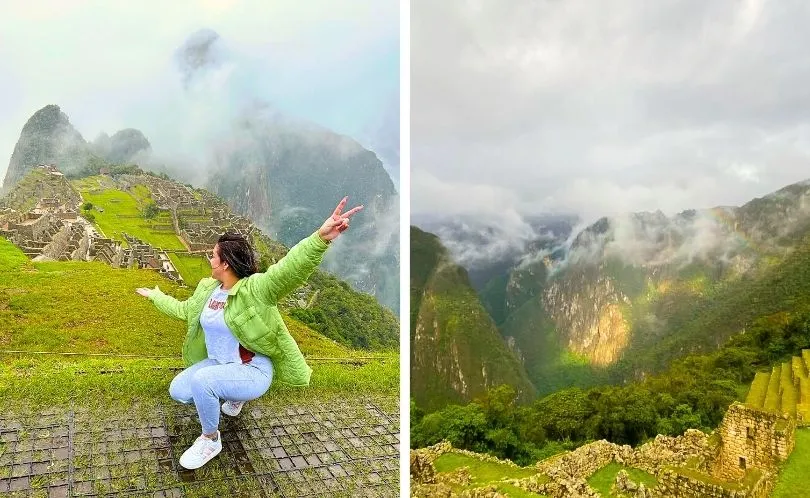
- Slippery trails: constant humidity can make paths and staircases quite slippery, which increases the risk of falls, especially if you are doing trekking routes. If you plan to climb Machu Picchu Mountain or Huayna Picchu, we recommend using footwear with good traction and being very careful when walking on these sections.
- Temporary closures: during this season, the Inca Trail trekking route remains closed in February so that maintenance and conservation work can be carried out. This is also a preventive measure for safety reasons due to adverse weather conditions. In some cases, access to Machu Picchu Mountain is also restricted for these same reasons.
- Possible delays: heavy rain and other weather factors can cause delays in trains and other means of transportation to Machu Picchu. That’s why it’s important to plan your trip in advance and be prepared for possible changes or rescheduling in the itinerary.
What to bring to be prepared
- Waterproof clothing: choose lightweight, breathable, and water-resistant garments. An EVA material poncho is an economical and effective option to keep you dry during rain.
- Appropriate footwear: it’s essential to use footwear that provides good ankle support and has non-slip soles, ideal for avoiding slips on wet or muddy paths.
- Quick-drying clothing: opt for clothing made of synthetic materials or merino wool, as these fabrics absorb moisture and dry quickly. Avoid cotton, as it retains water and will keep you damp for longer.
- Protection for backpacks and electronics: use waterproof covers to protect your backpack, camera, cell phone, or other electronic devices. This will prevent them from getting damaged if it rains during your tour.
- Sunscreen and repellent: even if it’s cloudy or raining, UV radiation in the area can be intense. Additionally, mosquitoes are present year-round, so it’s important to apply repellent. It’s also recommended to bring trekking poles, a hat or cap, thermal and waterproof gloves for greater comfort and safety.
- Trekking poles: they are very useful for maintaining balance on slippery surfaces and help reduce physical effort during walks, especially on steep or irregular sections.
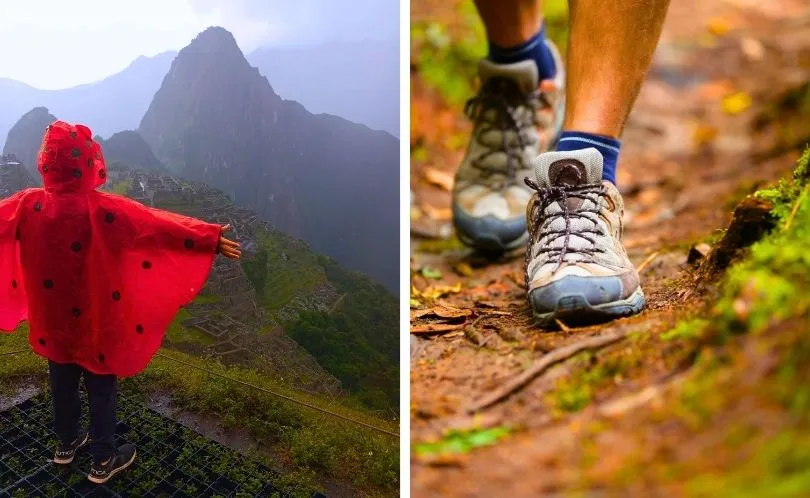
Tips for exploring Machu Picchu in rain
- Visit early: take advantage of the early hours of the day, as there is usually less rain and better visibility in the morning to explore Machu Picchu more comfortably.
- Walk with caution: take your time when walking the trails, especially if they are wet or slippery. If you consider it necessary, use trekking poles for greater stability and safety.
- Take advantage of the mist: the mist can give a magical and mysterious touch to the landscape. Make the most of it by capturing unique photographs with the mountains and ruins wrapped in clouds. Machu Picchu in the rain creates an unforgettable atmosphere.
- Be flexible: adapt your plans according to weather conditions. Stay alert to possible changes in access, route closures, or variations in transportation schedules to avoid setbacks.
Options if it rains all day
Hot springs in Aguas Calientes:
Just a 10 to 15-minute walk from the center of town, you’ll find the hot springs of Aguas Calientes. These natural pools, with temperatures ranging from 19°C (66°F) to 46°C (115°F), are known for their therapeutic properties: they will help you relieve stress, relax muscles, and improve circulation. The facilities include changing rooms, showers, and a snack café for a comfortable and relaxing experience.

Manuel Chávez Ballón Museum:
If you’re interested in history, about a 30-minute walk from Aguas Calientes you can visit the Manuel Chávez Ballón Museum. This space offers a deep look at the history and archaeology of Machu Picchu. In its five exhibition rooms, you’ll find ceramics, tools, and bone remains that tell how life was in the Inca citadel. Additionally, the museum includes a botanical garden that complements your cultural experience.

Local cafés and restaurants
During your stay in Aguas Calientes, you can enjoy a wide variety of cafés and restaurants that combine Peruvian and international flavors. Some recommendations are:
- Munaycha Restaurant: offers the best dishes of Peruvian cuisine and a great selection of international food, always prepared with the best fresh ingredients
- Mapacho Craft Beer: perfect if you want a complete gastronomic experience, with craft beers and well-prepared Peruvian dishes.
- Indio Feliz: well-known for its original Franco-Peruvian fusion, it’s one of the most popular restaurants in the area.
Explore the Sacred Valley
If the weather allows and you have time, take advantage to discover other emblematic places in the Sacred Valley:
- Ollantaytambo: an impressive Inca fortress that combines monumental architecture with a rich history.
- Pisac: stands out for its vibrant artisanal market and its archaeological complex, from where you’ll enjoy spectacular views of the valley.
The rainy season brings some challenges, but also offers unique and unforgettable experiences. Walking through Machu Picchu in the rain, among clouds and mountains covered in intense green, becomes a relaxing and magical experience. Additionally, you’ll enjoy the tranquility of fewer tourists, which makes your visit much more comfortable and special.
Let yourself be enveloped by this mystical and natural atmosphere. Book with Waman Adventures and discover every corner of the Inca wonder like never before.
Frequently Asked Questions
Is Machu Picchu open during the rainy season?
Yes, the Machu Picchu citadel remains open to the public throughout the year, even during the rainiest months. However, keep in mind that the Inca Trail, one of the most popular trekking routes, closes during February for maintenance and conservation work.
Is it safe to hike in the rain?
Yes, it is possible to hike during the rainy season, but you should take additional precautions. Trails can become slippery and there is a risk of landslides or falling rocks. Therefore, it’s essential to bring the appropriate equipment: footwear with good traction, waterproof clothing, trekking poles, among other safety elements.
Do trains operate if it’s raining?
In general, trains to Machu Picchu operate normally during the rainy season. However, in cases of heavy rain or landslides, there could be delays or cancellations. Therefore, it’s always advisable to check the status of the service and have flexibility in your plans.
Can you see the sunrise?
During the rainy season, mornings are usually covered by a dense mist, which can make it difficult to see the sunrise. However, this fog also creates a mystical environment that can make your visit even more special and photogenic.
Are guided tours available year-round?
Yes, you can find guided tours to Machu Picchu throughout the year. Even so, it’s advisable to book in advance, especially if you plan to travel during the high season or wish to take special routes, such as the Inca Trail, which require limited permits.

Share:



Related tours you might be interested in
Enjoy unique experiences in Cusco and Machu Picchu with the peace of mind that comes from working with a local travel agency

02 DAY «EXPLORING» THE SACRED VALLEY AND MACHU PICCHU
CHINCHERO, MARAS AND MORAY WILL ENVELOP YOU IN THE MAGIC OF THE SACRED VALLEY. EACH EXPERIENCE WILL...

Full Day – «Exploring» Machu Picchu
MACHU PICCHU EPIC ADVENTURE TOUR FROM CUSCO This full-day option is an excellent opportunity to...

04 DAY CUSCO – SACRED VALLEY – MACHU PICCHU
DISCOVER THE MAGIC OF CUSCO, THE SERENITY OF THE SACRED VALLEY AND THE GRANDEUR OF MACHU PICCHU On...

10 Days Andean Dreamscapes – Lima, Ica, Cusco & Puno with Local Flights
YOUR NEXT DESTINATION IS PERU, THE LAND OF FASCINATING STORIES AND OUTSTANDING LANDSCAPES! With our...
If you liked this article and the information you found, give us 5 stars!
Table of Contents
Related blogs
Get Inspired by 30 Short Inca Trail Facts for Your Next Adventure!
20 min of reading
Chinchero Textile Dyeing where ancient colors come to life
9 min of reading

