Inca Trail vs Iztaccíhuatl Two Iconic Routes: Which Adventure Is Right for You?
Ultima actualización en 17 November, 2025 por Waman Adventures
Last Updated on 17 November, 2025 by Waman Adventures
- Inca Trail
- Iztaccíhuatl
- General Comparison
- Tips to Prepare Yourself
-
Frequently Asked Questions About Inca Trail vs Iztaccíhuatl
- Is Inca Trail suitable for beginners?
- Is mountaineering experience needed to climb Iztaccíhuatl?
- What’s best time to do Inca Trail?
- Can you climb Iztaccíhuatl in one day?
- Are permits required for Inca Trail and Iztaccíhuatl?
- Do I need visa to travel from Mexico to Peru?
- How do I acclimatize before doing Inca Trail or climbing Iztaccíhuatl?
- How different is cultural experience between both destinations?
Inca Trail vs Iztaccíhuatl are two emblematic routes offering unique experiences for those who love adventure and contact with nature. Each holds history marked by Inca Empire heritage, and other by Mexican volcanoes. In this blog you’ll know their main characteristics, differences, and what you need to know to travel them. We tell you how long they last, how demanding they are, and what landscapes you can expect. This way you can choose option that best fits your interests and physical condition.
Inca Trail

History
Inca Trail is ancient road network that Inca Empire built over 500 years ago to connect capital, Cusco, with Machu Picchu, their sacred city. This road system is also known as Qhapaq Ñan. Besides taking you to Inca citadel, it connected with various administrative, religious, and commercial centers throughout empire.
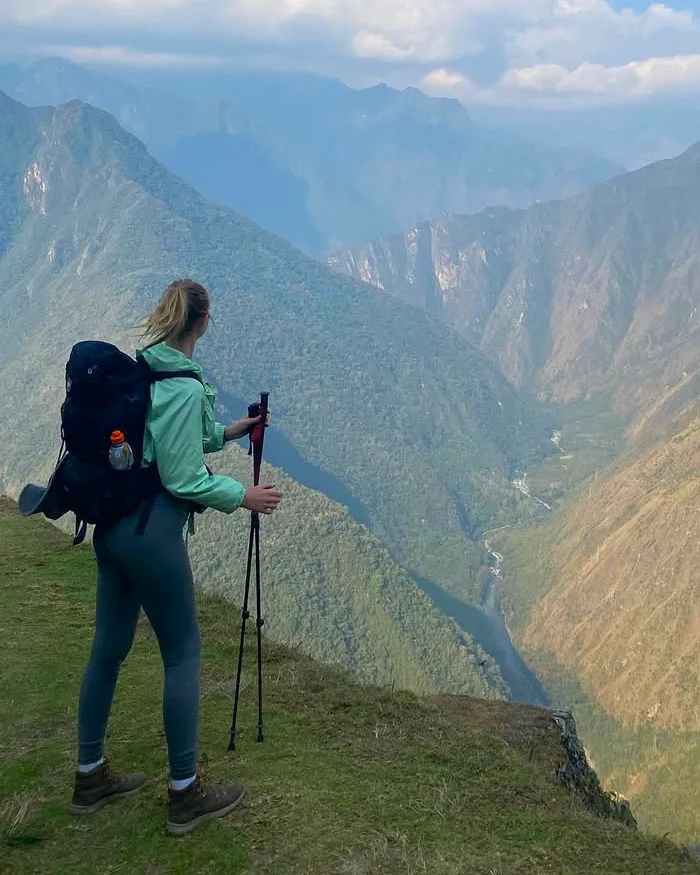
When you travel it, you follow same route priests, nobles, and messengers (chasquis) used to make pilgrimages to sacred places like Machu Picchu. Many of its original sections are still preserved, with stone walls, bridges, tunnels, agricultural terraces, and ancient irrigation systems you can see during journey.
Main Characteristics
- Inca Trail offers you complete experience combining culture, history, nature, and adventure.
- You’ll walk on trails built with stone, many in excellent state of preservation.
- You’ll find stairways carved directly into rock, ascending and descending very steep slopes.
- You’ll cross narrow sections between mountains, where path becomes more technical and you must walk carefully.
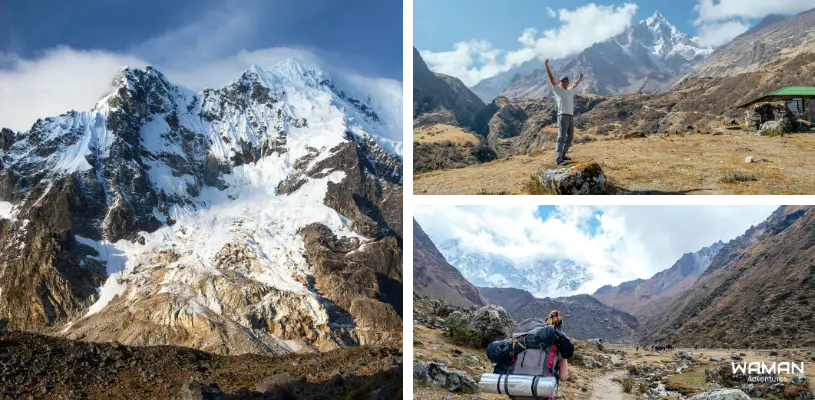
- You’ll traverse high jungle or cloud forest areas, with dense vegetation, high humidity, and great variety of flora and fauna.
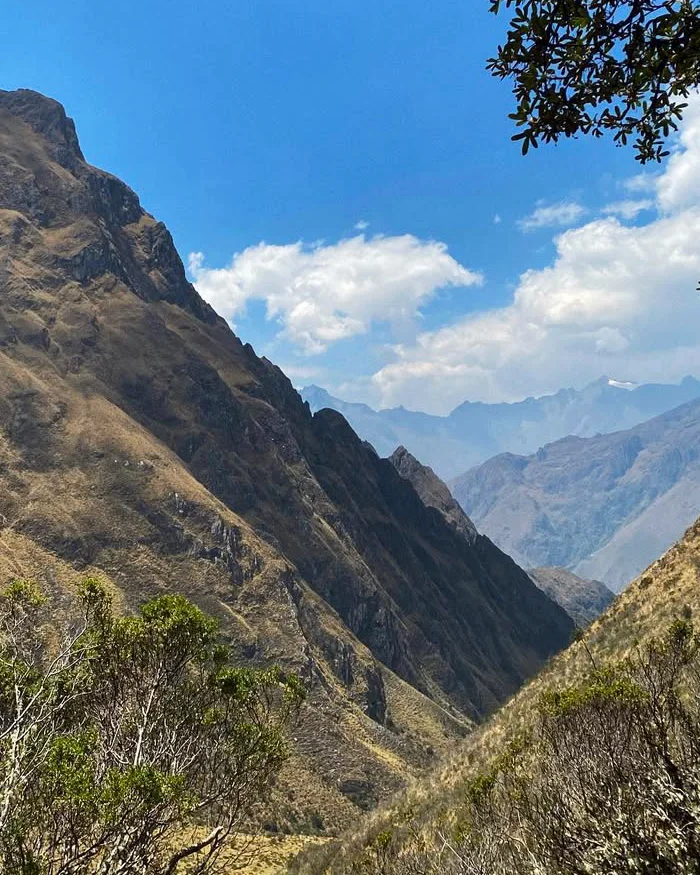
- You’ll also pass through high Andean puna sectors, where climate is dry, landscape is more open, and you’ll have impressive Andes views.
- Terrain is irregular and constantly changing, with ups and downs requiring concentration and constant physical effort.
Routes
Classic Inca Trail Route (4 Days / 3 Nights)
You’ll travel most famous and demanded Inca Trail route, regulated by Peruvian State. This route offers you complete experience along emblematic part of Qhapaq Ñan, faithfully following original path until reaching Machu Picchu Inca citadel.
- Duration: you walk for 4 days and 3 nights.
- Total distance: approximately 26 miles (42 km).
- Maximum altitude: you reach 13,828 feet (4,215 meters) at Abra Warmiwañusqa (also known as “Dead Woman’s Pass”).
- Minimum altitude: upon arriving at Machu Picchu, you descend to about 7,874 feet (2,400 meters).
- Physical difficulty: demand ranges from moderate to high. You’ll face long ascents, continuous descents, stone stairs, and altitude sections requiring endurance and physical preparation.
- Terrain type: you’ll walk on stone trails, crossing jungle areas with humidity and dense vegetation, as well as more open and exposed mountain sectors.
- Places to visit: during route you’ll discover impressive archaeological sites like Runkurakay, Sayacmarca, Phuyupatamarca, Wiñay Wayna, and finally enter Machu Picchu at dawn through Sun Gate (Inti Punku), one of journey’s most iconic views.
Short Inca Trail (2 Days / 1 Night)
This is briefer version of Inca Trail, ideal if you don’t want to do complete 4 day route or if you have little available time. Trek is lighter, as it only lasts 2 days and 1 night, but still allows you to live part of original experience.
- Duration: 2 days and 1 night.
- Distance: between 7.5 and 10 miles (12 and 16 kilometers) of trekking, depending on starting point.
- Maximum altitude: around 9,186 feet (2,800 meters).
- Minimum altitude: upon arriving at Machu Picchu, you descend to about 7,874 feet (2,400 meters).
- Physical difficulty: moderate. Although route is shorter than classic route, you’ll still have to climb steep stairs, travel slopes, and adapt to warm and humid climate, typical of cloud forest.
- Terrain type: you’ll walk on well preserved trails, with views of Urubamba River and characteristic high jungle landscapes.
- Places to visit: during route you’ll visit archaeological sites like Chachabamba and Wiñay Wayna, before arriving at Machu Picchu.
Remember that:
Inca Trail requires booking months in advance, as permits are limited.
Iztaccíhuatl
History
Iztaccíhuatl is inactive volcano forming part of Iztaccíhuatl‑Popocatépetl National Park, located between Mexico and Puebla states. Its name comes from Nahuatl: Iztac = “white” and Cíhuatl = “woman”, so it’s commonly known as “White Woman”, as its silhouette recalls reclining woman covered in snow.
It was declared National Park in 1935, granting it legal protection as protected natural area. When you visit it, you’re in one of country’s center most important ecological spaces.
Main Characteristics
- Ecosystems: as you ascend, you cross different zones, from forests to high altitude grasslands found between 13,123 feet (4,000 meters).
- Endemic flora: you’ll find unique species like blue juniper, wild chive, broom grass, Guegueche flower, soromuta, mullein, among many others adapted to altitude.
- Fauna: you have possibility to observe teporingo, small endangered rabbit, plus lynx, coyotes, white tailed deer, foxes, wild rabbits, and other characteristic mountain mammals.
- Birds: during your ascent you can spot great bird diversity. Between 160 and 163 species have been recorded, both resident and migratory, some very rare to see in other environments.
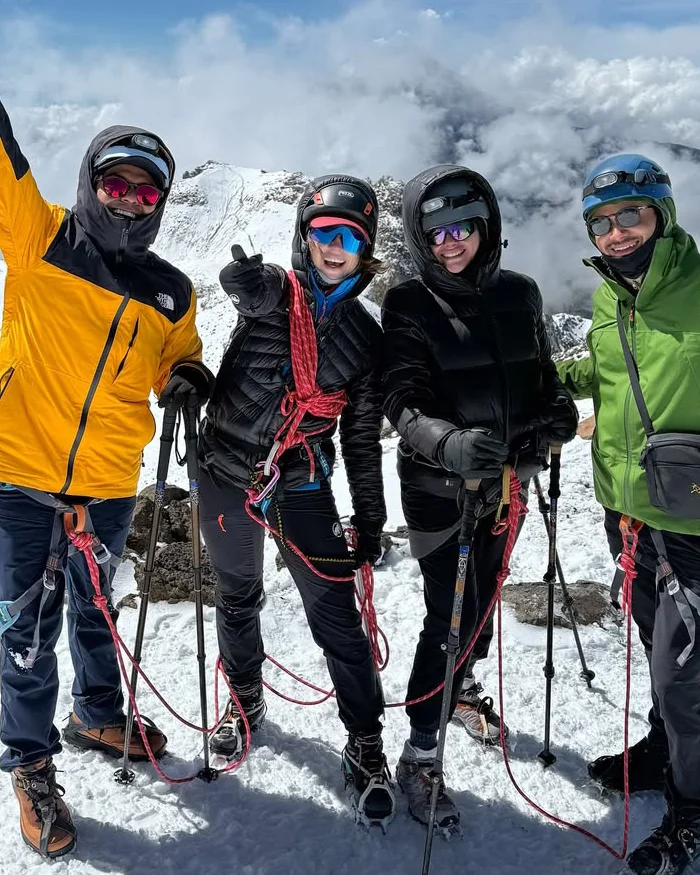
- Snow and glaciers: although it formerly housed important glaciers like Ayoloco, today, due to climate change, that glacier was declared extinct in 2018. Even so, in certain seasons you’ll observe small snow extensions in highest parts, especially during winter.

Routes, Duration Days, and Classification
Main Route to Summit “Portillos Route”
You’ll follow main and most popular way to reach Iztaccíhuatl summit. This route is considered official way and is most used by both mountaineers and hikers.
General Itinerary
- If you decide to do entire journey in single day, it will take between 12 and 15 hours (up and down).
- You can also choose to do it in 2 days, camping at intermediate point, like Refugio de los Cien or Portillo 3. This option allows you to acclimatize better and reduce physical wear.
Classification
- Ascent has high difficulty. You need excellent physical condition, endurance, and preparation.
- Terrain is mixed, with volcanic rock sections, loose sand, steep passages, and exposed areas.
- During snow season, it’s mandatory to bring technical equipment like crampons, ice axe, helmet, and thermal clothing.
- It’s essential to acclimatize before attempting summit. You can do it few days before at sites like La Joya, Paso de Cortés, or elevated areas near Valley of Mexico.
Intermediate Route to Third Portillo
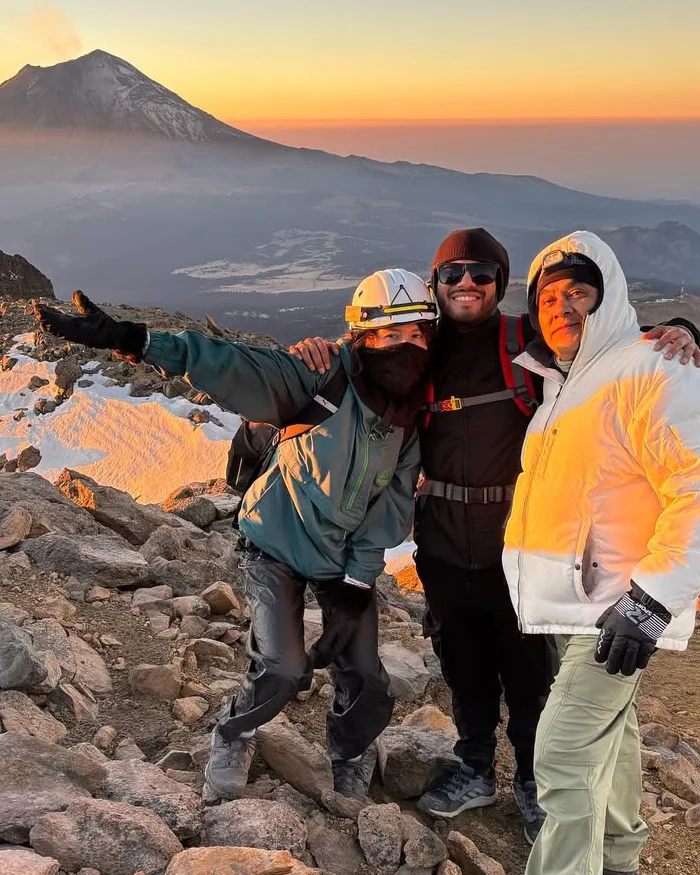
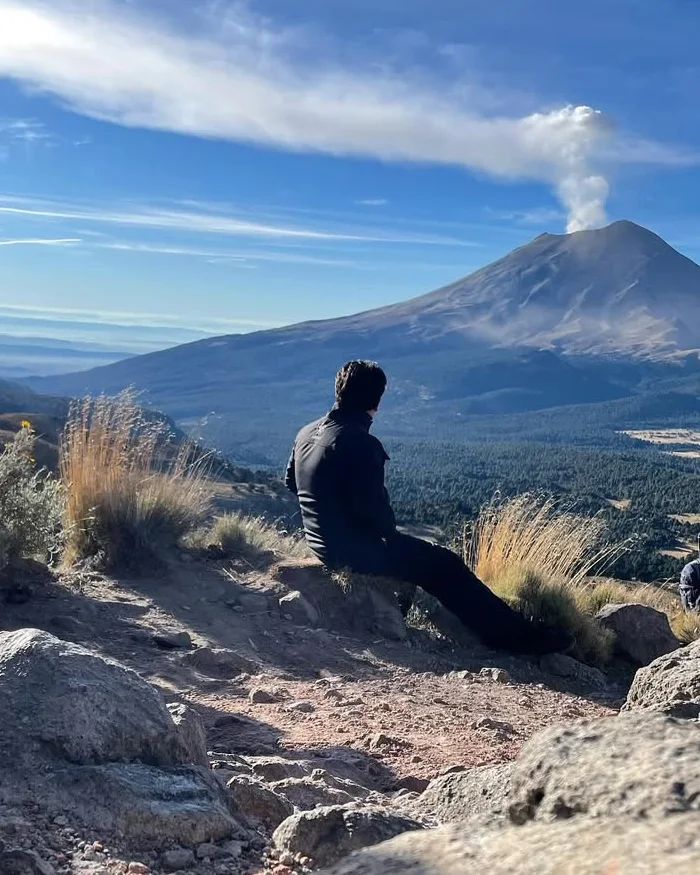
If you prefer shorter alternative to complete ascent, you can choose to reach only Third Portillo. This option is ideal if you’re acclimatizing or simply want to enjoy panoramic views without subjecting yourself to summit’s extreme altitude.
Estimated Time
- Ascent: between 3 and 4 hours
- Descent: between 2 and 3 hours
Maximum Altitude
- You reach approximately 15,420 feet (4,700 meters).
Classification
- Difficulty is moderate to high, depending on your pace and physical condition.
- It’s excellent option if you’re beginner mountaineer and want to test your acclimatization before attempting more demanding summit.
Route to “Iztaccíhuatl Feet”
If you’re looking for greater challenge without entering glacier zones or high technical risk, you can take route to “Iztaccíhuatl Feet.” It’s longer option than Portillos, and therefore very popular among intermediate level mountaineers who already have some experience and acclimatization.
Estimated Time
- Total route (up and down) will take between 10 and 12 hours.
Maximum Altitude
- You reach approximate altitude of 16,240 feet (4,950 meters) above sea level.
Classification
- You don’t need ice techniques or high mountain technical equipment.
- However, you must have very good physical endurance and be acclimatized, as effort from altitude and terrain is considerable.
- It’s considered high difficulty route, especially for accumulated physical wear.
Warning:
In snow season, you need mandatory technical equipment: crampons, ice axe, helmet, and thermal clothing.
General Comparison
| Criteria | Iztaccíhuatl | Inca Trail |
| Maximum Altitude | 17,158 feet (5,230 m) | 13,828 feet (4,215 m) |
| Route Duration | 1 to 2 days | 4 days / 3 nights |
| Physical Difficulty | High, requires mountain experience. | Moderate demands good condition. |
| Terrain | Rocky with seasonal ice. | Has stone trails, steps, jungle, and mountain. |
| Landscapes | You’ll see volcanic mountains and open panoramas. | You’ll see cloud forest, Inca archaeological centers, valleys, and Andean snow capped peaks. |
| Permits | Obtained at National Park Registry. | Mandatory to have guide, and book months in advance. |
| Cost | $2,100 per person. | $829 per person |
Tips to Prepare Yourself
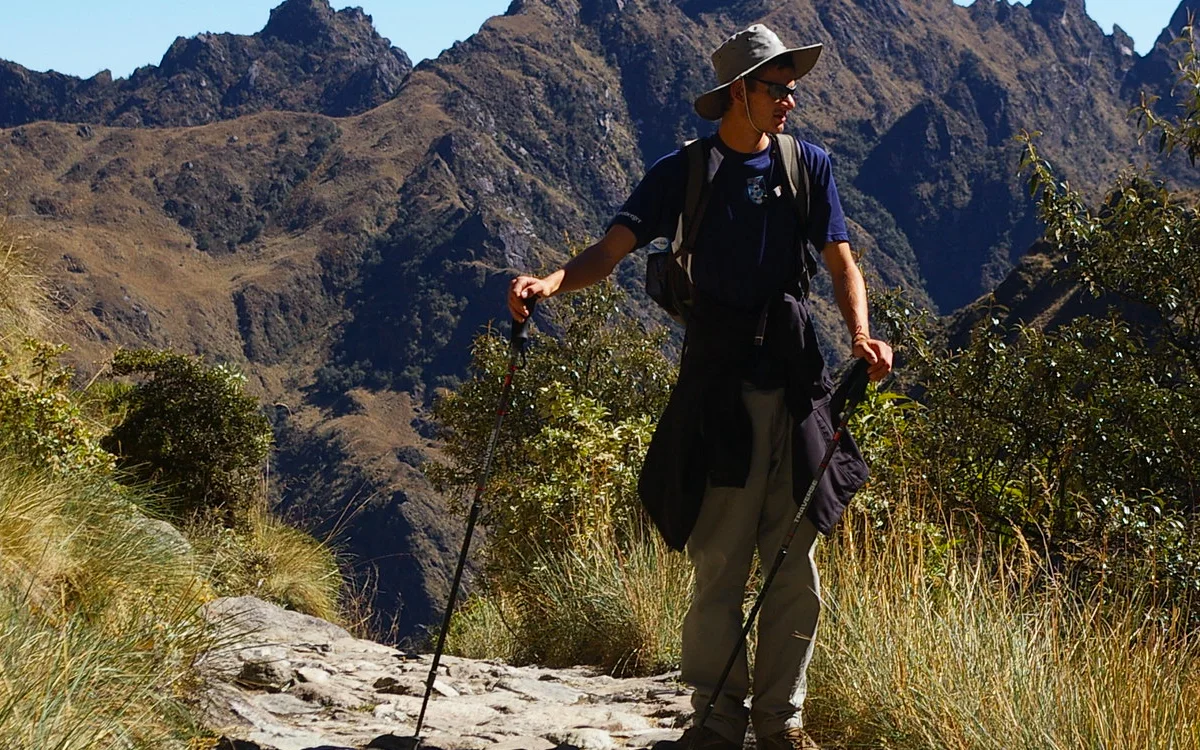
- Arrive at least 2 to 3 days before to acclimatize to altitude at both destinations.
- Do gentle previous walks to prepare body before trekking or ascent.
- Use layered clothing: thermal, insulating, and windproof waterproof.
- Bring appropriate footwear trekking boots (Inca Trail) or high mountain boots (Iztaccíhuatl).
- Use sunscreen, hat, and dark glasses at both destinations.
- Bring energy snacks, reusable bottle, and water purifying tablets.
Whether exploring ancient Inca Empire paths vs Iztaccíhuatl, each provides unique and unforgettable experience. Both connect you with nature and history. In this blog we offer clear guide so you choose adventure that best adapts to you. Remember to choose good itinerary fitting your expectations. If you don’t know how to do it, at Waman Adventures we help you plan every detail with safety and confidence. Contact us and make trip of your life reality!
Frequently Asked Questions About Inca Trail vs Iztaccíhuatl
Is Inca Trail suitable for beginners?
Yes, Inca Trail doesn’t require technical mountaineering skills, but does demand good physical condition. It’s recommended that beginners do previous walks at medium altitudes to acclimatize.
Is mountaineering experience needed to climb Iztaccíhuatl?
Generally yes, especially if going through sections with snow, ice, or if attempting complete summit. Although there are less technical versions, extreme weather conditions, avalanche or ice risks require previous experience, or at least going accompanied by professional guide with knowledge and appropriate equipment.
What’s best time to do Inca Trail?
Dry season, approximately April to October, is most advisable for doing Inca Trail. Avoid rainy months (November to March) as there are frequent rains, mud, possible landslides, temporary trail closures, or logistical difficulties.
Can you climb Iztaccíhuatl in one day?
Yes, for well trained mountaineers in good physical condition, it’s possible to do ascent and descent route in same day from points like La Joya, provided weather conditions permit and previous acclimatization has been done.
Are permits required for Inca Trail and Iztaccíhuatl?
- Inca Trail: Yes, official permit required, which can only be obtained through agencies authorized by Peru government.
- Iztaccíhuatl: Yes, registration required at Iztaccíhuatl‑Popocatépetl National Park (CONANP in Mexico). Also pay access fee, comply with park regulations, and in certain cases guide.
Do I need visa to travel from Mexico to Peru?
As of April 2024, this changed. Mexican tourists can enter Peru normally.
How do I acclimatize before doing Inca Trail or climbing Iztaccíhuatl?
Arrive few days before trek or ascent base location (for example Cusco for Inca Trail and Paso de Cortés for Iztaccíhuatl).
Sleep well, hydrate a lot, eat appropriate foods (rich in carbohydrates and light proteins).
How different is cultural experience between both destinations?
- Inca Trail offers deep immersion in Inca culture, in archaeological centers, engineering vestiges, living history, Quechua language, Andean gastronomy, local communities, ancestral rituals.
- Iztaccíhuatl has significant cultural load: Mexica legends, indigenous spirituality, link with nearby populations, mountaineering tradition, but it’s more physical/sports challenge.

Share:



If you liked this article and the information you found, give us 5 stars!
Table of Contents
Related blogs

Cusco in June Weather Festivals and Travel Tips
10 min of reading