Mexican Tourists at Moray and Maras: A Journey Through Terraces, Salt Mines, and Andean Traditions
Ultima actualización en 14 November, 2025 por Waman Adventures
Last Updated on 14 November, 2025 by Waman Adventures
- Moray and Its Role as an Inca Agricultural Laboratory
- Maras: Tradition of Living Salt Mines
- Typical Climate and Environmental Conditions
- How to Get There From Cusco: Routes, Transportation, and Options
- Best Time to Visit: Climate, Light, and Tourism
- Featured Activities to Make Most of Moray and Maras
- What to Bring and How to Prepare for Visit
- Typical Food You Can Try Nearby
-
Frequently Asked Questions for Mexican Tourists at Moray and Maras
- Do I need visa to travel from Mexico or U.S. to Peru?
- Are there tours in Spanish?
- Can you visit Moray and Maras same day?
- Is it safe for elderly people or children?
- Can I pay by card at sites or in nearby towns?
- How much does it cost to visit Moray and Maras?
- How to handle altitude sickness?
- What’s best time of year to visit Moray and Maras?
Mexican tourists at Moray and Maras will discover impressive landscapes. Moray stands out for its circular terraces used by Incas for cultivation, while in Maras you can see famous salt mines, where salt is extracted artisanally. In this guide we tell you how to get there, what to do, and useful tips so you make most of your trip. Get ready for unique cultural and natural adventure in Peruvian Andes. Let’s explore together!
Moray and Its Role as an Inca Agricultural Laboratory


Moray was built by Incas, probably on pre Inca culture structures. It’s believed first terraces could have been created by local villages, like Quechua communities.
Modern excavations and various studies indicate Incas used Moray as agricultural experimentation center, bringing soils from different regions to optimize crop growth.
Altitude
Located at 11,483 feet (3,500 meters).
Characteristics:
- You’ll find concentric circular terraces (called “muyus”) excavated in natural terrain depressions, with amphitheater shape.
- Largest of these circles can reach up to 98 feet (30 meters) depth from upper edge to center.
- Terraces are built with stone retaining walls, have irrigation channels and underground drainage system to avoid water accumulation.
Functions:
- Seed acclimatization: here plants from warmer regions were adapted so they could grow in higher areas.
- Agricultural trial: experimenting with crops like potato, corn, quinoa, amaranth, coca, and other medicinal plants, testing them at different environmental levels to see which adapted best to each altitude.
- Ritual or ceremonial function (possible): it’s believed it could also have spiritual purpose, related to nature worship, like Pachamama.
Did you know…?
At Moray soils from different regions were transferred to test crops like potato, corn, and quinoa.
Maras: Tradition of Living Salt Mines
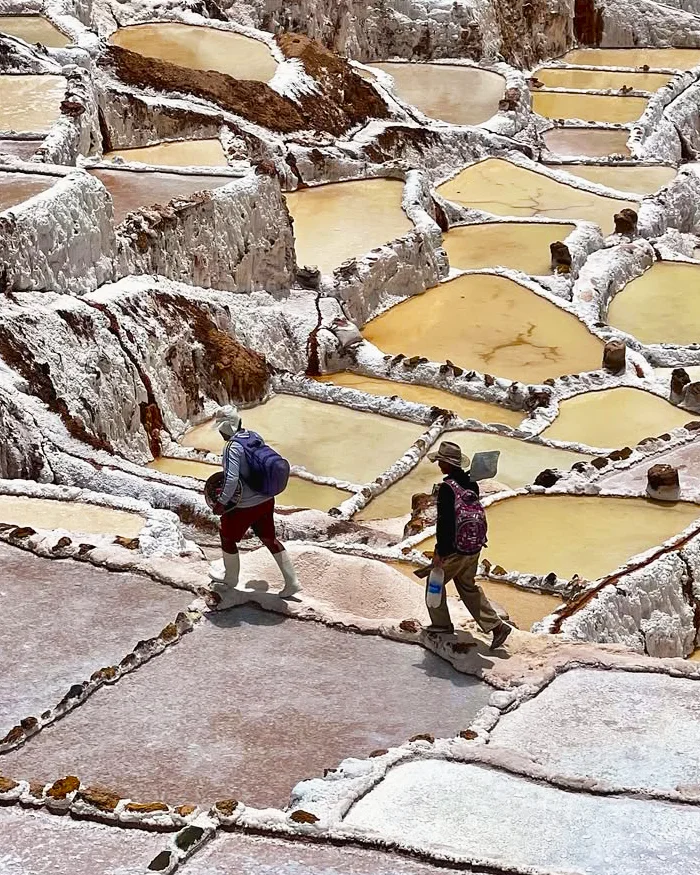
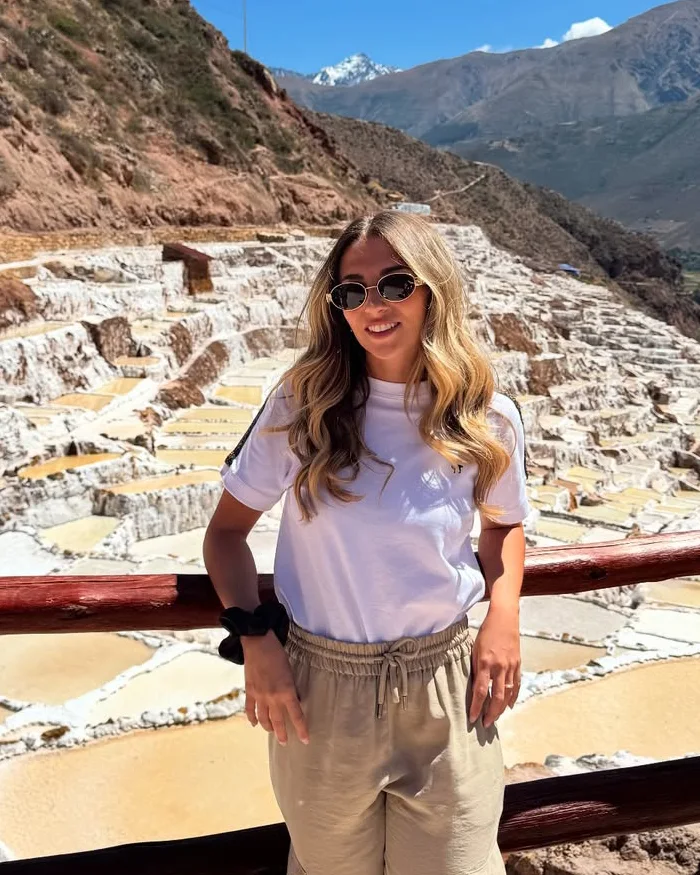
Maras Salt Mines have pre Inca origin. Ancient peoples already used saline water springing from underground springs in Qaqawiñay mountain. Ceramics from pre Inca cultures like Chanapata and Killke have been found in area, supporting their use long before Incas’ arrival.
Altitude:
Located at 10,499 feet (3,200 meters).
Characteristics:
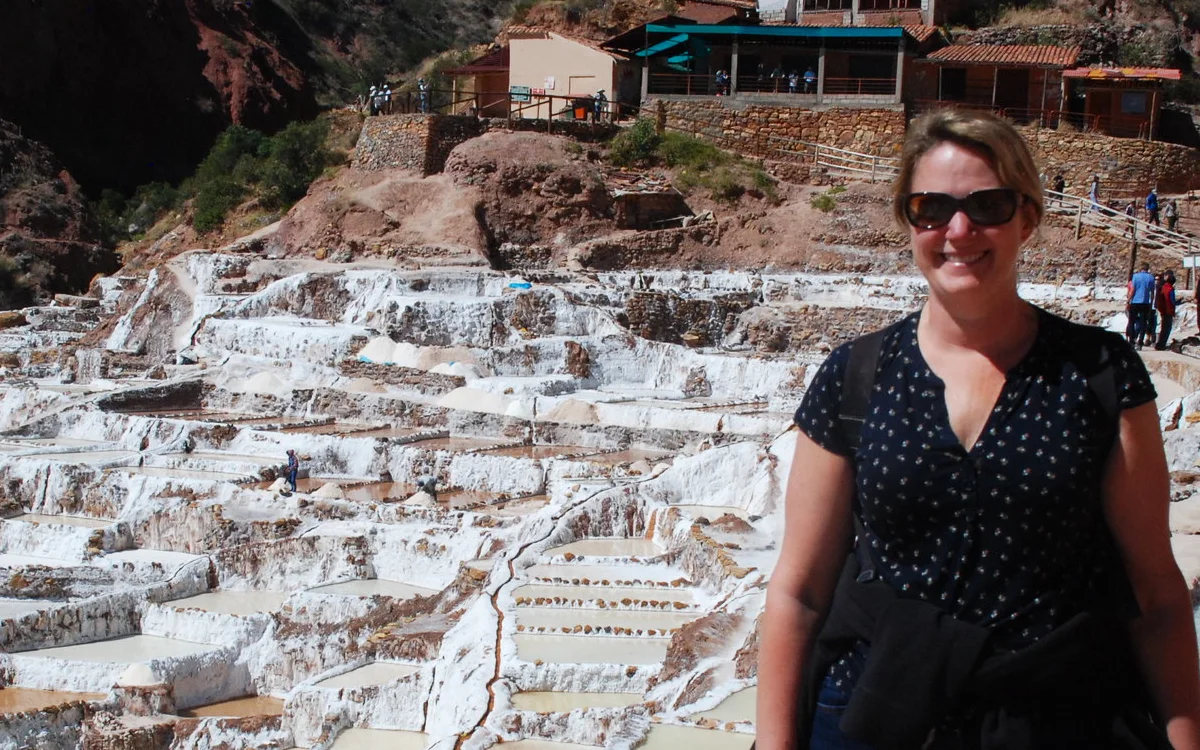
- You’ll see set of between 2,000 and 4,500 salt pools (figure varies by source), distributed on stepped terraces on Qaqawiñay hill slope.
- Saline water emerges naturally from underground spring, with high salt content.
Functions:
- Salt production for local use: here salt is produced serving to preserve food, cook, or use in domestic tasks within communities.
- Ritual or medicinal use: Maras salt also has traditional uses, and it’s believed to help treat certain skin conditions, among other healing purposes.
- Cultural heritage: this place preserves ancestral techniques still in force, and additionally has great tourist and educational value.
Did you know…?
Maras pink salt is recognized for its purity and minerals, and is exported to different parts of world.
Typical Climate and Environmental Conditions
Climate in Moray
| Season | Daytime Temperature | Nighttime Temperature | Characteristics |
| Dry Season | 64°F (18°C) | 46°F (8°C) | Sunny days, clear sky, low humidity, and scarce precipitation. |
| Rainy Season | 69°F (21°C) | 48°F (9°C) | Frequent rains, especially in afternoon; paths can become slippery |
Climate at Maras Salt Mines
| Season | Daytime Temperature | Nighttime Temperature | Characteristics |
| Dry Season | 71°F (22°C) | 39°F (4°C) | Little rain, sunny days, and low humidity. |
| Rainy Season | 71°F (22°C) | 44°F (7°C) | Frequent rains, especially in February; greater humidity. |
How to Get There From Cusco: Routes, Transportation, and Options
Main Vehicle Route
- Cusco to Maras: from Cusco city, you take highway toward Urubamba. Distance is approximately 31 miles (50 km) until reaching Maras district.
- Main highway to Maras: once you take detour toward Maras, paved road of about 2.5 miles (4 km) awaits you.
- Maras to Moray: from Maras town, you continue via paved road of approximately 4.3 miles (7 km) until reaching Moray archaeological site.
Transportation Options
Organized Tour
- Tourist vehicle
- Professional guide in Spanish or English
- Round trip transportation from Cusco
Independent Transportation
- From Cusco to Maras: you can take vehicle from Pavitos street bound for Urubamba. It’s important to indicate you need to get off at detour toward Maras. Price per person varies between $1.30 and $2.65 (5 and 10 soles), depending on transport.
- From detour to Maras: you can continue in local taxi or mototaxi, or walk if you prefer.
- Return to Cusco: you can return by same route or continue to Urubamba, and from there take shared transport (collective) back to Cusco.
Private Transportation
- You can hire taxi or private service for day, departing from Cusco.
- You’ll have total comfort and freedom to stop at other points of interest during route.
- It’s ideal option for groups, families, or if you prefer to avoid public transportation.
Travel Options
| Option | Ideal For | Duration | Includes | Requires Planning |
| Organized Tour | Tourists seeking comfort and guide. | Half day or full day. | Transportation, guide, sometimes tickets. | No |
| On Your Own | Independent travelers with limited budget. | Flexible | Public transportation (collectives, vans). | Yes |
| Private Transportation | Families or small groups. | Half day | Exclusive vehicle, total flexibility. | Need to coordinate for vehicle. |
Best Time to Visit: Climate, Light, and Tourism


Warning:
In rainy season there’s mud and slippery trails; bring waterproof clothing and appropriate footwear.
Dry Season
Exact months:
- Begins approximately in April.
- Extends until October.
- Within this period, best months are usually May, June, July, August, and September.
Characteristics:
- Clear skies and excellent visibility.
- Morning temperatures: between 68 and 71°F (20 and 22°C).
- Night temperatures: can drop to 39°F (4°C) or even 32°F (0°C).
- Sun is usually intense around noon.
What to see and do this season:
- Moray’s circular terraces offer clear views and good access, without mud.
- You’ll enjoy valley viewpoints, where Andes views aren’t covered by fog.
- You can do long excursions, Sacred Valley walks, archaeological routes, and many outdoor activities.
Rainy Season
Exact months:
- Begins in November.
- Rainiest peak occurs in December, January, and February.
- Ends approximately in March.
Characteristics:
- Rains are frequent and abundant, generally in afternoon.
- You’ll find high humidity, cloudy skies, and possibility of fog early morning.
- Rivers and pools may be murky; some paths may be muddy or present landslide risk.
- Night temperatures are warmer compared to dry season.
What to see and do this season:
- You’ll see very green landscapes, with vibrant flora and intense natural contrasts.
- You can also enjoy nearby towns, their gastronomy and museums, as alternative to outdoor excursions.
“Intermediate” Months
- Late rainy season: April and May.
- End of dry season, with moderate rains: September and October.
Characteristics:
- In September and October, climate remains dry, but there may be light rains toward end.
- You’ll find fewer tourists compared to June‑August, meaning more tranquility.
- In April and May months, rains decrease considerably and skies are clearer.
What to see and do
- You can take advantage of green landscapes remaining after rainy season, ideal for photography.
- Enjoy trails, terraces, and walks without typical high season crowding.
- It’s possible you’ll coincide with local festivities, celebrated on these dates and enriching cultural experience.
Warning:
During rainy season (November to March) paths can become slippery; use footwear with good traction.
Featured Activities to Make Most of Moray and Maras
If you visit Moray and Maras, there are several activities you can enjoy, especially if you come from Mexico:
Moray Archaeological Terrace
- You can walk among terraces and observe different levels of each terrace, as each has different temperature and humidity.
- Bring your camera or phone to photograph circular structure from viewpoints.
- Enjoy panoramic views of mountains surrounding place.
Maras Salt Mines
- Observe traditional salt extraction process, from filling with saline water, evaporation, and mineral collection.
- You can explore salt pools, walking around terraces and appreciating different tones salt acquires (white, pink, golden) according to daylight.
- It’s possible to see local communities working. If you have opportunity, interact with them and learn about their traditional methods.


Adventure Tours (ATV / Quad Bike)
- Feel adrenaline of driving at high altitude, touring rural trails while driving ATV.
- Make stops at viewpoints, Andean villages, lagoons, or other panoramic points during route.
- Check with your operator if it’s possible to combine route with Chinchero or Sacred Valley to expand experience.
Walks and Light Hiking
- You can walk between nearby towns like Maras, and explore their colonial streets, plazas, and local markets.
- You can also visit local communities along way, observe traditional agriculture, know their customs, and take advantage of photography opportunities.
What to Bring and How to Prepare for Visit
- Shoes with good sole (trekking or athletic type).
- Light snacks (dried fruits, energy bars).
- Camera or cell phone with good camera.
- If you come from Mexico, don’t forget to bring your identity document and, if applicable, your tourist ticket.
- Layered clothing: t-shirt, light sweater, and waterproof jacket.
- Small and comfortable backpack.
Typical Food You Can Try Nearby
- Fried trout: river fish (trout) prepared fried or grilled, served with potatoes, rice, and salad.
- Native potatoes: variety of Andean potatoes, served boiled or baked, often accompanied by cheese or chili.
- Chuño: potato dehydrated by natural freezing, used in traditional soups or stews.
- Corn with cheese: large grain Andean corn, served with fresh cheese. It’s very typical appetizer or snack.
- Chicken broth: substantial soup with chicken pieces, potatoes, noodles, and local herbs.
- Lomo saltado: beef stir fry with onion, tomato, french fries, and rice; delicious Peruvian Chinese fusion.
- Ají de gallina: creamy stew of shredded chicken with yellow chili, soaked bread, and nutmeg, served with rice.
- Trout ceviche: Cusco version of classic ceviche, prepared with fresh trout, lemon, chili, and onion.
- Olluquito with charqui: stew made with olluco (Andean tuber) and dried alpaca or beef meat.
Mexican tourists at Moray and Maras have complete guide to fully enjoy these destinations full of history and tradition. If you don’t know which activities to choose, don’t worry. Here we offer you all information and necessary tips so your experience is simple and enriching. Discover every corner with Waman Adventures. Contact us at +51 979 858 544 and get ready to live unforgettable adventure!
Frequently Asked Questions for Mexican Tourists at Moray and Maras
Do I need visa to travel from Mexico or U.S. to Peru?
No, Mexican citizens can enter Peru as tourists without visa for tourism or business up to 180 days per calendar year only with their valid passport.
Are there tours in Spanish?
Yes, most tours in Cusco, Sacred Valley, Moray, and Maras offer services in Spanish. It’s very common for tour operators to be prepared to serve Spanish speaking tourists.
Can you visit Moray and Maras same day?
Yes, it’s perfectly possible to visit Moray and Maras Salt Mines in same day. In fact, many agencies offer combined half day tour (4 to 5 hours). Most of these tours depart from Cusco in morning and return at noon or afternoon.
Is it safe for elderly people or children?
In general, yes it’s safe, but precautions should be taken for altitude (over 9,842 feet/3,000 meters) and irregular paths in some sections.
Can I pay by card at sites or in nearby towns?
In general, it’s recommended to bring cash in soles. Although some restaurants, larger stores, and tourist agencies in Cusco accept cards (Visa or Mastercard)
How much does it cost to visit Moray and Maras?
Moray is included in Cusco Tourist Ticket (BTC), specifically in Sacred Valley partial ticket around $18.40 (S/70) or in general ticket $34.20 (S/130). This ticket includes other sites like Pisac, Ollantaytambo, and Chinchero.
Remember that to visit Maras Salt Mines you need to pay separately, as it’s not included in Tourist Ticket.
How to handle altitude sickness?
Soroche or altitude sickness can affect some travelers when arriving at elevated areas like Cusco to prevent it:
- Acclimatize 1 or 2 days in Cusco before doing demanding activities.
- Drink lots of water and avoid alcohol.
- Eat light first 24 to 48 hours.
- Walk at slow pace and rest when you need.
What’s best time of year to visit Moray and Maras?
Best time is during dry season, between April and October, when weather is more stable and there’s less rain probability. However, rainy season runs from November to March, landscape is very green and you’ll find less tourist influx.

Share:



Related tours you might be interested in
Enjoy unique experiences in Cusco and Machu Picchu with the peace of mind that comes from working with a local travel agency

Tour to Chinchero, Maras & Moray – Private Service
Discover with us this beautiful, charming and historic places, where we will visit the enigmatic...

2-Day Trip to Machu Picchu from Cusco with Machu Picchu Mountain
LIVE A UNIQUE EXPERIENCE EXPLORING THE BREATHTAKING LANDSCAPES ON A 2-DAY JOURNEY TO MACHU PICCHU...

6-Day Tour Cusco, Sacred Valley, Machu Picchu and Rainbow Mountain
EXPERIENCE THE MAJESTY OF THE INCAS: SACRED VALLEY, MACHU PICCHU & RAINBOW MOUNTAIN IN ONE TRIP If...

6 Day Andean Adventures Tour│With Flights from Chile
ENJOY THE BEST OF CUSCO CITY – MUST VISIT DESTINATIONS ARE WAITING FOR YOU! Want to explore Cusco...
If you liked this article and the information you found, give us 5 stars!
Table of Contents
Related blogs
Best month to visit Uyuni salt flats and what each season offers
7 min of reading
Get all the details and tips you need to conquer Machu Picchu Mountain
25 min of reading
MACHU PICCHU TRAVEL GUIDE: ROUTES, TIPS AND RECOMMENDATIONS
37 min of reading