


Beyond the Colors: Amazing Rainbow Mountain Facts for Your Peru Adventure
Ultima actualización en 6 November, 2024 por Waman Adventures
Last Updated on 6 November, 2024 by Waman Adventures
- 1. What Is Rainbow Mountain?
- 2. What Is the Real Name of Rainbow Mountain Peru?
- 3. What is Rainbow Mountain to Mean in Quechua?
- 4. A Brief History of Rainbow Mountain
- 5. Where Is Rainbow Mountain?
- 6. What Is the Altitude of Rainbow Mountain Peru?
- 7. Why Is Rainbow Mountain Peru Colorful?
- 8. How Hard Is the Rainbow Mountain Hike?
- 9. How Long Does It Take to Climb Vinicunca?
- 10. When Is the Best Season to Visit Rainbow Mountain?
- 11. What Is the Best Time of Day to Visit Rainbow Mountain?
- 12. Rainbow Mountain and Its different names
- 13. What Is the Climate Like on Rainbow Mountain?
- 14. Is It Really Cold at the Top of the Rainbow Mountain?
- 15. Horseback Riding on the Way to Rainbow Mountain
- 16. Is Rainbow Mountain Worth It?
- 17. Is It Dangerous to Hike to Rainbow Mountain?
- 18. Is This the Only Rainbow Mountain in Peru and the World?
- 19. Wildlife on the Rainbow Mountain Peru Hike
- 20. Rainbow Mountain Featured by Business Insider
- 21. There Are 3 Routes to Reach Rainbow Mountain
- 22. Altitude Sickness or Soroche at the Seven Colored Mountain
- 23. Visit the Red Valley Near Rainbow Mountain
- 24. Apachetas along the Hike
- 25. Proper Footwear for the Rainbow Mountain Hike
- 26. How to Dress for Rainbow Mountain?
- 27. Can You Visit Rainbow Mountain Without a Guide?
Are you exploring the wonders of Vinicunca? Discover fascinating Rainbow Mountain facts in Peru, from its stunning geological formation to the flora and fauna that call it home. How difficult is the hike to Rainbow Mountain? We reveal the truth and share essential tips for an unforgettable experience. Join us as we explore this natural wonder, listed among the “100 places to visit before you die” by Business Insider!
1. What Is Rainbow Mountain?
The Rainbow Mountain, also known as Vinicunca or the Seven Colored Mountain, is a breathtaking geological formation. Its main draw is the vibrant layers of colors on its slopes, ranging from reds, pinks, greens, blues, yellows, and browns. This colorful palette creates a visually stunning and fascinating landscape.
This natural wonder has gained popularity among tourists in recent years due to its unique beauty and vibrant colors, attracting travelers worldwide seeking exceptional experiences in the Peru Rainbow Mountains.

Stunning photographs of the Seven Colored Mountain
2. What Is the Real Name of Rainbow Mountain Peru?
Originally, the mountain was known as Winicunca, but over time, the pronunciation evolved into Vinicunca, as used by the local population. As residents and visitors began to recognize the mountain for its vibrant colors, different popular names emerged such as “Rainbow Mountain,” “Seven Colored Mountain,” or simply “Vinicunca Mountain”.
3. What is Rainbow Mountain to Mean in Quechua?
One of the interesting Rainbow Mountain facts is its name. In the Quechua language, “Vinicunca” is formed by the words:
WINI: Black stones
KUNKA: Neck
It translates to “the pass of the colorful mountain.” Other possible meanings include:
- Narrow-neck hill
- Narrow summit
- Rainbow Mountain
4. A Brief History of Rainbow Mountain
Why Is Rainbow Mountain Peru Colorful?
The Peru Rainbow Mountains exhibit a range of colors that comes from the different minerals found in its geological composition. This has contributed to the formation of Rainbow Mountain’s colors, a process that dates back millions of years.
The colorful appearance of Vinicunca originates from marine, lake, and river sediments transported by water that once covered the area. These sediments date back approximately 65 million years, forming the different colored layers that now characterize the mountain.
Over 65 million years, these sediments, layered in different colors, were pushed up by tectonic activity, eventually forming the mountains we see today. Later, oxidation and erosion of the soil’s minerals led to the mountains acquiring their vibrant colors, according to César Muñoz, a member of the Geological Society of Peru (SGP). This explains what causes rainbow mountains.

The Rainbow Mountain in Peru showcases a different color palette due to the presence of different minerals in its geological structure
When Was Rainbow Mountain Discovered?
In the past, the Seven Colored Mountain, locally known as Winicunca in the Quechua language, was only accessible to those who ventured along the Ausangate route. Pioneering tour operators like Andean Lodges, in collaboration with the communities of Chillca and Osefina starting in 2006, paved the way for hiking enthusiasts.
The popularity of the Rainbow mountain exploded in 2016, thanks to social media and increased promotion by tour operators. Now, with new roads providing easier access from towns like Pitumarca and Cusipata, Rainbow Mountain attracts up to 1,500 visitors daily, despite the high altitude and challenging conditions.
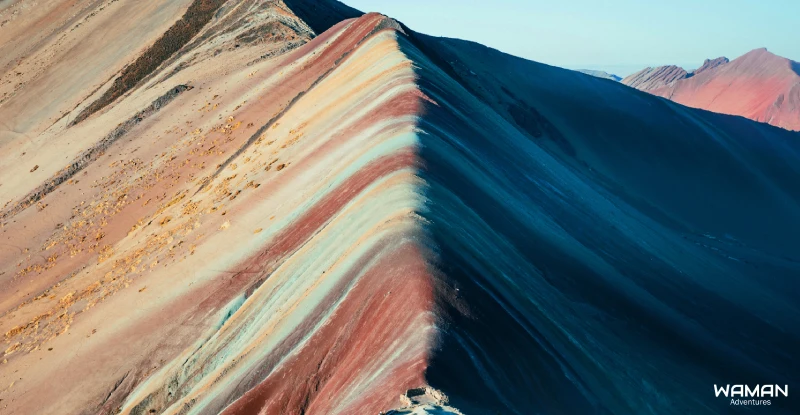
The Seven Colored Mountain in all its splendor
5. Where Is Rainbow Mountain?
Rainbow Mountain Peru is located 100 kilometers southeast of Cusco, Peru. Specifically, it lies on the way to the Ausangate snow-capped mountain in the Andes, between the districts of Cusipata and Pitumarca.
6. What Is the Altitude of Rainbow Mountain Peru?
The impressive Vinicunca, also known as the Seven Colored Mountain, stands at an approximate elevation of 16,470 ft (5,200 m). So, how high is Rainbow Mountain? It’s one of the highest trekking spots in Peru, making it crucial to acclimatize properly before the trek to avoid altitude sickness due to the high elevation and rugged terrain.
7. Why Is Rainbow Mountain Peru Colorful?
Rainbow Mountain Peru boasts six distinct colors: pink, red, lavender, green, whitish, and yellowish-brown. According to the Cultural Landscape Directorate of Peru, the colors are caused by the presence of different minerals:
- Pink or fuchsia: Originated by a mixture of red clay, mudstone (mud), and sand.
- Lavender to lilac: Formed by a combination of clay, calcium carbonate, and silicates.
- Red: Due to the presence of argillites and clays.
- Green: Caused by clays rich in iron-magnesium minerals and copper oxide.
- Whitish: From the presence of quartz sandstone and limestone.
- Yellowish-brown, mustard, or golden: Formed from limonites and calcareous sandstones rich in sulfide minerals.

Infographic on the mineralogical composition of the Rainbow Mountain
8. How Hard Is the Rainbow Mountain Hike?
The difficulty level of the hike to Rainbow Mountain ranges from moderate to challenging. Initially, it isn’t that hard, but approximately the last 20% of the route presents steep terrain, making it the most demanding part of the hike. This section tests visitors’ physical and mental endurance, making the experience intense and requiring proper preparation to face the challenges of altitude and terrain topography.
Another factor to consider is the weather of the Cusco region, which impacts directly on the weather rainbow mountain Perú. It has two seasons throughout the year: the rainy season (November to March) and the dry season (April to October). For the best experience, plan your hike during the dry season, when the views are at their most spectacular.

Hikers walking towards the Rainbow Mountain, panoramic view of the trail
9. How Long Does It Take to Climb Vinicunca?
The trek to Rainbow Mountain, starting from Phuluwasipata, typically takes 2 to 3 hours. This time includes the initial gradual ascent and the more challenging section that covers about 20% of the trail, known for its hard incline.
The total time it takes to complete the hike depends on your fitness level and the weather conditions, whether you’re hiking in the dry or rainy season.
10. When Is the Best Season to Visit Rainbow Mountain?
The best time of year to visit Rainbow Mountain Peru (Vinicunca) is during the dry season, from April to October. During these months, weather rainbow mountain conditions are more stable, with clear skies and less chance of rain, making it easier to enjoy the vibrant colors of the mountain. However, keep in mind that the area sits at an elevation of 17,060 feet (5,200 meters), and nights can get cold even during the dry season. It’s advisable to pack warm clothing.
We recommend avoiding the rainy season, from November to March. Rain can make the trails muddy and reduce the visibility of the colorful rainbow mountain.

Hikers at the first viewpoint of the Seven Colored Mountain
11. What Is the Best Time of Day to Visit Rainbow Mountain?
The best time of day to visit Vinicunca is between 9 and 10 in the morning. Arriving at sunrise gives you the opportunity to enjoy soft lighting that enhances the mountain’s colors, creating a spectacular and photogenic landscape. Additionally, visibility is usually better in the morning, and weather conditions are more favorable for enjoying the beauty of the surroundings. We recommend also avoiding the midday peak hours, when the sun is more intense and the mountain may be more crowded with other visitors.

Infographic of Rainbow Mountain about its location, elevation, climate, and best visiting hours
12. Rainbow Mountain and Its different names
Rainbow Mountain Peru is known by many names that reflect its unique beauty. Some of the alternative names for this stunning natural wonder are:
- Cerro Colorado
- The Mountain of Colors
- The Seven Colored Mountain
- Rainbow Mountain
- Vinicunca
- Winikunka
These different designations capture the diversity of colors and the natural magnificence that make this destination in the Cusco region so extraordinary.
13. What Is the Climate Like on Rainbow Mountain?
Rainbow Mountain Peru elevation places it at a high altitude in the Andes mountain range. Generally, the area has a high mountain climate with characteristics typical of the Andean region.
During the dry season, which runs approximately from May to October, you can expect drier and sunnier days, with daytime temperatures ranging from cool to mild. However, nights can be freezing due to the altitude.
In the rainy season, usually from November to March, rainfall is more frequent, making the trails slippery and the weather less predictable. Additionally, visibility of the mountain may be affected by fog and clouds.
It’s essential to be prepared for variable temperatures and bring appropriate clothing to protect against the cold, even during the dry season. Altitude also influences weather conditions, so it’s important to consider the possibility of altitude sickness and acclimate properly before undertaking the hike.

Contrast of the Seven Colored Mountain: Dry season vs. Rainy season
14. Is It Really Cold at the Top of the Rainbow Mountain?
Yes, the summit of the Rainbow Mountain is usually frigid, especially compared to lower altitudes. The temperature can vary depending on the season and time of the day, but generally, it’s wise to prepare for cold conditions, even in the warmer months. Early in the morning, temperatures tend to be lower, and you may encounter colder conditions at the summit.
To be prepared for the cold at the top of the Rainbow Mountain, it’s recommended to wear warm, layered clothing, including windproof jackets, gloves, and a hat. Additionally, it’s important to check weather conditions before starting the hike and follow the advice of local guides to ensure a safe and comfortable experience.
15. Horseback Riding on the Way to Rainbow Mountain
For adventure lovers, the majestic Rainbow Mountain offers the exciting option of horseback riding. Given the high altitude and challenging terrain, horseback riding can make the journey easier while allowing you to enjoy the stunning scenery on your way up the mountain.
If you’re planning making the ascent on horseback, remember that you need to rent them, so make sure to choose one in good condition that can support your weight. Prices generally range from 80 to 100 soles, depending on how far you decide to ride. You can hire a horse from the beginning of the hike, but keep in mind that there’s a steep section near the top where you’ll need to walk, which makes up about 10% of the trek.

Tourists ascending to Rainbow Mountain on horseback with an impressive view of the snow-capped peaks
16. Is Rainbow Mountain Worth It?
Absolutely, the hike to Rainbow Mountain is worth it. Here are some reasons to encourage you to visit this colorful mountain:
Unique Color Landscape: This mountain offers a unique color spectacle that captivates visitors with its vibrant palette of shades ranging from intense red, pink, green, lavender to yellowish-brown.
Geological Wonder: It is an extraordinary natural phenomenon that offers a visual testimony and providing the opportunity to explore the geological processes that have shaped and colored this jewel of nature.
Cultural and Spiritual Connection: The Seven Colored Mountain holds cultural and spiritual significance for the local communities. Seen as a sacred site by locals, it represents a link with ancestors and deities; those colors have symbolic meaning in Andean cosmology.
Close to Other Natural Wonders: This enchanting Peru Rainbow Mountains is located near the Ausangate snow-capped mountain and the Red Valley, offering visitors the chance to explore more than one natural wonder in a single expedition.
Stunning Photographs: For the best photos, it’s recommended to visit during the dry season, early in the morning, avoiding the rainy season and midday peak hours. The altitude of 5,200 m requires warm clothing even in the dry season.
Cultural Experience: The cultural experience at Rainbow Mountain provides a unique opportunity to interact with local communities in Cusco, explore crafts and markets, taste authentic Andean food, and learn about these communities’ spiritual connection with the land and mountains.

Don’t miss capturing a photo with alpacas and local residents.
17. Is It Dangerous to Hike to Rainbow Mountain?
The trek to Rainbow Mountain isn’t considered dangerous if proper precautions and safety guidelines are taken. However, there are a few important factors to keep in mind:
- Altitude: The Rainbow Mountain Peru elevation is approximately 17,060 feet (5,200 meters), which can cause symptoms of altitude sickness. It’s crucial to acclimate properly, stay well-hydrated, and listen to your body.
- Physical Condition: While the hike itself isn’t extremely technical, the terrain is challenging, with steep paths. Hikers should be in reasonable physical condition and well-prepared.
- Weather Conditions: Weather in the Andean region can change quickly. It’s a must to be prepared for temperature variations and bring appropriate clothing. During the rainy season, trails can become slippery, so take that in mind.
- Choose a great Tour Operator: While it’s possible to do the hike independently, many visitors opt to join organized tours by local travel agencies. Choosing a reliable operator can significantly contribute to safety and the overall experience.
It’s essential to consider these aspects to be well-prepared for the trip, and also respect recommendations from local guides and professionals to make sure a safe and enjoyable experience at Rainbow Mountain.
18. Is This the Only Rainbow Mountain in Peru and the World?
Vinicunca isn’t the only rainbow mountain in Peru or the world. There are over 10 other colorful mountains:
IN PERU
Palcoyo: This mountain is another formation in the Peru Rainbow Mountains, located 110 km from the city of Cusco. Similar to the popular Vinicunca, Palcoyo Mountain stands at an altitude of 16,076 ft (4,900 m), and it offers a spectacular landscape with naturally colored layers on its slopes.

Tourists enjoying the fascinating view of Palcoyo
Pallay Punchu: Known by different names like “Pallay Puncho,” “Pointed Colored Mountain,” or “Sharp Rainbow Mountain.” This impressive mountain is part of the imposing “Apu Taqllo Apacheta.” It’s located in the Andes of Peru, in the Cusco region, province of Canas, at an altitude of approximately 15,419 ft (4,700 m).

Pallay Punchu Mountain, sharp and imposing, resembles an Andean poncho
Yuracochas: Also called the Lima Vinicunca, this colorful mountain is at 15,748 ft (4,800 m) and is located in the Yuracochas mountain range within the Central Cordillera. It became popular due to its similarity to the Rainbow Mountain in the Cusco region.

Yuracochas, the Lima Vinicunca, is at 15,748 ft
AROUND THE WORLD
- Zhangye Danxia (China)
- Serranía de Hornocal, the 14 Colored Mountains (Argentina)
- Painted Hills, Oregon (United States)
- Landmannalaugar Mountain (Iceland)
- The Wave (United States)
- Cerro de los Siete Colores or “Seven Colored Hill” (Argentina)

Rainbow Mountains around the world
19. Wildlife on the Rainbow Mountain Peru Hike
While hiking to Rainbow Mountain Peru, you’ll have the opportunity to witness some of the unique flora and fauna that bloom at high altitudes in the Andes. The trek is not just about the vibrant colors of the mountain; it also offers a chance to connect with nature and admire the biodiversity of the region.
Flora on the Hike to Vinicunca
- Ichu: One of the most common plants you’ll encounter is ichu, a hardy grass native to the high Andes. Ichu covers large portions of the landscape, providing a golden scene. This kind of grass is essential to the ecosystem, offering food for local animals such as llamas and alpacas.
- Lichens: Lichens, a symbiosis of fungi and algae, are common in the region and contribute to the flora’s adaptation to extreme altitude conditions. These plants are also important indicators of air quality, and their presence signifies a healthy, unpolluted environment.

Flora you can observe on the hike to Rainbow Mountain: Ichu and lichens
Fauna on the Hike to Vinicunca
- Alpacas: Alpacas are South American camelids prized for their soft wool and contribute to the mountain’s wildlife.
- Llamas: Llamas, also camelids, share the habitat, providing a distinctive presence and adding to the fauna’s diversity.
- Vicuñas: Vicuñas, wild and elegant species, are representative of the local biodiversity and are often spotted at high altitudes.
- Condors: The Andean condor is one of the largest flying birds in the world, with an impressive wingspan of up to 3.3 meters (10 feet). If you’re lucky, you might catch sight of one soaring high above the mountain.
- Kestrels: Kestrels, small raptors, contribute to the region’s avian biodiversity.
- Foxes: The Andean fox is another animal that can sometimes be spotted on the hike. These small, clever creatures are known for their adaptability to the harsh Andean environment.
Exploring the natural beauty and wildlife on the way to Rainbow Mountain adds depth to the trekking experience, offering a deeper connection to the Andean environment and the rich biodiversity of this incredible region. Whether it’s watching a group of alpacas graze peacefully or catching a glimpse of a soaring condor, the wildlife makes the journey to Rainbow Mountain Peru even more unforgettable.

You might spot all this fauna (with luck) on the hike to Rainbow Mountain
20. Rainbow Mountain Featured by Business Insider
The magazine Business Insider listed Rainbow Mountain in its publication as one of the “100 best places to visit before you die.”
21. There Are 3 Routes to Reach Rainbow Mountain
Pitumarca Route
If you choose to visit Rainbow Mountain on your own, the Pitumarca route offers a rewarding option. Start by catching a bus from Avenida Huayruropata in Cusco (near the Coliseo Cerrado) to Sicuani. The bus fare is about S/10, and you’ll need to get off at the town of Checacupe, where you can find a collective car to Pitumarca.
From Pitumarca, the best way to reach the mountain is by renting an ATV. This tour costs about $100 USD, depending on the company you choose. This option offers greater comfort and speed during the trip to the Rainbow Mountain.

Map of the Rainbow Mountain and Red Valley tour 2D/1N – Route via Pitumarca
Cusipata Route
In recent years, the route via Cusipata has become the most popular for those wishing to hike to the mountain. If you want to go on your own, like the Pitumarca route, you’ll need to take a bus at Av. Huayruropata (near the Coliseo Cerrado). This time, you’ll get off at the district of Cusipata. This route is shorter and more traveled compared to the route via Pitumarca.

Map of the hike to the Rainbow Mountain – Route via Cusipata
Ausangate Trek Route
For adventurers seeking a more challenging experience, the Ausangate Trek is the perfect option. This trail is known for its stunning landscapes and opportunities to interact with locals. To ensure safety and maximize your experience, it’s recommended to book with a licensed tour operator like Waman Adventures. The hike duration can vary from 2, 4, to 7 days, depending on the chosen itinerary.
Note: For an unforgettable experience at Vinicunca Mountain, we recommend opting for a travel agency that offers a variety of tours and fits your budget. In addition to providing safety and comfort, a specialized agency can offer valuable information about the region, enriching your cultural and natural experience. By planning your visit with an agency that adapts to your expectations and budget, you’ll ensure unforgettable moments at this impressive destination.
22. Altitude Sickness or Soroche at the Seven Colored Mountain
Altitude sickness, also known as soroche, is common at Rainbow Mountain due to the high elevation reached at this place. It occurs when the body doesn’t acclimate properly to the altitude and can cause the following symptoms:
- Headache
- Dizziness
- Fatigue
- Nausea
- Difficulty breathing
Therefore, it’s important to take preventive measures against altitude sickness, such as gradual acclimatization in the city of Cusco for 2 to 3 days, staying hydrated, resting adequately, and avoiding excessive physical exertion.

Headache, fatigue, and nausea are some symptoms of altitude sickness
23. Visit the Red Valley Near Rainbow Mountain
The Red Valley, located near Rainbow Mountain Peru, offers a one-of-a-kind visual spectacle. Its striking red soil and unique geological formations are unlike anything you’ve ever seen. Scenic hikes allow you to explore this singular landscape, and the color contrast with the Rainbow Mountain adds an extra dimension to the experience. During the rainy season, the “Red River” shows its waters tinted red due to the minerals present. This place not only provides exceptional photographic opportunities but also a cultural connection with local Andean beliefs.

Hikers venturing into the impressive Red Valley
24. Apachetas along the Hike
During the hike to the Rainbow Mountain, you’ll find “apachetas,” towers formed by stacked stones that decrease in size towards the top. These apachetas hold special meaning, as travelers build them showing respect to the Pachamama (Mother Earth) and in gratitude to the Apus (sacred mountains) for reaching Vinicunca.
By building an apacheta, visitors express their wishes for health and peace, making this gesture a symbolic connection with nature.

Apachetas on the hike to the mountain – Towers formed by stacked stones in gratitude to the Pachamama
25. Proper Footwear for the Rainbow Mountain Hike
For the hike to Rainbow Mountain, choosing the right footwear is essential. We highly recommend wearing hiking boots or lightweight trekking shoes, preferably with ankle support, especially for those inexperienced in hiking. Given the Rainbow Mountain elevation, the additional support from these specialized boots helps prevent ankle sprains. Therefore, it’s advised to use this type of footwear to ensure a safe and comfortable experience during the hike.

Keep these details in mind when choosing your trekking shoes
26. How to Dress for Rainbow Mountain?
Knowing what to wear to Rainbow Mountain is essential to ensure comfort and protection given the high mountain environment. Here are some recommendations on how to dress for Rainbow Mountain:
- Layers: The temperature can change drastically, especially during early morning hikes. Dressing in layers allows you to adjust clothing according to conditions.
- Thermal Clothing: Wear lightweight thermal clothing under your outerwear to keep your body warm without adding bulk.
- Waterproof and Windproof Jacket: Since weather can be unpredictable, bringing a waterproof and windproof jacket is essential to protect against rain and wind.
- Durable Pants: Opt for durable yet comfortable pants for the hike. Some trails can be rocky or steep.
- Proper Footwear: Use trekking boots or hiking shoes with good ankle support. Ensure they are comfortable and previously worn to avoid blisters.
- Gloves and Hat: Even on warm days, altitude can cause temperatures to drop. Bringing gloves and a hat will help keep you warm.
- Balaclava or Bandana: Essential to cover your face and avoid dust that may be on the path.
- Sun Protection: Altitude increases sun exposure. Use broad-spectrum sunscreen and wear sunglasses to protect against intense UV rays.
- Small Backpack: Carry a small backpack with water, snacks, sunscreen, and additional layers.

Everything you need to bring and how to dress for the hike to Rainbow Mountain
27. Can You Visit Rainbow Mountain Without a Guide?
Yes, it’s possible to access Rainbow Mountain independently, but it’s not recommended. Most hikers choose to hire a travel agency due to the lack of reliable public transportation to reach the mountain. Renting a car could be more expensive, so the most convenient option is usually to book a tour.
Moreover, the trek itself is also quite challenging, making it difficult for inexperienced hikers. To fully enjoy the experience at the colorful mountain, it’s advised to choose a travel agency that handles all the logistics. It’s not worth the risk; it’s better to travel with professionals like Waman Adventures.
Rainbow Mountain in Peru unveils itself as a geological jewel, a wonder that dazzles with its spectacular palette of colors. From the mysterious geological processes that gave life to this phenomenon to the biodiversity that inhabits its heights, every step in this adventure is an encounter with the astonishing natural history of Vinicunca. Planning your trip to this unique destination opens the doors to a world of unexplored colors and deep cultural connections.
Ready to venture into this unique experience with Waman Adventures? Prepare your senses for the wonder that Rainbow Mountain Peru offers. Ensure you’re equipped with the necessary information and prepared for the hike, and discover for yourself why this destination has captivated travelers from around the world. Don’t miss the opportunity to immerse yourself in the magic of Vinicunca and create memories that will last a lifetime!

Share:



Related tours you might be interested in
Enjoy unique experiences in Cusco and Machu Picchu with the peace of mind that comes from working with a local travel agency
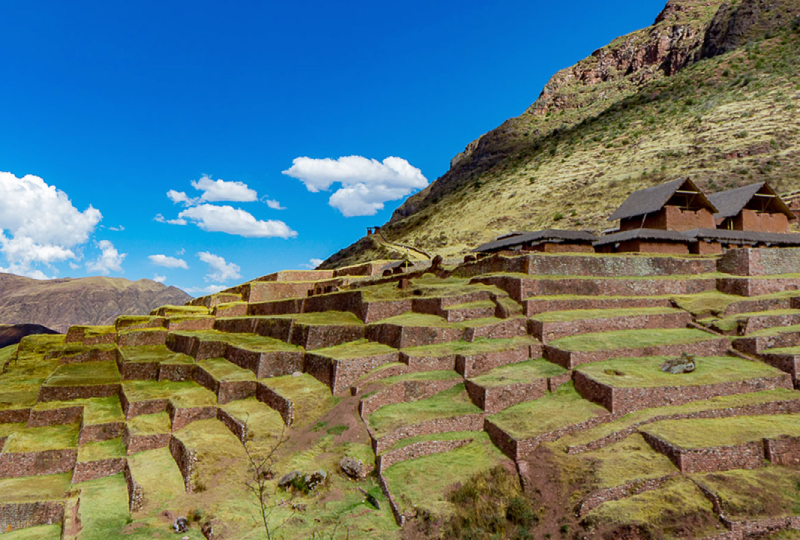
Huchuy Qosqo Hike – Full day
HUCHUY QOSQO: ADVENTURE, HISTORY, AND NATURE IN ONE DAY Perched high above the Sacred Valley,...
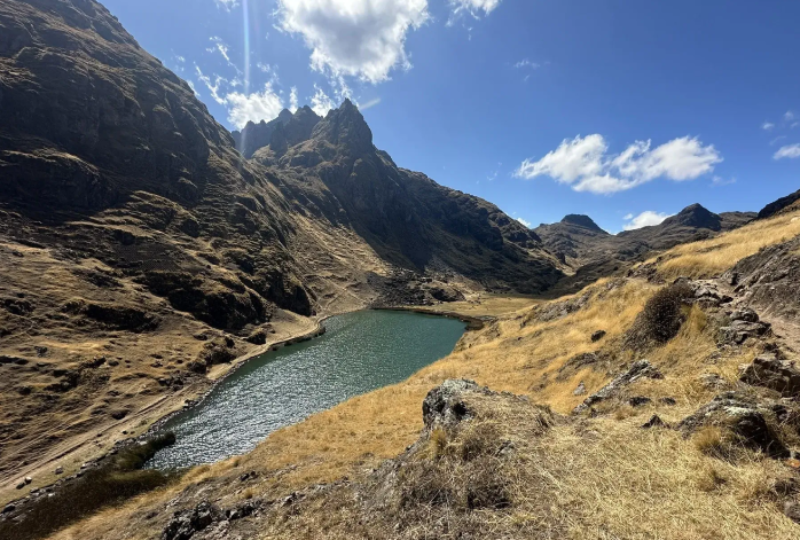
Pisac Lakes Trek: Three Sacred Andean Lagoons
A ONE-DAY ADVENTURE THROUGH HIGH-ANDES LAGOONS NEAR CUSCO Discover three high Andean lagoons on a...
Cusco Flavor Routes: Local Cuisine and Pisco Sour
LIVE THE LOCAL FLAVORS OF CUSCO AT SUNSET Step into Cusco’s everyday life as you wander through its...

Cusco Market Tour and Local Flavors
EXPERIENCE THE AUTHENTIC MARKETS OF CUSCO LIKE A LOCAL Immerse yourself in the daily essence of...
View tourIf you liked this article and the information you found, give us 5 stars!
Table of Contents
Related blogs

7 Best Tourist Places You Need to Visit in Paraguay
7 min of reading

