Cenotes vs Cusco Hot Springs: Nature, Relaxation, and Adventure in Two Worlds
Ultima actualización en 19 November, 2025 por Waman Adventures
Last Updated on 19 November, 2025 by Waman Adventures
- Cenotes in Yucatán Mexico
- Hot springs in Cusco: ancestral energy in mountains
- Some cenotes you can visit
- Best known hot springs in Cusco
- Cenotes vs hot springs: differences
- How to get to Yucatán cenotes
- How to get to hot springs
- Practical tips for enjoying your water experience in Cusco
- Activities to complement your visit
-
Frequently asked questions about Cenotes vs Cusco Hot Springs
- Do cenotes exist in Cusco?
- Which hot springs are most recommended for relaxation?
- What temperature do hot springs in Andean region usually have?
- What is best time of year to visit them?
- Is it necessary to hire tour or can I go on my own?
- Are hot springs suitable for families with children?
- Can I visit thermal baths after trek or long hike?
- What health benefits do hot springs have?
Cenotes vs Cusco hot springs are two natural treasures. While Mexican cenotes surprise you with their mystery, crystalline waters, and jungle surroundings, Cusco’s thermal waters offer perfect space to relax among sacred mountains and ancestral energy. In this blog you’ll discover what makes these natural wonders unique, where you can visit them, and how to fully enjoy each according to your travel style. You’ll also find useful tips for planning your visit and living authentic and unforgettable experience.
Cenotes in Yucatán Mexico
A cenote is natural sinkhole characteristic of areas with limestone rock, where cave ceiling collapse or ground subsidence occurs, exposing crystalline underground waters.
These formations are common in Yucatán Peninsula, Mexico, where wide limestone platform facilitates dissolution process (karstification) caused by slightly acidic rainwater.
Unlike Peru, you won’t find authentic cenotes, as geology is different: volcanic or metamorphic rocks predominate and terrain is mountainous.

Hot springs in Cusco: ancestral energy in mountains
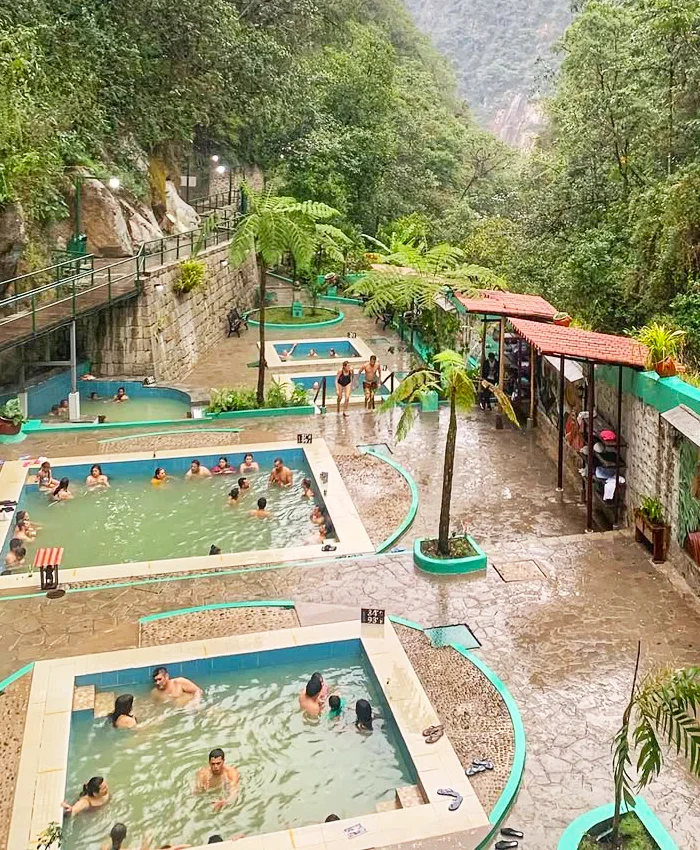
Hot springs in Cusco are natural hot water springs emerging from underground due to Andes’ geothermal activity. In this mountainous region of Peru, earth’s internal heat warms underground waters, which rise to surface loaded with minerals like calcium, magnesium, sodium, iron, and sulfates.
When you visit these thermal baths, you’ll notice they’re valued not only for their temperature, ranging between 95°F and 111.2°F (35°C and 44°C), but also for their therapeutic and relaxing properties, ideal for relieving muscle pain, improving circulation, and promoting your physical and mental wellbeing.
Expert tip:
Bring dark swimsuit and non slip sandals; thermal water minerals can stain light clothing.
Some cenotes you can visit
Cenotes near Mérida
Cenote Ik Kil
Cenote Ik Kil is probably Yucatán’s most iconic. It’s located just 3.1 miles (5 kilometers) from Chichén Itzá archaeological zone. When visiting, you can admire its vertical walls covered with roots and vines falling to water, creating magical atmosphere perfect for taking photographs.
Cenote Suytun
Cenote Suytun is one of world’s most photographed. You’ll love its circular platform in water’s center and natural light ray entering through ceiling opening, spectacularly illuminating entire space.
Cenote Dos Ojos
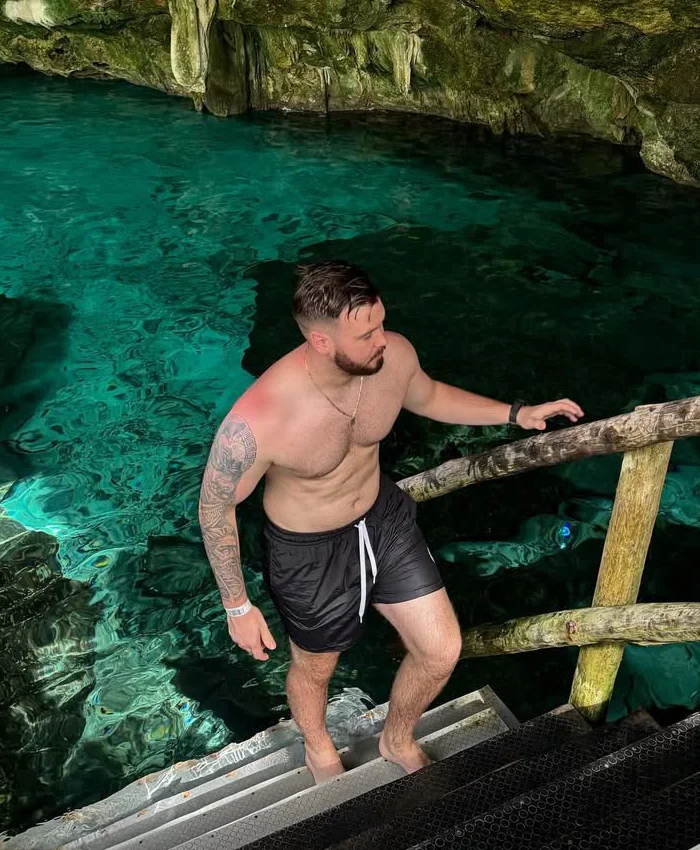
Cenote Dos Ojos is one of world’s most extensive underwater cave systems, with over 50 miles (80 kilometers) explored by divers. It receives its name from its two circular entrances or “eyes,” connected by caverns filled with crystalline water where you can swim or practice snorkeling.

Best known hot springs in Cusco
Cocalmayo
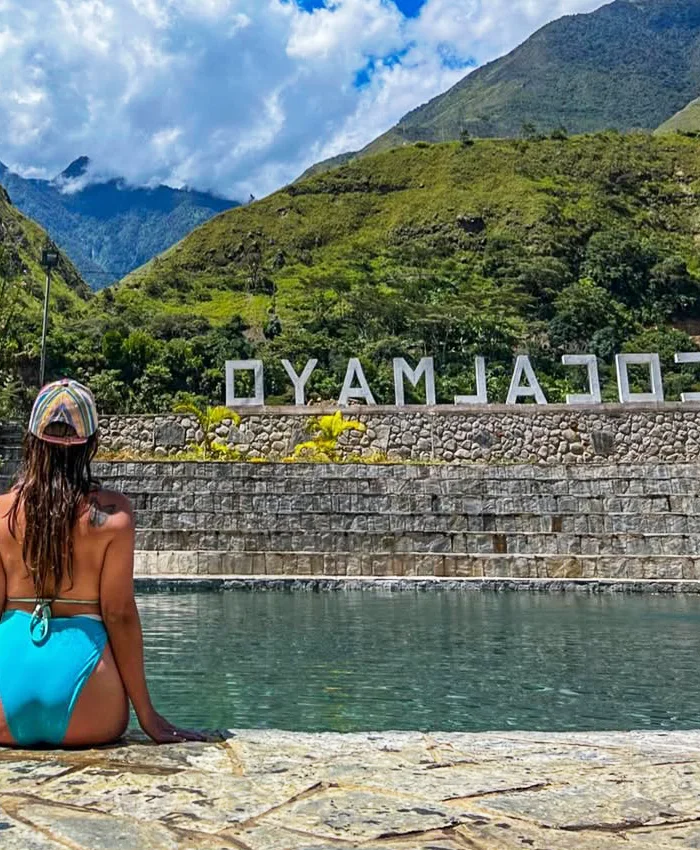
Cocalmayo hot springs, located in Urubamba River valley (Cusco region) at about 5,249 feet (1,600 m) altitude, stand out for their natural and relaxing atmosphere.
Their pools offer crystalline waters with temperatures ranging between 100°F and 111.2°F (38°C and 44°C), making them ideal for revitalizing bath after hike.
These waters are rich in minerals like calcium, magnesium, sodium, bicarbonate, and sulfates, elements conferring therapeutic properties: relief of muscle and joint pain, improved circulation, body and mind relaxation.
Lares
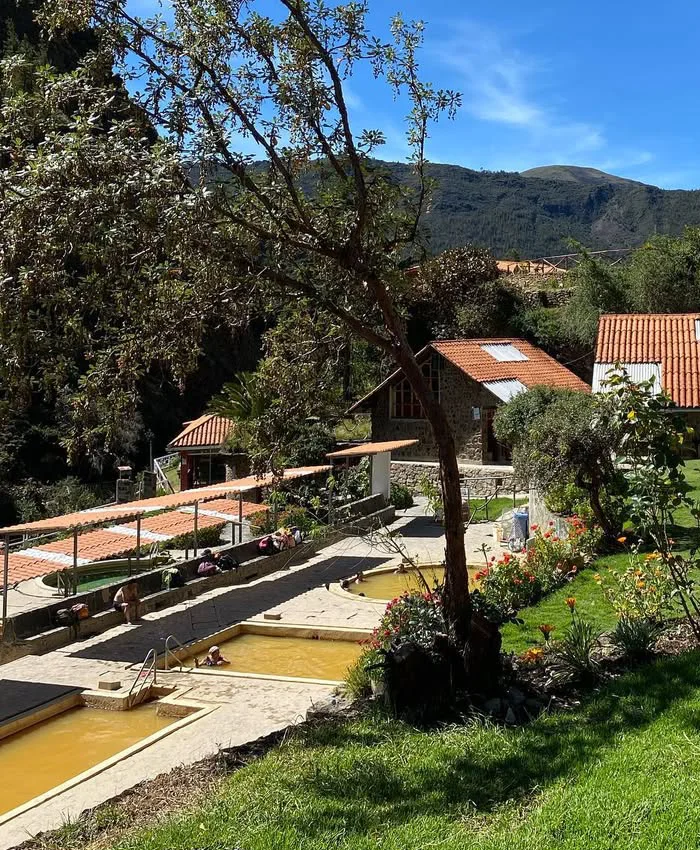
Lares hot springs are located at about 10,662 feet (3,250 meters), in valley of same name, approximately 3 hours from Cusco. This place will enchant you with its natural surroundings surrounded by mountains and tranquil atmosphere, ideal if you seek to relax away from mass tourism.
Its pools, with temperatures ranging from 96.8°F to 111.2°F (36°C to 44°C), are fed by springs rich in sodium, calcium, iron, and magnesium, minerals helping relieve stress and muscle fatigue.
Additionally, Lares preserves strong cultural value, as it’s inhabited by Quechua communities dedicated to agriculture and artisan weaving, giving it authentic charm.
Aguas Calientes
Aguas Calientes hot springs, also known as Machu Picchu Pueblo Thermal Baths, are one of most popular stops for travelers visiting Inca city.
These waters come from natural springs rich in sulfur, sodium, and calcium, known for their relaxing and detoxifying properties. They’re perfect for relieving fatigue after touring Machu Picchu or walking nearby mountain routes.
Atmosphere is tranquil and surrounded by vegetation, with basic tourist services, changing rooms, and rest areas so you enjoy moment of total wellbeing.

Cenotes vs hot springs: differences
| Aspect | Cenotes (Mexico) | Hot Springs (Cusco, Peru) |
| Origin | Limestone rock collapse. | Volcanic or geothermal activity. |
| Temperature | Cold (68–77°F / 20–25°C) | Warm (95–113°F / 35–45°C) |
| Environment | Jungle and caves | Andean mountains and valleys |
| Experience | Adventure and exploration | Relaxation and wellness |
| Access | Easy, near tourist areas | Requires transfer from Cusco |
| Water | Fresh and crystalline | Mineral with therapeutic properties |
| Culture | Sacred to Mayans | Energy and healing |
| Ideal for | Adventurous travelers. | Travelers seeking rest. |
Did you know…?
Closed cenotes (cavern type) maintain constant temperature year round, between 75.2 and 78.8°F (24 and 26°C).
How to get to Yucatán cenotes
Ik Kil
Location: 3.1 miles (5 km) from Chichén Itzá archaeological zone and about 124 miles (200 km) from Mérida.
How to get there
- By private car: from Mérida, take federal highway 180 toward Valladolid. Cenote entrance is well marked and has parking.
- On organized tour: most Chichén Itzá tours include stop at Cenote Ik Kil, very practical option if you prefer not to drive.
Suytun
Location: Just 5 miles (8 km) from Valladolid, on highway toward Tekom.
How to get there
- By car or taxi from Valladolid: journey takes 10 to 15 minutes, on paved road in good condition.
- From Mérida or Cancún: first arrive at Valladolid by ADO bus or colectivo, then take local taxi to cenote.
Cenote Dos Ojos
Location: At kilometer 240 of federal highway 307, between Tulum and Playa del Carmen.
How to get there:
- By private car: take Tulum–Playa del Carmen highway. Cenote entrance is clearly marked and access is paved.
- On tour: you can also join organized excursion including transportation, certified guide, and equipment, ideal for safely exploring underwater caves.


How to get to hot springs
Cocalmayo
Location: In Santa Teresa district, La Convención province, about 2.5 miles (4 km) from town and 124 miles (200 km) from Cusco. They’re located in Urubamba River valley, at about 5,249 feet (1,600 meters)
From Cusco
- Take bus or van toward Santa María (approximately 5 to 6 hours journey).
- From Santa María, take taxi or colectivo to Santa Teresa (1 hour).
- From Santa Teresa, you can go by mototaxi or walk to Cocalmayo (15 to 20 minutes).
Lares
Location: In Lares valley, Calca province, at about 10,662 feet (3,250 meters)
From Cusco
- Take bus or colectivo to Calca (1 hour and 30 minutes).
- In Calca, change vehicle toward Lares (2 hours and 30 minutes more).
- Hot springs are just 5 minutes from town, accessible on foot or by local taxi.
Aguas Calientes
Location: Inside Aguas Calientes town (Machu Picchu Pueblo), about 10 minutes walk from train station.
From Cusco
- Take train to Aguas Calientes from Ollantaytambo (total journey 3.5 to 4 hours).
- Once in town, follow Pachacútec street north to thermal baths entrance.

Practical tips for enjoying your water experience in Cusco
- Don’t stay too long in very hot waters; ideal is maximum 20 minutes per session.
- Respect natural environment and avoid using soaps, creams, or polluting products inside pools.
- Maintain calm and respectful behavior with local communities and other visitors.
- Bring ecological or waterproof bag to safely store your belongings.
- If you travel during rainy season (November to March), verify road conditions before leaving.
Activities to complement your visit
- Visit local markets and try typical products like choclo, Andean cheese, or La Convención Valley coffee.
- Take short walks or light excursions through valleys and mountains surrounding thermal baths; they’re ideal for enjoying landscapes and observing local fauna.
- Combine your visit with cultural experiences, like weaving, ceramics, or traditional agriculture workshops.
- Enjoy local gastronomy in small restaurants in nearby towns.
Exploring cenotes vs Cusco hot springs is entering two distinct worlds where nature and culture intertwine. Each destination holds story, rhythm, and unique energy connecting you with earth and water in special way. In this blog we show you their differences, charms, and tips so you live both experiences to fullest. Plan your visit, choose destination best suited to your travel style, and let yourself be guided by experts. At Waman Adventures, we help you organize every detail of your adventure.
Frequently asked questions about Cenotes vs Cusco Hot Springs
Do cenotes exist in Cusco?
No. Cenotes are formations typical of regions with limestone soil, like Yucatán (Mexico). In Cusco, Andean geology doesn’t allow their formation; instead, you’ll find natural hot springs fed by volcanic and geothermal activity.
Which hot springs are most recommended for relaxation?
Best known and most visited in Cusco are:
- Cocalmayo (Santa Teresa): Large pools with crystalline waters, surrounded by green mountains and with average temperature of 100°F to 111.2°F (38°C to 44°C). They’re perfect for relaxing after Salkantay Trek.
- Lares (Calca Valley): Thermal baths situated at over 10,499 feet (3,200 m) above sea level, surrounded by Quechua communities and nature. Ideal if you seek tranquility and cultural contact.
- Aguas Calientes (Machu Picchu Pueblo): Very popular among visitors arriving from Machu Picchu. They’re easy to access and surrounded by vegetation.
What temperature do hot springs in Andean region usually have?
Cusco hot springs usually have temperatures ranging from 95°F to 111.2°F (35°C to 44°C), depending on their depth and origin.
What is best time of year to visit them?
Dry season, between April and October, is most recommended for visiting thermal baths, as days are sunny and roads are in good condition. At any time of year, hot springs offer perfect contrast with cold Andean climate, making them pleasant and comforting experience.
Is it necessary to hire tour or can I go on my own?
You can arrive on your own in local transportation or private vehicle. However, if you prefer comfort and guidance, there are organized tours including transportation, entrance fees, and free time to bathe.
Are hot springs suitable for families with children?
Yes, they’re safe and family friendly. Only recommended:
- Avoid children staying too long in hottest pools.
- Supervise them at all times, as edges can be slippery.
- Bring drinking water and sunscreen, especially at Cocalmayo, where sun can be strong.
Can I visit thermal baths after trek or long hike?
Yes, and in fact it’s one of best ways to recover after demanding routes like Salkantay Trek, Inca Trail, or Lares Trek. Bathing in hot springs helps relax muscles, reduce inflammation, and improve circulation, allowing your body to recover faster from physical effort.
What health benefits do hot springs have?
Cusco hot springs are rich in natural minerals like calcium, magnesium, sodium, iron, and sulfur, which help you relax muscles, improve blood circulation, and relieve joint or rheumatic pain.

Share:



Related tours you might be interested in
Enjoy unique experiences in Cusco and Machu Picchu with the peace of mind that comes from working with a local travel agency

Tour to Chinchero, Maras & Moray – Private Service
Discover with us this beautiful, charming and historic places, where we will visit the enigmatic...

2-Day Trip to Machu Picchu from Cusco with Machu Picchu Mountain
LIVE A UNIQUE EXPERIENCE EXPLORING THE BREATHTAKING LANDSCAPES ON A 2-DAY JOURNEY TO MACHU PICCHU...
6-Day Tour Cusco, Sacred Valley, Machu Picchu and Rainbow Mountain
EXPERIENCE THE MAJESTY OF THE INCAS: SACRED VALLEY, MACHU PICCHU & RAINBOW MOUNTAIN IN ONE TRIP If...

6 Day Andean Adventures Tour│With Flights from Chile
ENJOY THE BEST OF CUSCO CITY – MUST VISIT DESTINATIONS ARE WAITING FOR YOU! Want to explore Cusco...
If you liked this article and the information you found, give us 5 stars!
Table of Contents
Related blogs