Cusco and Mexico City: Explore Their Traditions, Flavors, and Living Heritage
Ultima actualización en 15 June, 2026 por Leandra
Last Updated on 15 June, 2026 by Leandra
- Cusco vs Mexico City
- History and culture of each city
- Costs and travel budget
- Best time to visit Cusco and Mexico City
- Gastronomy and culinary experiences
- Transportation and accessibility
- Cusco and Mexico City according to your preference
-
Frequently asked questions about Cusco vs Mexico City
- Which is more economical to travel from US?
- Which is better for short trip (3–5 days)?
- Do I need visa to travel to Peru or Mexico?
- Does altitude sickness affect in Cusco?
- Which is safer for tourists?
- How is gastronomy in each destination?
- What nearby places can’t I miss?
- Can both destinations be combined in same trip?
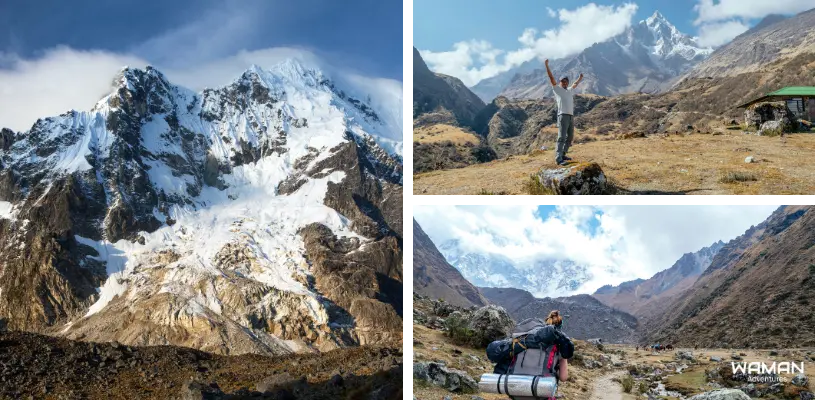
Choosing between Cusco vs Mexico City can be challenging, as both offer rich culture and unforgettable experiences. In Cusco, you’ll explore the living Inca legacy, stunning Andean scenery, and iconic routes like the Inca Trail. Mexico City, on the other hand, immerses you in a vibrant metropolis filled with historical landmarks, world-class museums, and colorful neighborhoods such as Coyoacán, Roma, and Condesa. Here we show you everything you need to know to choose your next adventure.
Cusco vs Mexico City

Cusco
- Foundation: there is no exact founding date, but it’s estimated it began as pre Inca settlement between 11th and 12th centuries.
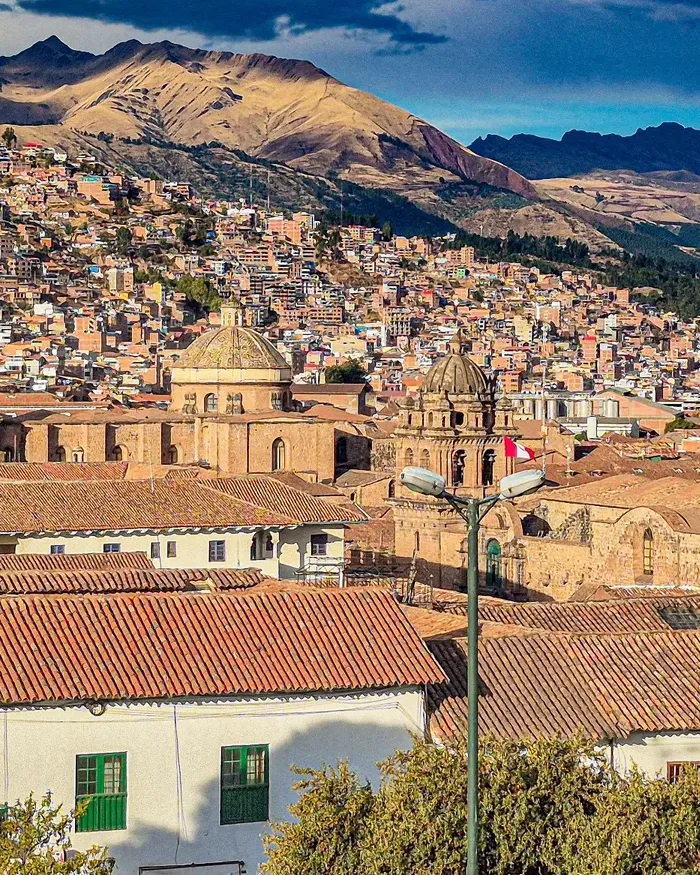
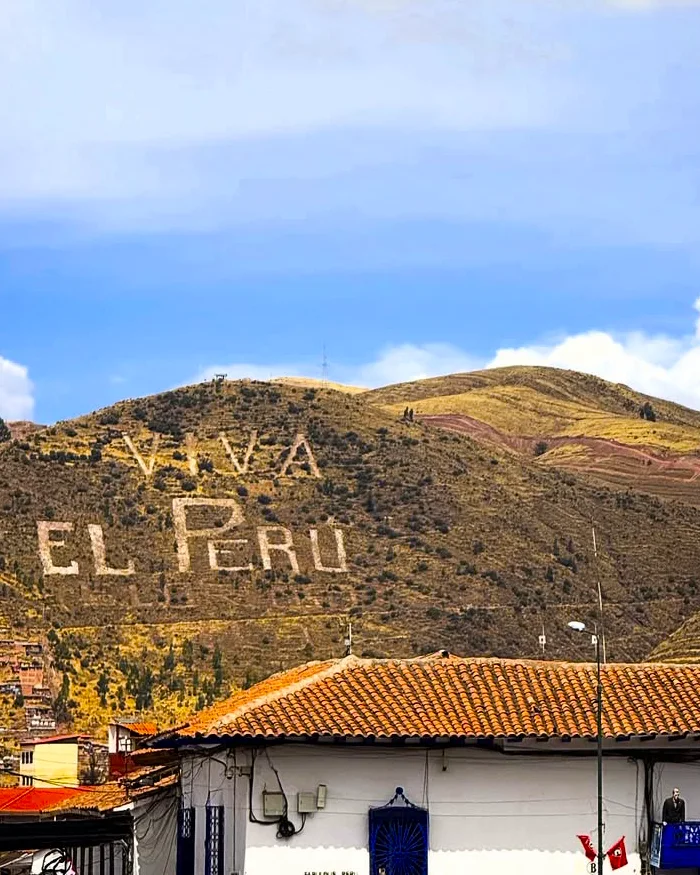
- History: before Incas, area was already occupied by Killke culture. Later, during Inca Pachacútec’s government, Cusco was redesigned and expanded until becoming Inca Empire capital. With Spanish arrival, many of its structures were adapted, destroyed, or rebuilt with colonial architecture. Today you can still admire impressive Inca walls, like those of Qorikancha.
- Altitude: city is located at 11,155 feet (3,400 meters) above sea level.
- Population: according to 2017 data, Cusco district had around 114,630 inhabitants, while entire urban area exceeded 428,000, making it one of most populated cities in Peruvian Andes.
- Heritage: Cusco was declared World Heritage Site by UNESCO in 1983, under denomination “City of Cuzco,” for its extraordinary historical, monumental, and cultural value.
- Geographic / climatic characteristics: has dry seasons (May to October) with clearer skies, and rainy seasons (November to March) where rainfall can be intense and roads more difficult. Air is generally dry; nights can be cold.
- Currency: Peru’s official currency is sol (S/). One sol equals approximately 1.24 Mexican pesos or $0.26 US dollars (variable exchange rate).
Mexico City
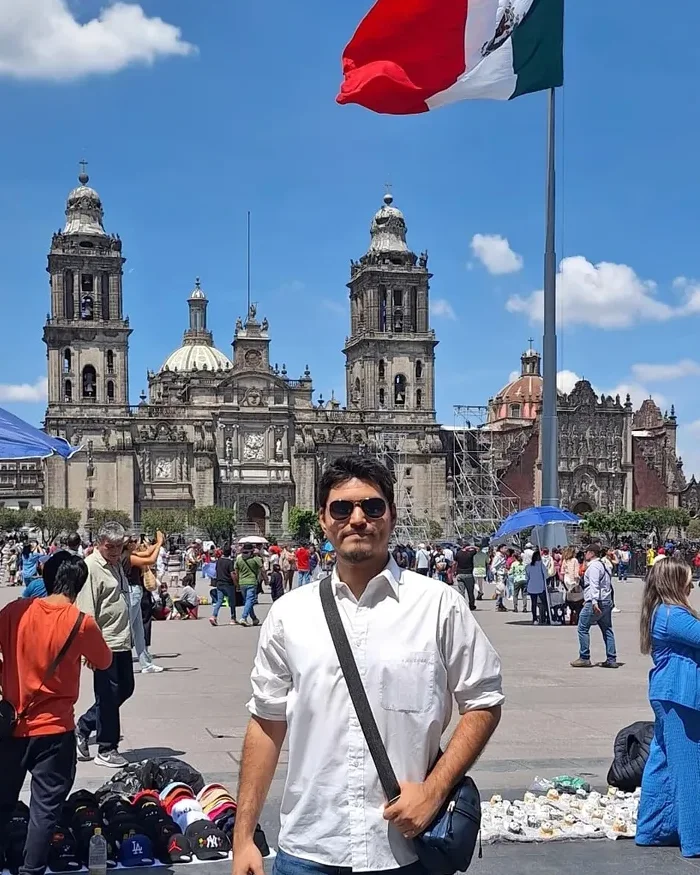
- Foundation: was founded as Tenochtitlan by Mexicas around year 1325 AD, on islands of Lake Texcoco. After Spanish conquest in 1521, it was destroyed and then rebuilt as colonial city.
- History: Tenochtitlan became one of largest and most advanced cities in Mesoamerica, with notable development in hydraulic engineering, commerce, and urban organization. After conquest, it became capital of Viceroyalty of New Spain, maintaining its role as political and cultural center.
- Altitude: city is located at 7,350 feet (2,240 meters) above sea level.
- Population: today has around 9.2 million inhabitants within city, while metropolitan area exceeds 21 million, making it one of world’s largest urban areas.
- Geographic / climatic characteristics: climate is characterized by two main seasons. Dry season, from November to April, with sunny days and clear skies, ideal for touring city. And rainy season, from May to October, when precipitation is frequent, especially in afternoon and evening. Unlike Cusco, Mexico City’s climate is temperate most of year, although mornings and nights can be cool.
- Currency: Mexico’s official currency is Mexican peso (MXN or $). Circulates in bills of 20, 50, 100, 200, 500, and 1000 pesos, and coins of 1, 2, 5, 10, and 20 pesos. One peso equals approximately 0.21 Peruvian soles or $0.058 US dollars (exchange rate may vary).

Did you know…?
Mexico City is one of world’s largest urban areas, with over 21 million inhabitants in its metropolitan area.
History and culture of each city
Cusco
- Origin: From 13th century, Incas transformed Cusco into their power center and modified its urban layout to reflect their worldview.
- Capital: Cusco consolidated as capital of Tawantinsuyo, vast Inca Empire that came to encompass large part of South America. City was designed in shape of puma, sacred animal, and divided into neighborhoods representing four suyos or empire regions.
- World recognition: In 1972, Peruvian government declared Cusco Cultural Heritage of Nation. Later, in 1983, UNESCO recognized it as World Heritage Site, highlighting its unique historical and cultural value, where Inca remains coexist with Spanish colonial architecture.


Mexico City
- Origin: City’s history begins in 1325 AD, when Mexicas founded Tenochtitlán on island in Lake Texcoco.
- Capital: After Spanish conquest in 1521, Tenochtitlán was destroyed and, on its ruins, Mexico City was built, becoming capital of Viceroyalty of New Spain for nearly 300 years. After independence in 1821, city continued being country’s capital.
- World recognition: In 1987, UNESCO declared Mexico City Historic Center and Xochimilco as World Heritage Site, highlighting unique fusion between pre Hispanic vestiges, colonial architecture, and vibrant modern cultural life.
Costs and travel budget
| Destination | Basic expense (USD/day) | Mid range expense (USD/day) | Key factors |
| Cusco | 47 – 70 | 120 | Most expensive is visiting Machu Picchu covering entrance, train, and guide. Local lodging and food are economical. Transportation within city also accessible. |
| Mexico City | 74 | 209 | International flights usually cheap. Street food and transportation very economical, but gourmet gastronomy and nightlife raise budget. |
Best time to visit Cusco and Mexico City
Cusco
Dry season (April-September)
- In this season you can enjoy trekking, excursions, and archaeological site visits without worrying about rain. July and August are driest months, although also coldest during night.
Shoulder season (April-May) and (October-November)
- These months are ideal if you prefer avoiding greatest tourist influx and finding places bit quieter.
Rainy season (December-March)
- If you travel in this time, you must consider that rains are frequent, especially in afternoons. Roads and trails can become slippery or even inaccessible, complicating trekking routes.

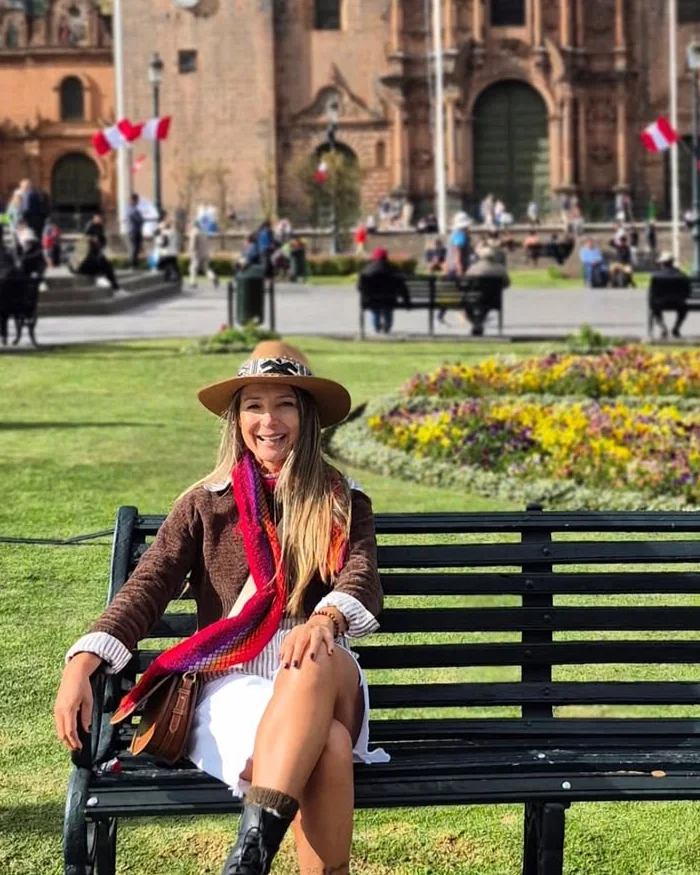
Expert tip:
If you visit Cusco, plan at least 2 days to acclimatize before trekking or high altitude excursions.
Mexico City
Spring (March-May)
- During spring you’ll enjoy temperate climate, with pleasant days and cool nights. May is usually warmest month, just before frequent rains begin.
- It’s ideal time for outdoor strolls, touring museums, visiting traditional neighborhoods, and climbing viewpoints.
Fall (September-November)
- In fall climate is pleasant and rains decrease, especially after October. It’s good time to enjoy urban tourism without so much precipitation.
Winter (December-February)
- Winter in Mexico City isn’t as cold as in higher latitudes, but nights can be cool.
- In some elevated areas minimum temperatures are more marked, although in general it remains comfortable time for touring city.

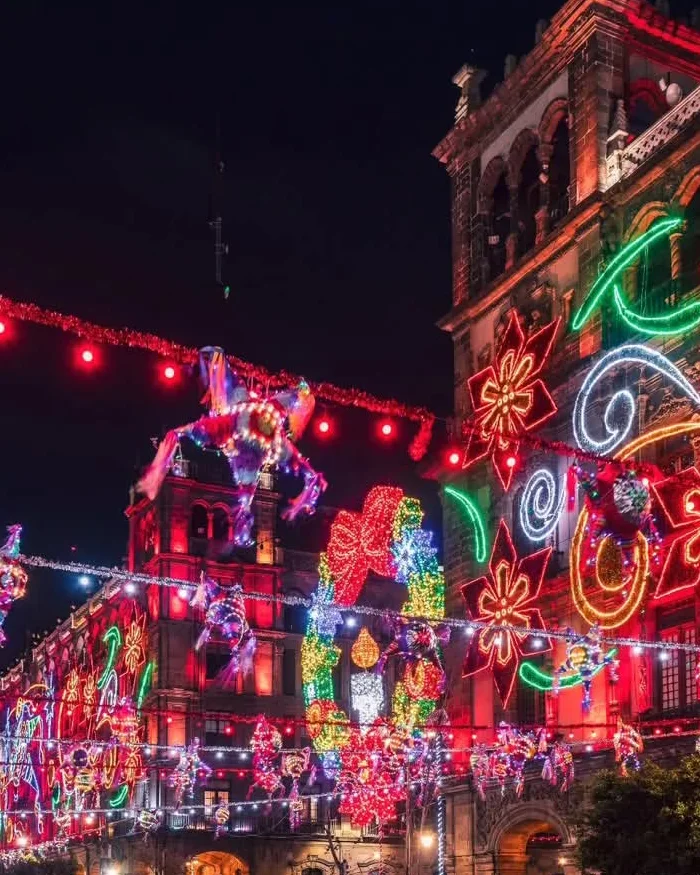
Gastronomy and culinary experiences
Cusco
- Chiri Uchu: is typical festive dish of Corpus Christi, combining ingredients from coast, highlands, and jungle in single preparation.
- Baked cuy: prepared in oven and served accompanied by potatoes, corn, and salad. It’s one of most representative dishes of Cusco gastronomy.
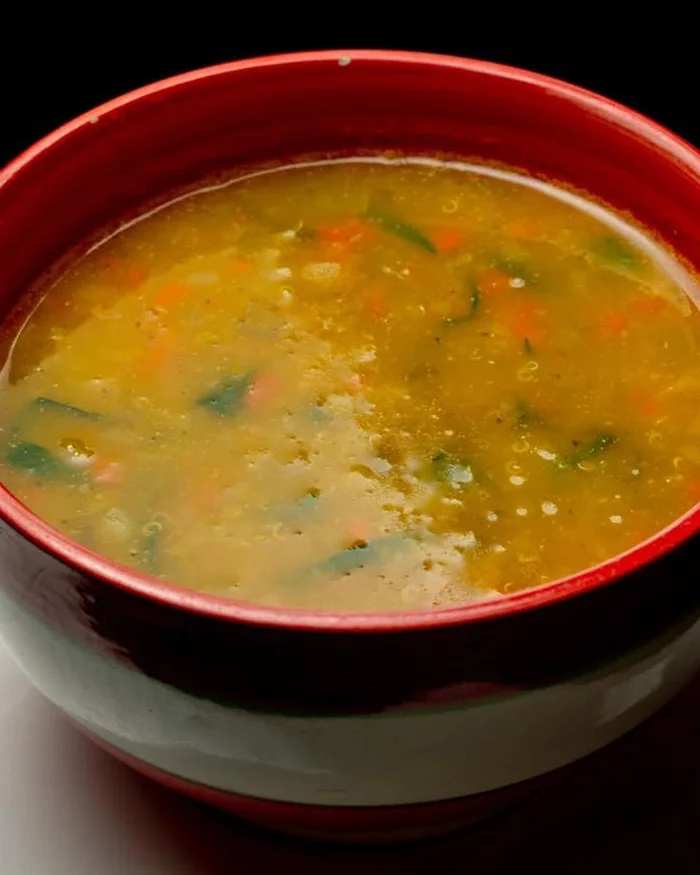
- Quinoa soup: nutritious Andean soup made with quinoa, lamb or beef meat, and chuño, ideal for high altitude climate.
- Mate de coca: is traditional infusion that helps relieve altitude sickness and improves digestion.
- Chicha de jora: is ancestral beverage made from fermented corn, which in Inca times was used in rituals, festivities, and offerings to Pachamama.
Mexico City
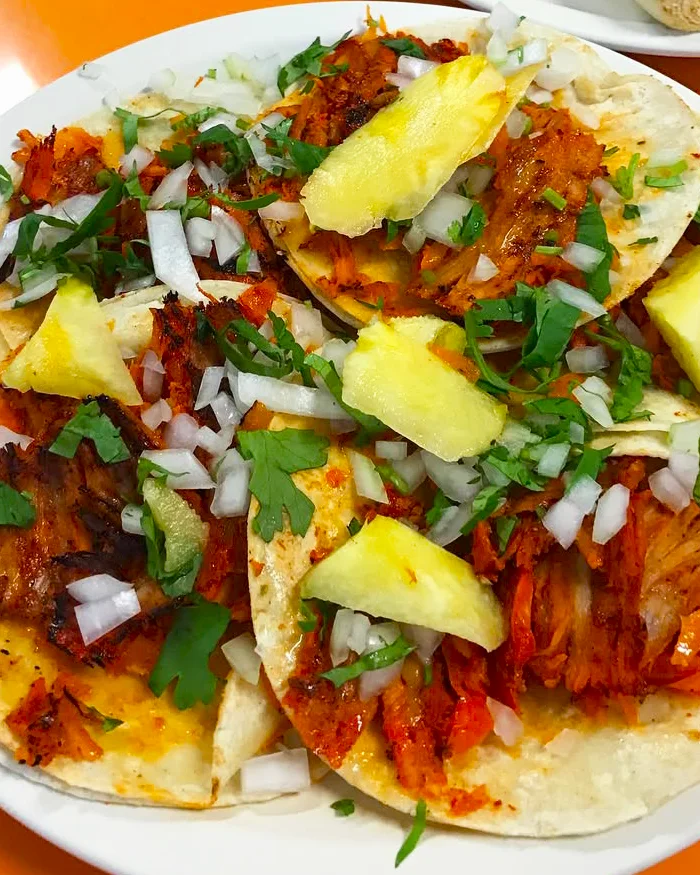
- Tacos al pastor: prepared with marinated pork cooked on spit, served with pineapple, onion, and cilantro. They’re city’s most representative street food.
- Tlacoyos, sopes, huaraches: are made with corn dough. You can find them stuffed or covered with beans, cheese, or other typical ingredients.
- Tamales: made from corn dough, can be filled with chicken, pork, beans, rajas with cheese, or even sweet versions.
- Elotes and esquites: are made from tender corn on cob or in grain, prepared with mayonnaise, cheese, chili powder, and few drops of lime. Very popular street snack.
Transportation and accessibility
Cusco
Air arrival
- You’ll arrive at Alejandro Velasco Astete Airport, located about 15 minutes from city center.
Access to Machu Picchu
- You can take trains from Poroy or Ollantaytambo to Aguas Calientes, operated by PeruRail and Inca Rail.
- From Aguas Calientes, official buses take you to sanctuary entrance.
- To enter, you need official ticket with assigned date and circuit, which must be purchased in advance.
Mexico City
Air arrival
- You’ll arrive at Benito Juárez International Airport, one of busiest in Latin America.
Mass public transportation
- City has metro with 12 lines, approximately 124 miles (200 km) extension, and 195 stations.
- Additionally, Metrobús, with articulated buses in exclusive lanes, connects main avenues.
Alternative mobility
- You can also use Ecobici, public bicycle system ideal for touring areas like Reforma, Condesa, and Polanco.
- Another option are mobility apps like Uber, DiDi, and Beat, plus authorized taxis at official stands.
Cusco and Mexico City according to your preference
Choose Cusco if you seek:
- Getting to know Inca history and legacy up close.
- Living nature and adventure traveling through mountains, doing high altitude trekking, or exploring routes like Inca Trail and Rainbow Mountain.
- Enjoying accessible costs: lodging and food are usually more economical, although visiting Machu Picchu involves greater expense.
- Tasting varied and authentic Andean gastronomy.
Choose Mexico City if you prefer:
- Complete cultural experience: city has over 150 museums and historic and modern neighborhoods like Coyoacán, Roma, and Condesa.
- Trying diverse gastronomy, ranging from street tacos to world famous restaurants.
Cusco vs Mexico City are not just tourist destinations, they’re experiences that connect you directly with Latin America’s history and culture. In both you’ll discover unique flavors and corners that will remain engraved in your memory. If you want to plan your trip from arrival, stay, and each tour, at Waman Adventures we’ll help you organize everything. Contact us at +51 979 858 544 and prepare to choose destination that best suits you. Your next adventure is closer than you imagine.
Frequently asked questions about Cusco vs Mexico City
Which is more economical to travel from US?
Mexico City is usually more accessible due to flight proximity and offering wide range of prices in lodging and food. Cusco can be cheaper day to day, but visiting Machu Picchu (ticket, train, and guide) considerably increases budget.
Which is better for short trip (3–5 days)?
Mexico City is more recommended for short stays thanks to its air connectivity and variety of urban attractions.
In contrast, Cusco requires more planning, as you must acclimatize to altitude and have sufficient time for Sacred Valley or Machu Picchu excursions.
Do I need visa to travel to Peru or Mexico?
Depends on your nationality. In case of US citizens:
- Peru: You don’t need tourist visa for stays under 90 days.
- Mexico: You don’t require tourist visa for stays under 180 days.
Does altitude sickness affect in Cusco?
Yes. Cusco is at 11,155 feet (3,400 meters) above sea level and many travelers present altitude sickness symptoms. Ideal is to acclimatize at least 24–48 hours, stay hydrated, avoid alcohol and intense physical effort, and consider preventive medication under medical recommendation.
Which is safer for tourists?
Both require precautions. In Mexico City, avoid non tourist neighborhoods at night and use authorized transportation. In Cusco, main risk is petty theft and scams, although most important is caring for your health against altitude.
How is gastronomy in each destination?
In Cusco you can enjoy Andean cuisine with dishes like baked cuy, quinoa soups, and traditional picanterías. In Mexico City you’ll find everything from street tacos and markets like La Merced to high cuisine proposals and rooftop bars.
What nearby places can’t I miss?
- In Cusco: Machu Picchu, Sacred Valley, Rainbow Mountain, and more.
- In Mexico City: Teotihuacán, Xochimilco, and Puebla.
Can both destinations be combined in same trip?
Yes, although it’s not most efficient for short itineraries. Requires long international flights and considering acclimatization time in Cusco. Recommendable is planning at least two weeks if you want to visit both destinations.