


How to Prepare for the Choquequirao Trek with Training and Gear
Ultima actualización en 12 October, 2026 por Jhon Quispe
Last Updated on 12 October, 2026 by Jhon Quispe
How should you prepare for the Choquequirao Trek?
Prepare for Choquequirao by training for sustained climbs and long descents, building hiking endurance over about 8–12 weeks if you do not already hike regularly, practicing consecutive hiking days and testing your footwear, trekking poles and daypack before departure. Allow time to acclimatize in Peru and confirm current trail access, weather and operator logistics shortly before the trek.
- Choquequirao preparation at a glance
- Fitness baseline for Choquequirao preparation
- Choquequirao Trek training timeline
- Train for steep descents as well as climbs
- Build Choquequirao-specific hiking endurance
- Acclimatize before the Choquequirao Trek
- Test your trekking gear before departure
- Packing essentials for the Choquequirao Trek
- Know what the route will demand before you start
- Pre-departure trail and road checks
- Choosing a reliable Choquequirao operator
- Common Choquequirao preparation mistakes
- Prepare for Choquequirao before choosing your trek dates
-
Frequently asked questions about how to prepare for Choquequirao
- Can a beginner prepare for the Choquequirao Trek?
- How many training days per week should I plan?
- Should I train on consecutive days?
- How heavy should my training daypack be?
- What should I do during the final week before Choquequirao?
- Should I practice with trekking poles before departure?
- What should I confirm with my operator before the trek?
- What trail conditions should I check before leaving?
Choquequirao preparation is less about reaching elite fitness and more about training specifically for the terrain. The route repeatedly descends into the Apurímac Canyon and climbs back out, so your legs need to handle uphill effort, controlled descents and accumulated fatigue over consecutive days.
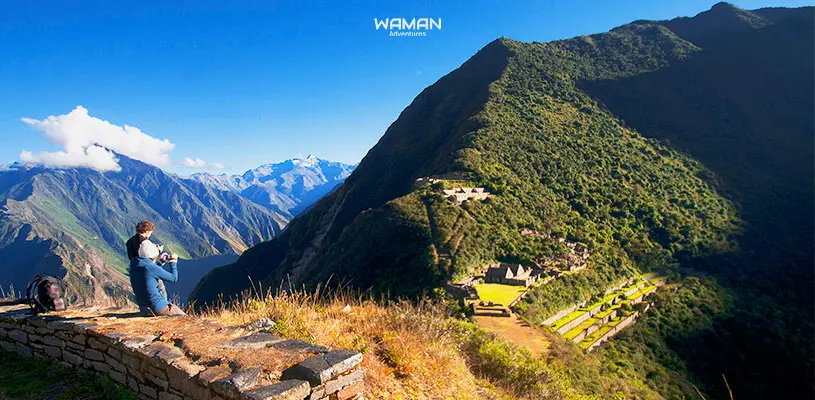
Choquequirao preparation at a glance
| Preparation area | What to focus on |
| Training timeline | About 8–12 weeks or more if you do not already hike regularly |
| Main physical goal | Build endurance for repeated long climbs and descents |
| Most useful training | Hills, stairs, longer walks and consecutive hiking days |
| Strength priority | Quadriceps, glutes, calves and core |
| Equipment practice | Use the footwear, trekking poles and daypack you expect to carry |
| Altitude preparation | Allow time to acclimatize before beginning the trek |
| Final checks | Trail access, weather, operator details and personal equipment |
Fitness baseline for Choquequirao preparation
You do not need competitive-athlete fitness, but you should be comfortable walking for several hours on uneven terrain and repeating substantial effort on consecutive days.
The practical preparation test is whether you can sustain an uphill walk without exhausting yourself early, descend for an extended period without excessive knee or quadriceps fatigue and return for another meaningful hike the following day.
The route itself is demanding because of its steep terrain and major elevation changes, but detailed difficulty analysis belongs to the Choquequirao Trek difficulty guide.
Choquequirao Trek training timeline
The amount of preparation you need depends on your current activity level. Someone who already hikes regularly does not need the same buildup as someone beginning from a mostly sedentary routine.
8–12 weeks or more before departure
Build a consistent aerobic base and become comfortable walking for longer periods. At this stage, regular movement matters more than making every workout difficult.
- Walk or hike several times each week.
- Add hills whenever possible.
- Gradually increase the duration of your longer sessions.
- Use cycling, swimming or running as supplemental cardio if those activities already suit you.
- Avoid sudden jumps in training volume.
4–8 weeks before departure
Make your training more specific to the terrain you will encounter at Choquequirao.
- Choose routes with sustained climbing and descending.
- Use stairs when hills are not available.
- Increase the length of one weekly hike.
- Begin carrying the daypack you expect to use.
- Add gradual leg-strength work appropriate to your current fitness.
2–3 weeks before departure
Introduce consecutive hiking days so you can experience accumulated fatigue before the actual trek.
You do not need to reproduce the entire Choquequirao itinerary at home. The objective is to learn how your body responds after several hours of walking when you need to hike again the next day.
The final week
Reduce training volume rather than trying to gain last-minute fitness. Use the final days to recover, organize your equipment and avoid arriving with unnecessary fatigue or a new training injury.
Adjust the timeline to your current fitness
| Your current activity level | Preparation approach |
| Little regular exercise | Start well in advance and build gradually; 8–12 weeks or more can be useful |
| Regular cardio but little hiking | Prioritize hills, controlled descents and longer walks |
| Regular recreational hiker | Focus on consecutive days, pack weight and steep terrain |
| Experienced mountain hiker | Maintain fitness and focus on route-specific logistics, equipment and acclimatization |
The goal is not to complete an arbitrary number of training weeks. It is to arrive able to manage repeated steep walking without turning every stage into a maximum-effort day.
Train for steep descents as well as climbs
Many hikers prepare for Choquequirao by focusing only on uphill fitness. That leaves out a major part of the route.
Long descents create repeated eccentric loading in the quadriceps and can produce substantial fatigue around the knees and legs. This matters because major descents into the canyon are followed by significant climbing.

The infographic organizes a week of cardiovascular preparation with varied-intensity sessions
Useful downhill preparation
- Include controlled descents during training hikes.
- Practice walking down stairs instead of only climbing them.
- Use shorter, controlled steps on steep terrain.
- Learn to use trekking poles before departure.
- Increase downhill training gradually instead of adding one very large session suddenly.
Keep this in mind:
Comfortable descending matters almost as much as aerobic fitness on a route with major elevation changes. Practice controlled downhill walking before the trek rather than training only for climbs.
Build Choquequirao-specific hiking endurance
Cardiovascular fitness helps, but the most useful preparation resembles the activity you will actually perform during the trek.
Prioritize walking and hiking
Running, swimming and cycling can support aerobic fitness, but none completely replaces spending time walking uphill and downhill on your feet.
Gradually increase the duration of longer hikes and use uneven terrain whenever practical.
Strengthen the legs and core
Simple movements such as step-ups, controlled squats, lunges and calf raises can support hiking preparation when they are appropriate for your current fitness level.
The objective is not bodybuilding. You are preparing your legs to repeat thousands of climbing and descending steps while maintaining balance on irregular terrain.
Train with your daypack
Once you have a stable hiking routine, start practicing with approximately the personal load you expect to carry on the trek.
Do not suddenly add a very heavy backpack. Confirm with your operator how much luggage support is included so your training reflects the load you will actually carry.
Practice back-to-back hiking days
A single long hike does not show how your body will respond during a multi-day trek. During your preparation period, complete a moderate hike and follow it with another walking or hiking session the next day on one or two occasions.
This helps you evaluate:
- how quickly your legs recover;
- whether your footwear creates blisters;
- how your daypack feels after several hours;
- whether your trekking poles are adjusted correctly;
- how much food and water you realistically use during a hiking day.
If the first session leaves you completely exhausted, reduce the training load instead of forcing the second day. The objective is adaptation, not proving how much discomfort you can tolerate.
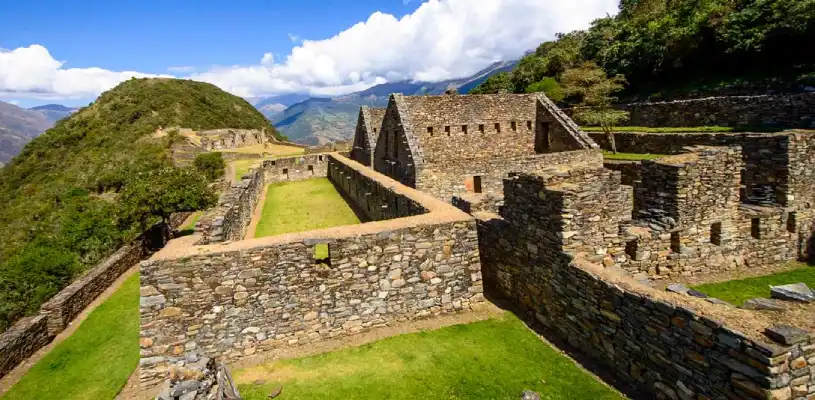
Acclimatize before the Choquequirao Trek
Choquequirao includes substantial elevation changes, so beginning the trek immediately after arriving from sea level may make the first hiking days harder for some travelers.
Spending time in Cusco or another high-elevation location before departure gives your body an opportunity to begin adapting. The amount of time needed varies from person to person, so a fixed number of days should not be treated as a guarantee.
Acclimatization can reduce the likelihood or severity of altitude-related symptoms, but it cannot guarantee that symptoms will not occur.
Important note:
Normal hydration is useful because dehydration can make you feel worse, but drinking extra water does not prevent altitude illness. If symptoms become severe, worsen or occur at rest, stop ascending and seek appropriate medical assistance rather than relying on home remedies.
Test your trekking gear before departure
Break in your hiking shoes
Do not begin the Choquequirao Trek in footwear you have never worn for several hours.
Your shoes or boots should already have been tested during:
- long walks;
- steep descents;
- uneven terrain;
- the same type of socks you plan to use during the trek.
Reliable grip matters on dusty, rocky and wet sections. If footwear causes rubbing, heel movement or pressure during training, solve the problem before traveling rather than hoping it improves on the trail.
Practice with trekking poles
Trekking poles can improve balance on irregular terrain and reduce some of the strain felt during long descents, but they are most useful when you already know how they work.
Practice how to:
- adjust the pole length;
- shorten them for climbs;
- lengthen them slightly for descents;
- place them without obstructing other hikers;
- use the wrist straps correctly when your pole design includes them.
Do not wait until the first major descent to learn how to adjust your poles.
Packing essentials for the Choquequirao Trek
Your exact packing list depends on trek duration, season and what your operator provides, but these items are useful planning essentials.
Keep this in mind:
Before packing, confirm what your operator already provides, including tents, sleeping-bag options, meals, duffel allowance and luggage support. Carrying equipment that is already included only adds unnecessary weight.
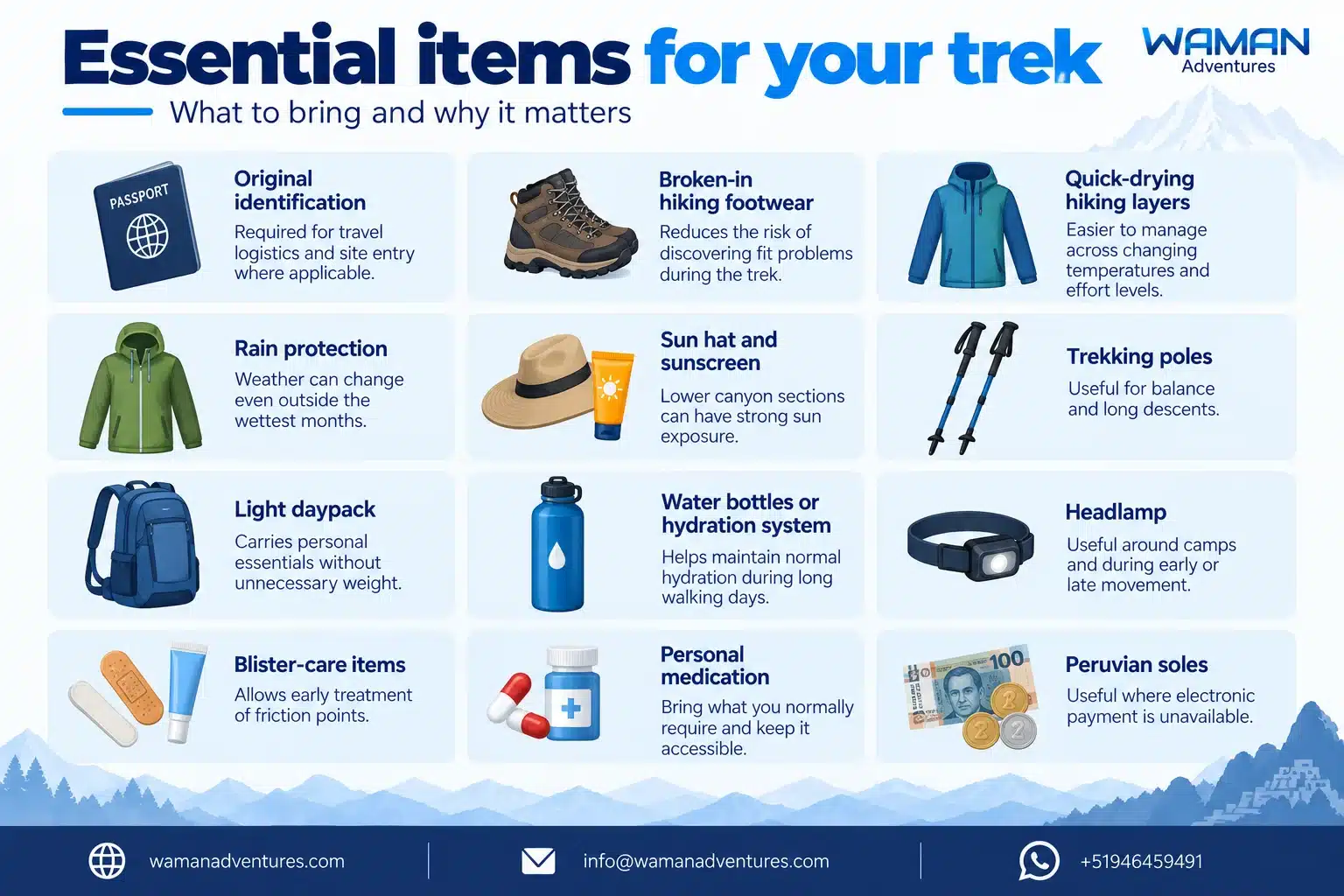
The infographic highlights practical gear for multi-day treks
Know what the route will demand before you start
Mental preparation is more useful when it is based on realistic route expectations rather than motivational slogans.
Before departure, understand that a Choquequirao itinerary can involve:
- major elevation loss and gain;
- long exposed mountain sections;
- repeated steep climbs and descents;
- basic or remote overnight conditions depending on the itinerary;
- significant temperature changes between the canyon and higher terrain;
- several days of accumulated physical effort.
Knowing this in advance makes it easier to pace yourself and prevents the first major descent or climb from feeling unexpected.

Pre-departure trail and road checks
Choquequirao access can be affected by heavy rain, landslides, maintenance or changes to local roads and trails. An itinerary downloaded months earlier should not be treated as a guarantee of current access.
Shortly before departure, confirm:
- the trailhead currently being used;
- road access to the starting area;
- temporary route closures or reopening notices;
- weather and trail conditions;
- camp or accommodation arrangements;
- whether itinerary modifications are expected.
For access routes, Huanipaca, Cachora, Capuliyoc and independent travel logistics, use the how to get to Choquequirao guide.
Choosing a reliable Choquequirao operator
Preparation also means understanding which services will be managed for you once the trek starts.
Before booking, confirm:
- whether the company appears in Peru’s official tourism-service directory;
- the exact trekking itinerary;
- which meals and camping equipment are included;
- how much luggage support is provided;
- whether sleeping bags or trekking poles are included or rented separately;
- the emergency and evacuation procedure;
- cancellation and itinerary-change conditions;
- recent traveler feedback.
You can verify tourism providers through the official MINCETUR directory of travel agencies.
Common Choquequirao preparation mistakes
- Doing only running or gym cardio without training on hills.
- Training for climbs while ignoring long descents.
- Buying new hiking shoes immediately before departure.
- Waiting until the trek to learn how to use trekking poles.
- Training without a daypack and then carrying significantly more weight during the trek.
- Trying to gain fitness during the final week instead of arriving rested.
- Assuming strong sea-level fitness guarantees easy adaptation to altitude.
- Treating extra hydration or coca products as guaranteed prevention or treatment for altitude illness.
- Ignoring current trail-access information because an older itinerary is still online.
- Booking without confirming what equipment, meals and luggage support the operator actually includes.
- Focusing only on total distance rather than repeated climbs, descents and accumulated hiking days.
Prepare for Choquequirao before choosing your trek dates
Once you can handle repeated climbs, controlled descents and consecutive hiking days with the footwear and daypack you plan to use, the next step is matching that preparation to the right itinerary. Review current access and service inclusions before booking, or talk to a travel specialist if you want help choosing a Choquequirao route that fits your experience.
Frequently asked questions about how to prepare for Choquequirao
Can a beginner prepare for the Choquequirao Trek?
Yes, but Choquequirao should not be treated as a casual first walk. A beginner should build hiking endurance gradually, practice on hills and descents and become comfortable walking for several hours on consecutive days before departure.
How many training days per week should I plan?
There is no universal number that fits every traveler. A useful preparation pattern includes several walking or hiking sessions each week, with hills or stairs when possible and one progressively longer hike as your fitness improves.
Should I train on consecutive days?
Yes. Practicing back-to-back hiking days once or twice during your preparation helps you understand how quickly your legs recover and whether your footwear, daypack and trekking poles remain comfortable after accumulated effort.
How heavy should my training daypack be?
Practice with approximately the personal load you expect to carry during the trek rather than choosing an arbitrary heavy weight. Confirm your operator’s duffel and luggage support first so your training reflects the actual service.
What should I do during the final week before Choquequirao?
Reduce training volume, recover and organize your equipment. The final week is not the time to add unusually long hikes or intense workouts in an attempt to gain last-minute fitness.
Should I practice with trekking poles before departure?
Yes, if you plan to use them. Learn how to adjust their length for climbs and descents and become comfortable placing them on uneven terrain before reaching the first steep section of the trek.
What should I confirm with my operator before the trek?
Confirm the final itinerary, meals, camping equipment, sleeping-bag arrangements, luggage allowance, emergency procedures, cancellation conditions and any equipment that must be rented separately.
What trail conditions should I check before leaving?
Confirm the current trailhead, road access, weather, temporary closures or reopening notices, campsite arrangements and any recent itinerary modifications. Use the dedicated Choquequirao access guide for route-specific logistics.
Share:



Related tours you might be interested in
Enjoy unique experiences in Cusco and Machu Picchu with the peace of mind that comes from working with a local travel agency
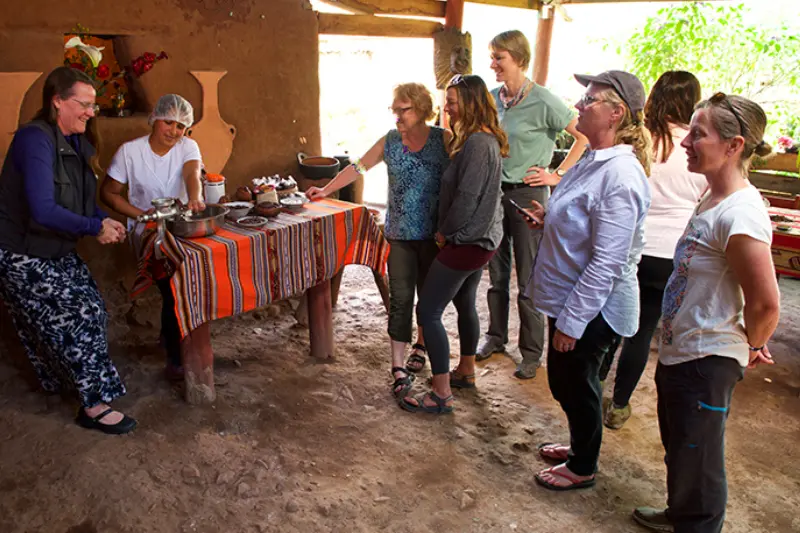
Rural and Agritourism Experience in Chichubamba
TRADITIONAL LIFE IN THE HEART OF THE SACRED VALLEY Let yourself be immersed in the mystique and...

Birdwatching Experience at Chacán Dam & Ensifera Camp
BIRD WATCHING IN CUSCO: CHACÁN & ENSIFERA CAMP Cusco is far more than history and dramatic...

Cusco Soccer Game Experience
EXPERIENCE CUSCO SOCCER LIKE A LOCAL Immerse yourself in one of Cusco’s most intense cultural...
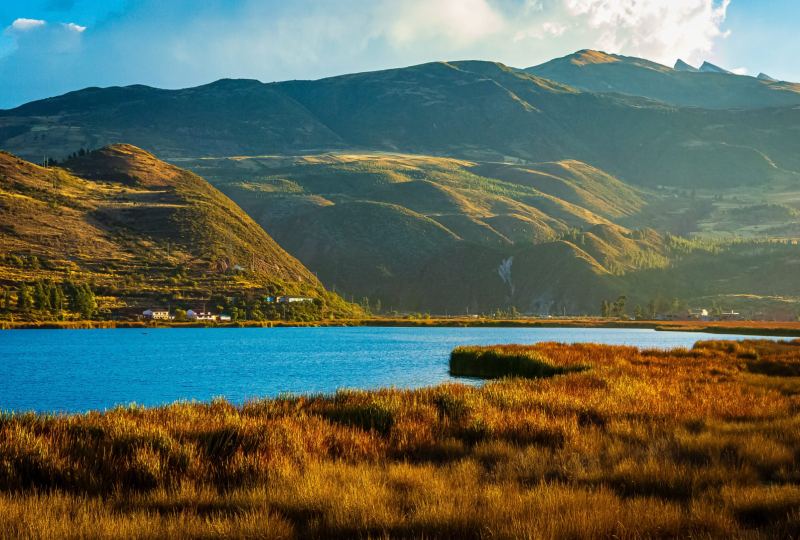
Huacarpay Birdwatching Experience
HUACARPAY: ANDEAN BIRD SANCTUARY Discover the natural richness of Huacarpay, a high-Andean wetland...
If you liked this article and the information you found, give us 5 stars!
Table of Contents
Related blogs
Experience Qeswachaka: Peru’s Best-Kept Cultural Secret
24 min of reading
Walking With the Llamas in Machu Picchu: A Journey Through Time
8 min of reading

