Before the Mountains Welcome You: The Role of Acclimatization in Cusco’s Altitude and Mystery
Ultima actualización en 24 April, 2025 por Waman Adventures
Last Updated on 24 April, 2025 by Waman Adventures
- What exactly is altitude sickness?
- Does acclimatization in Cusco really matter?
- Altitude sickness in Cusco
- Frequent symptoms
- Who is at higher risk?
- Key tips for good acclimatization in Cusco
- Preventive medication
- What to do if you feel symptoms
- Common acclimatization mistakes
- Traditional altitude-sickness remedies
- How a travel agency can help
- FAQ
If you’re planning a trip, it’s crucial to consider acclimatization in Cusco; doing so helps you avoid altitude sickness (soroche) and enjoy your journey fully. Before you start any activities, learn how your body may react to the elevation and what steps you can take to acclimate properly.
Altitude sickness, often called soroche, appears at high elevations where oxygen is lower. Travelers coming from sea level are the most likely to feel its effects.
Don’t let altitude sickness spoil your adventure. Want tips on spotting early symptoms or speeding up acclimatization? Keep reading and get ready for the ultimate experience!
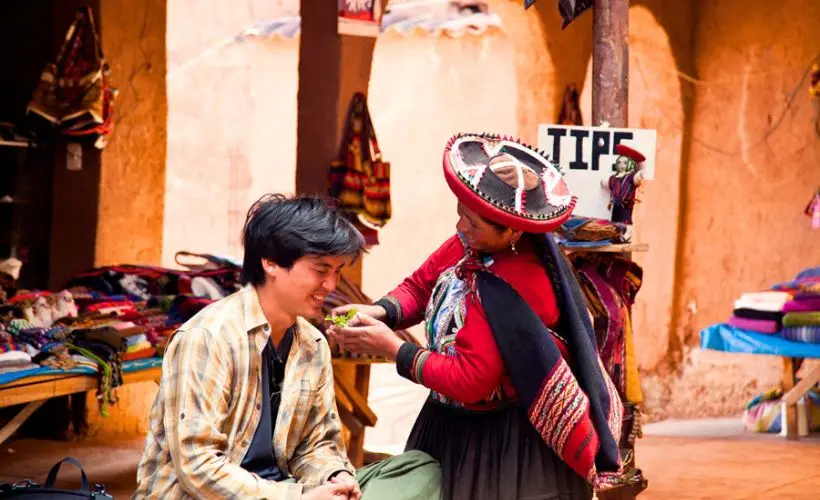
What exactly is altitude sickness?
Altitude sickness happens when the body can’t adjust to reduced oxygen at elevation. Common symptoms include:
- Headache
- Dizziness
- Nausea
- Fatigue
- Shortness of breath
It mainly affects people who rise above 2,500 m (8,202 ft) without letting their bodies adapt.
Expert tip: Soroche gets worse if you ignore the warning signs or keep pushing hard. Ascend slowly, stay hydrated and avoid intense effort the first few hours to prevent serious trouble.
Does acclimatization in Cusco really matter?
Cusco sits over 3,400 m (11,155 ft). A sudden jump from sea level can stress the body. Give yourself at least one day of rest, drink plenty of water and skip heavy exercise until you feel normal.

Acclimatization is essential to enjoy hikes at high elevation and avoid altitude sickness.
Once adjusted, you can tackle tougher activities safely and make the most of the city.
Altitude sickness in Cusco
At 3,400 m (11,155 ft), Cusco has far less oxygen. Visitors from sea level may feel dizziness or nausea, while locals, already adapted, rarely notice. That’s why acclimatization in Cusco is key.
Frequent symptoms

Shortness of breath is one of the key symptoms of altitude sickness. Don’t ignore it.
- Headache
- Nausea / vomiting
- Dizziness
- Fatigue
- Shortness of breath
- Loss of appetite
- Insomnia
Important:
Symptoms start mild but can escalate fast. Recognize them early and rest to avoid complications.
Who is at higher risk?
High-risk groups include:
- Children & older adults: lower ability to adapt quickly.
- People with heart, lung or respiratory issues: higher complication risk, get medical advice before traveling.
- Travelers who ascend too fast: arriving in Cusco then climbing higher without time to acclimate.

Take precautions if traveling with children or seniors, who are more sensitive to high altitude.
Key tips for good acclimatization in Cusco
Follow these tips for effective acclimatization in Cusco:
- Rest during the first 24 hours: avoid strenuous activity and let your body adapt.
- Hydrate constantly: drink water even if you’re not thirsty, the air is dry at altitude.
- Avoid alcohol and caffeine: both dehydrate and slow acclimatization.
- Start with gentle activities: light walks help the body adjust gradually.
- Eat light, nutritious meals: small frequent portions keep energy steady.
Preventive medication
Acetazolamide (Diamox) can speed acclimatization and ease symptoms.
Warning:
People with kidney or heart issues should consult a doctor before taking any medication.
What to do if you feel symptoms
- Rest & breathe deeply
- Drink water
- Avoid exertion
- Seek medical help if symptoms persist
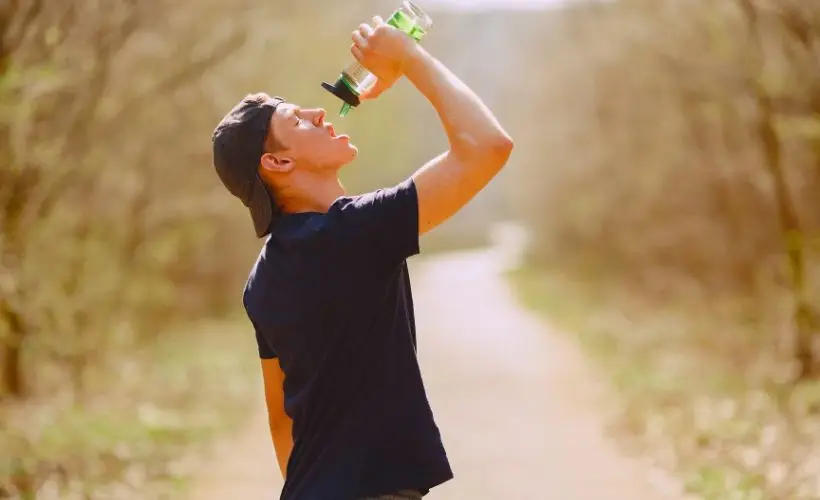
Hydration is key to keeping your body stable and avoiding discomfort at high elevation.
Common acclimatization mistakes
- Ascending too quickly
- Not resting enough
- Poor hydration
- Skipping medical advice
Traditional altitude-sickness remedies
- Coca tea: boosts blood flow; use in moderation.
- Florida water: refreshing scent; offers temporary relief.
- Muña tea: eases nausea and stomach upset.

How a travel agency can help
A trustworthy agency provides clear advice, builds in time to acclimate and offers support if serious symptoms appear. Enjoy Cusco’s culture and scenery without soroche, contact Waman Adventures for details.
FAQ
How long do you need to acclimatize in Cusco?
Is altitude sickness dangerous?
What does your agency do if someone shows symptoms?
Does the agency recommend a specific itinerary to avoid soroche?
More questions about acclimatization?
Contact us anytime for tailored advice, our team will help you acclimate smoothly and safely.

Share:

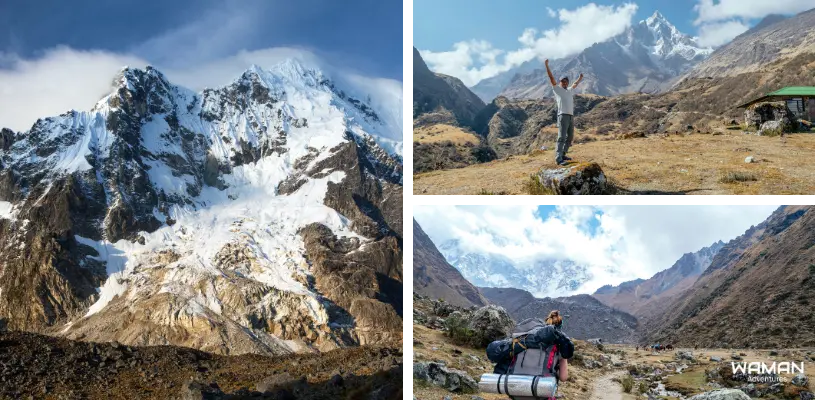


Related tours you might be interested in
Enjoy unique experiences in Cusco and Machu Picchu with the peace of mind that comes from working with a local travel agency

Tour to Chinchero, Maras & Moray – Private Service
Discover with us this beautiful, charming and historic places, where we will visit the enigmatic...

2-Day Trip to Machu Picchu from Cusco with Machu Picchu Mountain
LIVE A UNIQUE EXPERIENCE EXPLORING THE BREATHTAKING LANDSCAPES ON A 2-DAY JOURNEY TO MACHU PICCHU...
6-Day Tour Cusco, Sacred Valley, Machu Picchu and Rainbow Mountain
EXPERIENCE THE MAJESTY OF THE INCAS: SACRED VALLEY, MACHU PICCHU & RAINBOW MOUNTAIN IN ONE TRIP If...

6 Day Andean Adventures Tour│With Flights from Chile
ENJOY THE BEST OF CUSCO CITY – MUST VISIT DESTINATIONS ARE WAITING FOR YOU! Want to explore Cusco...
If you liked this article and the information you found, give us 5 stars!
Table of Contents
Related blogs