Beyond the Main Circuit: Secret Places to Visit in Machu Picchu Worth Finding
Ultima actualización en 23 September, 2026 por Jhon Quispe
Last Updated on 23 September, 2026 by Jhon Quispe
What are the main places to visit in Machu Picchu?
The main places to see in Machu Picchu include the panoramic terraces near the Guardian’s House, Temple of the Sun, Temple of the Three Windows, Intihuatana, Sacred Rock and Temple of the Condor. Mountain and seasonal attractions include Huayna Picchu, Machu Picchu Mountain, Intipunku, Inca Bridge, Gran Caverna and Huchuy Picchu. You cannot visit all of them with one ticket because Machu Picchu currently uses 3 circuits and 10 controlled routes.
- Machu Picchu attractions and routes at a glance
- Main archaeological places to see
- Mountain hikes and seasonal Machu Picchu routes
- Choose Machu Picchu attractions by the experience you want
- Choose the ticket that includes the places you want to see
- Plan your Machu Picchu route around what you want to see
-
Frequently asked questions about places to visit in Machu Picchu
- Can I see all Machu Picchu attractions with one ticket?
- Which route gives the classic Machu Picchu photo?
- Which circuit includes the main temples and Sacred Rock?
- Can I visit Intipunku without hiking the Inca Trail?
- Is the Temple of the Moon on the Huayna Picchu route?
- Which ticket includes Huayna Picchu or Machu Picchu Mountain?
- Which Machu Picchu attractions are seasonal?
The route printed on your ticket determines which temples, viewpoints and mountain extensions you can actually reach. For that reason, the most useful way to plan Machu Picchu is to choose the places you care about first and then match them to the route that includes them.
Machu Picchu attractions and routes at a glance
| Place | Route or circuit to consider | Access note |
| Guardian’s House panoramic area | Circuit 1; some Circuit 2 approaches use nearby agricultural terraces | Prioritize this sector for the classic panoramic perspective |
| Temple of the Sun | Circuit 3 for the sector; Circuit 2 includes a viewpoint | The direct sector and elevated viewpoint are different experiences |
| Temple of the Three Windows | Circuit 2 | Part of the classic archaeological-sector visit |
| Intihuatana area | Circuit 2 | Visitor flow and conservation controls affect how closely the route approaches it |
| Sacred Rock | Circuit 2 | Included in the classic archaeological-sector experience |
| Temple of the Condor | Circuit 2 | Natural rock and carved stone form one of the site’s distinctive compositions |
| Machu Picchu Mountain | Circuit 1, Route 1-A | Dedicated mountain route with a longer climb and panoramic views |
| Huayna Picchu | Circuit 3, Route 3-A | Steep mountain extension with limited capacity |
| Intipunku | Circuit 1, Route 1-C | Seasonal route for regular Machu Picchu visitors |
| Inca Bridge | Circuit 1, Route 1-D | Seasonal cliffside route |
| Gran Caverna / Temple of the Moon | Circuit 3, Route 3-C | Seasonal route separate from the Huayna Picchu summit |
| Huchuy Picchu | Circuit 3, Route 3-D | Seasonal mountain route |
Important note:
Machu Picchu currently uses 3 circuits that group 10 routes. Some extensions operate only during the official high season, so check the current Machu Picchu circuits and routes before buying your ticket.
Main archaeological places to see
Guardian’s House panoramic area
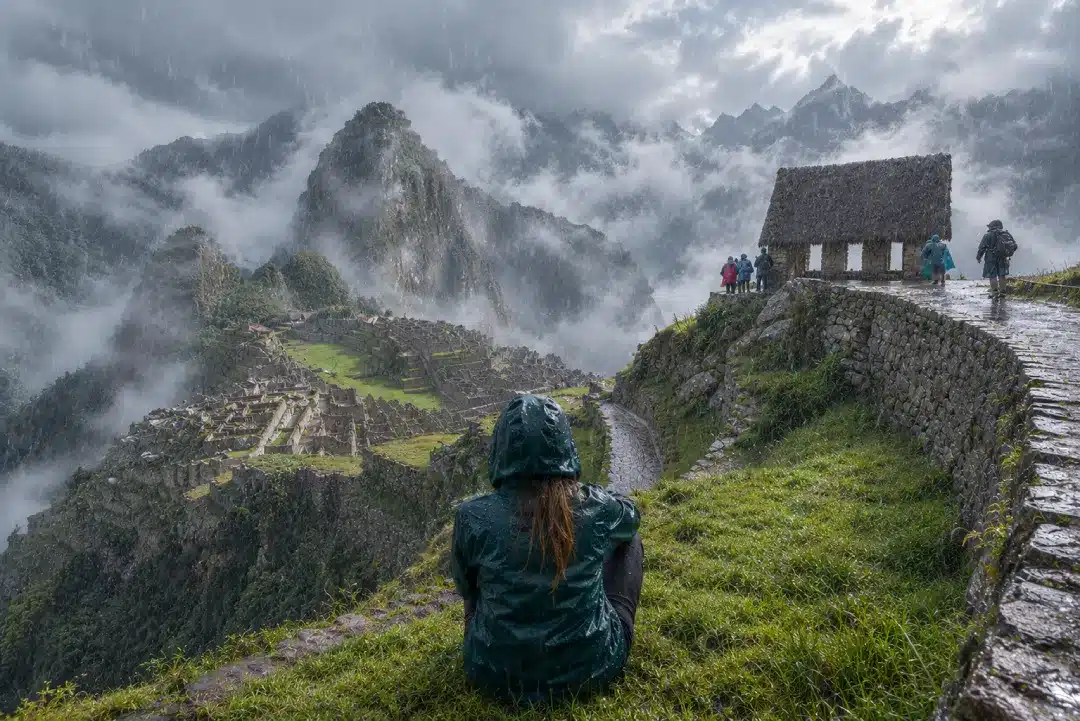
Rain can temporarily reduce visibility at Machu Picchu and make stone paths more slippery, so waterproof clothing and footwear with reliable traction are especially useful.
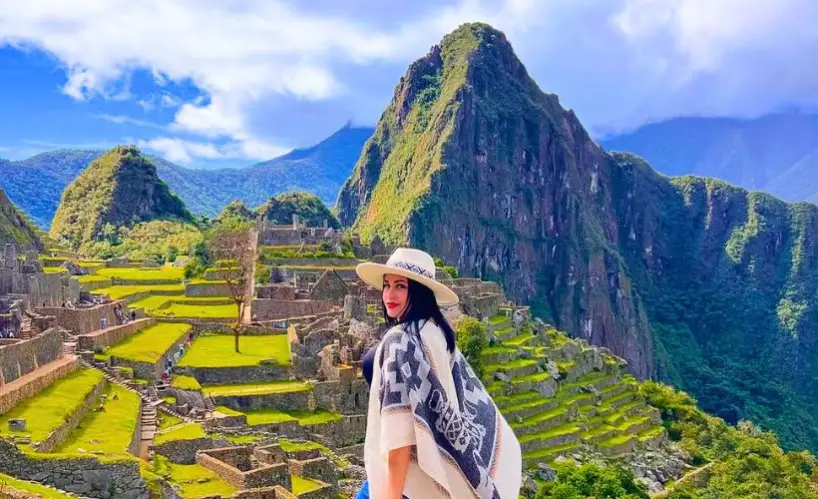
The Guardian’s House sits above the agricultural terraces and is one of Machu Picchu’s best-known visual reference points. The surrounding upper sector provides the broad perspective over the citadel with Huayna Picchu rising behind it.
Route note:Circuit 1 is designed around the panoramic sector. Some Circuit 2 approaches also pass agricultural platforms in this broader area, but the exact viewpoint and walking line depend on the route printed on your ticket.
Prioritize this area if the classic panoramic Machu Picchu view matters more to you than adding a mountain summit or spending most of the visit inside the urban archaeological sectors.
Temple of the Sun

The Temple of the Sun is one of Machu Picchu’s most refined structures. Its curved masonry incorporates natural rock, and research has associated architectural features in the building, particularly the northeastern window, with observation around the June solstice.
Route note:Circuit 3 includes the Temple of the Sun sector, while Circuit 2 includes a viewpoint overlooking it. Those are different visitor experiences and should not be treated as interchangeable.
The temple is useful for understanding how Inca builders combined masonry, topography and celestial observation without reducing the structure to the simplistic label of a “solar clock.”
Temple of the Three Windows

The Temple of the Three Windows forms part of the Sacred Plaza and is recognizable by its three large trapezoidal openings. Its scale, masonry and position make it one of the most distinctive ceremonial structures in Machu Picchu’s urban sector.
A popular interpretation connects the three openings with Hanan Pacha, Kay Pacha and Ukhu Pacha in Andean cosmology, but that symbolism should be presented as an interpretation rather than an archaeologically proven explanation.
Route note:The Temple of the Three Windows is part of Circuit 2, the Machu Picchu Classic circuit.
Intihuatana

Intihuatana is a carved ceremonial stone positioned on an elevated platform. Interpretations connect it with solar observation, seasonal cycles and Machu Picchu’s relationship with the surrounding sacred mountain landscape.
Calling Intihuatana simply a “sundial” is too narrow. Archaeological interpretations discuss shadow observations and possible calendrical functions, but its role also had ceremonial dimensions that cannot be reduced to one modern label.
Route note:Official Circuit 2 maps include the Intihuatana pyramid sector. Visitor flow and conservation controls determine how closely the route approaches the stone.
For its history, interpretations and conservation in greater depth, use the Intihuatana Stone at Machu Picchu guide.
Sacred Rock

The Sacred Rock is a large granite feature placed within a ceremonial setting near the northern side of the llaqta. Official interpretive material associates the sector with the wider Andean tradition of sacred mountains.
Its position also makes it an important spatial reference between the main archaeological sector and the controlled area leading toward Huayna Picchu.
Route note:The Sacred Rock belongs to Circuit 2. Panoramic-only Circuit 1 routes do not provide the same archaeological-sector visit.
Temple of the Condor
The Temple of the Condor is an archaeological sector where natural rock and deliberately worked stone create a composition traditionally interpreted as the head and outspread form of a condor.
The surrounding spaces and underground features have generated different archaeological interpretations, so one specific ritual or functional explanation should not be presented as conclusively proven.
Route note:The Temple of the Condor appears within the official Circuit 2 archaeological routes.
Mountain hikes and seasonal Machu Picchu routes
Machu Picchu Mountain

Machu Picchu Mountain rises above the archaeological complex and offers a broad elevated perspective over the sanctuary, surrounding ridges and the Urubamba valley.
The climb involves a sustained ascent with many stone steps. It is demanding, although sections are generally less exposed than the narrowest parts of the Huayna Picchu trail.
Ticket: Circuit 1, Route 1-A – Machu Picchu Mountain.
This dedicated route allows more time than a standard panoramic visit because the experience includes both the Circuit 1 sector and the mountain ascent.
Huayna Picchu
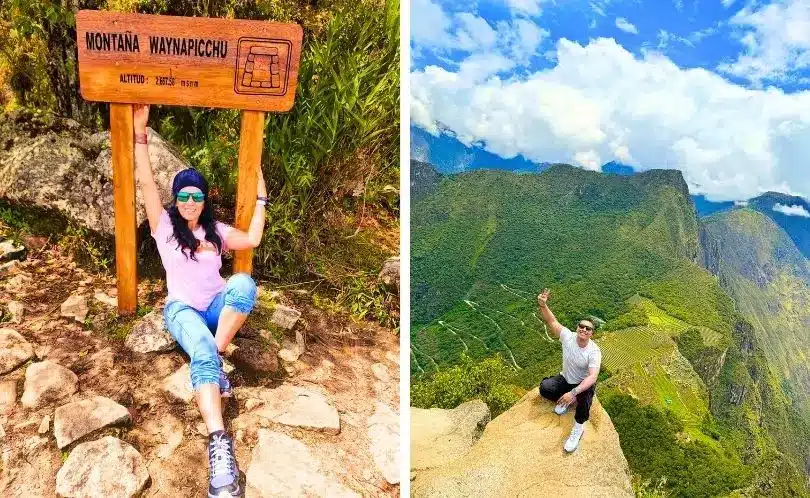
Huayna Picchu, officially Waynapicchu in the current route system, is the steep mountain that rises behind the citadel in the classic Machu Picchu image.
The trail uses steep stone stairs and narrow mountain sections. It is better suited to travelers comfortable with sustained uphill walking and exposure.
Ticket: Circuit 3, Route 3-A – Waynapicchu Mountain.
Waynapicchu reopened on July 1, 2026 after specialized conservation and maintenance work. Because access can change when conservation work is required, verify the route’s current status before relying on an older itinerary.
Intipunku
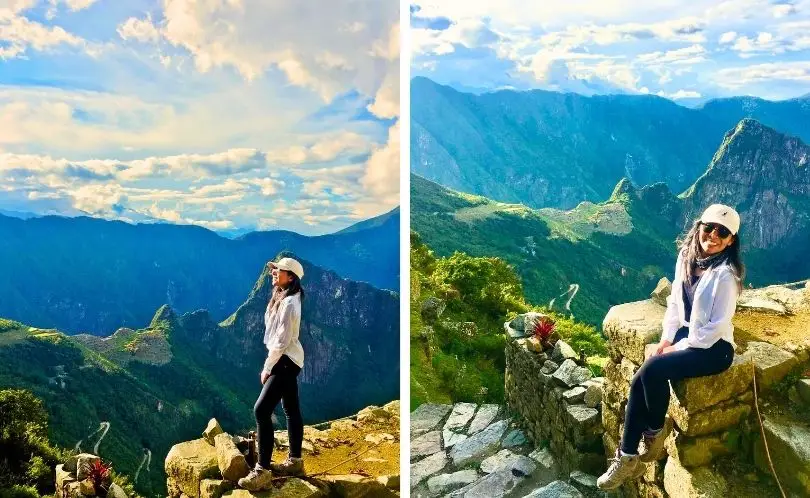
Intipunku, or the Sun Gate, sits above Machu Picchu and forms the historic gateway used by hikers arriving through the regulated Inca Trail network.
Ticket for regular visitors: Circuit 1, Route 1-C – Intipunku Gateway.
Travelers entering Machu Picchu normally cannot add Intipunku to another ticket after arrival. Route 1-C is a specific seasonal route and is different from reaching the gateway as part of an authorized Inca Trail trek.
Inca Bridge

The Inca Bridge lies along a narrow cliffside route west of the principal archaeological sector. Its design demonstrates how Inca road builders adapted circulation routes to extremely steep terrain.
Ticket: Circuit 1, Route 1-D – Inca Bridge.
Route 1-D operates seasonally and should not be treated as an optional extension included automatically with another Circuit 1 ticket.
Gran Caverna, often called the Temple of the Moon

Gran Caverna is an archaeological sector built into natural rock below the Huayna Picchu area. Tourism commonly refers to it as the “Temple of the Moon,” although its archaeological interpretation does not establish that the structure was specifically dedicated to lunar worship.
Ticket: Circuit 3, Route 3-C – Gran Caverna.
The route descends toward the cave sector and is not the same trail used to reach the Huayna Picchu summit.
Important note:
Booking Huayna Picchu Route 3-A does not include the Gran Caverna. Gran Caverna uses Route 3-C, a separate seasonal route with its own visitor flow.
Huchuy Picchu
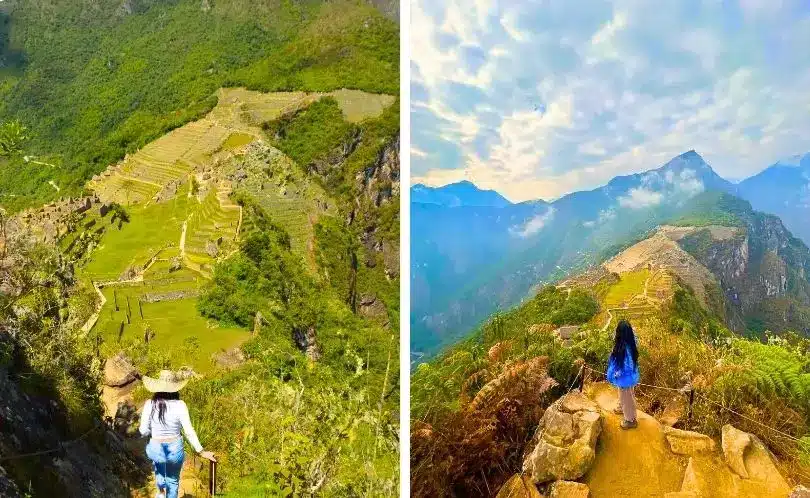
Huchuy Picchu is the smaller mountain beside Huayna Picchu. Its route is shorter than the Huayna Picchu and Machu Picchu Mountain climbs while still providing an elevated perspective over the archaeological landscape.
Ticket: Circuit 3, Route 3-D – Huchuy Picchu.
Route 3-D is seasonal, so do not assume the mountain is available throughout the year or included with another Circuit 3 ticket.
Choose Machu Picchu attractions by the experience you want
| If you want… | Prioritize |
| The classic panoramic Machu Picchu photo | Circuit 1 panoramic terraces / Guardian’s House area |
| Main temples and classic Inca architecture | Circuit 2 |
| Temple of the Sun sector and royal areas | Circuit 3 |
| Highest panoramic mountain hike | Machu Picchu Mountain, Route 1-A |
| Steep iconic mountain climb | Huayna Picchu, Route 3-A |
| Historic Inca Trail gateway | Intipunku, Route 1-C when operating |
| Cliffside Inca engineering | Inca Bridge, Route 1-D when operating |
| A remote archaeological extension | Gran Caverna, Route 3-C when operating |
| A shorter mountain extension | Huchuy Picchu, Route 3-D when operating |
Choose the ticket that includes the places you want to see
Machu Picchu does not allow visitors to move freely between all attractions after entering. The current system uses one-way controlled routes, so your sightseeing priorities should influence which ticket you buy.
Start with the experience that matters most. If you want the classic panorama, focus on the panoramic routes. If temples such as the Three Windows, Intihuatana and Sacred Rock matter more, Circuit 2 is more relevant. Mountain hikes and seasonal extensions require their specific numbered routes.
During specific high-demand periods in 2026, the authorized maximum capacity increases to 5,600 visitors per day. Capacity is still distributed between routes and time slots, which means one route can sell out even when tickets remain available elsewhere.
For ticket availability, route schedules, prices and purchase details, use the Machu Picchu entrance ticket guide.
Keep this in mind:
Machu Picchu also has a strict visitor code, including a maximum bag size of 16 × 14 × 8 in (40 × 35 × 20 cm) and restrictions on several items. Check the current official Machu Picchu Code of Conduct before traveling to the entrance.
Plan your Machu Picchu route around what you want to see
The most useful ticket is not necessarily the route with the longest list of places. It is the one that includes the viewpoint, temples or mountain extension that matters most to you without creating an itinerary you cannot realistically complete.
Frequently asked questions about places to visit in Machu Picchu
Can I see all Machu Picchu attractions with one ticket?
No. Machu Picchu currently uses 3 circuits and 10 controlled routes. Each ticket follows a specific route, while mountain hikes and seasonal extensions require the ticket that explicitly includes them.
Which route gives the classic Machu Picchu photo?
Circuit 1 is designed around the panoramic sector and upper agricultural terraces near the Guardian’s House. Some Circuit 2 approaches also use terraces in the broader area, but the exact viewpoint differs by route.
Which circuit includes the main temples and Sacred Rock?
Circuit 2 is the main choice for travelers prioritizing the classic archaeological sector, including places such as the Temple of the Three Windows, Intihuatana sector and Sacred Rock. Check the official route map because the exact walking line differs between Route 2-A and Route 2-B.
Can I visit Intipunku without hiking the Inca Trail?
Yes, when Circuit 1 Route 1-C is operating. Regular Machu Picchu visitors need that specific seasonal route. It is different from reaching Intipunku as part of an authorized Inca Trail trek.
Is the Temple of the Moon on the Huayna Picchu route?
No under the current route system. Gran Caverna, popularly called the Temple of the Moon, uses Circuit 3 Route 3-C. The Huayna Picchu summit uses Route 3-A, so they are separate routes and tickets.
Which ticket includes Huayna Picchu or Machu Picchu Mountain?
Huayna Picchu uses Circuit 3 Route 3-A, while Machu Picchu Mountain uses Circuit 1 Route 1-A. Both are dedicated mountain routes and should be booked specifically rather than assumed to be included with a standard archaeological ticket.
Which Machu Picchu attractions are seasonal?
Under the current system, Intipunku Route 1-C, Inca Bridge Route 1-D, Gran Caverna Route 3-C and Huchuy Picchu Route 3-D are listed as seasonal routes. Check the official circuit page for availability on your travel date.

Share:



Related tours you might be interested in
Enjoy unique experiences in Cusco and Machu Picchu with the peace of mind that comes from working with a local travel agency

10 Days Andean Dreamscapes – Lima, Ica, Cusco & Puno with Local Flights
YOUR NEXT DESTINATION IS PERU, THE LAND OF FASCINATING STORIES AND OUTSTANDING LANDSCAPES! With our...

07 Day Echoes of Peru – Lima, Ica & Cusco with Flights
IMAGINE YOUR PERFECT ESCAPE PLAN IN PERU, WHERE EVERY DAY IS THE PERFECT OPPORTUNITY TO EXPLORE AND...
10 Day Millenary Peru – Coast, Andes & Jungle
EXPERIENCE THE BEST OF PERU: ADVENTURE, ICONIC SIGHTS, AND UNIQUE FLAVORS AWAIT! Enjoy an...

02 DAY «EXPLORING» THE SACRED VALLEY AND MACHU PICCHU
CHINCHERO, MARAS AND MORAY WILL ENVELOP YOU IN THE MAGIC OF THE SACRED VALLEY. EACH EXPERIENCE WILL...
If you liked this article and the information you found, give us 5 stars!
Table of Contents
Related blogs

Machu Picchu 2026 Free Entry Fees and Closure Update
10 min of reading
Machu Picchu Admission Ticket: What It Actually Covers
10 min of reading