Peruvian Music: Where the coast, highlands, and jungle sing together
Ultima actualización en 12 November, 2025 por Waman Adventures
Last Updated on 12 November, 2025 by Waman Adventures
- Origins and Cultural Meaning of Peruvian Music
- Most Representative Genres and Styles From Coast, Highlands, and Jungle
- Peruvian Musical Instruments You Should Know
- Tourist Routes for Music Lovers
- Best Times and Places to Enjoy Live Peruvian Music
- To Fully Enjoy, Keep in Mind:
- Enjoy Responsibly and Sustainably
-
Frequently Asked Questions About Peruvian Music
- Where can I hear authentic live Peruvian music during my visit?
- When are best Peruvian music festivals for tourists?
- What Peruvian musical instruments are most representative and where to see them?
- Is it safe for American tourists to attend Peruvian folk music events?
- Can I buy traditional Peruvian musical instruments as souvenirs?
- Are there tours specialized in Peruvian music for travelers?
- What’s the difference between Peruvian folk music and Afro Peruvian music?
- How can I learn to dance traditional Peruvian music rhythms?
Peruvian Music captures the country’s cultural diversity through rhythms, melodies, and stories that vary across the coast, highlands, and jungle. In this article , you’ll discover the most iconic genres, traditional instruments, and unique routes that invite you to experience both classic and modern Peruvian sounds. You’ll also find tips to plan your own musical journey and connect with the heart of Peru through its music.
Origins and Cultural Meaning of Peruvian Music
Peruvian Music is a living expression of the country’s cultural diversity, shaped by the fusion of Indigenous, Spanish, and African traditions. Its roots trace back to pre-Columbian times, when Andean communities used songs and rhythms for rituals and communication with nature.
When the Spaniards arrived, they introduced instruments such as the guitar and harp, creating new harmonies that intertwined with ancestral Andean melodies.
During the colonial era, enslaved Africans brought vibrant rhythms and percussion that deeply transformed the musical landscape, giving rise to genres like the zamacueca, landó, and others that still resonate today.
It is important to understand that Peruvian music goes beyond entertainment. Every genre, rhythm, and style carries a story of identity, resilience, and cultural unity that continues to define the spirit of Peru.

Most Representative Genres and Styles From Coast, Highlands, and Jungle
Coast
- Creole music: It’s influenced by European, African, and indigenous elements. This genre includes Creole waltz, marinera, tondero, zamacueca, festejo, and landó.
- Festejo and landó: Festejo is very festive and cheerful, with marked percussion. Landó is more melodic and represents Afro Peruvian heritage.
- Tondero: It combines rhythm and dance; it’s native to north coast (Piura and Lambayeque departments), with Creole influences and accompanied by guitar and percussion.
- Peruvian cumbia (chicha): It emerged in 60s and 70s, combining Colombian cumbia, Andean huayno, and rock. It’s characterized by use of electric guitars and frequently incorporates urban rhythms.

Highlands
- Huayno: It’s one of southern Peru’s most representative genres. It uses instruments like charango, quena, zampoña, bandurria, and bombo. It has fast rhythm and lyrics speaking of love, rural work, and daily life.
- Yaraví: It’s a slow and calm song, with paused rhythms. Generally accompanied by guitar or quena, it’s used to express nostalgia or melancholy.
- Carnavalito: It has festive character and is celebrated in different Andean regions. It’s energetic, with choral singing, ritual dance, and presence of Andean percussion instruments.
- Muliza: Style originating from central highlands, associated with mining tradition. It was declared National Cultural Heritage.

Jungle
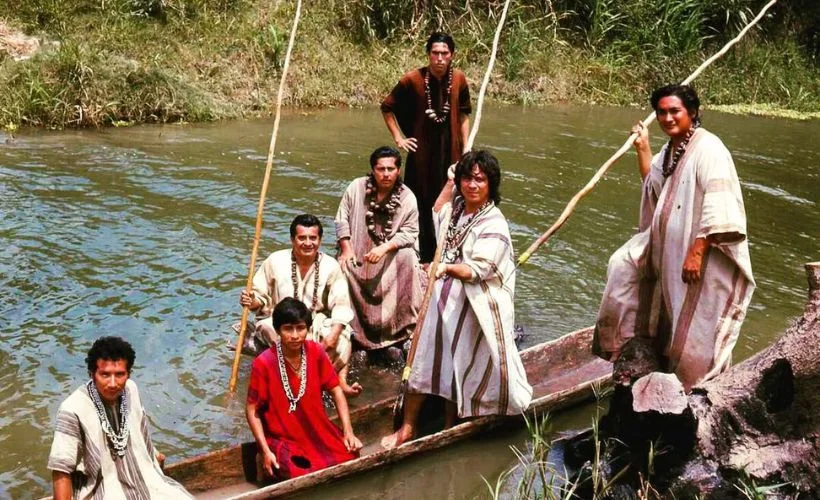
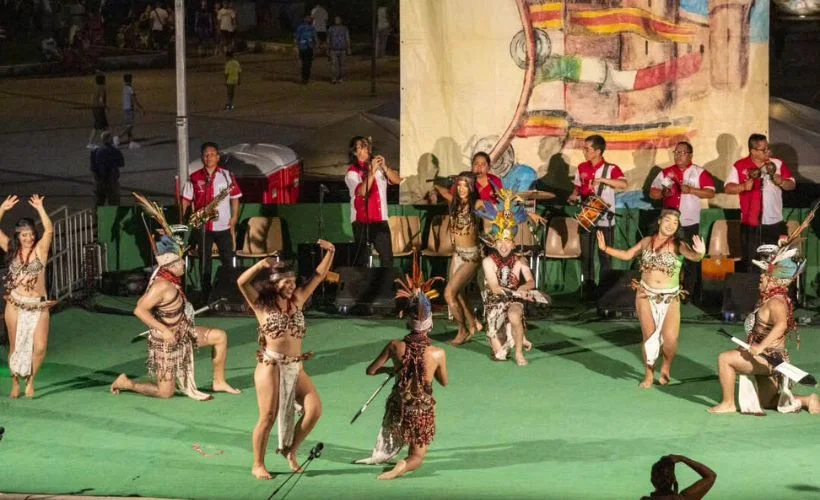
- Traditional Amazonian music: Hear sounds inspired by region’s nature and spirituality. Instruments like Amazonian harp, drums, and percussion with chonta (bamboo) are used, which reflect biodiversity richness.
- Amazonian cumbia: Enjoy fusion of traditional Amazonian rhythms with cumbia, plus Afro Peruvian and Colombian influences. Use of accordion and lively percussion creates cheerful sound, ideal for celebrations and festivals.
- Regional genres: Know styles like pandilla, chimaychi, or sitaracuy, performed at local festivals, especially around “húmisha” (ceremonial tree). These expressions include traditional lyrics and indigenous music forming part of Peruvian jungle cultural heritage.
Peruvian Musical Instruments You Should Know
Coast
- Cajón: played sitting on this wooden box; it’s key element of Afro Peruvian music (festejo, landó). It has origins in Lima coast.
- Donkey jawbone: animal’s mandible that’s struck to produce raspy and distinctive sound in traditional Afro Peruvian rhythms.
- Cajita: small wooden box with lid; produces accelerated rhythm by inserting nail while opening and closing. It’s typical of coast’s Creole music.

Highlands
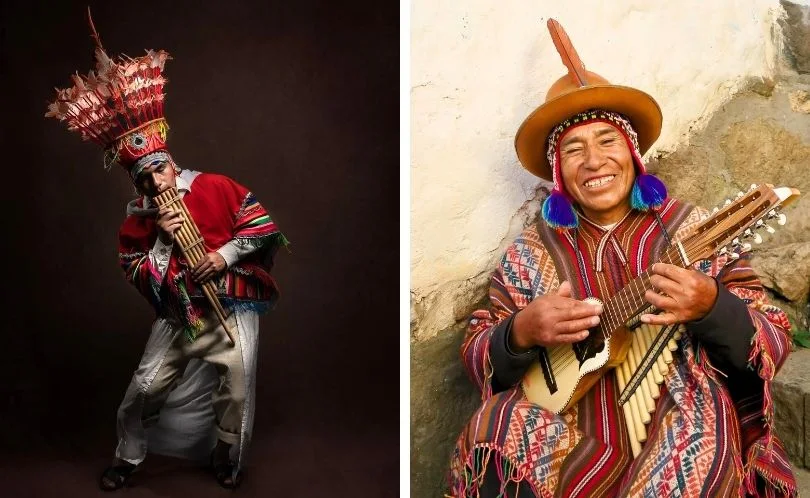
- Charango: string instrument similar to guitar, but much smaller. Formerly it was made with armadillo shell; nowadays, it’s mainly made from wood. Its sound is clear and bright.
- Quena: vertical reed or wooden flute with melancholic tone, widely used in Andean music.
- Zampoña: instrument formed by wooden tubes of different sizes. It’s played in duo to achieve complex harmonies.
- Bombo: large double headed drum, essential for marking rhythm in Andean festivities like huayno and carnavalito.
- Antara: zampoña variant, made with smaller reeds or different shapes, also popular in Andean rhythms.
Jungle
- Chonta or shiras drums: percussion instruments made with bamboo (chonta) or local wood (shiras), essential in Amazon’s ritual and festive music.
- Amazonian ocarina: small wind instrument made of ceramic or clay, with soft and melodious sound, typical of Amazonian communities.
- Amazonian quenas: made with bamboo or wood from jungle region, produce vibrant sounds rich in nuances.
Tourist Routes for Music Lovers
Northern Peru
In northern coast you’ll discover indigenous rhythms like northern marinera and Peruvian polka. Trujillo hosts famous International Marinera Festival, where bands and dancers show this emblematic expression.
Afro Peruvian Coast
On this route you’ll explore coast’s Afro Peruvian root. Lima offers peñas in districts like Barranco, where you’ll hear landó and festejo. Chincha and El Carmen show living Afro Peruvian culture; additionally, you can visit schools where they teach cajón playing and traditional dances.
Andean Route
The good thing about Andes is you can visit Sacred Valley, Cusco, Puno, and Ayacucho. Thus, communities keep their traditions alive; you can hear live music, attend local ceremonies, and participate in workshops where they make some instruments.

Best Times and Places to Enjoy Live Peruvian Music
Virgin of Candelaria Festival (Puno)
It’s one of Peru’s largest cultural celebrations. Thousands of dancers, musicians, and folk bands gather for several days to pay homage to Virgin. Andean music, combined with traditional dances, fills streets with color, rhythm, and devotion.
Cusco and Sacred Valley
Cusco and surroundings offer constant musical programming: folk peñas, sikuris presentations, and intimate concerts in cultural centers or restaurants with live traditional music.
Lima (Barranco District)
Capital gives you many opportunities to hear authentic Peruvian music: bars, cafés, and peñas in Barranco and Miraflores usually offer live music, especially Afro Peruvian genres like festejo or landó, and contemporary Creole music.
Arequipa and Ayacucho (Andean Festivals)
Both cities have strong Andean musical tradition. In Arequipa you’ll find folk festivals in plazas and cultural centers.
Marinera Festival
This festival puts Peru’s national dance on stage: marinera. Although it’s mainly dance, accompanying Creole music is essential.

To Fully Enjoy, Keep in Mind:
- Wear comfortable clothing appropriate to climate, especially in Andean areas.
- Learn some words in Quechua or Aymara as gesture of respect.
- Arrive early to events to have better view and enjoy calmly.
- Talk with musicians and artisans; many value sharing their culture.
- Bring sunscreen, water, and some cash for food or souvenirs.
- Respect local customs and norms at each celebration or community.
Enjoy Responsibly and Sustainably
- Buy directly from local musicians and artisans.
- Join only activities respecting cultural traditions.
- Don’t record or take photos without permission at rituals or sacred events.
- Value slow tourism and authentic exchange.
- Care for natural and rural environment during your visit.
Peruvian music is living expression of country’s cultural diversity, with rhythms born on coast, in highlands, and jungle. From Afro Peruvian festejo to Andean huayno or Amazonian cumbia, each genre connects with Peru’s roots. If you want to know where to start, which festivals to visit, how to get there, or which musical routes to follow, don’t worry. At Waman Adventures we help you organize an authentic, safe, and custom made trip. Enjoy workshops, live presentations, and unique cultural experiences. Contact us at +51 946 459 491 or email info@wamanadventures.com and let yourself be carried by Peru’s rhythm.
Frequently Asked Questions About Peruvian Music
Where can I hear authentic live Peruvian music during my visit?
Peñas and cultural centers in Lima, especially in Barranco, offer live Creole and Afro Peruvian music in bohemian atmospheres.
In Cusco, Centro Qosqo de Arte Nativo offers daily presentations of Andean music and dance performed by local artists. Puno and Ayacucho stand out for their folk festivals where music forms integral part of community life.
When are best Peruvian music festivals for tourists?
- Virgin of Candelaria Festival (February, Puno): you’ll see Andean celebration with hundreds of folk groups.
- Marinera Festival (January/February, Lima): it’s competition centered on Peru’s most representative dance.
- Inti Raymi (June 24, Cusco): you’ll be at ancestral Sun Festival recreation, with music, dances at historic sites like Sacsayhuamán.
What Peruvian musical instruments are most representative and where to see them?
Charango, quena, zampoña, and cajón are emblematic instruments of Andean and Afro Peruvian music. You’ll find them in craft markets in Cusco, Puno, and Lima, where they also usually offer demonstrations of how they sound.
Is it safe for American tourists to attend Peruvian folk music events?
Yes, generally they’re safe, as long as:
- You use authorized taxis, and avoid lonely streets or walking alone at night.
- You keep low profile and avoid displaying valuables.
Can I buy traditional Peruvian musical instruments as souvenirs?
Yes, in artisan markets and specialized shops you can purchase traditional instruments, most handmade by local artisans.
Are there tours specialized in Peruvian music for travelers?
Yes, several agencies offer thematic tours including workshops, community visits, and festival attendance for complete immersion.
What’s the difference between Peruvian folk music and Afro Peruvian music?
- Folk music: includes Andean and Amazonian genres like huayno, yaraví, and carnavalito.
- Afro Peruvian music: located mainly on coast, especially festejo and landó, with strong presence of African rhythms and percussion.
How can I learn to dance traditional Peruvian music rhythms?
Many peñas and music schools in Lima, Cusco, and Arequipa offer beginner classes in styles like marinera, huayno, and Afro Peruvian dances.

Share:



If you liked this article and the information you found, give us 5 stars!
Table of Contents
Related blogs

Between Rain and Ritual: How Cusco Weather by Month Shapes Your Journey
12 min of reading