Inca Trail packing list: simple guide to enjoy every step
Ultima actualización en 3 November, 2025 por Waman Adventures
Last Updated on 3 November, 2025 by Waman Adventures
- Inca Trail: What You Should Know Before Packing
- What You Should Bring to the Inca Trail: Essential Gear Guide
- Personal Hygiene Items on the Inca Trail
- Cash and Where to Use It on the Trail
- Tips for Packing Light and Efficiently
- Take Care of Your Health and Safety on the Route
- Cultural Etiquette and Sustainable Trekking
- Beyond the Trail: Exploring Cusco and the Sacred Valley
-
Frequently Asked Questions About Inca Trail Packing List
- What clothing should I bring to the Inca Trail?
- Do I need special boots for the Inca Trail?
- Is it mandatory to bring a sleeping bag?
- Is it worth bringing trekking poles?
- Do I have to bring my own water?
- Are there bathrooms along the Inca Trail?
- Can I rent equipment in Cusco?
- What hygiene items are essential?
- Is it necessary to hire travel insurance for the Inca Trail?
Hiking the Inca Trail is much more than reaching Machu Picchu. It’s walking in the footsteps of an ancestral culture, crossing imposing landscapes.
In this guide you’ll learn everything you need to bring to the Inca Trail: from appropriate clothing, backpack, documents, sleeping bag, trekking poles, and more. These recommendations are key for each stage. This way you’ll be able to enjoy this experience with safety, responsibility, and all the excitement it involves from day one.
Inca Trail: What You Should Know Before Packing

Before starting your adventure, there’s something fundamental: knowing exactly what to bring to the Inca Trail. This isn’t just any hike. You’re going to walk several days through archaeological complexes, facing abrupt climate changes and altitudes that will require you to be well prepared.
Packing correctly will make the difference between enjoying every stretch or having an unnecessarily difficult time. You’ll need appropriate clothing to protect yourself from cold and rain, so in addition to organizing your luggage well, make sure to book in advance. This way, you’ll be able to focus solely on enjoying the trail.
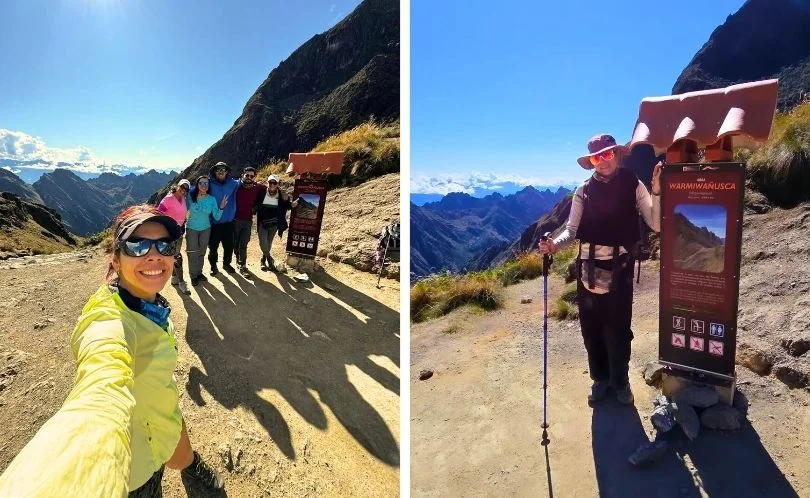
What You Should Bring to the Inca Trail: Essential Gear Guide
Packing properly is fundamental for the success of your hike. Below, I detail the essential items you shouldn’t forget to bring to the Inca Trail:
| Items You Should Bring | |
| Documentation and Mandatory Papers |
|
| Clothing |
|
| Footwear |
|
| Backpack and Accessories |
|
| Hydration and Food |
|
| Sleeping Bags | According to material:
According to shape:
|
| Sleeping Pad |
|
| Key Accessories |
|
| Trekking Poles | They’ll help improve balance on uneven terrain and reduce impact on knees and ankles, especially on descents. |

During the hike, remember to enjoy the landscapes surrounding you.

Personal Hygiene Items on the Inca Trail
Maintaining your personal hygiene on the Inca Trail can be a real challenge, as showers are scarce. Therefore, it’s essential that you prepare your toiletry kit well:
- Wet wipes: they’ll be your great allies for cleaning off sweat and dirt at the end of the day. Bring a pack that will last you for the four days of hiking.
- Toilet paper and plastic bags: keep a roll in a ziplock type bag to keep it dry, along with some plastic bags where you can take your waste if necessary.
- Antibacterial gel or spray: you won’t always have access to soap and water, so a disinfectant will be essential before eating or after using the bathroom.
- Toothbrush and toothpaste, plus dental floss: don’t forget these basics for your daily oral care.
- Feminine products: if you need them, bring enough for all the days of the trek.
- Biodegradable soap or bar shampoo: in some camps you’ll find buckets with cold water where you can clean up a bit. Always use environmentally friendly products.
- Deodorant: it will help you keep body odor under control during the hike.
- Lip balm: intense sun, dry winds, and abrupt climate changes can quickly dry out your lips, so protect them well.
Remember that:
Everything you bring, you must take back. Respect the environment and always keep your trash in airtight bags until you can dispose of it properly.
Cash and Where to Use It on the Trail

Carrying cash in soles and small bills is essential for the Inca Trail.
Although you’ll probably have already paid for your Inca Trail tour in advance including meals, entrance fees, guide, porters, and tents, carrying cash is essential to cover small expenses that may arise during the route.
Tips: it’s a tradition to give tips to the porters, cooks, and guides who accompany you. They carry the equipment, set up camps, and prepare meals, making your adventure possible.
Purchases along the trail: some local residents set up small stands where they sell bottled water, soft drinks, snacks, or fruits. They’re perfect for replenishing energy or treating yourself during the hike.
Minor emergencies: bringing a little extra money to the Inca Trail can save you if you need to buy basic medicine or make a call in case of any unexpected situation.
Expert tip:
Bring low denomination bills ($3–$5, $5–$13, or S/10, 20, 50 soles), well stored in an inside pocket or waterproof pouch.
Tips for Packing Light and Efficiently
Packing well is key so you can enjoy the Inca Trail without exhausting yourself or hurting your back.

- Bring clothing in three layers: a breathable base layer, a thermal layer, and a waterproof outer layer. This way you can adapt to abrupt climate changes without carrying too much.
- Prioritize weight: avoid bringing “just in case” clothes and pack only what’s necessary. With two trekking pants, three or four t-shirts, a fleece, a waterproof jacket, underwear, and enough socks you’ll have more than enough for the hiking days.
- Minimize your personal items: you don’t need to carry large bottles of shampoo or cosmetics. Prefer small containers or solid products, like bar shampoo and soap, which take up less space and don’t spill.
- Bring compact snacks: include energy bars, dried fruits, or chocolates. They’re lightweight, take up little space, and will give you extra energy during breaks.
- Organize by bags: use waterproof or ziplock type bags to separate clean clothes, dirty clothes, electronics, and documents. If it rains, your things will be protected.
- Test your backpack before the trip: walk at least an hour with the weight you plan to carry. This way you can check if it’s well distributed or if you need to reduce something before starting the real route.
Take Care of Your Health and Safety on the Route

Staying hydrated is essential to endure the Inca Trail hike.
Altitude is one of the main challenges you’ll face on the Inca Trail. To reduce risks and fully enjoy the experience, it’s essential that you take some preventive measures, such as the following:
- Acclimatization: stay in Cusco or the Sacred Valley at least 2 to 3 days before starting the hike. This will give your body time to gradually adapt to the altitude.
- Hydration: drink at least 3 liters of water per day to avoid dehydration, which can worsen altitude sickness symptoms.
- Nutrition: consume light meals rich in carbohydrates, like quinoa, rice, potatoes, and other legumes that will provide you with sustained energy.
- Rest: sleeping well is key. Adequate rest will allow your body to recover and adapt better to the Andean environment.
- Medications: consult with a doctor about using preventive medications against altitude sickness, like sorojchi pill or acetazolamide.
Cultural Etiquette and Sustainable Trekking

Additionally, remember that the Inca Trail crosses local communities and fragile ecosystems. To reduce your environmental and social impact during the hike, follow these recommendations:
- Respect: interact kindly with local residents.
- Waste management: everything you bring with you, returns with you.
- Trails: always walk on marked routes.
- Local resources: support the economy of Andean communities by buying handicrafts, food, and services offered by them.
Beyond the Trail: Exploring Cusco and the Sacred Valley
Before or after the hike, it’s highly recommended that you explore Cusco and the Sacred Valley:
- Cusco: walk through the Main Square, the charming San Blas neighborhood, the San Pedro market, and archaeological sites like Sacsayhuaman.
- Sacred Valley: you can visit Pisac, Ollantaytambo, Moray, the Maras Salt Mines, and Chinchero. Each of these places offers you unique landscapes and a deep connection with Inca history.


Visiting these destinations will not only allow you to better understand Andean culture and its legacy, but it’s also an excellent way to gradually acclimatize to altitude, thus facilitating your experience on the Inca Trail.
Dare to bring everything necessary to the Inca Trail to enjoy it to the fullest and live this adventure with Waman Adventures. With proper preparation and the support of our expert guides, you’ll transform your trip into an unforgettable experience. Make it a reality today!
Frequently Asked Questions About Inca Trail Packing List
What clothing should I bring to the Inca Trail?
It’s recommended to bring layered clothing: a breathable base layer, a thermal layer, and a waterproof layer. This way you’ll adapt to weather changes. Additionally, include trekking pants, comfortable underwear, and enough socks.
Do I need special boots for the Inca Trail?
Yes. Bring waterproof trekking boots with good soles that are already broken in to avoid blisters. Avoid wearing brand new footwear on the hike.
Is it mandatory to bring a sleeping bag?
Yes. It’s essential to withstand low nighttime temperatures. You can bring your own or rent one in Cusco. Make sure it can handle temperatures of 32°F (0°C) or lower.
Is it worth bringing trekking poles?
Yes, as they’ll help you balance and protect your knees on descents. If you bring them from home, make sure to have rubber tips so you don’t damage the trail.
Do I have to bring my own water?
Bring a bottle or camelback to the Inca Trail to refill. Porters and guides usually boil water so you can refill your containers, but you can also bring purification tablets or a filter for safety.
Are there bathrooms along the Inca Trail?
Yes, there are basic bathrooms at some camps and points along the trail. In certain sections, agencies also provide portable toilets. Even so, it’s important that you bring toilet paper, wet wipes, and antibacterial gel.
Can I rent equipment in Cusco?
Yes, in the city of Cusco you’ll find specialized stores and agencies where you can rent sleeping bags, trekking poles, and other equipment, ideal to bring to the Inca Trail. Make sure to check the condition of the equipment before renting it.
What hygiene items are essential?
Wet wipes, toilet paper, antibacterial gel, toothbrush and toothpaste, plus sunscreen and lip balm, will be essential to bring to the Inca Trail. Remember to store them in airtight bags to keep them dry.
Is it necessary to hire travel insurance for the Inca Trail?
Yes, it’s highly recommended to have insurance that includes medical coverage, emergency evacuations, and cancellations. Although emergencies are uncommon, it’s better to be prepared.

Share:



Related tours you might be interested in
Enjoy unique experiences in Cusco and Machu Picchu with the peace of mind that comes from working with a local travel agency

Choquequirao to Machu Picchu Trek 7 Days | Private Service
The most epic and challenging adventure awaits! Dare to push your limits and embark on the ultimate...
HUMANTAY LAKE TOUR FULL DAY – Group Service
Venture to the heights with a dream trip to the Humantay Lagoon! In the depths of Peru's imposing...

Full Day to Rainbow Mountain / Vinicunca – Group Service
Be dazzled by the breathtaking and colorful natural landscape of the Andes! Enjoy the epic...

Tour to Chinchero, Maras & Moray – Private Service
Discover with us this beautiful, charming and historic places, where we will visit the enigmatic...
If you liked this article and the information you found, give us 5 stars!
Table of Contents
Related blogs

Live the adventure: The Ultimate Guide to the Inca Jungle Trek
21 min of reading