Walking with Devotion: Andean Pilgrimages Across Peru’s Sacred Landscapes
Ultima actualización en 20 November, 2025 por Waman Adventures
Last Updated on 20 November, 2025 by Waman Adventures
- Most prominent Andean pilgrimages in Peru
- When and how to participate in Andean pilgrimage
- What to experience during pilgrimage
- Gastronomy during pilgrimages
- Practical tips for travelers
-
Frequently asked questions
- When are main Andean pilgrimages held?
- Do I need to be religious to attend Andean pilgrimage?
- Is it difficult to participate in Qoyllur Rit’i?
- Is it safe to attend massive processions like Lord of Miracles?
- Can I take photos during pilgrimages?
- What should I pack if going to high altitude pilgrimage?
- What’s difference between Catholic festival in Mexico and Andean pilgrimage?
- Is it worth traveling from Mexico just to experience Andean pilgrimage?
Andean pilgrimages in Peru are one of most authentic ways to experience Andes’ spirituality and culture. These festivities gather thousands of devotees and travelers who traverse mountains and towns. From Lord of Miracles procession in Lima, one of world’s largest, to pilgrimage to Lord of Qoyllurit’i, declared World Heritage Site, each festivity combines Catholic faith and ancestral traditions.
In this guide you’ll find everything you need to plan your visit: key dates, origins, ways to participate, practical tips, and what you can’t miss.

Most prominent Andean pilgrimages in Peru
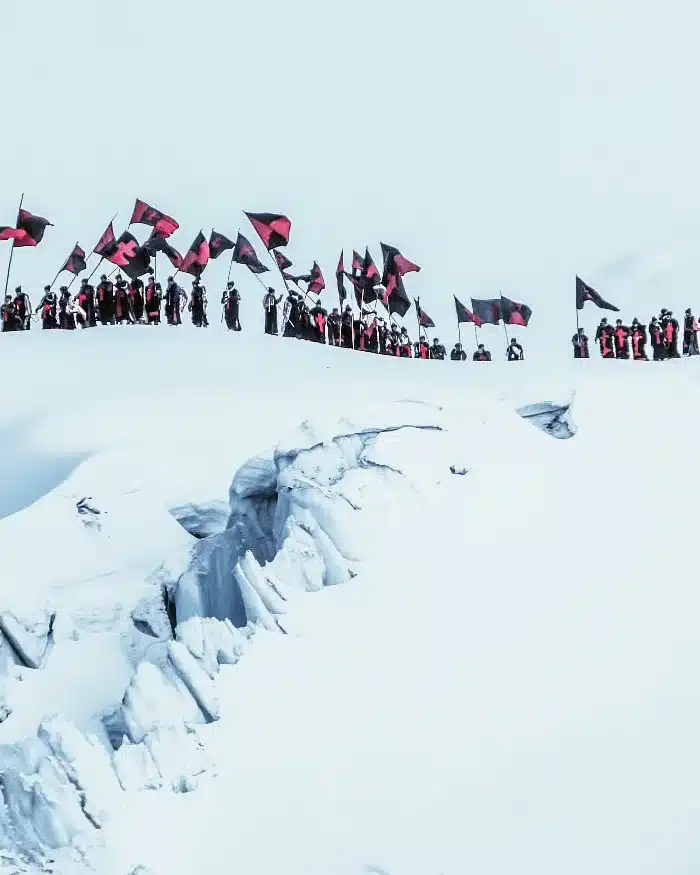
Lord of Qoyllurit’i (Cusco):
- Location: celebrated at Lord of Qoyllurit’i Sanctuary, on Sinakara snow capped peak (Ocongate, Quispicanchi – Cusco), at 15,748 feet (4,800 meters).
- Dates: takes place in late May or early June, just before Corpus Christi festivity.
- Origin: this pilgrimage was born in colonial era, in 18th century. According to tradition, indigenous child met “Child Jesus” in form of shepherd. That encounter was seen as miracle and, over time, merged with Andean rituals dedicated to apus (sacred mountains) and land’s fertility.
- How it’s celebrated: if you participate, you’ll walk alongside thousands of pilgrims advancing in caravans carrying crosses from their communities. Brotherhoods, called nations, organize by provinces like Paucartambo and Quispicanchi. During festival, you’ll witness masses, nighttime processions, dances, and ancient rites on snow capped peak’s slopes.
- What stands out: it’s considered Peru’s largest Andean pilgrimage and living symbol of syncretism between Catholic faith and ancestral traditions. Since 2011 it’s part of Intangible Cultural Heritage of Humanity declared by UNESCO.
Virgin of Candelaria (Puno)
- Location: festival is lived in Puno city, on shores of majestic Lake Titicaca.
- Dates: celebrated from January 24 to February 13, with February 2 being central day of Virgin veneration.
- Origin: devotion to Virgin of Candelaria was introduced by Spanish in 16th century, inspired by Virgin of Candelaria from Tenerife (Spain). In Puno, this faith mixed with ancient pre Hispanic rituals dedicated to Pachamama and lake, creating unique tradition.
- How it’s celebrated: if you attend, you’ll experience solemn processions, dance competitions, and masses. Over 40,000 dancers and 9,000 musicians fill streets with spectacle of color and energy. Dances are divided into “autochthonous” (with Quechua and Aymara roots) and “mestizo” (with strong colonial influence).
- What stands out: it’s one of South America’s largest religious festivities and, in 2014, was recognized as Intangible Cultural Heritage of Humanity by UNESCO. What will surprise you most is how it combines religion, music, and dance in unforgettable spectacle only Puno can offer you.
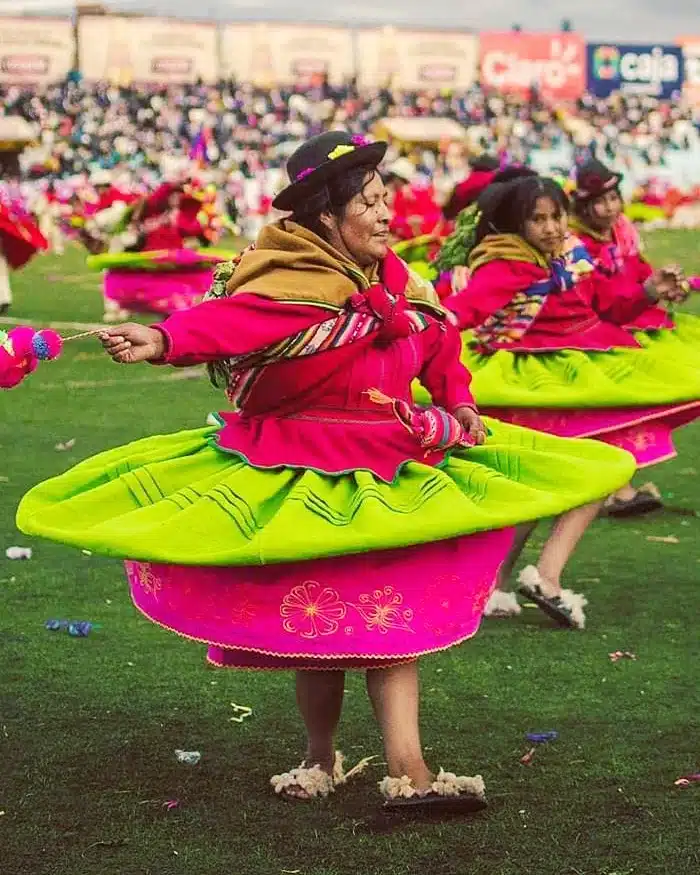

Virgin of Carmen (Paucartambo, Cusco):
- Location: this festival is lived in Paucartambo province, few hours from Cusco city.
- Dates: celebrated every year from July 15 to 18.
- Origin: devotion was born in 18th century, when Virgin’s image was found in Mapacho River. Since then, she was adopted as protector of mestizos and became identity symbol for entire region.
- How it’s celebrated: if you attend, you’ll see solemn processions, masses, and participation of 19 troupes. Each group wears masks representing social satires, historical characters, and cultural symbols. Best part is each troupe has its own style, with unique choreographies and music.
- What stands out: it’s known as “Patroness of mestiza” festival. Most impressive is theatricality of its dances, faith’s strength, and cultural atmosphere managing to gather thousands of visitors each year in spectacle combining devotion, art, and tradition.
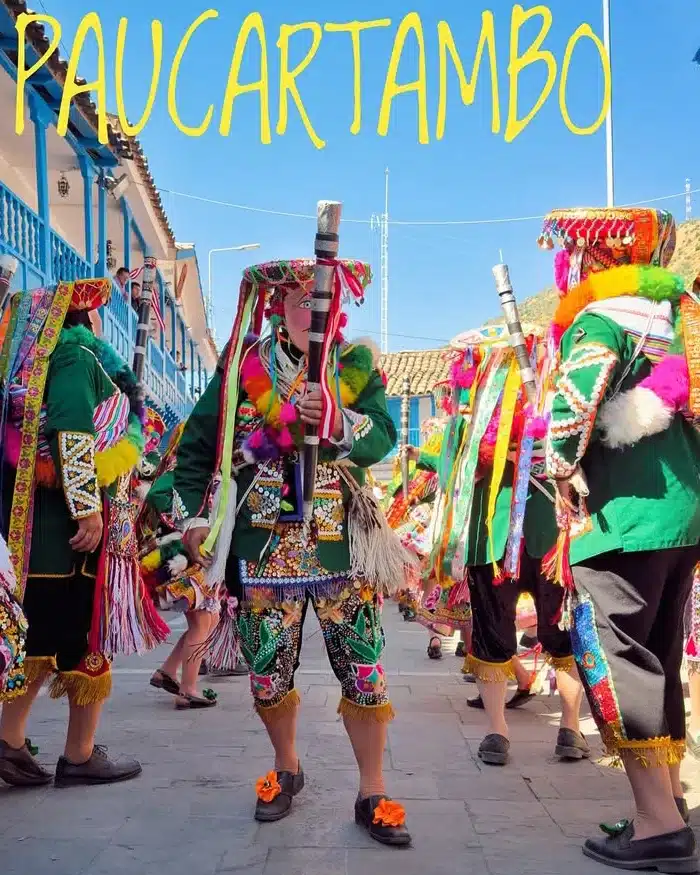

Lord of Miracles (Lima):
- Location: you can live this experience at Nazarenas Sanctuary, in Lima’s Historic Center.
- Dates: festivity is celebrated throughout October, although main processions take place on 18th, 19th, and 28th.
- Origin: story begins in 1651, when Angolan slave painted image on adobe wall. Surprisingly, painting withstood major earthquakes in 1655, 1687, and 1746, becoming powerful symbol of faith and hope for all Peru.
- How it’s celebrated: if you dare to participate, you’ll see one of world’s most crowded processions. Millions of faithful, dressed in purple, accompany Cristo Moreno through Lima’s streets. During journey you’ll hear chants, see altars raised in his honor, and petals falling in his path.
- What stands out: it’s considered planet’s largest Catholic procession. Most impressive is how it manages to unite Peruvian devotees and visitors from different countries in same act of faith, devotion, and community.
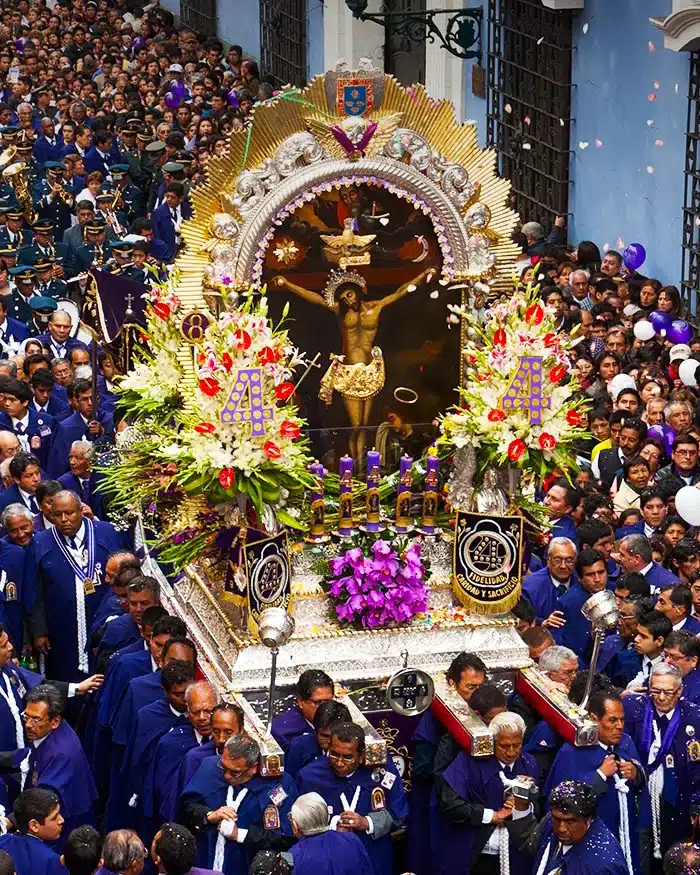
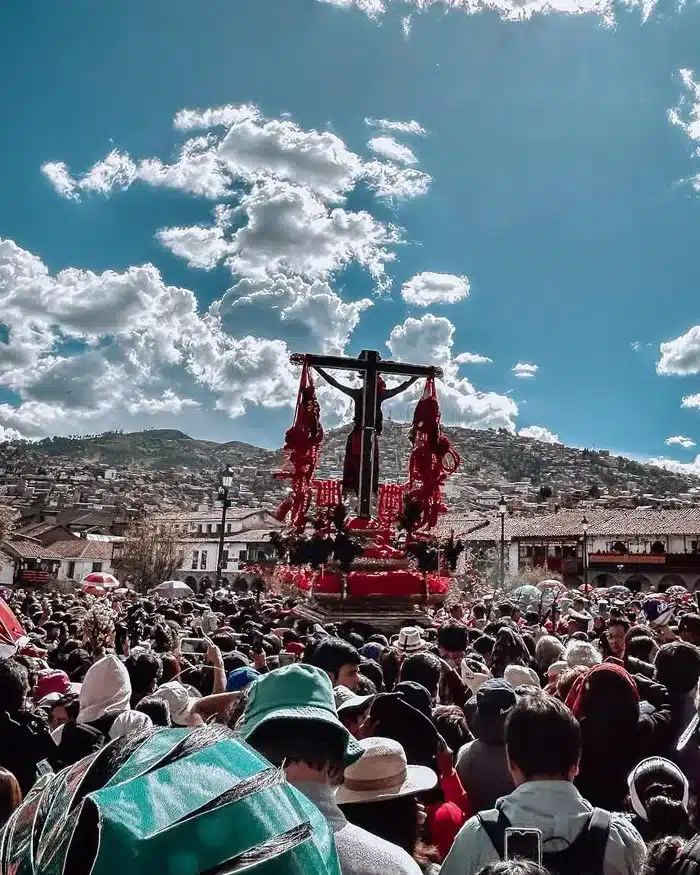
Lord of Earthquakes (Cusco):
- Location: you can live this celebration in heart of Cusco city.
- Dates: takes place on Holy Monday, as part of Holy Week festivities.
- Origin: tradition dates back to 1650, when major earthquake shook city. Dark Christ’s image was taken out in procession and, according to popular faith, earthquake ceased. Since then, people recognize him as “Sworn Patron of Cusco.”
- How it’s celebrated: that day, thousands of faithful accompany solemn procession. You’ll hear chants in Quechua like T’upay Taki and feel how entire city unites to ask for protection and give thanks to Christ of Earthquakes.
- What stands out: it’s Cusco’s most important religious celebration during Holy Week, symbol of faith, unity, and resilience against natural disasters.
Did you know…?
Lord of Miracles in Lima is considered world’s largest Catholic procession.
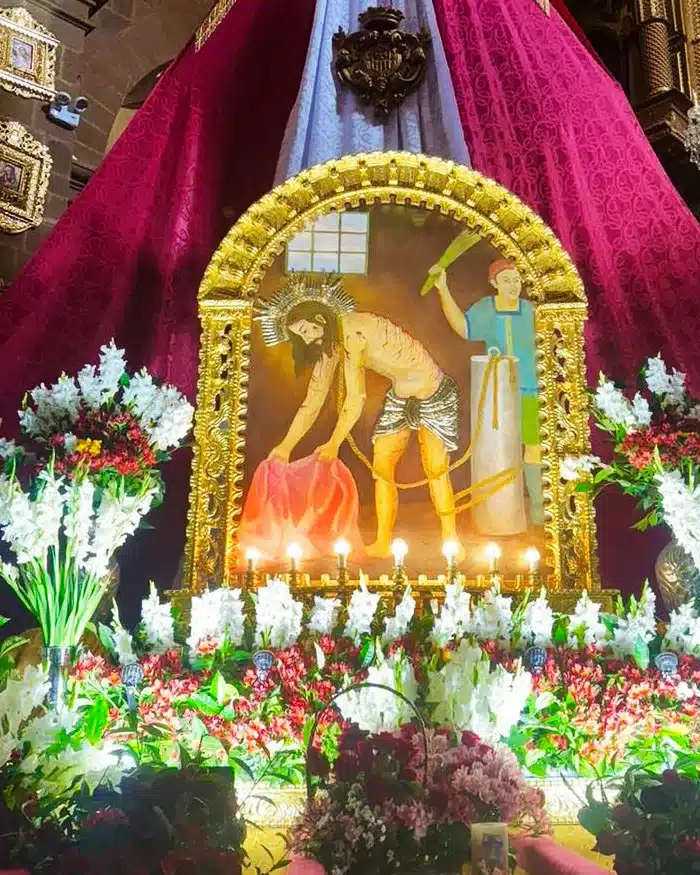
Lord of Huanca (Cusco):
- Location: Lord of Huanca sanctuary is located in San Salvador district, Calca province, in Cusco.
- Dates: every September 14, thousands of faithful arrive at this sacred place.
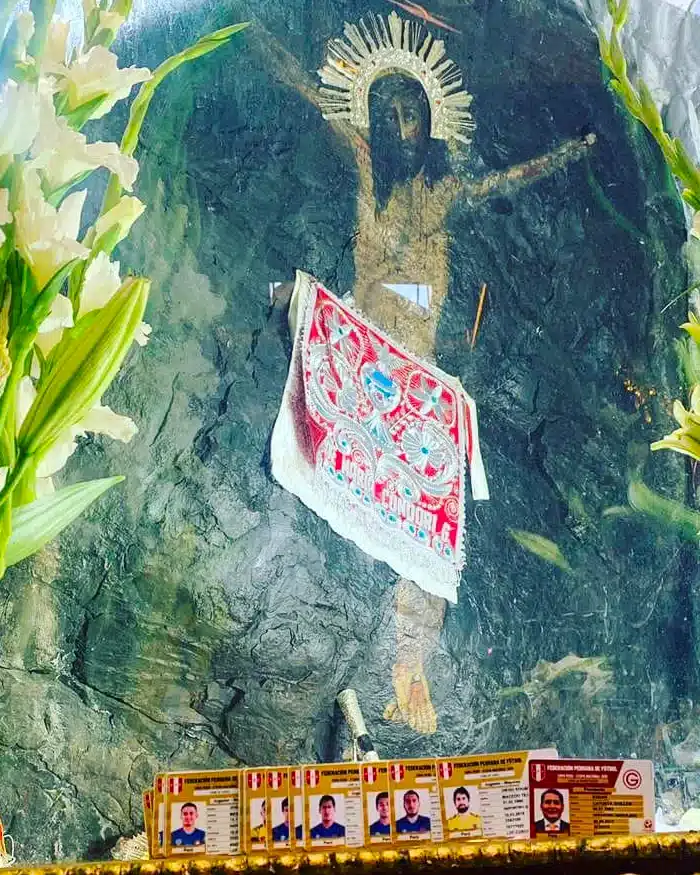
- Origin: according to tradition, in 1675 Christ appeared to indigenous person named Diego Quispe and left his image miraculously engraved on rock.
- How it’s celebrated: if you decide to join, you can walk from Cusco to sanctuary, route of about 37 miles (60 km). There masses, confessions are held, and miniatures called alasitas are sold, representing your requests and thanksgivings.
- What stands out: this sanctuary is space of deep faith, where people come to ask for health, forgiveness, and blessings. Additionally, it’s considered one of Peru’s oldest and most traditional pilgrimages.
Lord of Luren (Ica):
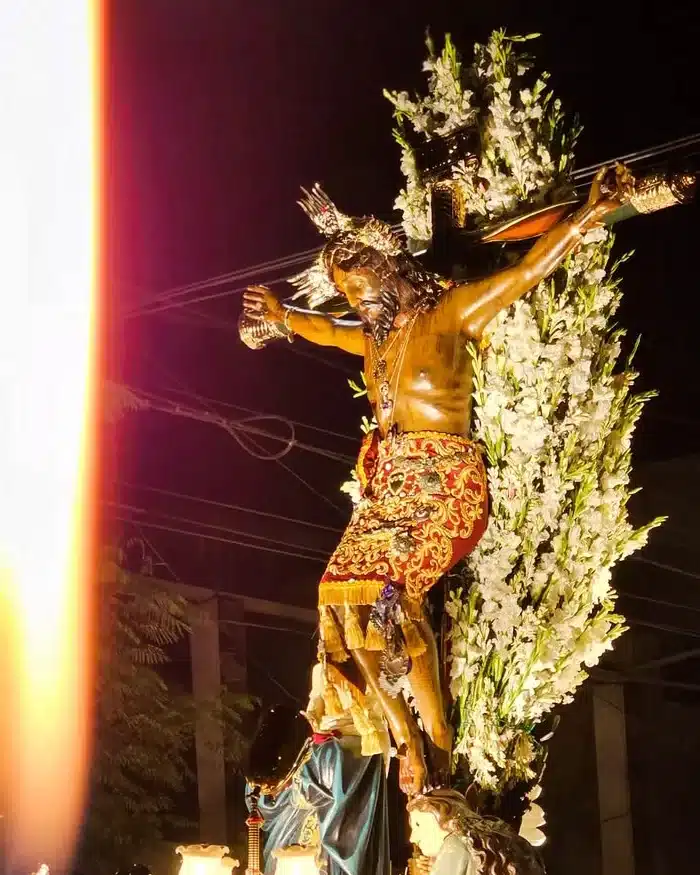
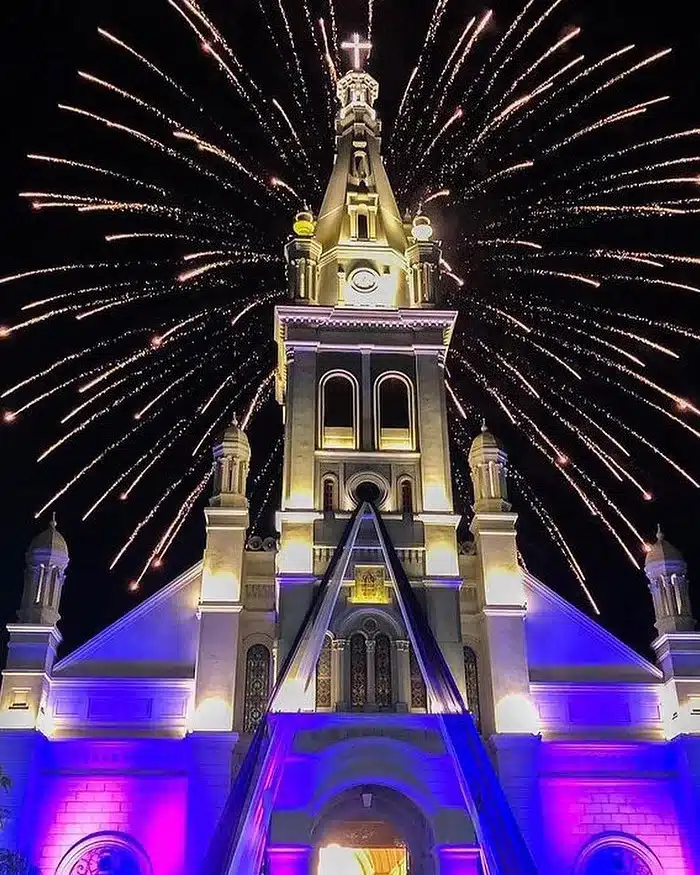
- Location: you’ll find Lord of Luren sanctuary in Ica city center.
- Dates: main festival is celebrated in October, every third Monday of month.
- Origin: image was brought from Spain in 16th century and received name “Luren” after old Ica neighborhood where its first church was built.
- How it’s celebrated: during this festivity you’ll experience massive processions where faithful accompany Crucified Christ with chants, prayers, and demonstrations of deep faith.
- What stands out: it’s most important religious celebration in southern Peru’s small south and symbol of identity and devotion for Ica inhabitants.
Virgin of Cocharcas (Apurímac):
- Location: you can visit her sanctuary in Andahuaylas, in Apurímac region.
- Dates: festival is celebrated on August 15 and continues with activities during part of September.
- Origin: devotion was born in 16th century, inspired by Virgin of Copacabana, whose image was brought to Peru by believing indigenous person.
- How it’s celebrated: you’ll experience walking pilgrimage gathering faithful from different Andean regions like Cusco, Ayacucho, and Apurímac. Additionally, you’ll enjoy processions, fairs, typical dances, and offerings.
- What stands out: it’s one of Peru’s oldest Marian pilgrimages and concentrates deep popular devotion in Andes, becoming encounter of faith and tradition attracting thousands of people each year.
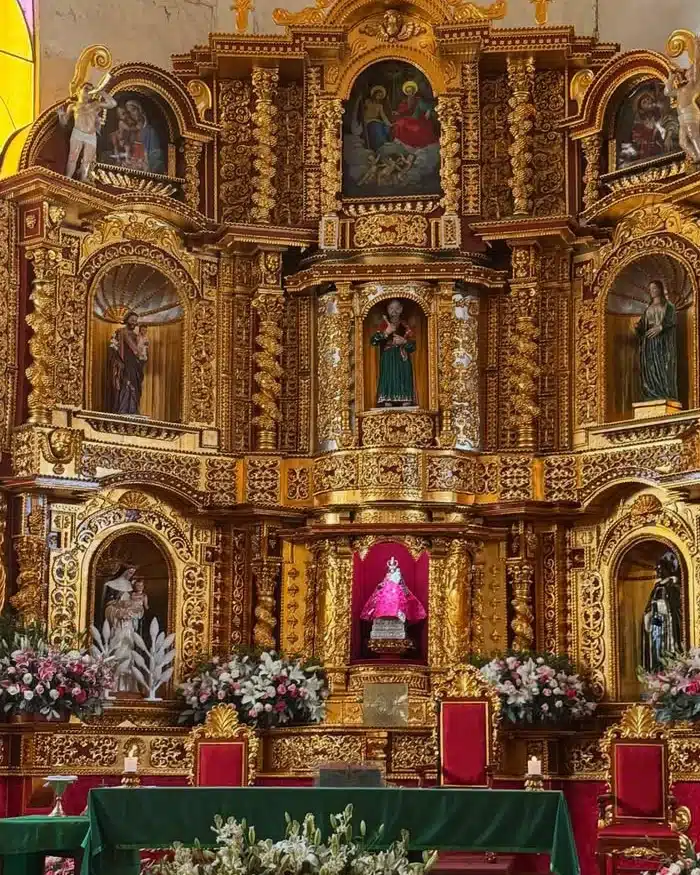
Expert tip:
During Candelaria in Puno, reserve lodging months in advance, city fills with visitors and dancers.
When and how to participate in Andean pilgrimage
If you decide to join Qoyllurit’i, keep in mind this pilgrimage is celebrated between late May and early June, just before Corpus Christi festival.
In case of Virgin of Candelaria in Puno, celebrations begin in late January and extend until second week of February, with February 2 being central day of veneration and main procession.
As spectator, you can participate in processions, masses, and cultural events, besides enjoying colorful dances accompanying festival. In celebrations as large as Candelaria, you’ll see processions of several miles where faithful walk alongside image.
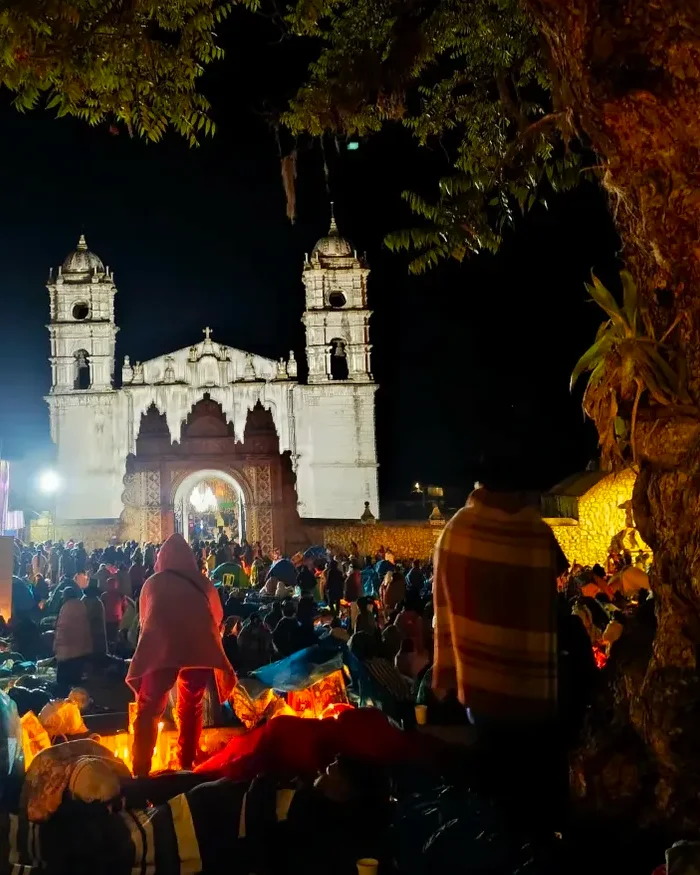
In many cases, pilgrims organize in caravans toward sacred places and spend night in tents or outdoors, sharing moments of faith and community making experience even more special.
What to experience during pilgrimage
Sacred processions with religious images and Andean music
During main festivities you can accompany solemn processions where venerated images like Christs or virgins are carried through streets or Andean paths. In case of Qoyllurit’i, you’ll walk alongside pilgrims from towns like Mahuayani to Sinakara sanctuary, making stops at different sections to pray, sing, and share moments of faith.
Traditional dances with colorful costumes
You’ll also experience charm of troupes: groups of dancers wearing striking costumes, masks, and unique cultural symbols. In Qoyllurit’i, for example, ukukus stand out (characters representing bears) who not only dance, but even ascend to glacier to collect blessed water, act full of mysticism.
Offerings to Pachamama and Apus
Very special moment is offerings or payments to earth. You’ll see how faithful present coca leaves, seeds, chicha, fruits, or flowers as thanksgiving or to ask for protection and blessings. These connection rituals with Pachamama (Mother Earth) and Apus (sacred mountains) will allow you to feel Andes’ spiritual force at its maximum expression.
Gastronomy during pilgrimages
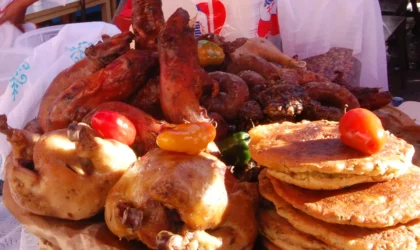
In Andean pilgrimages you’ll not only experience faith and tradition, you’ll also have opportunity to enjoy authentic and festive gastronomy accompanying each celebration.
- Pachamanca: you’ll try meats like beef, pork, cuy, or chicken, cooked underground with hot stones, accompanied by potatoes, sweet potato, fava beans, and choclo. It’s true Andean banquet.
- Chiriuchu: if you’re in Cusco during Corpus Christi, you can’t stop savoring this festive dish mixing cuy, charqui, toasted corn, cheese, dried fish, and more typical products.
- Choclo with cheese: simple but delicious, it’s tender boiled corn accompanied by fresh cheese, ideal as snack during processions.
- Humitas: you’ll enjoy corn dough, sweet or savory, wrapped in choclo leaves and steam cooked, perfect to carry on road.
- Andean empanadas: you’ll find versions filled with meat, chicken, or cheese, very common at fairs and processions.
- Chicken or lamb broth: nothing better than hot dish to comfort you during cold dawns at altitude.
Practical tips for travelers
- Bring layered warm clothing, hat, sunscreen, water, and comfortable walking footwear.
- Rest well before pilgrimage and drink coca tea or local infusions to help acclimatization.
- Reserve lodging and tours in advance.
- Stay hydrated and avoid very heavy meals before long walks at altitude.
- Bring cash in Peruvian soles, as many local vendors don’t accept cards.
- Respect sacred spaces and ask permission before photographing dancers or rituals.
- Consider hiring local guides to better understand pilgrimage’s cultural and spiritual background.
Andean pilgrimages are cultural and spiritual experience connecting you with Andes’ deepest essence. Planning your visit may seem challenging due to dates, altitude, or logistics, but you don’t need to worry. At Waman Adventures we offer personalized advice to organize your trip from transfers, lodging, local guides, and all information you need to live these celebrations without complications. Discover faith, music, and Andean tradition in most authentic way. Write us at +51 979 858 544 or info@wamanadventures.com and live your next adventure.
Frequently asked questions
When are main Andean pilgrimages held?
Pilgrimage to Lord of Qoyllurit’i is celebrated between late May and early June, about 40 days after Holy Week, coinciding with Corpus Christi.
Lord of Miracles is lived throughout October, with central processions on 18th, 19th, 28th, and also November 1st.
Do I need to be religious to attend Andean pilgrimage?
Not necessarily. Many people travel to learn about tradition, music, dances, and spirituality breathed in these celebrations. Although they have Catholic base, they’re also reflection of Andes’ living culture.
Is it difficult to participate in Qoyllur Rit’i?
Somewhat, yes. Keep in mind it involves walking several miles at very high altitudes (between 15,092 and 15,748 feet / 4,600 and 4,800 m above sea level) and through mountainous terrain. You’ll need to acclimatize and have good physical condition. If you prefer something lighter, you can join as spectator on more accessible sections.
Is it safe to attend massive processions like Lord of Miracles?
Yes, as long as you take basic precautions: avoid very dense crowds, watch your belongings, arrive with time, and plan exit route.
Can I take photos during pilgrimages?
Yes, but do it with respect. Don’t interrupt rituals, ask permission if you’ll photograph people up close, and respect areas where photography is restricted for cultural or religious reasons.
What should I pack if going to high altitude pilgrimage?
- Layered clothing (thermals, fleece, windbreaker).
- Light raincoat or poncho.
- Hat or beanie, sunglasses, and sunscreen.
- Sufficient water, energy snacks.
- Coca candies or coca leaves.
What’s difference between Catholic festival in Mexico and Andean pilgrimage?
Great difference is Andean syncretism: here Catholic traditions coexist with ancestral rituals of thanksgiving to Pachamama, Apus, and nature. That mix is what makes them unique.
Is it worth traveling from Mexico just to experience Andean pilgrimage?
Definitely yes. It’s not just religious act, it’s cultural, spiritual, and community experience connecting you with Andes’ essence. It’s one of those experiences staying with you for lifetime.

Share:



Related tours you might be interested in
Enjoy unique experiences in Cusco and Machu Picchu with the peace of mind that comes from working with a local travel agency

Tour to Chinchero, Maras & Moray – Private Service
Discover with us this beautiful, charming and historic places, where we will visit the enigmatic...

2-Day Trip to Machu Picchu from Cusco with Machu Picchu Mountain
LIVE A UNIQUE EXPERIENCE EXPLORING THE BREATHTAKING LANDSCAPES ON A 2-DAY JOURNEY TO MACHU PICCHU...
6-Day Tour Cusco, Sacred Valley, Machu Picchu and Rainbow Mountain
EXPERIENCE THE MAJESTY OF THE INCAS: SACRED VALLEY, MACHU PICCHU & RAINBOW MOUNTAIN IN ONE TRIP If...

6 Day Andean Adventures Tour│With Flights from Chile
ENJOY THE BEST OF CUSCO CITY – MUST VISIT DESTINATIONS ARE WAITING FOR YOU! Want to explore Cusco...
If you liked this article and the information you found, give us 5 stars!
Table of Contents
Related blogs
Mexican Peso to Peruvian Sol in Cusco: Safe and Easy Exchange Guide
10 min of reading