


Things to Do in Cusco — City Sights, Culture and Day Trips
Ultima actualización en 16 September, 2026 por Jhon Quispe
Last Updated on 16 September, 2026 by Jhon Quispe
What Are the Best Things to Do in Cusco?
For a first visit, prioritize Plaza de Armas, Qorikancha, Sacsayhuamán, San Blas and San Pedro Market. Together, they cover Cusco’s Inca history, colonial architecture, local life, food and some of the city’s best viewpoints without requiring a full-day excursion. After you have had time to adjust to the altitude, add the Sacred Valley for archaeology and culture or Rainbow Mountain and Humantay Lake for higher-altitude hiking. The best order depends more on your available days and acclimatization than on checking off every attraction.
- Best Things to Do in Cusco at a Glance
- Explore Cusco’s Historic Center
- Visit the Inca Sites Around Cusco
- Experience Everyday Cusco at San Pedro Market
- Try Unique Cultural Experiences in Cusco
- Try Cusco’s Local Food
- Enjoy the Best Views of Cusco
- Take a Day Trip from Cusco
- Experience Cusco’s Festivals and Traditions
- Best Things to Do in Cusco Depending on Your Trip
- Practical Tips Before Exploring Cusco
-
Frequently Asked Questions About Things to Do in Cusco
- What are the best things to do in Cusco for first-time visitors?
- What can I do in Cusco in two or three days?
- What are some unique things to do in Cusco?
- What are the best things to see within Cusco city?
- What are the best day trips from Cusco?
- What are good things to do in Cusco with children?
- Are there things to do in Cusco during the rainy season?
- Should I visit Cusco before Rainbow Mountain or Humantay Lake?
The best things to do in Cusco depend on how many days you have and how quickly you adjust to the altitude. Cusco offers much more than a stop before Machu Picchu. The city combines Inca history, colonial architecture, markets, food, festivals and high-Andean landscapes, so the best itinerary depends on how much time you have and whether you prefer culture, gastronomy, archaeology or outdoor adventure.
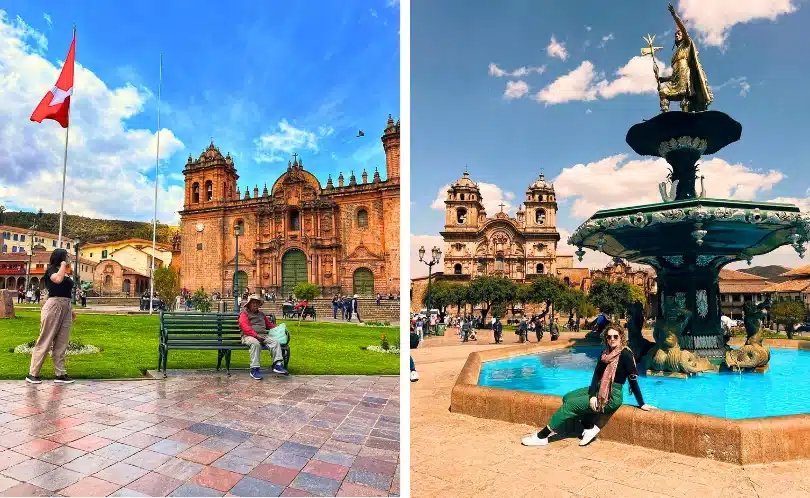
Best Things to Do in Cusco at a Glance
| Experience | Why go | Best for |
| Plaza de Armas | Historic center, churches and city atmosphere | First-time visitors |
| Qorikancha | Inca stonework and colonial architecture in the same complex | History and archaeology |
| Sacsayhuamán | Monumental Inca stonework above Cusco | Archaeology and panoramic views |
| San Blas | Traditional streets, artisans and viewpoints | Walking and photography |
| San Pedro Market | Food, produce, breads, handicrafts and everyday local life | Culture and gastronomy |
| Cusco cuisine | Traditional Andean dishes and contemporary restaurants | Food lovers |
| Cristo Blanco and San Cristóbal | Wide views over Cusco | Photography and sunsets |
| Sacred Valley | Inca sites, villages and Andean landscapes | Full-day cultural trip |
| Rainbow Mountain | High-altitude hike and colorful mountain scenery | Adventure |
| Humantay Lake | Turquoise glacial lake surrounded by mountains | Hiking and nature |
Explore Cusco’s Historic Center
The historic center concentrates several of the most important things to see in Cusco within walking distance. It is the best place to begin because you can move between Inca foundations, colonial buildings, plazas, museums, restaurants and traditional neighborhoods without leaving the central part of the city.
Plaza de Armas
The Plaza de Armas is the heart of modern Cusco and one of the easiest places to begin understanding the city’s transformation from an Inca capital into a colonial and contemporary urban center.
During the Inca period, the wider central plaza played an important ceremonial and political role. Today it is surrounded by colonial arcades, churches, restaurants and historic buildings and remains an important setting for celebrations such as Corpus Christi and Inti Raymi.
| Where | Historic center of Cusco |
| Why visit | Architecture, history, restaurants, events and an easy starting point for exploring the city |
| Best moment | Early morning for a quieter atmosphere or late afternoon for changing light over the surrounding hills |
| Useful tip | Use the plaza as your reference point for walking toward San Blas, Qorikancha, San Pedro Market or San Cristóbal. |
Qorikancha
Qorikancha, commonly known as the Temple of the Sun, was one of the most important religious complexes of the Inca world.
Its main attraction today is the contrast between finely worked Inca stone walls and the colonial structures of the Santo Domingo complex built above them. The site provides one of the clearest examples in central Cusco of how different historical periods occupy the same physical space.

| Where | Near Avenida El Sol, within walking distance of Plaza de Armas |
| Why visit | Inca engineering, religious history and the contrast between Inca and colonial architecture |
| Useful tip | A guided explanation can make the architectural and historical details much easier to understand. |
Cusco Cathedral
The Cathedral of Cusco dominates one side of the Plaza de Armas and contains an important collection of religious art associated with the Cusco School.
Its architecture and artwork reflect the interaction between European religious traditions and Andean imagery that developed during the colonial period.

Walk Through San Blas
San Blas is one of the most enjoyable neighborhoods to explore on foot. Narrow streets, stone steps, traditional houses, artisan workshops and small cafés create a very different atmosphere from the wider streets around the Plaza de Armas.
The climb into the neighborhood also opens views over the historic center.
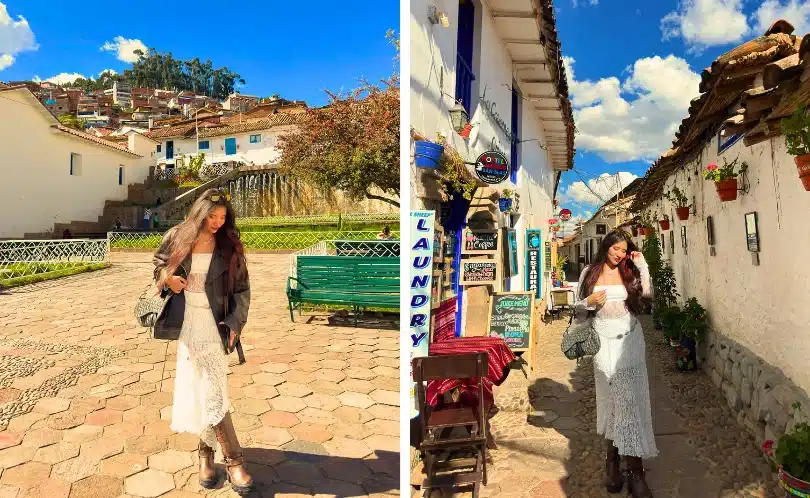
| Where | Uphill from the historic center, roughly 10–15 minutes walking from Plaza de Armas |
| Why visit | Artisans, traditional streets, cafés, photography and city views |
| Useful tip | Walk slowly uphill, especially during your first days in Cusco, because the altitude makes even short climbs feel more demanding. |
Visit the Inca Sites Around Cusco
You do not need to travel as far as the Sacred Valley to see major Inca archaeological sites. Several important complexes are located immediately outside the city and can be combined in a half-day excursion.
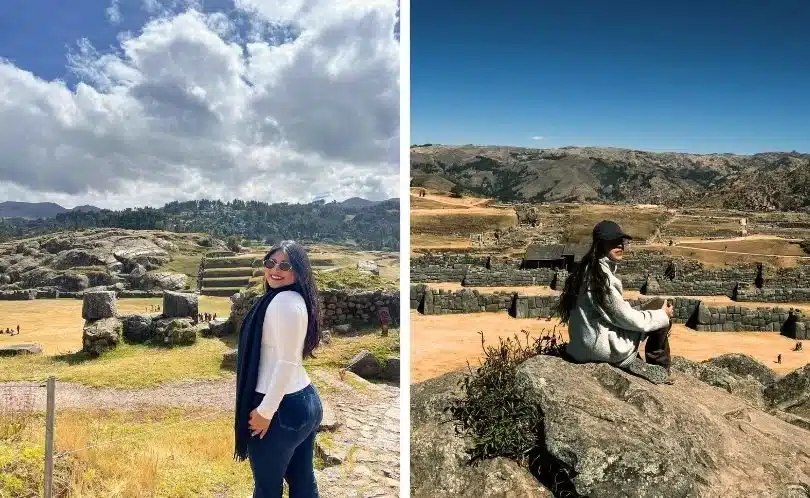
Sacsayhuamán
Sacsayhuamán is one of the most impressive archaeological complexes near Cusco. Its enormous polygonal stones and precisely fitted walls make it one of the clearest examples of monumental Inca stonework. The site also occupies an elevated position above the city and plays a central role in modern Inti Raymi celebrations.
Q’enqo
Q’enqo is a smaller archaeological complex known for carved rock features and ceremonial spaces. Its scale is much smaller than Sacsayhuamán, making it more meaningful when visited as part of the same archaeological route.
Puka Pukara
Puka Pukara occupies a strategic position along an old route northeast of Cusco. Its terraces, walls and elevated location help visitors understand the broader network of Inca infrastructure around the former capital.
Tambomachay
Tambomachay is known for its channels and flowing water features constructed into finely worked stone. Visiting these four sites together provides a much fuller picture than simply seeing Sacsayhuamán alone.

The Cusco City Tour combines colonial heritage and Inca architecture through several of the city’s main historical and archaeological attractions and nearby sites.
Experience Everyday Cusco at San Pedro Market
San Pedro Market offers a different experience from Cusco’s monumental attractions. Here the focus is daily life, food, produce and local commerce rather than archaeological history. You can walk through stalls selling fruits, vegetables, cheeses, traditional breads, prepared dishes, medicinal herbs, textiles and souvenirs.

| Where | Near Santa Clara and Cascaparo, about 10 minutes walking from Plaza de Armas |
| What to look for | Fresh juices, traditional breads, Andean cheeses, soups, local snacks, produce and handicrafts |
| Best moment | Morning, when activity and product variety are generally greater |
| Useful tip | Carry some cash and ask the price before ordering food or purchasing products. |
Try Unique Cultural Experiences in Cusco
Not every activity in Cusco needs to involve an archaeological monument. Workshops and community experiences can add context to the textiles, ingredients and traditions you see throughout the region.
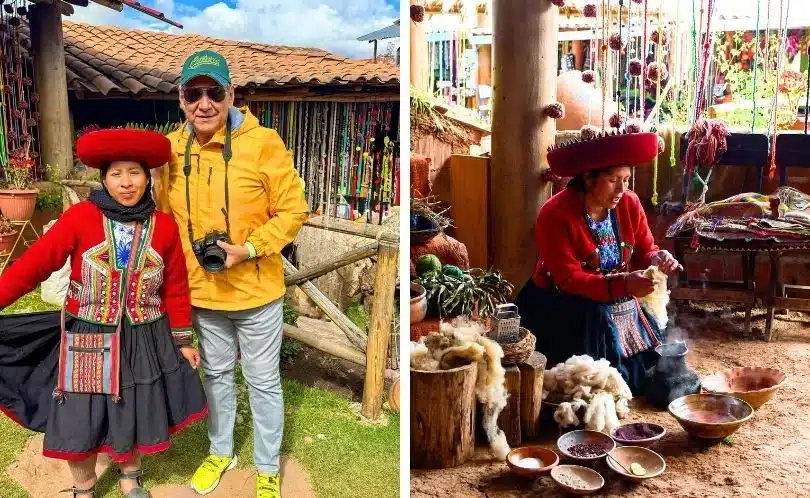
Join an Andean Textile Experience
Textile demonstrations and workshops introduce travelers to traditional spinning, natural dyes and weaving techniques still used by Quechua-speaking communities in the Cusco region. Chinchero is one of the best-known places for this type of experience, although it lies outside the city and is normally visited as part of a Sacred Valley or community-focused excursion.
Take a Chocolate Workshop
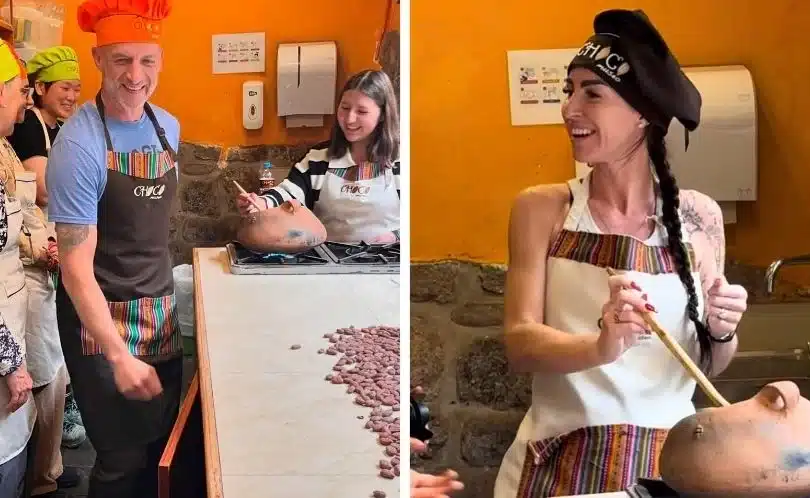
A chocolate workshop is an easy cultural activity to combine with sightseeing in the historic center. At ChocoMuseo, visitors can learn about cacao and participate in workshops that include roasting, grinding and preparing chocolate products.
Try an Andean Cooking Experience
Cooking workshops can introduce you to Peruvian ingredients and preparation techniques rather than limiting the food experience to ordering from a restaurant. Depending on the program, activities can include market visits, preparing traditional dishes or learning about cooking methods such as pachamanca.
Try Cusco’s Local Food
Food is one of the easiest ways to add another layer to your experience of Cusco.
Traditional dishes reflect both Andean ingredients and regional cooking traditions.
- Cusco adobo: pork prepared with chicha de jora, ají and spices.
- Chiri Uchu: a traditional dish closely associated with Corpus Christi celebrations.
- Baked guinea pig: one of the region’s best-known traditional preparations.
- Quinoa soup: a simple Andean preparation particularly appealing on cold days.
- Pachamanca: meat, potatoes and other ingredients traditionally cooked using heated stones.
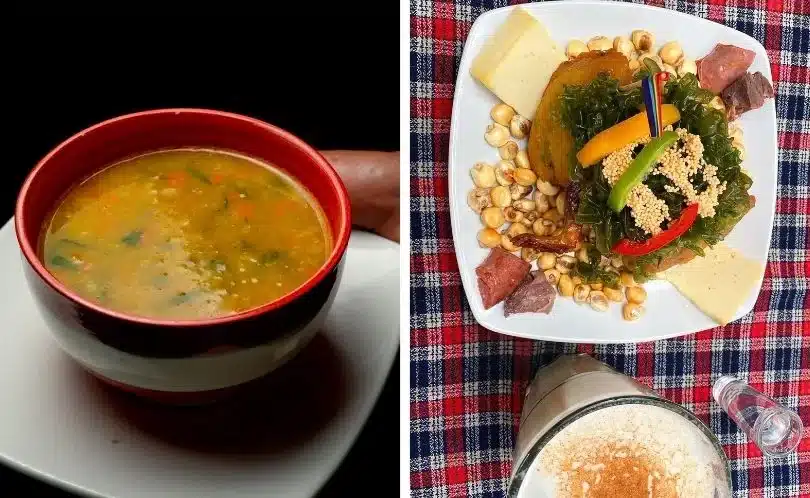
Cusco also has contemporary restaurants, vegetarian and vegan options, cafés and international food, so you do not need to eat traditional dishes at every meal to experience the city’s food scene.
Enjoy the Best Views of Cusco
Cusco sits in a valley surrounded by hills, so several viewpoints offer wide views over the historic center and surrounding mountains.
San Cristóbal Viewpoint
The area around San Cristóbal provides a broad view over the central city and is conveniently positioned between Plaza de Armas and the higher archaeological area around Sacsayhuamán.
| Where | Above the historic center near San Cristóbal Church |
| Why visit | Panoramic city views and an easy stop when walking toward Sacsayhuamán |
Cristo Blanco
Cristo Blanco stands on the hills above Cusco near Sacsayhuamán and provides another broad view across the valley. It works especially well as part of an archaeological or panoramic route rather than as a separate long excursion.

Take a Day Trip from Cusco
Once you have explored the city itself, some of the best things to do around Cusco require a full day away from the historic center.
Explore the Sacred Valley
The Sacred Valley follows the Vilcanota River and contains important archaeological sites and traditional towns.
Common stops include:
- Pisac
- Ollantaytambo
- Chinchero
- Moray
- Maras
The Sacred Valley is the strongest choice if you want archaeology and culture without committing to a demanding high-altitude hike.
Hike Rainbow Mountain
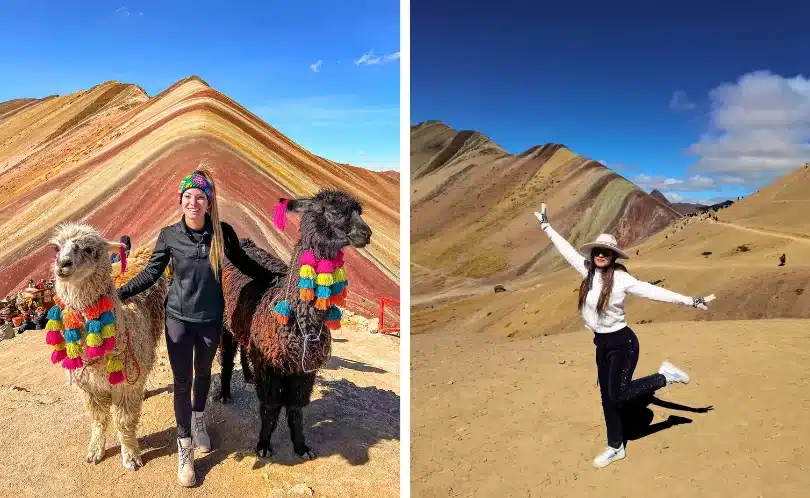
Rainbow Mountain, also known as Vinicunca, is a high-altitude excursion known for its mineral-colored slopes and wide Andean landscapes. The main challenge is altitude rather than distance alone, so it is better scheduled after you have spent some time in Cusco rather than immediately after arriving.
Visit Humantay Lake
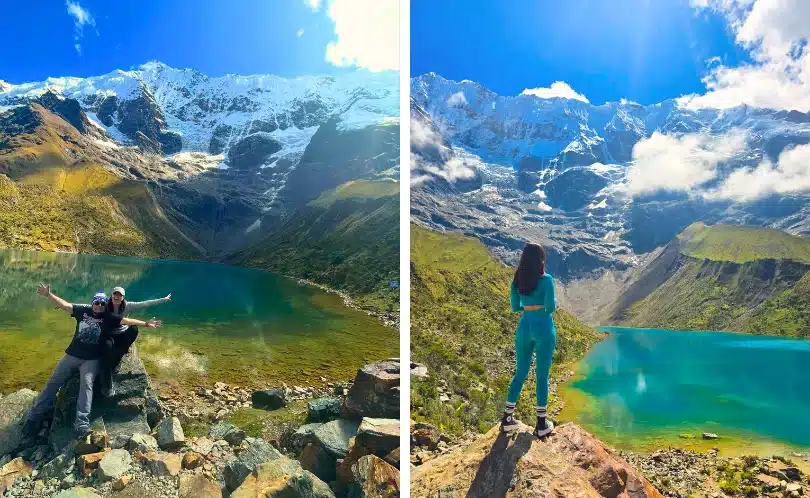
Humantay is a turquoise glacial lake located beneath high Andean peaks. The hike is steep and takes place at significant altitude, so the experience is more physically demanding than sightseeing in Cusco or the Sacred Valley.
Experience Cusco’s Festivals and Traditions
Your travel dates can completely change what you experience in the city.
| Celebration | Typical period | Why it matters |
| Inti Raymi | June 24 | Major modern celebration inspired by the Inca Festival of the Sun, with ceremonies in central Cusco and Sacsayhuamán |
| Corpus Christi | Usually May or June | Important religious celebration with processions through central Cusco |
| Carnival | February or March | Music, local festivities and celebrations during the rainy season |
| Santurantikuy | December 24 | Traditional Christmas market in and around the Plaza de Armas |
If a particular celebration matters to you, confirm the annual calendar before booking because some dates change from year to year.
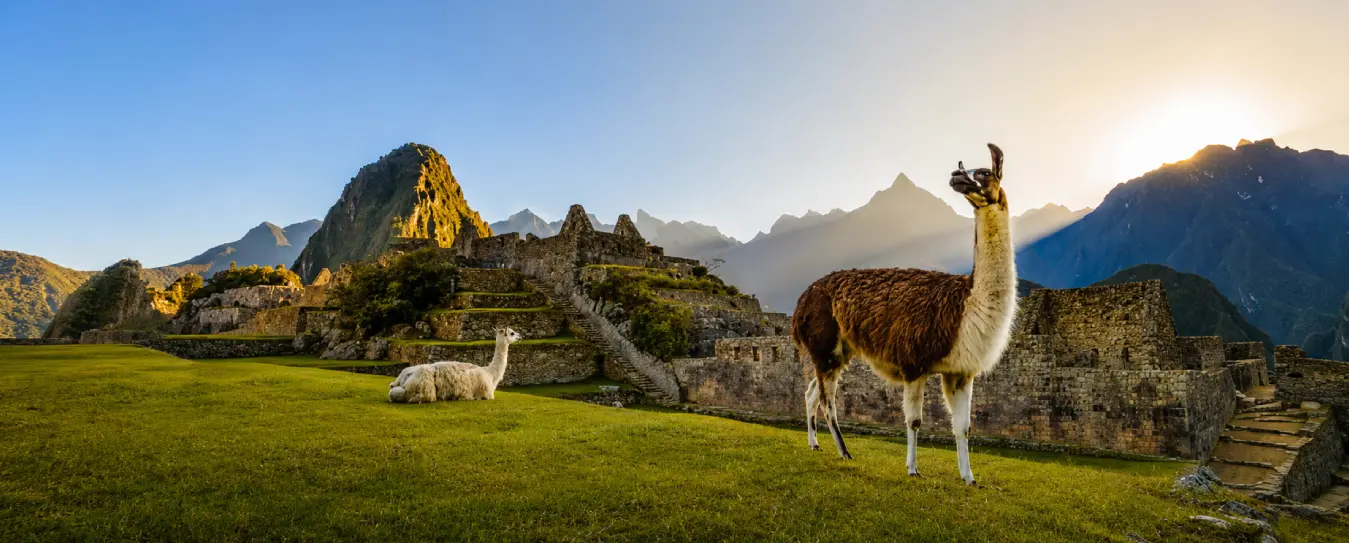
Best Things to Do in Cusco Depending on Your Trip
If You Have One Day in Cusco
Focus on the city rather than trying to add a distant day trip.
- Plaza de Armas
- Qorikancha
- San Blas
- San Pedro Market
- San Cristóbal or Cristo Blanco
This gives you a mix of Inca history, colonial architecture, local life and city views without spending most of the day in transportation.
If You Have Two or Three Days
Use the first day for the historic center, then add Sacsayhuamán, Q’enqo, Puka Pukara and Tambomachay. On the following day, choose one major excursion such as the Sacred Valley, Rainbow Mountain or Humantay Lake according to your interests and how well you have adapted to the altitude.
If You Are Traveling with Family
Family-friendly options include San Blas, San Pedro Market, chocolate workshops, cooking classes and the main historic-center attractions. High-altitude excursions such as Rainbow Mountain or Humantay Lake require more careful consideration because the physical demands are very different from walking around Cusco.
If You Prefer History and Culture
Prioritize Qorikancha, Sacsayhuamán, the Cathedral, the nearby Inca archaeological sites, San Pedro Market and a Sacred Valley excursion.
If You Prefer Outdoor Adventure
Use Cusco as a base for Rainbow Mountain, Humantay Lake and longer trekking experiences in the surrounding Andes.
Practical Tips Before Exploring Cusco
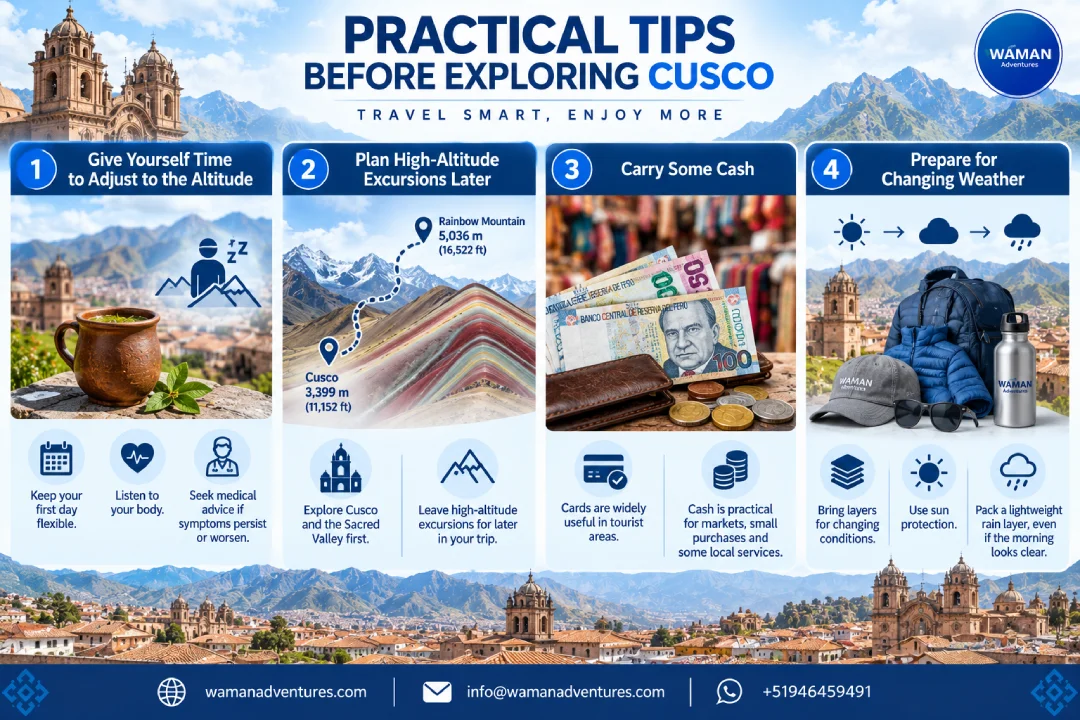
The infographic summarizes practical advice for the first days in Cusco, including acclimatizing gradually, postponing demanding high-altitude trips, carrying some cash and dressing in layers.
Frequently Asked Questions About Things to Do in Cusco
What are the best things to do in Cusco for first-time visitors?
What can I do in Cusco in two or three days?
What are some unique things to do in Cusco?
What are the best things to see within Cusco city?
What are the best day trips from Cusco?
What are good things to do in Cusco with children?
Are there things to do in Cusco during the rainy season?
Should I visit Cusco before Rainbow Mountain or Humantay Lake?

Share:



Related tours you might be interested in
Enjoy unique experiences in Cusco and Machu Picchu with the peace of mind that comes from working with a local travel agency
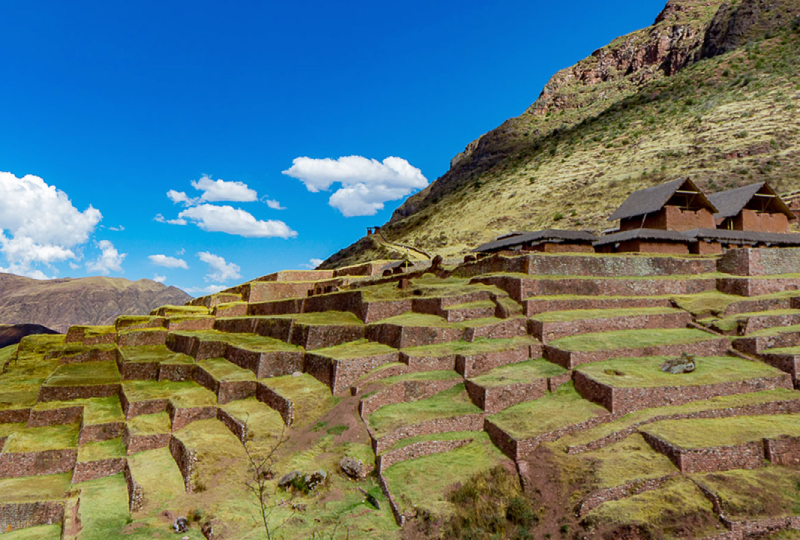
Huchuy Qosqo Hike – Full day
HUCHUY QOSQO: ADVENTURE, HISTORY, AND NATURE IN ONE DAY Perched high above the Sacred Valley,...
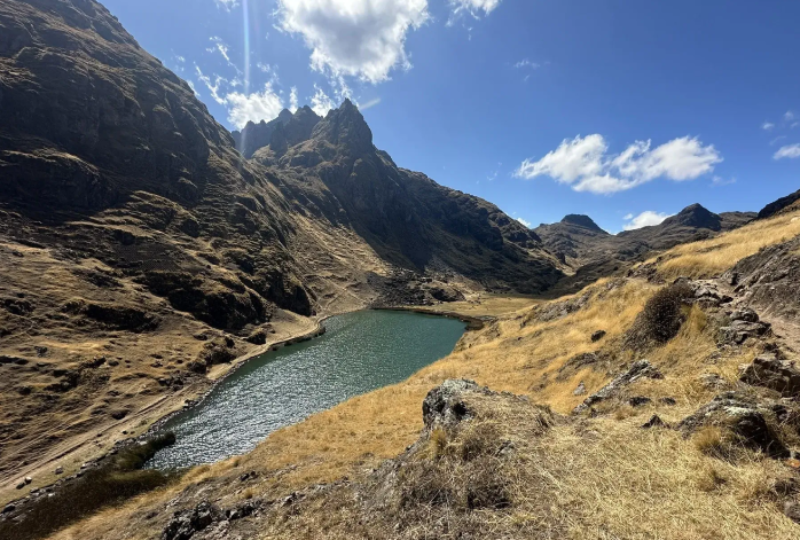
Pisac Lakes Trek: Three Sacred Andean Lagoons
A ONE-DAY ADVENTURE THROUGH HIGH-ANDES LAGOONS NEAR CUSCO Discover three high Andean lagoons on a...
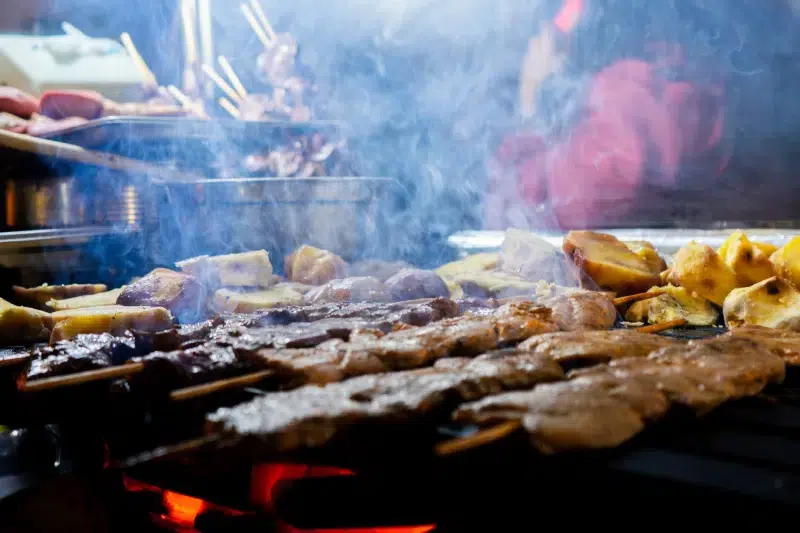
Cusco Flavor Routes: Local Cuisine and Pisco Sour
LIVE THE LOCAL FLAVORS OF CUSCO AT SUNSET Step into Cusco’s everyday life as you wander through its...
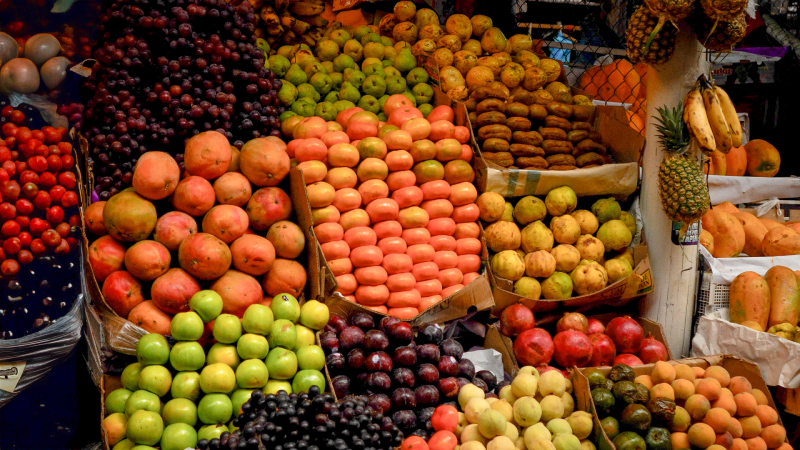
Cusco Market Tour and Local Flavors
EXPERIENCE THE AUTHENTIC MARKETS OF CUSCO LIKE A LOCAL Immerse yourself in the daily essence of...
View tourIf you liked this article and the information you found, give us 5 stars!
Table of Contents
Related blogs

Huchuy Picchu or Machu Picchu: Discover the Best Hike for Your Trip
8 min of reading
Exploring Red Valley Cusco: A Hidden Paradise Next to Rainbow Mountain
10 min of reading


