Mexican Peso to Peruvian Sol in Cusco: Safe and Easy Exchange Guide
Ultima actualización en 21 November, 2025 por Waman Adventures
Last Updated on 21 November, 2025 by Waman Adventures
- Know Peruvian currency: the sol (PEN)
- Why exchange Mexican peso to Peruvian sol directly in Cusco
- Where to exchange money in Cusco (safe and hassle free)
- How exchange rate works in Peru
- Tips to get best exchange rate
- Security and how to avoid fraud
- Practical example for Mexican travelers
-
Frequently asked questions about exchanging pesos to soles in Cusco
- Can I exchange pesos at Cusco airport?
- Where do I get best rate?
- Do they accept large bills of 500 or 1,000 Mexican pesos?
- Can I pay with Mexican pesos in Cusco?
- What hours do exchange houses have?
- Is it safe to exchange money in Cusco?
- Can I use ATMs?
- Can I use digital applications to exchange or transfer money to Peru?
Exchanging money is one of those details that can make difference in your trip. If you plan to visit imperial city you must know where, when, and how to exchange Mexican peso to Peruvian sol in Cusco; this will help you save and move without complications. In this guide we explain everything you need to know to exchange Mexican peso to Peruvian sol safely from how local currency works to where to find best exchange rates.
Know Peruvian currency: the sol (PEN)
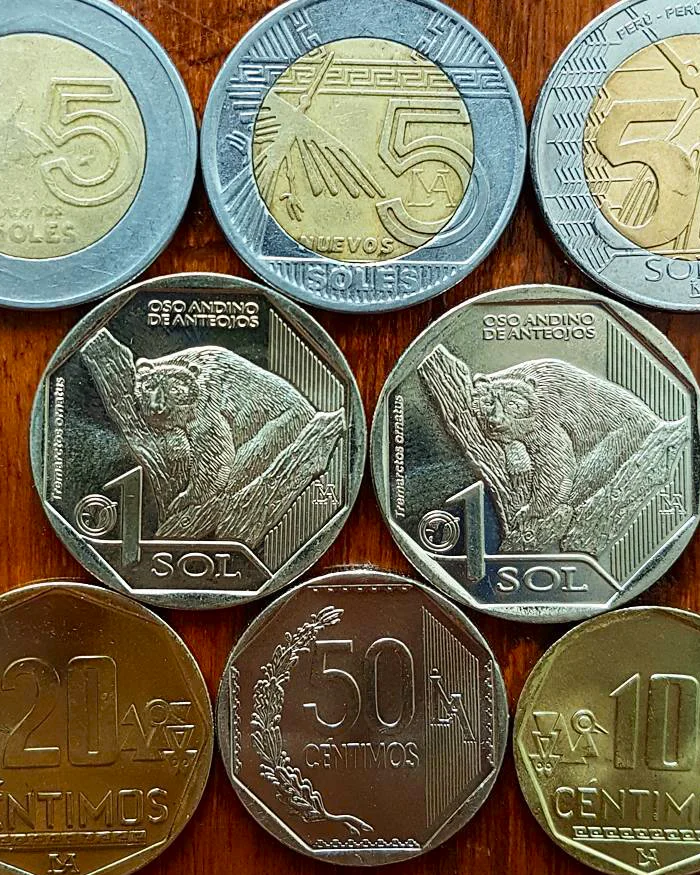
Peruvian sol (S/) is country’s official currency since 1991, when it replaced Inti as part of economic reform seeking to stabilize economy. During your trip through Peru you’ll find both bills and coins, and each has different use depending on type of purchase you make.
S/ 10 and S/ 20 bills are used for daily expenses, like taxis, meals, or tourist entrance fees. S/ 50 bills are practical for medium purchases, while S/ 100 and S/ 200 bills are usually for larger payments, like hotels, excursions, or tours.
Regarding coins, most common are S/ 1, S/ 2, and S/ 5, along with 10 cent, 20 cent, and 50 cent coins. These last ones are perfect for small purchases at markets, local stores, or public transportation.
In Cusco, practically all operations like transportation, meals, tourist entrance fees, or market purchases are paid in soles. Having local money will allow you to move easily and make most of your trip without depending on cards or bank commissions.

Why exchange Mexican peso to Peruvian sol directly in Cusco
Many travelers think it’s better to exchange your money before leaving Mexico. However, exchanging your pesos to soles directly in Cusco is usually much more convenient thanks to wide competition among local exchange houses. In city you’ll find numerous specialized offices located in central areas, like Avenida El Sol and surroundings of Plaza de Armas.
Exchange houses in Cusco usually offer more competitive rates than banks or airports. By exchanging your money there, you also avoid hidden costs and intermediate margins usually applied when making multiple conversions, like peso → dollar → sol.
Additionally, you can compare prices between different exchange houses, as in Cusco it’s common for nearby offices to offer slightly different rates. Although variation may seem minimal, when exchanging larger sums it can represent significant difference in what you receive.
Keep in mind that local economy functions mainly with cash in soles. In markets, taxis, small restaurants, and tourist areas, most practical is to pay directly with local currency. Therefore, always carry some soles with you to move freely and avoid last minute setbacks or losses from unfavorable exchange rate.
Expert tip:
Exchange in two moments, small amount upon arrival (immediate expenses) and rest when you locate best rate downtown.
Where to exchange money in Cusco (safe and hassle free)
When you arrive in Cusco, exchanging your pesos or dollars for soles will be one of first things you must do. Good news is city offers several safe and reliable options, both in official exchange houses and banks. Important thing is to choose authorized place giving you good rate and allowing you to make exchange without complications.
Official exchange houses
Authorized exchange houses offer best rates and fast service. Most recommended by travelers and locals are found on Avenida El Sol, main avenue of historic center, and surroundings of Plaza de Armas. Normally they operate between 8:00 a.m. and 8:00 p.m., and are highly frequented by tourists from all over world.
Recognized houses
- Multi Dólar – Av. El Sol 320
- Super Cambios Cusco – Av. El Sol 180, across from BCP
- Casa de Cambio Los Amigos – near Plaza de Armas
- La Moneda – Av. El Sol
Remember that:
Exchange only at authorized exchange houses or banks; avoid exposing large sums and store cash immediately in different pockets.
Banks
If you prefer prioritizing security over exchange rate, you can go to recognized banks like Banco de Crédito del Perú (BCP), BBVA, Interbank, or Scotiabank. All offer currency exchange services at teller window, with advantage that bills are verified electronically and transactions are recorded.
Keep in mind that banks usually handle slightly less favorable rates than private exchange houses. Additionally, their hours are more limited: most attend from 9:00 a.m. to 4:00 p.m., Monday to Friday.
Airport
At Alejandro Velasco Astete International Airport you’ll also find currency exchange counters, although their rates are less competitive. Exchanging money there is only recommended to cover immediate expenses, like taxi, quick meal, or tip upon arrival. Once downtown, you can get better values.
Avoid street money changers
In areas like Avenida El Sol or surroundings of Plaza de Armas, you’ll see people with vests offering money exchange. Although some may work honestly, exchanging on street is not recommended. There are risks of receiving counterfeit bills, incorrect counts, or manipulated exchange rates.
For your safety, always make your operations at authorized exchange houses or recognized banks. Additionally, avoid showing large amounts of money in public and store your bills discreetly.

How exchange rate works in Peru
In Peru, exchange rate is regulated by Central Reserve Bank of Peru (BCRP), which publishes daily reference rate. However, BCRP doesn’t directly fix values at which currencies like dollar or Mexican peso are bought or sold; that depends on supply and demand in market.
Exchange houses and banks apply small margin or commission over that reference rate, explaining differences you can find between different locations. Therefore, before exchanging your money, it’s worth comparing prices and carefully reviewing boards.
To check real rate of day:
- Check reliable platforms like Wise, XE.com, or even Google, searching “MXN to PEN”.
- Observe boards showing buy and sell rates at local exchange houses before making operation.
- Avoid exchanging money on Sundays or holidays, when there’s less competition and rates tend to be less favorable for travelers.
Tips to get best exchange rate
- Always bring new bills or in excellent condition. In Peru, old, torn, stained, or deteriorated bills are usually rejected at exchange houses or banks, regardless of their value.
- Before exchanging your money, compare rates at least at two or three different exchange houses. Sometimes difference may seem minimal, but when exchanging large amount, it’s quite noticeable.
- Avoid exchanging money at airports, hotels, or very touristy areas, as rates there tend to be less favorable. Always ask if exchange house applies additional commissions or surcharges before handing over your bills.
- If you decide to use ATMs, choose large and reliable banks like BCP or BBVA, and verify with your bank in Mexico what international fees are for withdrawal or currency conversion.
- In local markets or small stores, avoid paying with card, as many don’t accept it. For those cases, carry cash in soles.
- You can also bring US dollars from Mexico, as they’re widely accepted in Peru and have more stable exchange rate.


Security and how to avoid fraud
- When exchanging money in Cusco, security should be your priority. Conduct your operations only at authorized exchange houses, with visible sign, established address, and identified personnel.
- Upon receiving money, count bills in front of cashier and make sure to ask for voucher or receipt of transaction. This document can be useful if you notice any difference or need to file claim later.
- Always keep your receipts and avoid showing large sums of money in public, especially in crowded places like San Pedro Market or Plaza de Armas. If you need to exchange large amounts, do it in several small operations.
- It’s also important to verify authenticity of Peruvian bills. Real soles have watermark, security thread, microprints, and special texture to touch.
- If you suspect bill may be counterfeit, compare it with another of same value or go to BCP branch, Interbank, or BBVA to have it checked. Banks have machines detecting counterfeits and can confirm if your bill is authentic.

Practical example for Mexican travelers
To give you idea of how much your pesos are worth in Peru:
| Mexican pesos (MXN) | Peruvian soles (approx.) | What you can cover with that amount in Cusco |
| $500 MXN | S/ 95 | Local transportation and complete lunch. |
| $1,000 MXN | S/ 190 | Two meals, tourist entrance fees and transfers within Cusco. |
| $2,000 MXN | S/ 380 | Short tours, souvenirs and basic expenses for two days. |
Exchanging your pesos to soles in Cusco will be your first step to enjoying trip stress free. With bit of information you can get good rate, avoid fraud, and handle your money with total peace of mind. Having soles in pocket will allow you to move at your pace, try local food, visit most emblematic places, and buy souvenirs without worrying about commissions or rejected payments.
And if you want your experience to be even easier, at Waman Adventures we help you plan everything: transfers, tours, and best local tips. Write us at +51 979 858 544 and travel with confidence that everything is under control.
Frequently asked questions about exchanging pesos to soles in Cusco
Can I exchange pesos at Cusco airport?
Yes, at Alejandro Velasco Astete International Airport there’s at least one exchange house located on first floor.
However, they don’t accept Mexican pesos, only currencies like dollars, euros, or pounds sterling. Additionally, exchange rates at airport tend to be less favorable than those you’ll find in downtown Cusco.
Where do I get best rate?
Best rates you’ll find at exchange houses on Avenida El Sol and streets near Plaza de Armas. Some most recommended by travelers are Multi Dólar, Super Cambios Cusco, and Casa de Cambio Los Amigos.
These houses usually operate from 8:00 a.m. to 8:00 p.m., and offer fast and safe service.
Do they accept large bills of 500 or 1,000 Mexican pesos?
Some exchange houses might accept them, but it’s not most common. Most prefer medium bills in very good condition, as large, deteriorated, or infrequent bills tend to be rejected.
Can I pay with Mexican pesos in Cusco?
No. In Peru, only officially accepted payment method is Peruvian sol (PEN). Some hotels or tourist agencies may accept US dollars, but Mexican pesos are not accepted for direct payments.
What hours do exchange houses have?
Most open between 8:00 a.m. and 9:00 a.m., and close between 7:00 p.m. and 8:00 p.m. Banks like BCP, BBVA, or Interbank usually attend from 9:00 a.m. to 6:00 p.m., although some close on Sundays or have reduced hours.
Is it safe to exchange money in Cusco?
Yes, as long as you do it at official exchange houses or recognized banks. Avoid exchanging money with street money changers, as you could receive counterfeit bills or incorrect amounts.
Can I use ATMs?
Yes. In Cusco’s historic center you’ll find ATMs accepting international cards (Visa, Mastercard, American Express, etc.). Still, check with your bank in Mexico for international commissions they might apply per withdrawal.
Can I use digital applications to exchange or transfer money to Peru?
Yes, it’s practical and safe option. Platforms like Wise, Revolut, or Western Union allow sending money from Mexico and receiving it in soles directly in Peru or in local accounts.

Share:




Related tours you might be interested in
Enjoy unique experiences in Cusco and Machu Picchu with the peace of mind that comes from working with a local travel agency

Tour to Chinchero, Maras & Moray – Private Service
Discover with us this beautiful, charming and historic places, where we will visit the enigmatic...

2-Day Trip to Machu Picchu from Cusco with Machu Picchu Mountain
LIVE A UNIQUE EXPERIENCE EXPLORING THE BREATHTAKING LANDSCAPES ON A 2-DAY JOURNEY TO MACHU PICCHU...
6-Day Tour Cusco, Sacred Valley, Machu Picchu and Rainbow Mountain
EXPERIENCE THE MAJESTY OF THE INCAS: SACRED VALLEY, MACHU PICCHU & RAINBOW MOUNTAIN IN ONE TRIP If...

6 Day Andean Adventures Tour│With Flights from Chile
ENJOY THE BEST OF CUSCO CITY – MUST VISIT DESTINATIONS ARE WAITING FOR YOU! Want to explore Cusco...
If you liked this article and the information you found, give us 5 stars!
Table of Contents
Related blogs