Salkantay vs Mexico Mountains: Which Epic Challenge Fits Your Travel Style?
Ultima actualización en 21 November, 2025 por Waman Adventures
Last Updated on 21 November, 2025 by Waman Adventures
- Salkantay
- Salkantay Trekking the Andean jewel taking you to Machu Picchu
- Mexico mountains: national pride and adventure gateway
- Salkantay vs Mexico Mountains: differences that matter
- If you choose Salkantay: practical tips for your Peru trip
- If you prefer Mexico mountains: routes and recommendations
- How to decide: choose according to your traveler style
-
Frequently asked questions
- How difficult is Salkantay Trek for Mexican traveler?
- Which is higher: Salkantay or Pico de Orizaba?
- How much does Salkantay Trek approximately cost?
- Do I need to hire agency or can I do these routes on my own?
- What’s best time for each destination?
- What equipment do I need for each adventure?
- Can I combine both destinations?
- Is it safe to do these routes?
Salkantay vs Mexico Mountains brings together two of the most iconic adventure routes in Latin America. The Salkantay Trek in Peru leads you along an ancient Andean path toward Machu Picchu, crossing glaciers, high mountain passes, deep valleys, and cloud forest landscapes rich in history and nature.
In contrast, the Mexico Mountains such as Pico de Orizaba and Iztaccíhuatl offer the chance to climb towering volcanoes and enjoy dramatic scenery without leaving the country. In this guide you’ll learn their key differences, difficulty levels, and the essential tips to choose the adventure that best fits your travel style.
Salkantay
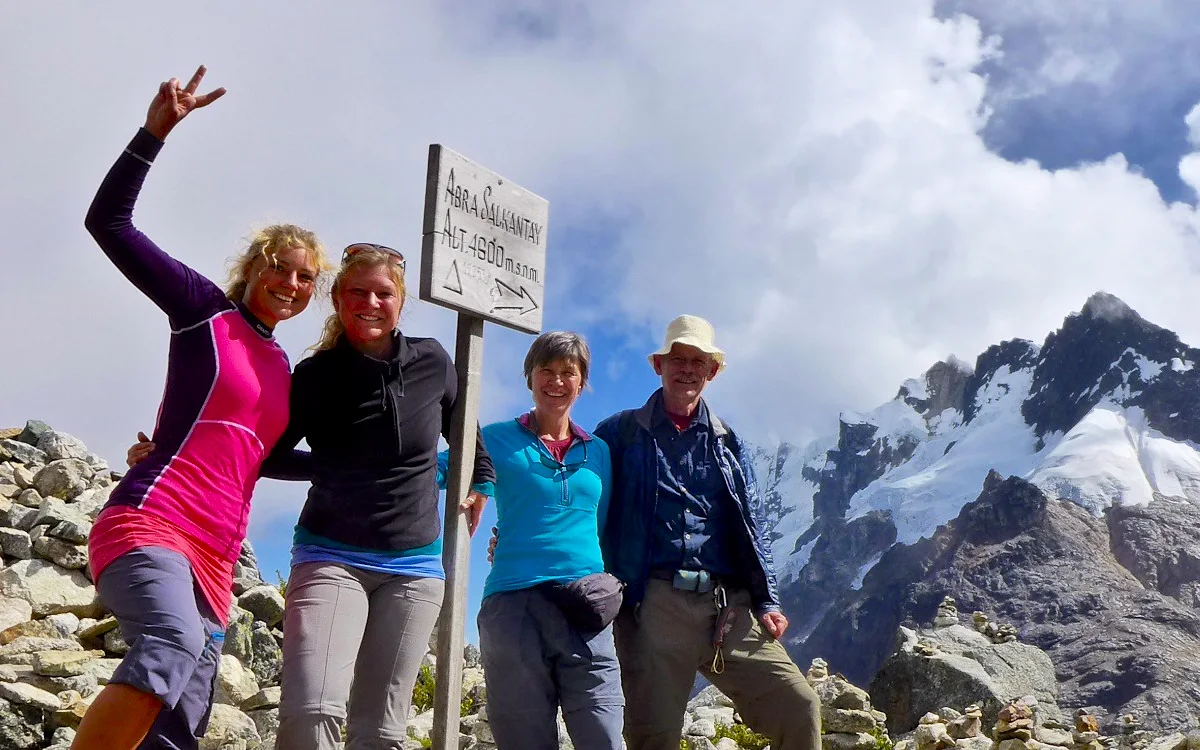
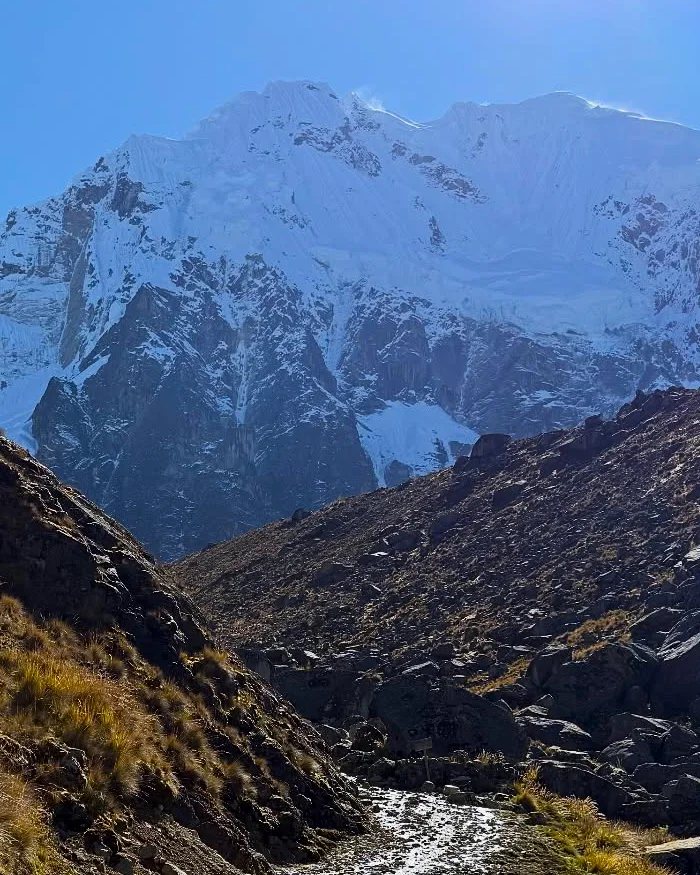
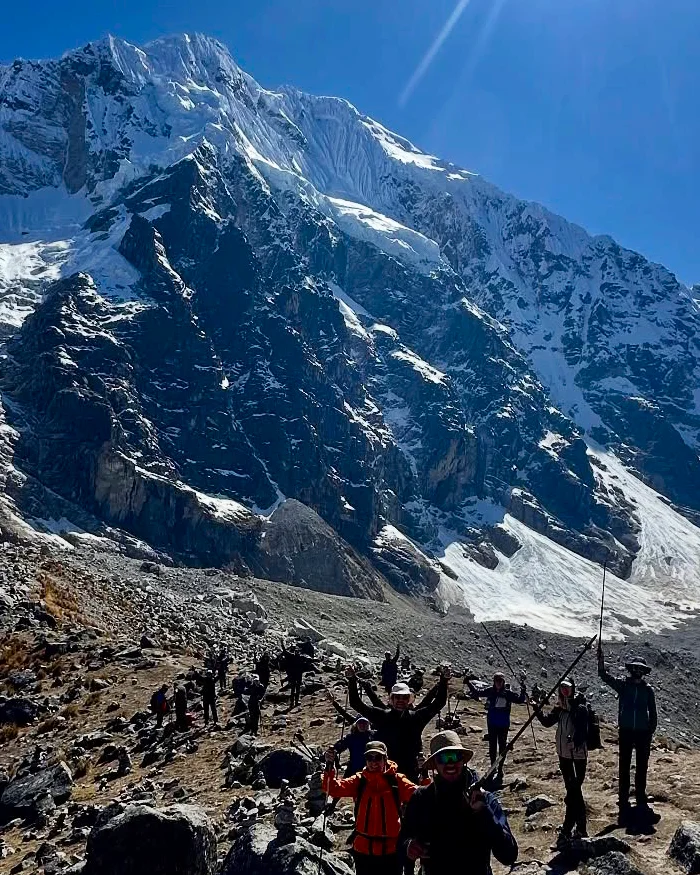
Salkantay is majestic mountain located in Vilcabamba mountain range, in Cusco region, Peru. Its name comes from Quechua and means “wild mountain,” perfect description for its imposing presence among Andes. It reaches approximate altitude of 20,574 feet (6,271 meters), making it one of southern Peru’s highest peaks.
When you visit Cusco, you’ll frequently hear that Salkantay isn’t just mountain, but Apu, protective spirit that, according to Andean worldview, watches over communities and surrounding nature. Its figure dominates horizon and has been venerated since Inca Empire times, symbol of strength, respect, and earth connection.
Salkantay Trekking the Andean jewel taking you to Machu Picchu
What it is
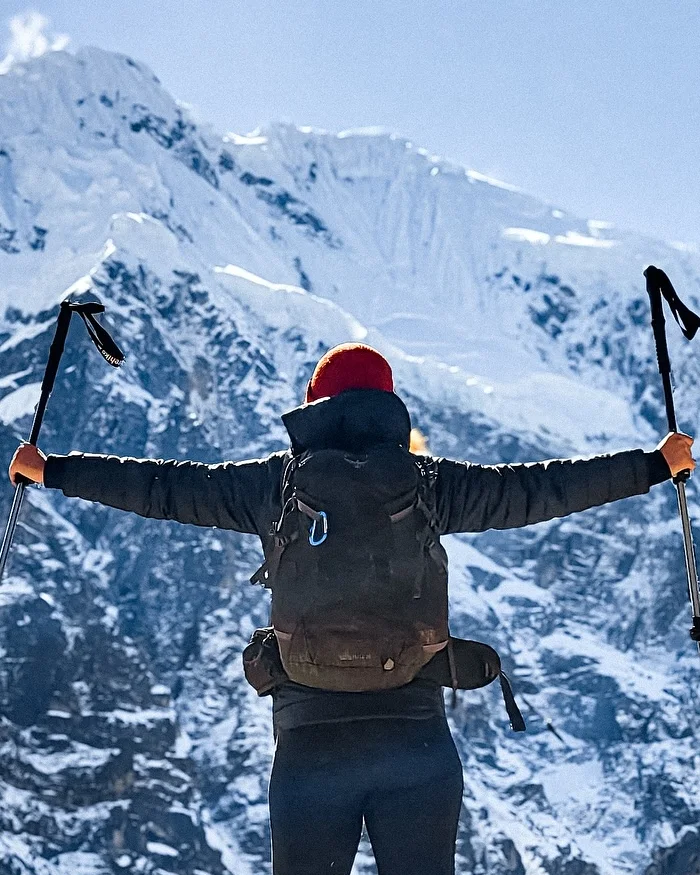
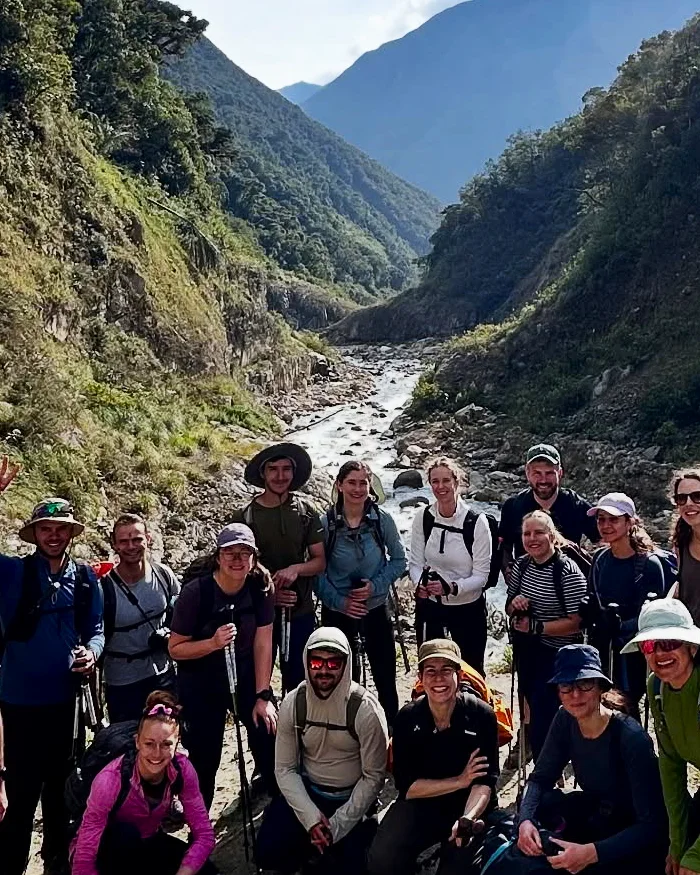
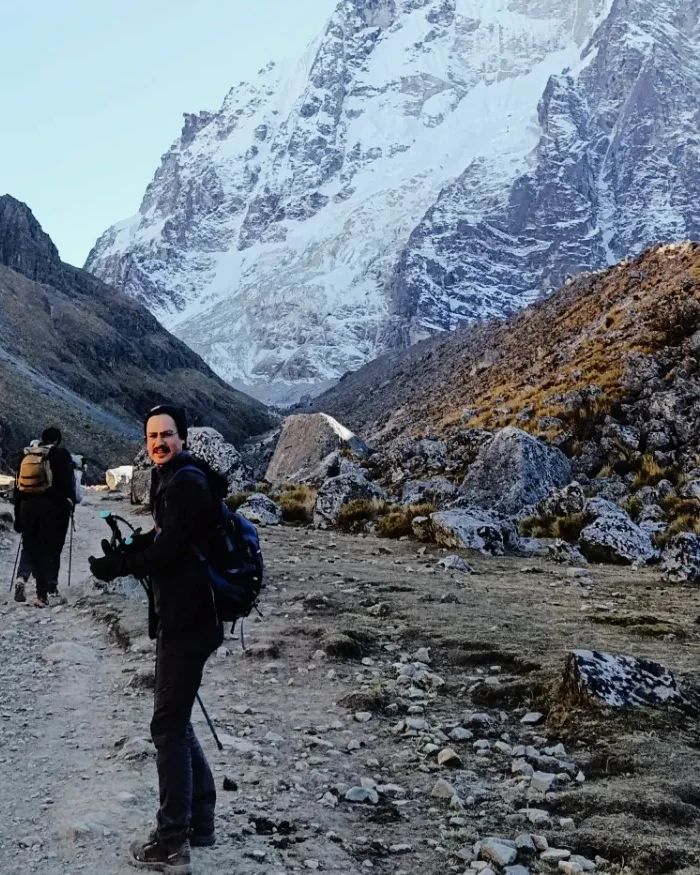
Salkantay Trekking is one of Peru’s most impressive and recognized hiking routes. It’s best alternative to famous Inca Trail, ideal if you prefer freer experience without quota limitations. This trek crosses Vilcabamba mountain range, starting in Mollepata town and ending at majestic Machu Picchu.
Throughout journey you’ll see unique transition: you’ll pass from glaciers and Andean landscapes to high jungle, with completely different climates, colors, and ecosystems.
Altitude
- Maximum altitude: 15,255 feet (4,650 meters) (Abra Salkantay).
- Minimum altitude: 5,905 feet (1,800 meters) (Aguas Calientes).
Prepare to experience temperature and oxygenation changes, as trek combines high altitude sections with descents to warmer areas.
Type of trek
- Salkantay Trek is moderate to demanding level route, recommended for you if you have good physical condition and enjoy outdoor challenges.
- During 4 to 5 days, you’ll walk between 37 and 46 miles (60 and 74 kilometers), depending on itinerary and agency you choose. You’ll ascend mountain passes, cross deep valleys, and walk through humid forests full of life.
- Unlike Inca Trail, this route doesn’t require limited permits, so you can plan it with greater flexibility and live more natural and authentic experience.
Characteristics
- Duration: between 4 and 5 days.
- Start: Soraypampa or Mollepata (about 3 hours from Cusco).
- End: Machu Picchu Pueblo (Aguas Calientes).
- Total distance: 37 miles (60 km)
- Climate: varies from cold and dry in Andean zone (32°F to 50°F / 0°C to 10°C) to warm and humid in jungle (59°F to 77°F / 15°C to 25°C).
- Lodging: campsites or mountain lodges, ranging from basic options to comfortable facilities with hot water and local food.
Did you know:
Abra Salkantay is one of most photogenic passes on route toward Andean high jungle.
What to see during journey
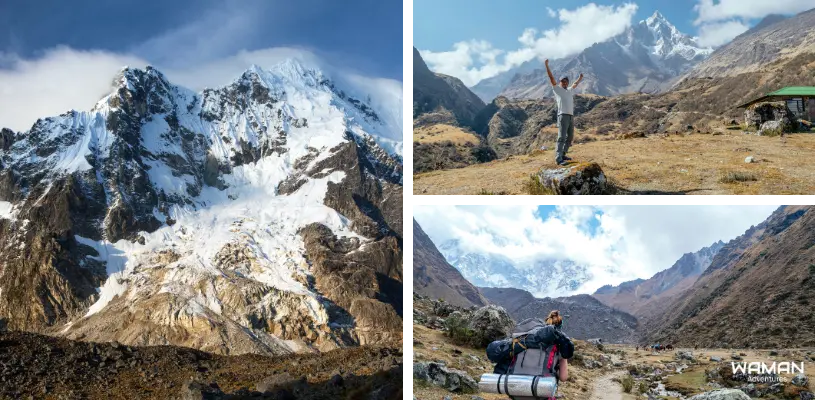
- Salkantay Snow Capped Peak: It’s Cusco’s second highest mountain and one of most venerated by Andean communities. Seeing it up close leaves you speechless: its size and beauty command respect.
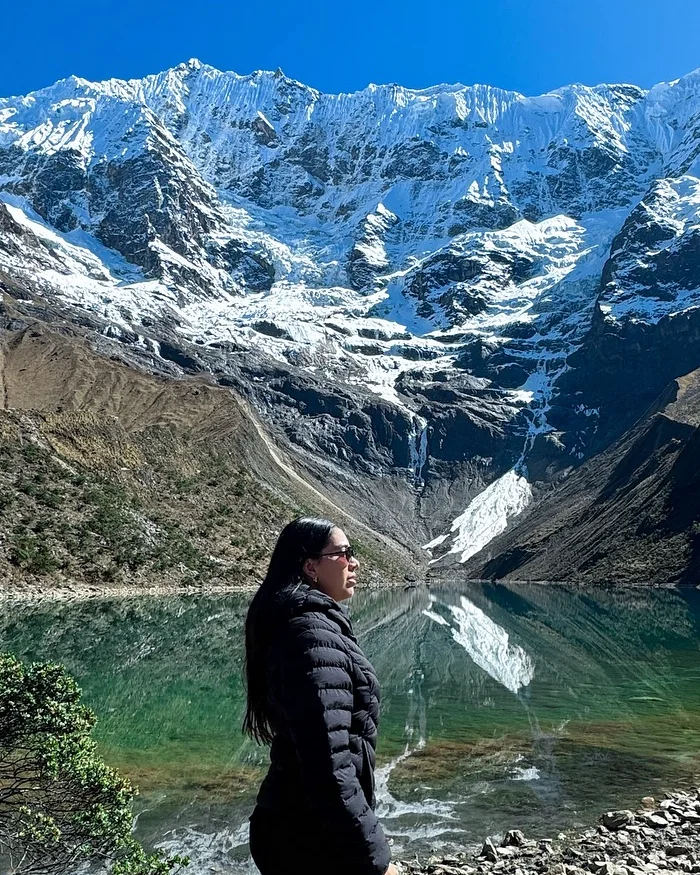
- Humantay Lagoon: Its turquoise waters are trek’s most photogenic point. It’s located at foot of Humantay snow capped peak and usually visited on first day.
- Abra Salkantay: It’s most challenging section, but also most impressive. From here you’ll enjoy panoramic view of glaciers, mountains, and valleys descending toward jungle.
- Collpapampa Valley: Here you’ll feel air and vegetation change: landscape becomes greener, more humid, and full of birds.
Mexico mountains: national pride and adventure gateway
Mexico is country full of contrasts, and its mountains are clear example of this. From north to country center you’ll find mountain ranges, volcanoes, and sierras testing your endurance and giving you spectacular landscapes. If you’re passionate about hiking or mountaineering, here I tell you about three of most emblematic peaks you can explore.
Pico de Orizaba
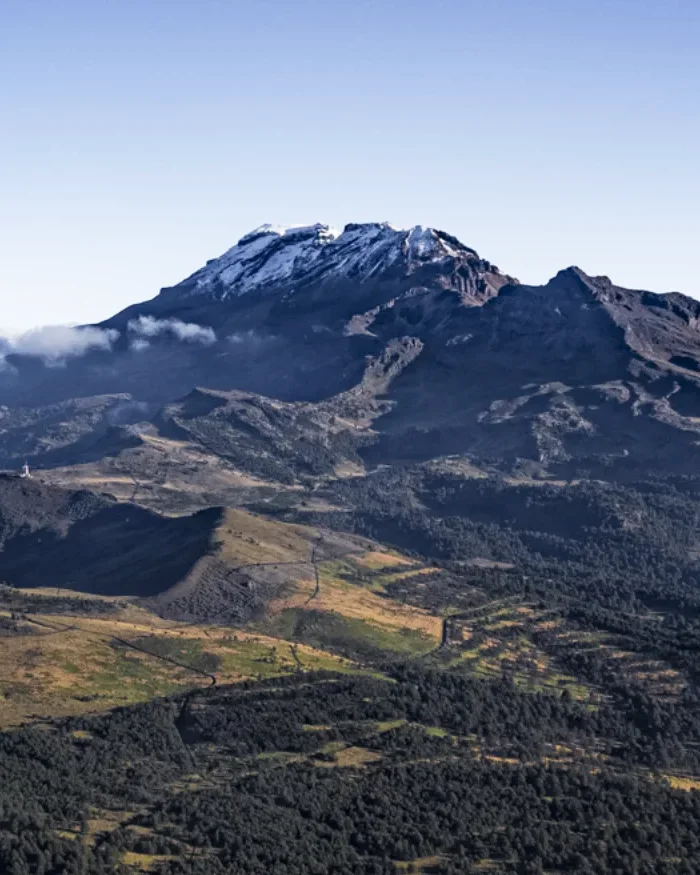
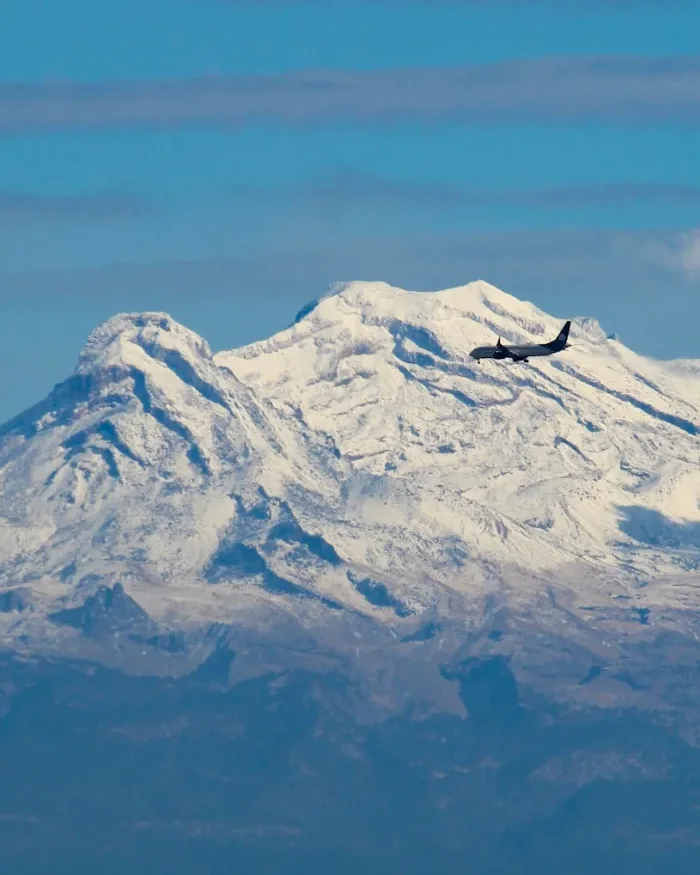
Also known as Citlaltépetl, it’s Mexico’s highest volcano and North America’s third highest peak. Its name means “Star Mountain” in Nahuatl, and couldn’t be more accurate: from its summit you can contemplate sea of clouds and view seeming to touch sky.
- Altitude: 18,490 feet (5,636 meters)
- Type of trek: it’s non technical mountaineering ascent, although it does require good physical condition, altitude experience, and specialized equipment.
- What to see: from summit, you’ll enjoy panoramas spanning several country states. On volcano’s slopes you’ll find glaciers, snow fields, and rural communities where life revolves around mountain. Approach trails are surrounded by forests, páramos, and high mountain landscapes changing with each step.
Iztaccíhuatl
Iztaccíhuatl, whose name in Nahuatl means “white woman,” receives this title because its silhouette resembles reclining woman covered in snow. It’s one of Mexican hikers’ most beloved mountains, both for its history and views.
- Altitude: approximately 17,158 feet (5,230 meters)
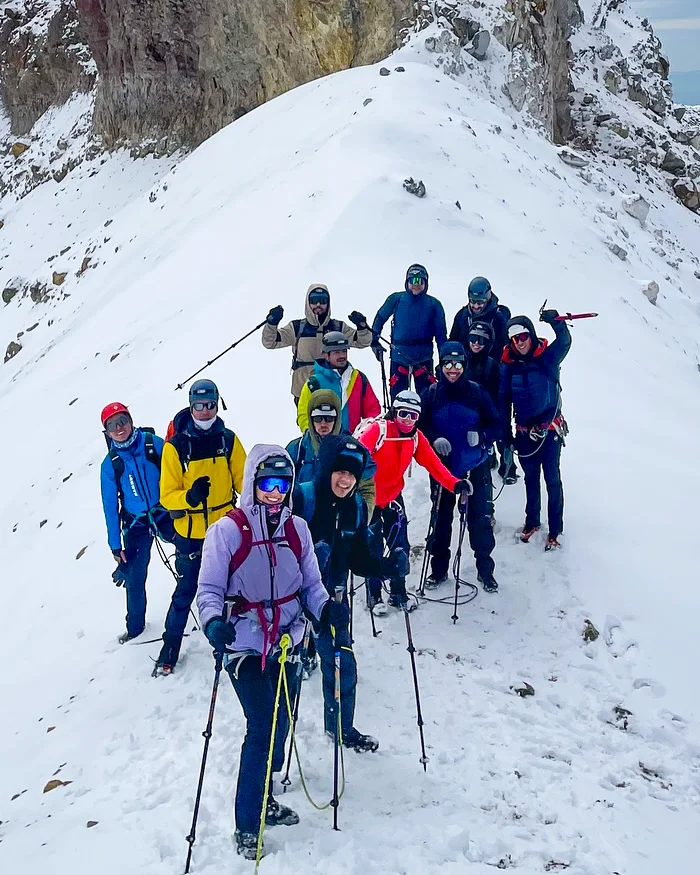
- Type of trek: it’s high mountain route, ideal if you already have some trekking experience. Some sections may present snow or light ice, especially in cold season.
- What to see: along ascent you can contemplate Popocatépetl, its brother volcano, which remains active. You’ll also see Andean landscapes with high altitude vegetation, snow areas, and ridges offering spectacular views. If you manage to reach refuge or upper parts, you’ll feel like you’re walking on clouds.
Popocatépetl
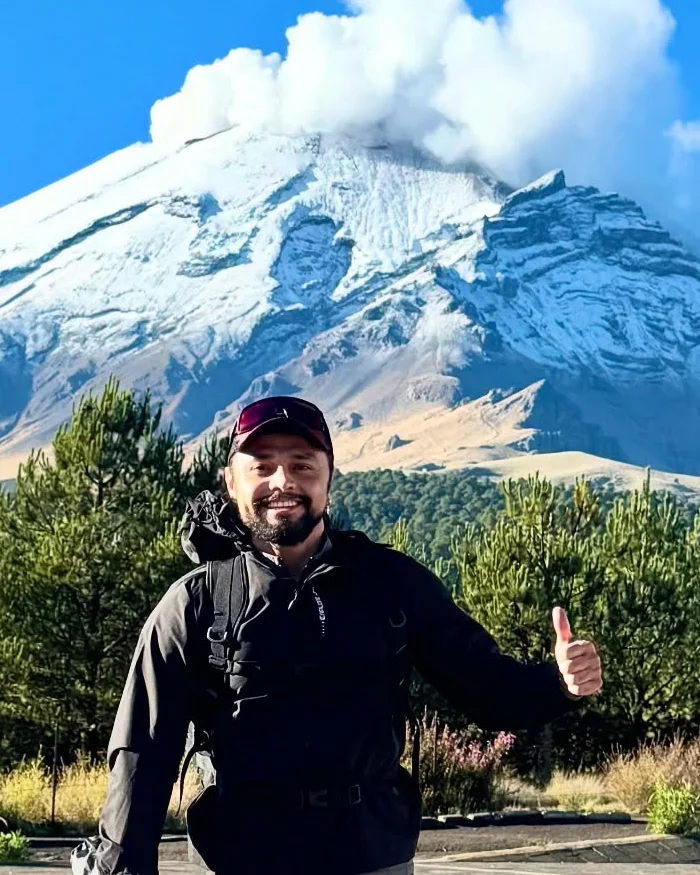
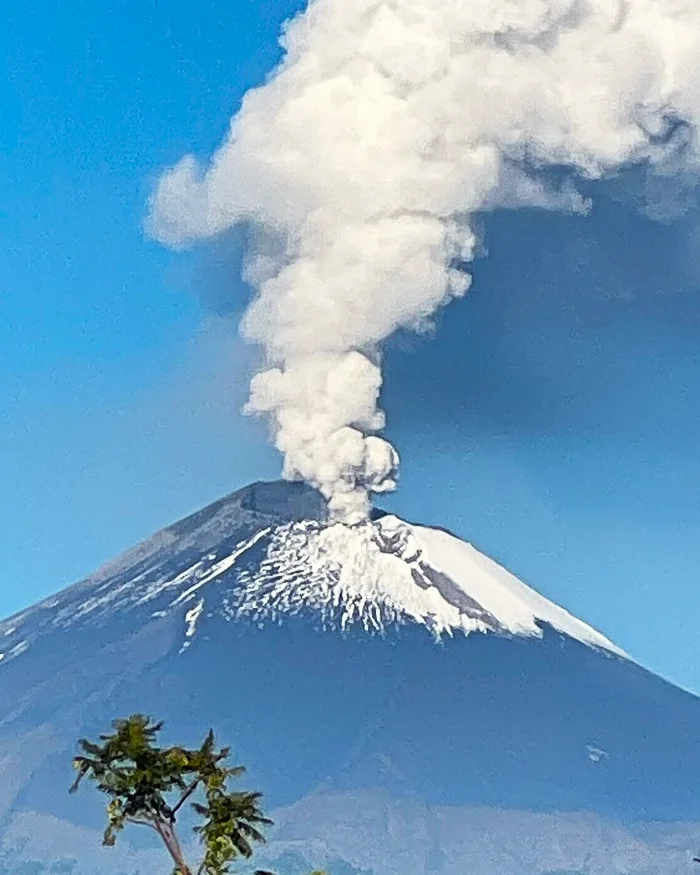
Popocatépetl, affectionately known as “Don Goyo,” is active stratovolcano rising between Puebla, Morelos, and Estado de México states. It’s considered sacred volcano and central figure in tragic love legend between Popocatépetl and Iztaccíhuatl.
- Altitude: approximately 17,801 feet (5,426 meters)
- Type of trek: currently ascent is not permitted due to its constant volcanic activity, including fumaroles and ash emissions. However, you can approach different natural viewpoints to enjoy its grandeur.
- What to see: from surroundings you can observe its fumaroles, lava fields, and panoramic views of Mexico Valley. Best points to appreciate it are nearby national parks, like Izta-Popo Zoquiapan National Park, where you can do safe hikes and take unforgettable photographs.
Salkantay vs Mexico Mountains: differences that matter
| Aspect | Salkantay Trekking | Mexico Mountains |
| Maximum altitude | 15,255 ft (4,650 m) (Abra Salkantay). | Up to 18,490 ft (5,636 m) (Pico de Orizaba). |
| Duration | 4–5 days continuous trek. | 1–2 days depending on mountain. |
| Route type | Long distance trek with varied landscapes. | Short or technical volcano ascents. |
| Difficulty | Moderate to demanding due to altitude. | Variable: from easy (Toluca) to technical (Orizaba). |
| Landscapes | Glaciers, lagoons, jungle and Inca ruins. | Volcanoes, forests and craters with lagoons. |
| Culture | Andean spiritual connection and Inca history. | Pre Hispanic symbolism and volcanic myths. |
| Access | Requires guide, acclimatization and logistics from Cusco. | More accessible from CDMX, Puebla or Toluca. |
| Average cost | $400–$700 (complete tour). | $40–$300 depending on mountain. |
If you choose Salkantay: practical tips for your Peru trip
If you decide to conquer Andes, prepare well: Salkantay Trek is intense, but worth every step.
Best time
Best season for Salkantay is during dry season, April to October, when weather is more stable and roads are in better conditions. Ideal months are April, May, September, and October, as you’ll find less rain, clear skies, and quieter trails.
Avoid January to March months, as rains can make terrain slippery and make passage through altitude sections difficult.
How to get there
From Mexico, most practical way is flying to Lima, Peru’s capital, then taking local flight to Cusco (approximately 1 hour). Once in Cusco, most trekking agencies organize bus transfer to starting point, which can be Mollepata or Soraypampa, depending on itinerary.
Departures are usually very early, between 4:00 and 5:00 a.m., so it’s best to have everything ready from night before.
Expert tip:
Choose agency including porters/muleteer, dining tent and more.
Acclimatization
Salkantay reaches maximum altitude of 15,255 feet (4,650 meters) so it’s very important your body adapts before starting. Dedicate 2 or 3 days in Cusco to acclimatize, eat light, hydrate well, and avoid intense efforts.
You can take advantage of those days to know nearby places like Sacred Valley or Humantay Lagoon, which will help you acclimatize progressively.
Luggage
- Thermal layered clothing: t-shirts, fleece linings, waterproof jacket.
- Waterproof mountain boots.
- Hiking poles.
- Hat, gloves, and spare socks.
If you prefer Mexico mountains: routes and recommendations
If you decide to stay home but want to live equally intense experience, Mexico has mountains challenging and conquering you.
Pico de Orizaba
With its 18,490 feet (5,636 meters), Pico de Orizaba (also known as Citlaltépetl) is Mexico’s highest mountain and North America’s third highest. Climbing it is true challenge, ideal if you already have high mountain experience.
To reach summit you’ll need acclimatization, technical equipment, and certified guide, as conditions can be extreme. From top, you can enjoy impressive view spanning several country states and, if weather permits, you’ll see sunrise seeming to ignite sky.
Iztaccíhuatl
If you seek demanding but more accessible hike, Iztaccíhuatl is great option. Its name in Nahuatl means “white woman,” because its snow covered silhouette recalls reclining woman.
At 17,158 feet (5,230 meters) high, this mountain combines legend, history, and adventure. During ascent you can admire spectacular views of Popocatépetl, its brother volcano, and walk between landscapes of snow, rock, and páramo. Although it’s not technical ascent, it does require good physical condition and caution, especially in cold season.
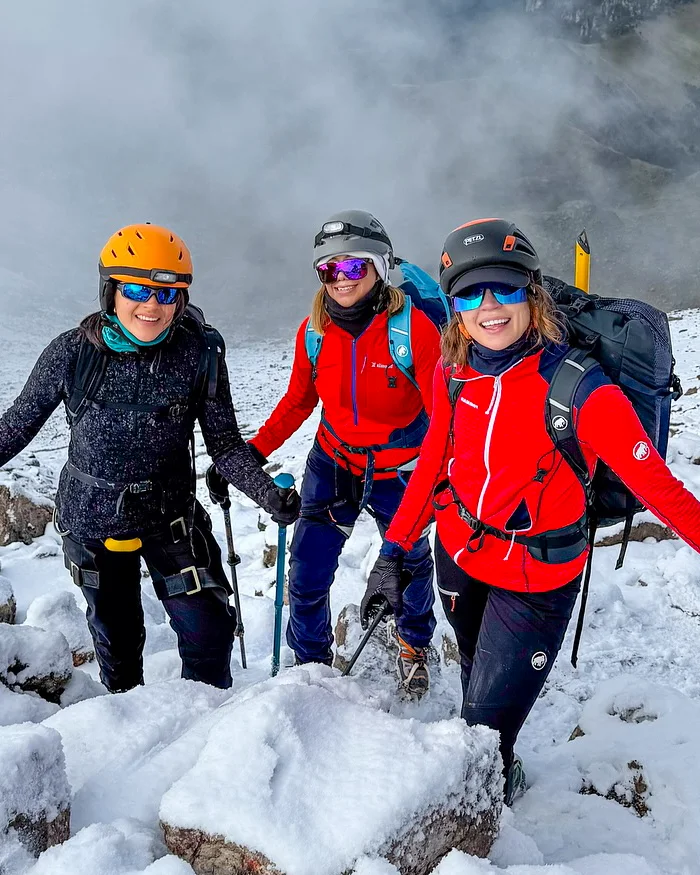
How to decide: choose according to your traveler style
Your choice will depend on type of experience you really want to live.
If you dream of leaving Mexico, touring Andes and reaching Machu Picchu following ancestral route, Salkantay Trek is ideal for you. It’s demanding trek, but also one of world’s most rewarding; it will take you through glaciers, valleys, Andean villages, and tropical jungle, all in single journey.
In contrast, if you prefer staying in Mexican territory and living adventure surrounded by volcanoes, craters, and pre Hispanic legends, Mexico mountains offer equally intense experiences. From imposing height of Pico de Orizaba to accessible landscapes of Nevado de Toluca, each mountain gives you story, challenge, and nature connection.
Salkantay Trek isn’t just hike toward Machu Picchu, but way to experience Andes’ grandeur and connect with Inca history. If you still don’t know when to go or how to prepare, at Waman Adventures we guide you to enjoy this experience with total safety. Our local expert team will accompany you step by step so you live best version of Salkantay vs Mexico Mountains. Contact us at +51 946 459 491 and start your next adventure exploring South America’s most impressive paths.
Frequently asked questions
How difficult is Salkantay Trek for Mexican traveler?
Salkantay Trek is demanding hike, but totally possible if you prepare in advance. You need to have good physical condition, acclimatize to altitude in Cusco, and maintain constant pace during crossing. Many agencies offer professional guides accompanying you throughout journey, helping you with pace, safety, and rest moments.
Which is higher: Salkantay or Pico de Orizaba?
Pico de Orizaba is higher, with altitude of 18,490 feet (5,636 meters) above sea level, making it Mexico’s highest summit and one of North America’s highest.
In turn, The highest point of the Salkantay Trek is Abra Salkantay, reaching 15,255 feet (4,650 meters).
How much does Salkantay Trek approximately cost?
- Price depends on service type you choose, but on average 5 day Salkantay Trek costs from $800 and up per person.
- Package generally includes meals, transportation, guide, lodging in campsites or lodges, and Machu Picchu entrance.
Do I need to hire agency or can I do these routes on my own?
Most advisable is hiring agency or certified guide, especially if you don’t have experience in multi day hikes or at altitude.
In case of Salkantay Trek, agencies handle permits, logistics, food, and safety, besides providing support in case of altitude sickness or weather changes.
What’s best time for each destination?
- Salkantay (Peru): best time is between April and October, during dry season, when roads are in better conditions and there’s less rain.
- Mexico Mountains: most recommended season is November to March, with cold temperatures but clear skies and lower storm risk.
What equipment do I need for each adventure?
- Waterproof mountain boots with good grip.
- Thermal layered clothing (base, intermediate, waterproof outer layer).
- Gloves, hat, sunglasses, and sunscreen.
- Trekking poles.
- Day backpack, waterproof bags, and basic camping equipment.
For Salkantay you’ll also need waterproof clothing (jacket, pants), extreme cold protection, and repellent, as weather can vary greatly between altitudes and stages.
Can I combine both destinations?
Yes, it’s interesting possibility. Many Mexican travelers take advantage of their national mountain routes (Iztaccíhuatl, Nevado de Toluca, etc.) as training to then embark on longer routes like Salkantay.
Is it safe to do these routes?
You’ll connect and spend pleasant moments with high Andean residents, who will receive you with open arms and that warmth typical of their culture, where you’ll learn more about their lifestyle and language. Do Lares Trek, known as “definitive cultural route.”

Share:



Related tours you might be interested in
Enjoy unique experiences in Cusco and Machu Picchu with the peace of mind that comes from working with a local travel agency

Tour to Chinchero, Maras & Moray – Private Service
Discover with us this beautiful, charming and historic places, where we will visit the enigmatic...

2-Day Trip to Machu Picchu from Cusco with Machu Picchu Mountain
LIVE A UNIQUE EXPERIENCE EXPLORING THE BREATHTAKING LANDSCAPES ON A 2-DAY JOURNEY TO MACHU PICCHU...
6-Day Tour Cusco, Sacred Valley, Machu Picchu and Rainbow Mountain
EXPERIENCE THE MAJESTY OF THE INCAS: SACRED VALLEY, MACHU PICCHU & RAINBOW MOUNTAIN IN ONE TRIP If...

6 Day Andean Adventures Tour│With Flights from Chile
ENJOY THE BEST OF CUSCO CITY – MUST VISIT DESTINATIONS ARE WAITING FOR YOU! Want to explore Cusco...
If you liked this article and the information you found, give us 5 stars!
Table of Contents
Related blogs
Get all the details and tips you need to conquer Machu Picchu Mountain
25 min of reading