Peruvian and Mexican Holidays that Honor Ancient Traditions and Cultural Identity
Ultima actualización en 18 November, 2025 por Waman Adventures
Last Updated on 18 November, 2025 by Waman Adventures
- Andean World: Festivities Honoring Sky, Earth, and Ancestors
- Mexico: Festivals of Color, Community, and Contrast
- Cultural Comparisons: Shared Meanings and Living Differences
- Cultural Elements Captivating Visitors
-
Frequently Asked Questions About Peruvian and Mexican Holidays
- How do Peruvian holidays differ from Mexican ones in their spiritual origin?
- What Peruvian festivals are less known but very authentic?
- What Mexican festivities have strong indigenous rituals and less commercial influence?
- How are dances and clothing expressed as cultural symbols?
- Are these festivals recognized as world or national heritage?
- How is Guelaguetza festivity experienced beyond spectacle?
- What cultural values do Peruvian and Mexican holidays share?
- Why are these festivals still so important today?
Peruvian and Mexican Holidays immerse you in worlds where every dance, costume, and ritual carries centuries of history and spiritual meaning. These celebrations go far beyond festivity; they are living expressions of identity. In Peru, the Sun and Pachamama are honored through ceremonies rooted in Andean beliefs, while in Mexico, devotion centers on ancestors, and community traditions. Both cultures blend the sacred and the celebratory with deep authenticity.
Andean World: Festivities Honoring Sky, Earth, and Ancestors

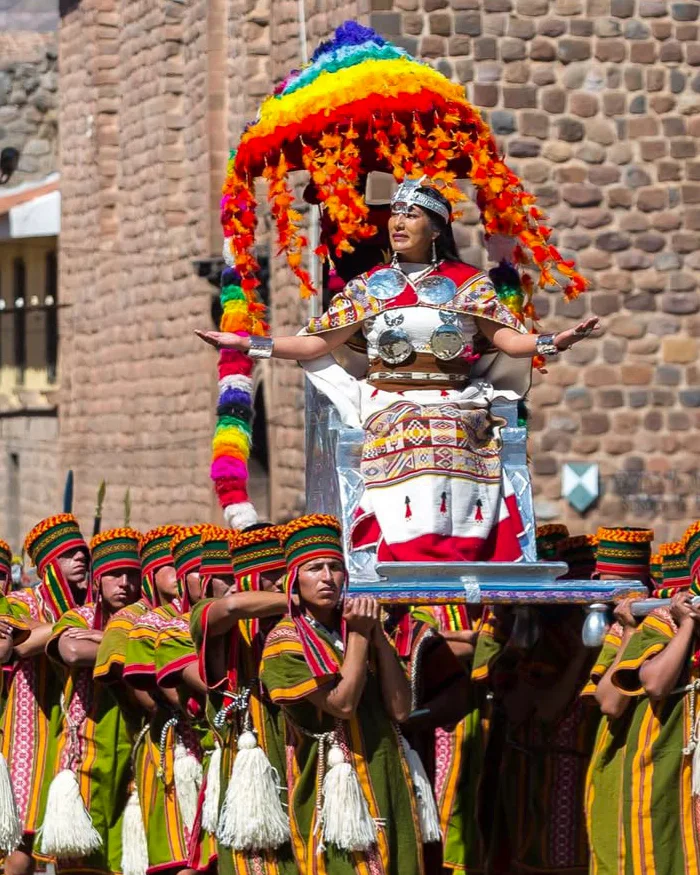
Inti Raymi (Cusco, Peru)
- When it’s celebrated: celebrated every June 24, when Cusco’s jubilee month also takes place.
- Location: held in Cusco department, in capital; you can see main acts at Qoricancha, Plaza de Armas, and Sacsayhuamán fortress.
- Origin and history: instituted by Inca Pachacútec in 15th century as ceremony honoring god Inti (Sun), to ensure sun wouldn’t “move away” and to bless harvests. This way, they worshipped their gods hoping you wouldn’t lack anything.
- With Spaniards’ arrival, during colonial era, festivity was prohibited by Viceroy Francisco de Toledo from mid 16th century, because it was considered pagan ceremony contrary to Catholicism. It was officially reinstated in 1944 as cultural and tourist event.
Dances and cultural manifestations:
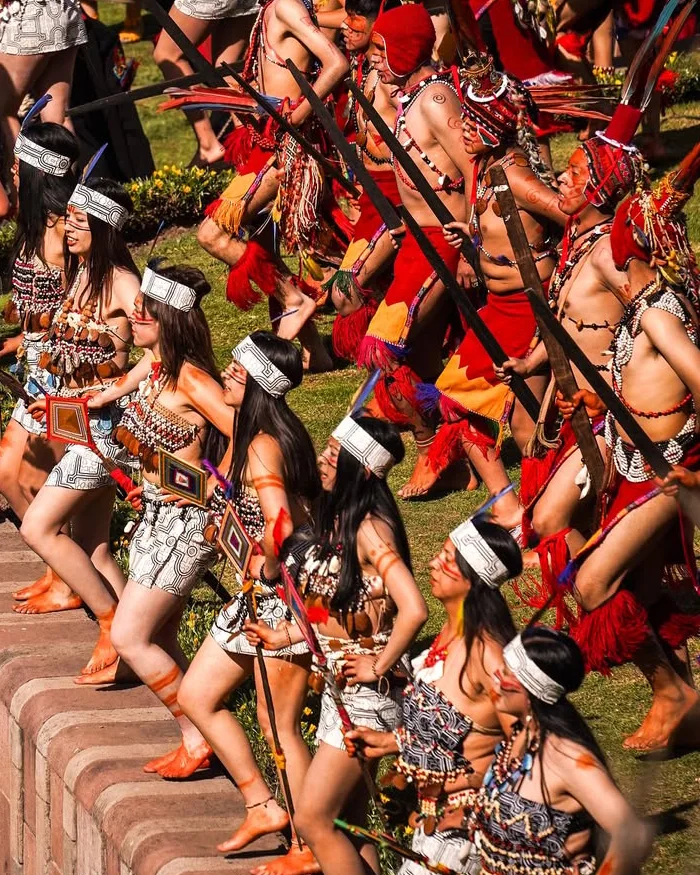
- In modern ceremony you’ll see theatrical representations and traditional dances evoking four suyos of Tahuantinsuyo (Inca Empire regions), accompanied by ancestral music. Sun offerings and ancient ritual recreations are also made; theatricalization of characters like Inca, Coya, nobles, and priests is included.
Virgin of Candelaria (Puno, Peru)
- When it’s celebrated: begins in first half of February approximately, with most intense activities between February 1 and 13; February 2 is central day.
- Location: festivity takes place mainly in Puno city, Puno department, on shores of Lake Titicaca.
- Origin and history: you should know this festivity has mixed roots: blends worship of Virgin Mary according to Catholic tradition with indigenous cultural expressions (Quechua and Aymara). Also includes Pachamama worship and ancient symbolic agricultural rituals.
- Declared Intangible Cultural Heritage of Humanity in 2014 by UNESCO, recognizing its cultural, historical, and religious importance.
Dances and cultural manifestations:
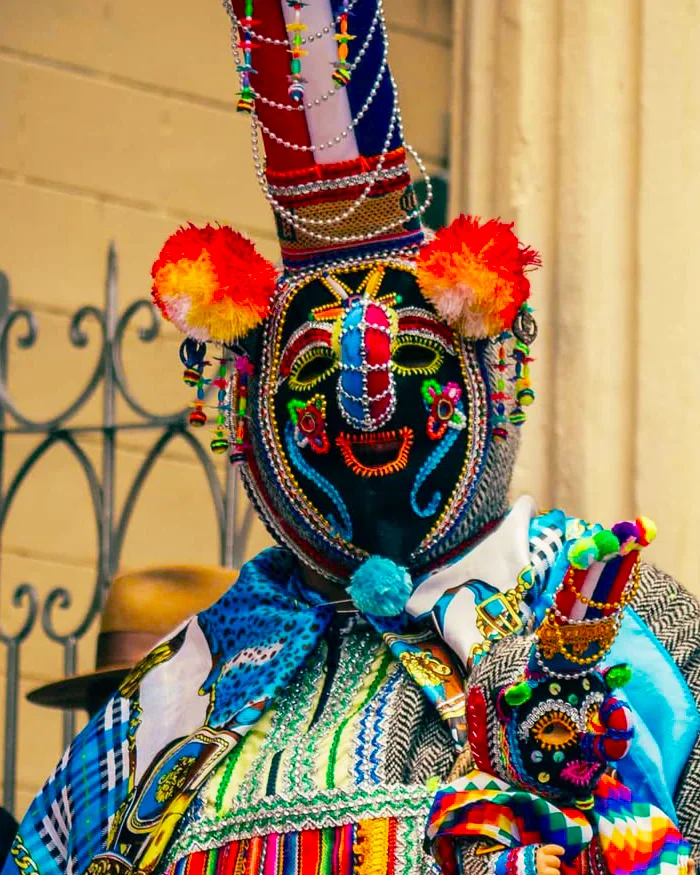
- During festivity you’ll see over 130 or up to 200 dance groups from Quechua and Aymara areas.
- Among most representative dances are Morenada, Diablada Puneña, Sikuris, Caporales, Waca Waca, Rey Moreno, and other indigenous dances like Lilipuli, Unucajas, Q’arapulis.

Did you know…?
Virgin of Candelaria gathers up to 200 dance groups, some with over 1,000 dancers each.
Virgin of Carmen Festival in Paucartambo (Cusco)
- When it’s celebrated: festival is celebrated every year from July 15 to 18, with July 16 as its central day.
- Location: takes place in Paucartambo province, Cusco department. You’re about 68 miles (110 kilometers) from Cusco city.
- Origin and history: emerges from colonial devotion with strong mestizo roots. It’s believed Virgin of Carmen image arrived from Spain in 18th century—between 1740 and 1750—although different popular versions exist. This festivity has been declared National Cultural Heritage by Peru.
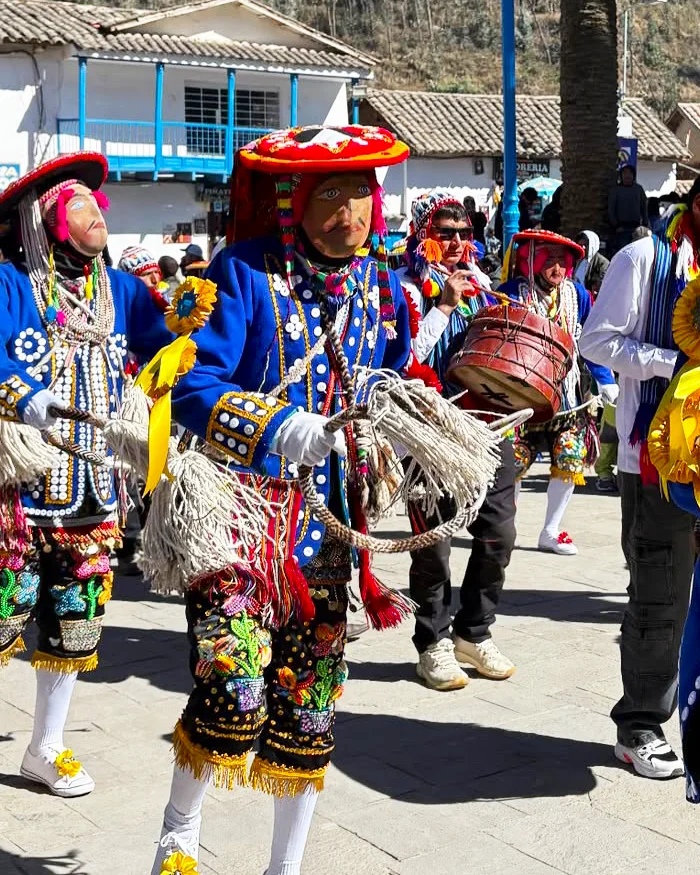
- Dances and cultural manifestations: you’ll see many traditional dances accompanying Virgin. Some troupes presenting are: Maqt’a, Auqa Chileno, Contradanza, Chunchachas, Chucchu, K’achampa, Majeño, Panadero, Qhapaq Negro, Qhapaq Chuncho, Qhapaq Qolla, Qoyacha, Saqra, Misti Qanchi, among others.

Mexico: Festivals of Color, Community, and Contrast
Guelaguetza (Oaxaca)
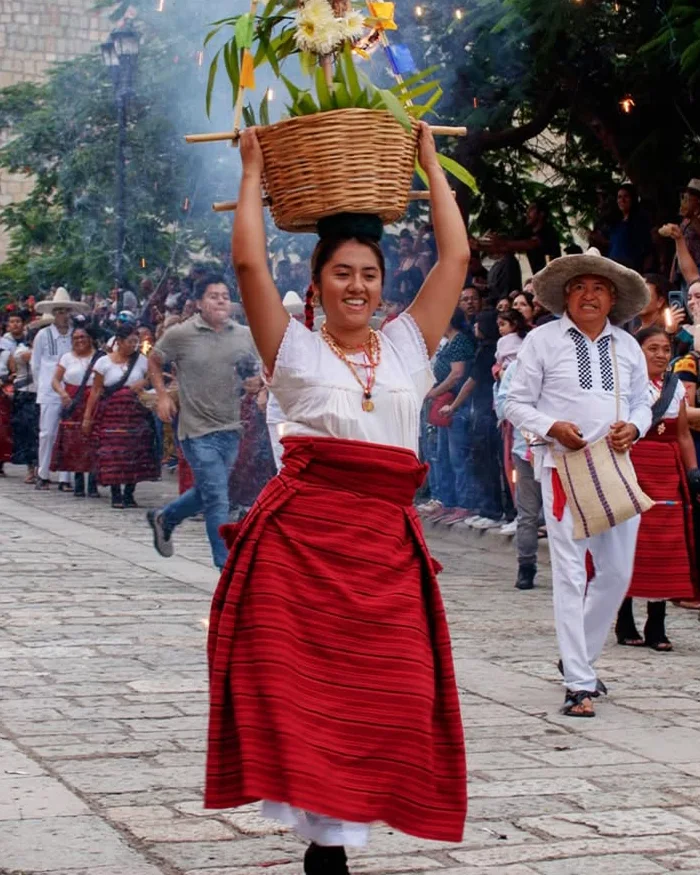
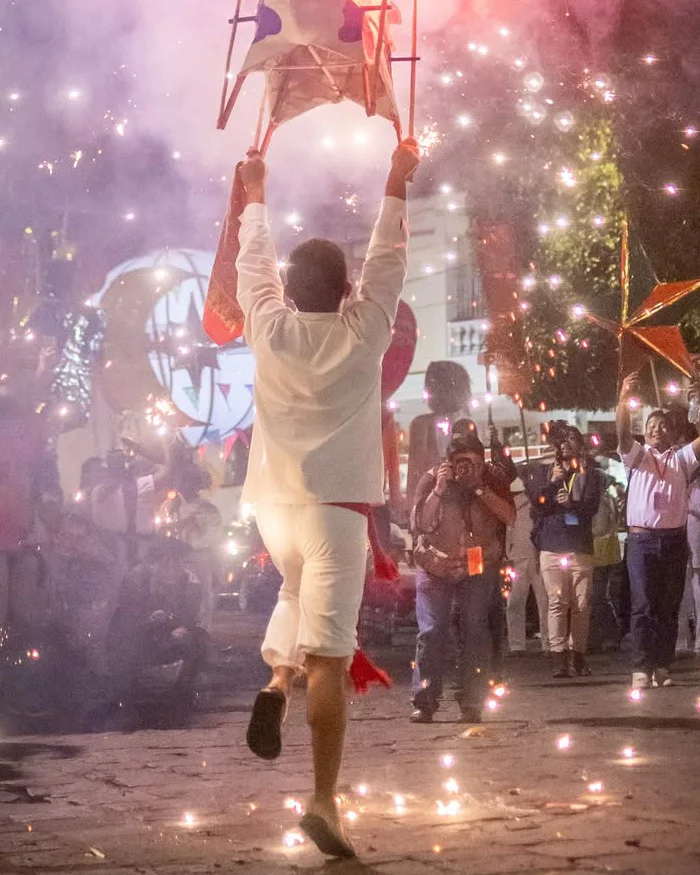
- When it’s celebrated: celebrated every year in July, specifically two Mondays following July 16, known as “Hill Mondays.” For example, in 2025 those Mondays were July 21 and 28.
- Location: takes place mainly in Oaxaca de Juárez city, Oaxaca state. Central events are held at Cerro del Fortín, at Guelaguetza Auditorium.
- Origin and history: you should know Guelaguetza has prehispanic roots: Zapotec peoples made offerings to Centéotl, corn goddess, during agricultural rituals.
- With Spaniards’ arrival, these rituals adapted to Catholic tradition. In 1932, festival was institutionalized with “Racial Homage” during IV Centennial of Oaxaca’s elevation to city.
- Dances and cultural manifestations: delegations from Oaxaca’s eight regions participate: Central Valleys, Sierra Juárez, La Cañada, Tuxtepec, La Mixteca, La Costa, Isthmus of Tehuantepec, and additional region (“Sierra Sur”) is mentioned in some editions.
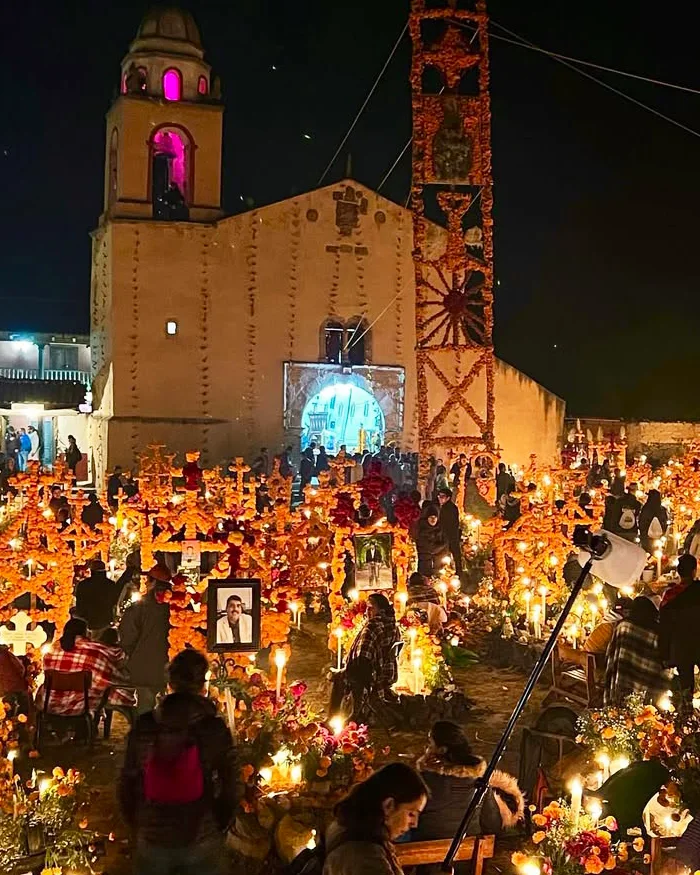
Night of Dead in Pátzcuaro (Michoacán)
- When it’s celebrated: begins October 29 and ends November 3, with central days being November 1 and 2, when “Day of Dead” is celebrated.
- Location: takes place in Lake Pátzcuaro region, Michoacán state. Includes several Purépecha communities: Janitzio Island, Tzintzuntzan, Santa Fe de la Laguna, San Pedro, Ichupio, among others.
- Origin and history: comes from prehispanic times; Purépecha peoples already practiced vigil rituals, used altars and offerings, and cared for deceased’s memory. With Spaniards’ arrival, those customs mixed with Catholic tradition of Faithful Departed Day.
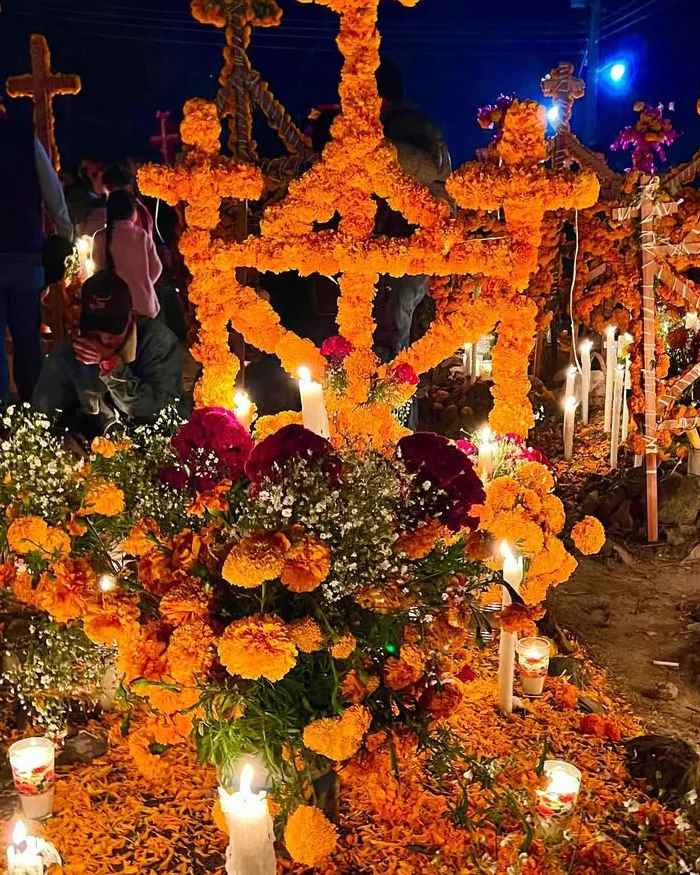
- Dances and cultural manifestations: you’ll see traditional Purépecha music, songs, silent processions, nocturnal vigils, tomb illumination with candles, offerings with flowers and foods deceased enjoyed in life.
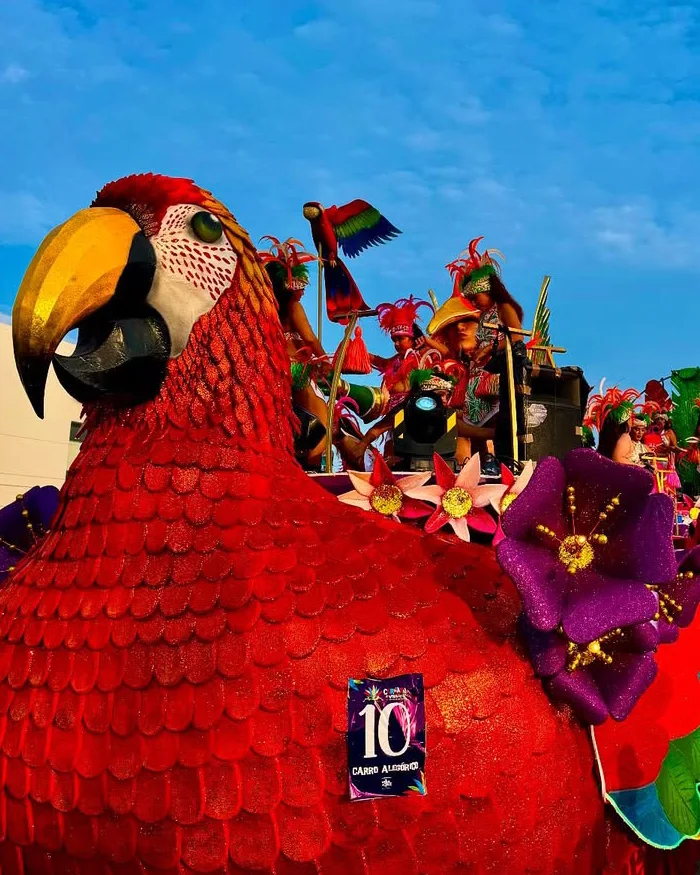
Veracruz Carnival
- When it’s celebrated: traditionally Carnival is celebrated before Lent, during several days preceding Ash Wednesday. Date varies each year depending on liturgical calendar. For example, in 2026 it will be February 12 to 18.
- Location: takes place in Veracruz state, mainly in Veracruz city, as well as coastal and riverside communities of state.
- Origin and history: Veracruz Carnival emerges in 19th century, though some customs like dances, troupes, and costumes date back to European and African influences that merged with local traditions.
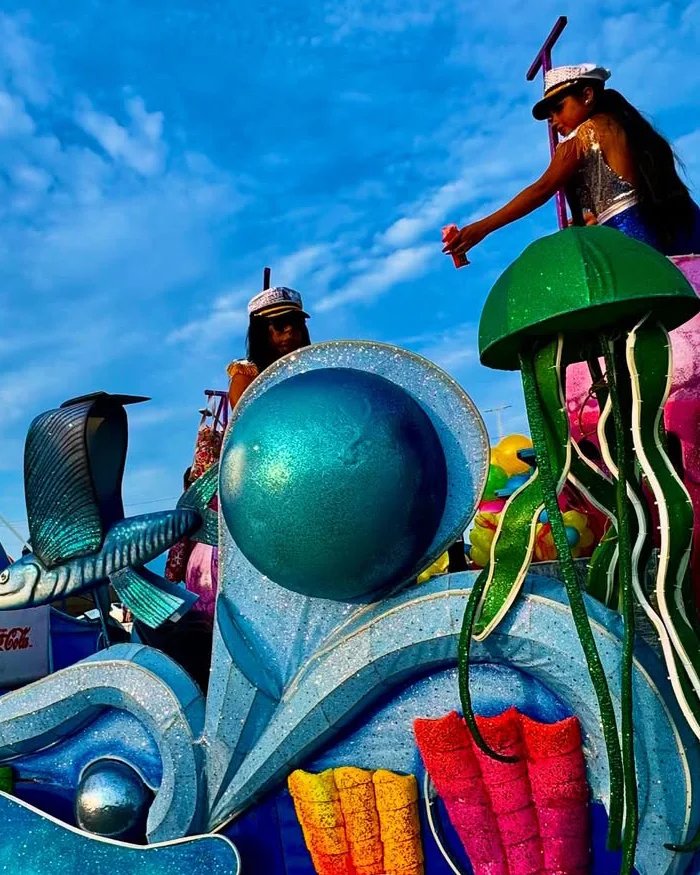
- Dances and cultural manifestations: you’ll see troupes, elaborate costumes, allegorical floats, baton twirlers, batucadas, and different dance groups. Jarocha music, danzón, Afro Caribbean rhythms, drum sounds, group singing, and much festive expression mix.
Important note:
Some festivities change date each year (like Veracruz Carnival), always check updated calendar before traveling.
Spirituality
| Peru | Mexico |
| Festivities like Inti Raymi preserve very strong spiritual dimension. Every June 24 in Cusco you perform ceremony reviving Inca Empire rituals, with Sun offerings, ancestral music, and more. | In festivals like Guelaguetza you combine spiritual or communal with festive. You recognize indigenous in dances, respect for traditions and ancestral garments, but also encounter visual spectacle, active tourism, and choreographed presentations. |
Connection With Nature
- In Peruvian Andean world, you don’t see nature just as scenery, but as part of spiritual event: Sun (Inti), mountains, and Pachamama (Mother Earth) are living protagonists of festivities.
- In Mexico, many celebrations also have agricultural roots and strong connection with nature, like thanksgiving rituals for rains or harvests.
Clothing, Music, and Dance as Symbolic Language
- In Andean festivals, you’ll hear ancestral music with drums, pututos, and songs having deep and ceremonial meaning. These sounds aren’t just decorative, but form part of ritual and connection with gods and nature.
- In Mexican festivals, you’ll encounter richly embroidered regional costumes, floral crowns, huipiles, and color explosion. Additionally, you’ll enjoy traditional dances like “Pineapple Flower,” sones, jarabes, and chilenas, representing each region’s identity and pride.
Cultural Elements Captivating Visitors
Textiles, Flowers, and Masks
- In Andean Peru, you’ll see artisan textiles like ponchos, blankets, and chuspas with strong colors like red, orange, yellow, deep blue, and purple; these colors have symbolism: represent mountains, fertile land, dawn, and skies.
- In Mexico, you’ll notice vivid colors in altars, papel picado, regional costumes, Guelaguetza floral crowns, and Night of Dead decoration.
Dances
- In Peru, dances tell stories; for example, Saqras represent mythical beings guarding mountains. You’ll also see dances like Morenada, evoking poverty, resistance, historical chains
- In Mexico, each region has its dances with music, local instruments, own plots. You’ll see Pineapple Flower, Sones, Jarabes, and Chilenas choreographies, transmitting regional identity.

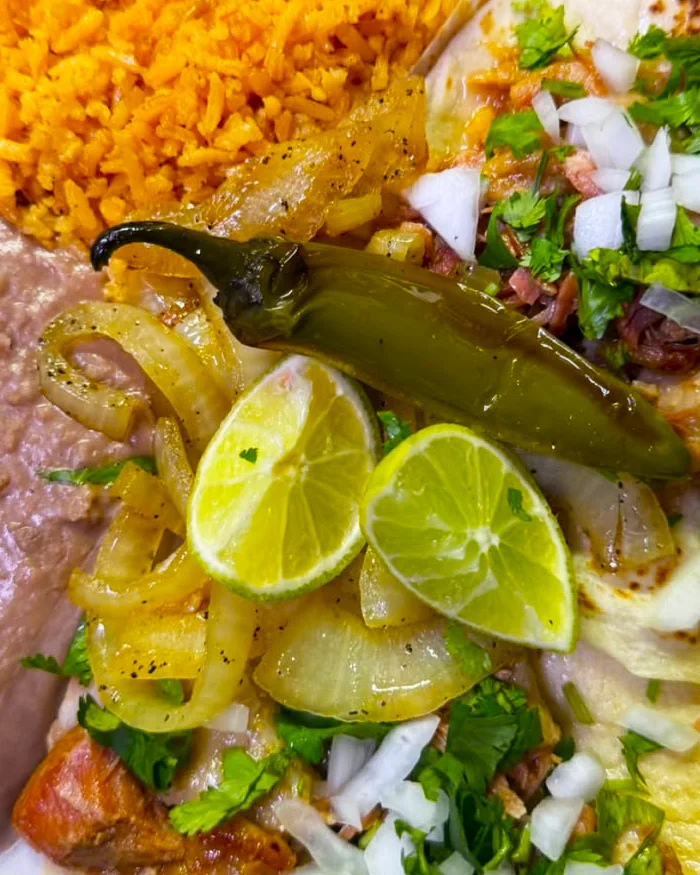
Regional Dishes
- In Peru, you can taste dishes emerging from Andean products: like pachamanca, dish cooked underground with hot stones, meats, tubers, and aromatic herbs.
- In Mexico, altars include foods that were deceased’s favorites: pan de muerto, tamales, sugar skulls, fruits, chocolate, and in some places traditional drink. These flavors not only fill your palate, but carry history.
Experiencing Peruvian and Mexican holidays allows you to connect with history. If you want to be part of these celebrations, inform yourself about their dates, customs, and meaning. This guide offers you what’s necessary to enjoy authentic and respectful experience. Don’t know where to start or which region to visit first? Our team at Waman Adventures is ready to help you. Contact us at +51 946 459 491 and start planning trip full of culture, tradition, and unforgettable moments.
Frequently Asked Questions About Peruvian and Mexican Holidays
How do Peruvian holidays differ from Mexican ones in their spiritual origin?
When you participate in Peruvian holidays, you’ll notice they’re deeply influenced by Andean worldview, where Sun (Inti), Pachamama (Mother Earth), and Apus (mountain spirits) are venerated.
On other hand, if you attend Mexican holidays, you’ll also recognize indigenous roots, but with much more dominant Catholic influence in many popular celebrations.
What Peruvian festivals are less known but very authentic?
You can discover authentic festivities in Peru that, though less known, preserve great cultural value:
- Virgin of Carmen Festival in Paucartambo.
- Holy Week in Huancavelica.
- Carnival of Cajamarca and Ayacucho.
- Lord of Áncara Festival (Ayacucho) and Santa Rosa Raymi (Pasco).
What Mexican festivities have strong indigenous rituals and less commercial influence?
If you travel to regions like Chiapas, Oaxaca, or Guerrero, you’ll find deeply indigenous festivities:
- Parachicos Festival in Chiapa de Corzo.
- Isthmian Velas (Juchitán, Oaxaca).
- Community Guelaguetza (rural Oaxaca areas).
How are dances and clothing expressed as cultural symbols?
Peru:
- Saqras (Cusco).
- Scissors Dance (Ayacucho, Huancavelica).
Mexico:
- Guelaguetza costumes.
- Purépecha dances (Michoacán)
Are these festivals recognized as world or national heritage?
Yes in Peru they are:
- Virgin of Candelaria (Puno).
- Scissors Dance and Huaconada of Mito.
- Various festivals (Ayacucho, Cajamarca, Huancavelica).
In Mexico:
- Parachicos (Chiapas).
- Day of Dead.
- Guelaguetza.
How is Guelaguetza festivity experienced beyond spectacle?
When you experience Guelaguetza from inside, you understand it means much more than spectacle. “Guelaguetza” means “offering” or “exchange”: communities gather to share dances, music, agricultural products, food, among others.
If you participate in these festivities, you’ll realize both cultures share fundamental values like:
- Community and reciprocity: collective collaboration, mutual offerings, stewardships.
- Local identity and regional pride: each town celebrates its own with strong sense of belonging.
Why are these festivals still so important today?
Peruvian and Mexican holidays remain vital because they allow you to:
- Connect with your cultural roots and resist globalization.
- Reaffirm your collective identity, especially in migration or urbanization contexts.
- Preserve oral traditions, dances, music, and unique rituals forming part of each region’s ancestral legacy.

Share:



If you liked this article and the information you found, give us 5 stars!
Table of Contents
Related blogs

Mexican Peso to Peruvian Sol in Cusco: Safe and Easy Exchange Guide
10 min of reading
A dare or an adventure? How difficult is the Short Inca Trail?
11 min of reading