Cusco Tourist Ticket Prices Circuits and 16 Attractions
Ultima actualización en 9 November, 2026 por Jhon Quispe
Last Updated on 9 November, 2026 by Jhon Quispe
What is the Cusco Tourist Ticket and how much does it cost?
The Cusco Tourist Ticket (Boleto Turístico del Cusco) covers 16 attractions across three circuits. For foreign adults, the Integral Ticket costs S/130 and is valid for 10 days, while each Partial Ticket costs S/70 and covers one circuit. COSITUC currently sells tickets in person, not online.
- Cusco Tourist Ticket at a glance
- Which Cusco Tourist Ticket should you buy?
- How much does the Cusco Tourist Ticket cost?
- Where and how to buy the Cusco Tourist Ticket
- Attractions included in each Cusco Tourist Ticket circuit
- How long is the Cusco Tourist Ticket valid?
- What the Cusco Tourist Ticket does not include
- Student discounts, children and resident tickets
- Is the Cusco Tourist Ticket worth buying?
- Common mistakes when buying the Cusco Tourist Ticket
- Plan your Cusco sightseeing with the right ticket
-
Frequently asked questions about the Cusco Tourist Ticket
- Can I buy the Cusco Tourist Ticket online?
- Where can I buy the Cusco Tourist Ticket in Cusco?
- Does the Cusco Tourist Ticket include Machu Picchu?
- Does the Cusco Tourist Ticket include Qorikancha?
- Can I buy a ticket for only one archaeological site?
- Can I use the Cusco Tourist Ticket on different days?
- Does the ticket include transportation or a guide?
- Do children and students get discounts?
The main decision is not how many days you will spend in Cusco, but which attractions you plan to visit. A traveler exploring only the Sacred Valley may need Circuit III, while someone combining the valley with archaeological sites around Cusco can spend less with the Integral Ticket.

Cusco’s Plaza de Armas brings together major landmarks in the historic center.
Cusco Tourist Ticket at a glance
The Boleto Turístico del Cusco (BTC) is managed by COSITUC and provides admission to selected archaeological sites, museums and cultural attractions in Cusco and the Sacred Valley.
| Ticket | Foreign adult price | Validity | Attractions covered |
| Integral Ticket (BTCI) | S/130 | 10 days | All 16 attractions across three circuits |
| Partial Circuit I (BTCPI) | S/70 | 1 day | 4 archaeological sites around Cusco |
| Partial Circuit II (BTCPII) | S/70 | 2 days | 6 cultural attractions plus Tipón and Pikillaqta |
| Partial Circuit III (BTCPIII) | S/70 | 2 days | 4 Sacred Valley archaeological sites |
Pro tip:
Two partial tickets cost S/140 for a foreign adult, while the Integral Ticket costs S/130. If your itinerary includes attractions from two different circuits, the Integral Ticket can save S/10 and provide access to the remaining circuit during its validity period.
Which Cusco Tourist Ticket should you buy?
The most practical way to choose a ticket is to identify the attractions you will visit before comparing prices. Each partial ticket covers a different group of sites, so the cheapest option for one traveler may not be the best choice for another.
| Your sightseeing plan | Recommended ticket | Why it fits |
| Saqsayhuaman, Q’enqo, Puka Pukara and Tambomachay only | Partial Circuit I | Covers all four archaeological sites near Cusco |
| Tipón, Pikillaqta and included Cusco museums | Partial Circuit II | Covers the city cultural attractions and South Valley sites |
| Pisaq, Ollantaytambo, Chinchero and Moray only | Partial Circuit III | Covers the four Sacred Valley archaeological attractions |
| Cusco archaeological City Tour plus Sacred Valley | Integral Ticket | Combines Circuits I and III at a lower cost than two partial tickets |
| Sacred Valley plus South Valley | Integral Ticket | Provides access to Circuits II and III |
| Attractions across all three circuits | Integral Ticket | Includes all 16 attractions over 10 days |
For example, a traveler planning to visit Saqsayhuaman and Ollantaytambo would need attractions from two different circuits. Buying Circuit I and Circuit III separately would cost S/140, compared with S/130 for the Integral Ticket.
However, the Integral Ticket is not automatically the best choice. If every attraction you want to visit belongs to a single circuit, the S/70 Partial Ticket may be sufficient.
How much does the Cusco Tourist Ticket cost?
COSITUC sets its official ticket prices in Peruvian soles (PEN). The following rates are the published reference for ticket planning; travelers should check the official tariff before purchasing because prices and conditions may change.
Foreign visitor and student rates
| Ticket category | Price | Validity |
| Integral Foreign Visitor Ticket | S/130 | 10 days |
| Integral Foreign Student Ticket | S/70 | 10 days |
| Partial Circuit I | S/70 | 1 day |
| Partial Circuit II | S/70 | 2 days |
| Partial Circuit III | S/70 | 2 days |
Foreign visitors ages 10–17 can qualify for the student rate by presenting identification. Travelers ages 18–25 must meet COSITUC’s student-documentation requirements, including a valid student card or ISIC.
The student discount is not automatically available to every traveler under 25. Carry the documents required for the category you intend to purchase.
Peruvian national and resident rates
COSITUC also offers promotional rates for eligible Peruvian nationals and permanent residents who meet its documentation requirements.
| Ticket category | Price |
| Integral National Ticket | S/70 |
| Integral National Student Ticket | S/40 |
| Partial Circuit I | S/40 |
| Partial Circuit II | S/40 |
| Partial Circuit III | S/40 |
Eligibility depends on the traveler’s nationality or qualifying residency status and the documents accepted by COSITUC. Visitors should confirm the applicable category before buying.
For the latest prices and eligibility conditions, consult the official COSITUC tariff.

The Integral Ticket provides admission to 16 attractions across three circuits.
Where and how to buy the Cusco Tourist Ticket
The official Cusco Tourist Ticket is purchased in person. Travelers can use the COSITUC central sales office or authorized sales points at most participating attractions.
Official COSITUC sales office
The central ticket office is located at:
Av. El Sol 103, Galerías Turísticas, Cusco, Peru.
COSITUC lists service from Monday through Sunday, approximately 7:30 a.m. to 6:00 p.m. These hours may change during holidays or operational adjustments, so checking close to your visit is advisable.
Buying tickets at archaeological sites
The BTC is also sold at most of the attractions included in its circuits. However, COSITUC identifies several locations where visitors should not expect to purchase the ticket:
- Regional Historical Museum (Casa Garcilaso).
- Centro Qosqo de Arte Nativo.
- Popular Art Museum.
- Contemporary Art Museum.
If one of these is your first planned attraction, purchasing your ticket at the COSITUC central office beforehand avoids arriving without a valid admission pass.
Online ticket purchases
COSITUC currently states that the official Cusco Tourist Ticket is not sold online. Travelers need to purchase it in person through the authorized ticketing system.
Some travel agencies may organize sightseeing services or provide ticket-related assistance, but that should not be confused with an official online BTC sales platform.
When to purchase your ticket
The ticket’s validity begins on its purchase date. For this reason, buying it several days before your first sightseeing visit can use part of its validity unnecessarily.
It is generally more practical to purchase the ticket when you are ready to start visiting the attractions it covers, allowing enough time to reach the relevant sales office or authorized location.
Important note:
The official BTC is currently purchased in person, and its validity begins on the date of purchase. Before traveling, check the COSITUC official FAQ for updated sales locations, schedules and purchasing rules.
Attractions included in each Cusco Tourist Ticket circuit
The Integral Ticket includes 16 attractions divided into three circuits. Each Partial Ticket provides access only to the attractions belonging to its corresponding circuit.
| Circuit | Included attractions | Number of sites |
| Circuit I — Cusco archaeological sites | Saqsayhuaman, Q’enqo, Puka Pukara, Tambomachay | 4 |
| Circuit II — Cusco and South Valley | Qorikancha Site Museum, Regional Historical Museum, Contemporary Art Museum, Pachacuteq Monument, Popular Art Museum, Centro Qosqo de Arte Nativo, Tipón, Pikillaqta | 8 |
| Circuit III — Sacred Valley | Pisaq, Ollantaytambo, Chinchero, Moray | 4 |
Circuit I Saqsayhuaman and nearby sites
Partial Circuit I covers four archaeological sites on the hills surrounding Cusco. The ticket is valid for one day, making it suitable for travelers who plan to visit these sites together.
Saqsayhuaman
Saqsayhuaman is an extensive archaeological complex overlooking Cusco, known for its monumental Inca stone walls and enormous precisely fitted blocks. It is one of the principal attractions included in Circuit I.

Saqsayhuaman is one of four sites included in Circuit I.
Q’enqo
Q’enqo is an archaeological complex featuring carved rock formations, passages and areas associated with ceremonial activities. Its proximity to Saqsayhuaman makes it a practical stop on the same outing.
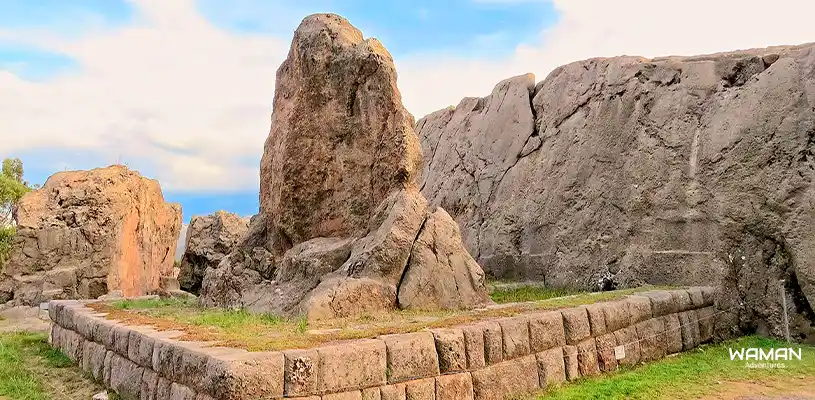
Q’enqo is included in both Circuit I and the Integral Ticket.
Puka Pukara
Puka Pukara is a smaller archaeological complex with stone terraces and structures on the road above Cusco. Its location allows travelers to combine it with Tambomachay during the same circuit.
Tambomachay
Tambomachay is known for its Inca stone channels and flowing water features. Located near Puka Pukara, it completes the four archaeological attractions included in Circuit I.
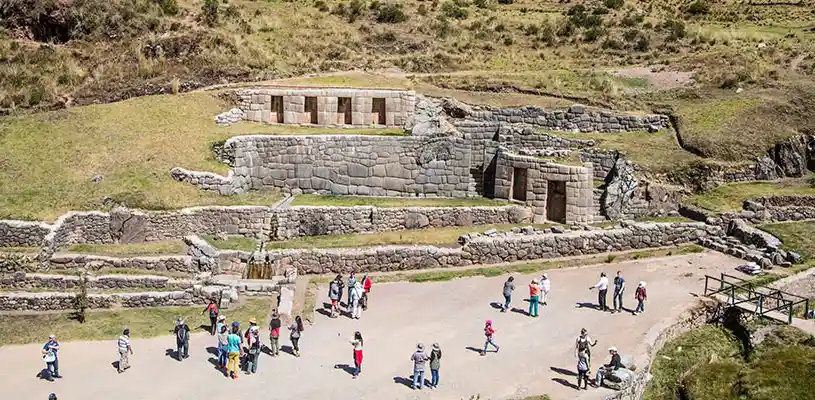
Tambomachay completes the four archaeological stops covered by Circuit I.
If these four attractions are your only planned BTC visits, the Partial Circuit I ticket may be enough. Visitors also heading to the Sacred Valley should compare it with the Integral Ticket.
Circuit II Cusco museums and South Valley
Partial Circuit II is valid for two days and includes six museums or cultural attractions in Cusco, together with Tipón and Pikillaqta in the South Valley.
Qorikancha Site Museum
The Qorikancha Site Museum presents archaeological material and information connected with Cusco’s past. It is listed as part of Circuit II.
Important distinction: inclusion of the Qorikancha Site Museum does not mean that every admission associated with the Qorikancha or Santo Domingo complex is covered by the BTC.
Regional Historical Museum
The Regional Historical Museum is housed in the historic property associated with Inca Garcilaso de la Vega. Its collections explore archaeological, colonial and later periods of Cusco’s history.
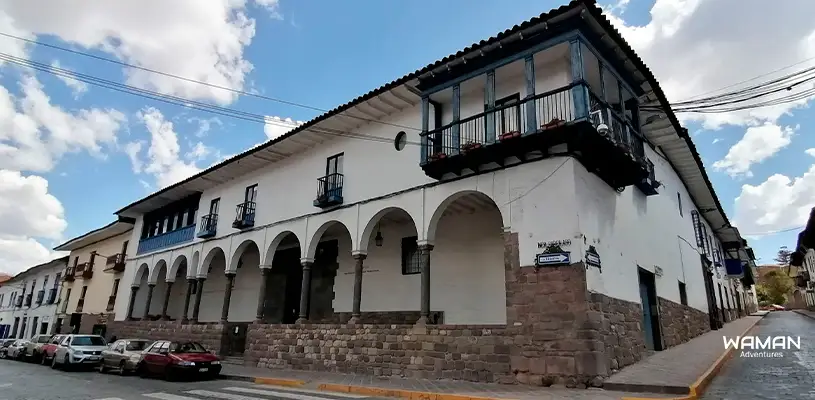
The Regional Historical Museum is one of Circuit II’s cultural attractions.
Contemporary Art Museum
The Contemporary Art Museum presents works by local, national and international artists. It is one of the city-based cultural attractions included in Circuit II.
Pachacuteq Monument
The Pachacuteq Monument honors the Inca ruler associated with the expansion of the Inca state. Its exhibition spaces provide additional cultural and historical context for visitors.

The Pachacuteq Monument forms part of the Cusco cultural circuit.
Popular Art Museum
The Popular Art Museum highlights Cusco’s artistic traditions through regional crafts and works associated with recognized artisan families and artists.
Centro Qosqo de Arte Nativo
The Centro Qosqo de Arte Nativo presents traditional music and dances from the Cusco region. Performance schedules can change, so visitors should confirm the current program before attending.
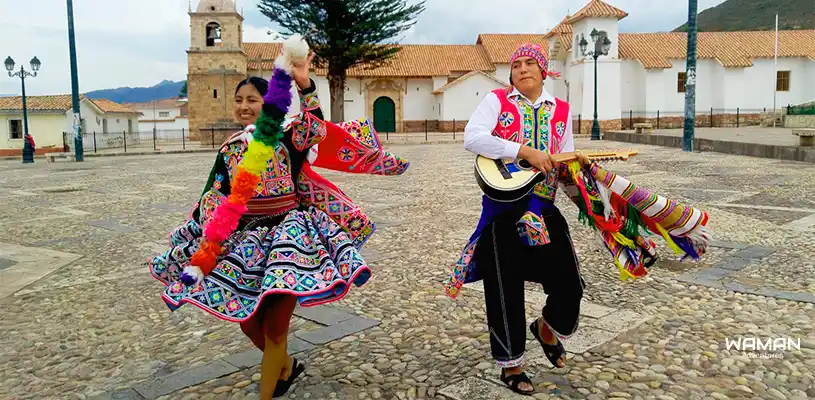
Traditional music and dance add a cultural experience to Circuit II.
Tipón
Tipón is an archaeological complex southeast of Cusco, known for its extensive terraces and sophisticated Inca hydraulic structures. Its channels and stonework make it one of the principal archaeological attractions in Circuit II.
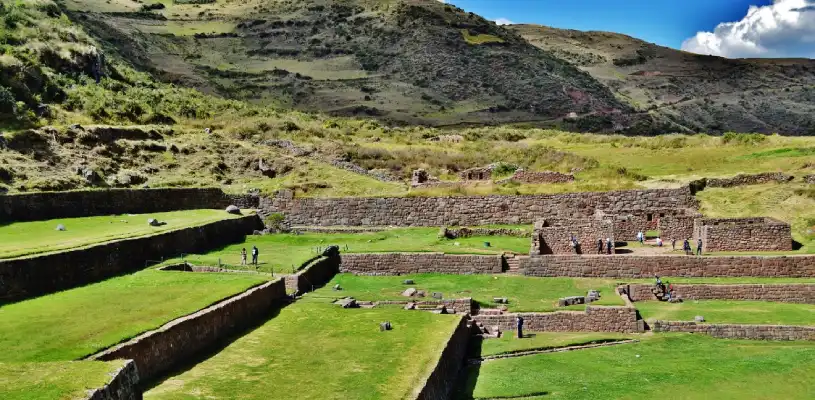
Tipón is included in Circuit II alongside Pikillaqta and cultural attractions.
Pikillaqta
Pikillaqta is a pre-Inca archaeological site associated with the Wari culture. Its planned urban layout provides a different historical perspective from the better-known Inca sites around Cusco.

Pikillaqta is a Wari archaeological site covered by Circuit II.
Travelers exploring these archaeological sites can also review the Southern Valley Tour, which commonly combines Tipón and Pikillaqta with Andahuaylillas. Admission to Andahuaylillas is separate because it is not one of the 16 BTC attractions.
Circuit III Sacred Valley archaeological sites
Partial Circuit III covers four important archaeological attractions in the Sacred Valley and is valid for two days. It is suitable for travelers whose sightseeing plans focus on Pisaq, Ollantaytambo, Chinchero and Moray.
Pisaq
Pisaq is an extensive archaeological complex with agricultural terraces, residential areas and ceremonial sectors spread across the mountainside. It is one of the principal attractions included in Sacred Valley Circuit III.

Pisaq is included in the four-site Sacred Valley ticket circuit.
Ollantaytambo
Ollantaytambo preserves monumental Inca terraces and architectural structures above a historic town. The archaeological complex is included in both Partial Circuit III and the Integral Ticket.

Chinchero
Chinchero combines Inca archaeological remains, agricultural terraces and a historic settlement with living textile traditions. The archaeological park is part of Circuit III.
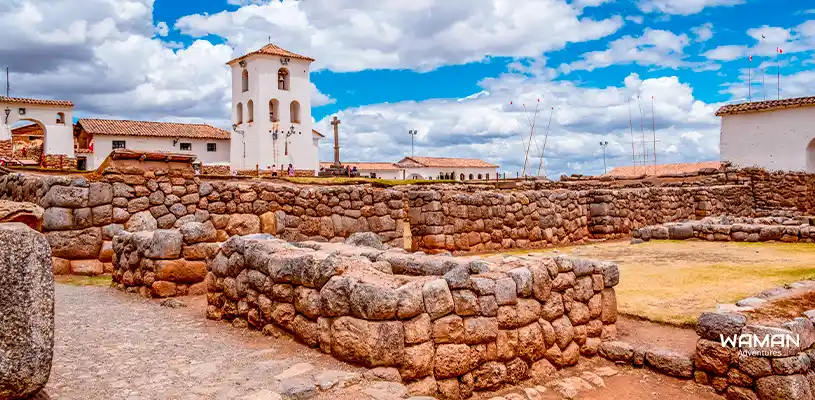
Chinchero’s archaeological park is included in the Sacred Valley circuit.
Moray
Moray is known for its distinctive concentric terraces built into natural depressions. It belongs to Circuit III and is therefore covered by the Sacred Valley Partial Ticket or the Integral Ticket.
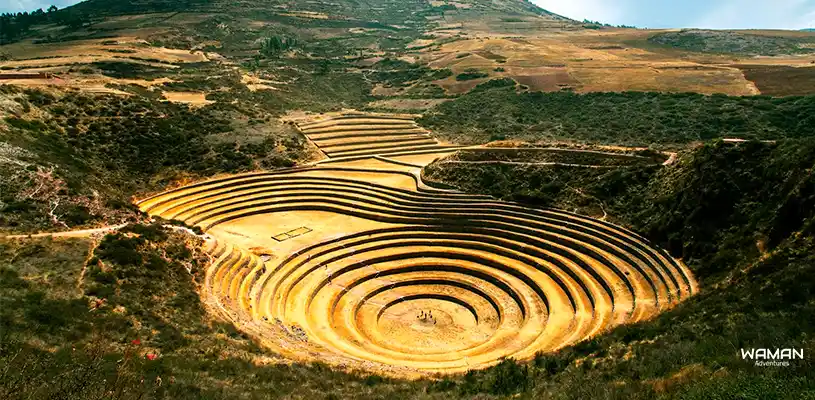
Moray circular terraces cusco
Travelers planning to visit several of these attractions can review the Sacred Valley Tour for practical context on combining sites during a day of sightseeing.
How long is the Cusco Tourist Ticket valid?
The validity period depends on the ticket category and begins on the date of purchase.
- Integral Ticket: valid for 10 days.
- Partial Circuit I: valid for 1 day.
- Partial Circuit II: valid for 2 days.
- Partial Circuit III: valid for 2 days.
The Integral Ticket allows travelers to distribute visits across several days instead of visiting all attractions immediately. This can be helpful because the three circuits cover different parts of Cusco and the surrounding region.
COSITUC indicates that all 16 attractions can technically be visited in a minimum of three days, but such a schedule would be demanding. Travelers who want time for museums, archaeological sites and transportation between areas will generally benefit from spreading their visits over more days.
What the Cusco Tourist Ticket does not include
The BTC is an admission pass for its officially listed attractions, not an all-inclusive pass covering every historical or cultural site in the region.
The ticket does not automatically include:
- Machu Picchu admission: Machu Picchu uses a separate ticketing system.
- Cusco Cathedral: admission is not part of the BTC.
- All Qorikancha or Santo Domingo admissions: Circuit II specifically lists the Qorikancha Site Museum.
- Andahuaylillas Church: this attraction uses separate admission.
- Transportation: travel between attractions is not provided by the ticket.
- Tour guides: guiding services must be arranged separately.
- Meals and other tour services: food and additional services are not included.
- Attractions outside the official list: admission to other sites must be checked individually.
Important note:
The BTC covers admission only. If you book a guided tour, confirm whether the operator includes your tourist ticket or whether you need to purchase it separately.
Student discounts, children and resident tickets
Foreign student tickets
Foreign students who meet COSITUC’s eligibility rules can purchase the Integral Foreign Student Ticket for S/70, valid for 10 days.
- Ages 10–17: identification is required.
- Ages 18–25: a valid student card or ISIC is required under the published conditions.
Student discounts are subject to documentation requirements, so carrying the correct identification is essential.
Children
COSITUC currently states that children up to 9 years old can enter BTC attractions without paying. The Centro Qosqo de Arte Nativo has a specific exception, with charges applying from age 6 because performances involve seating.
Peruvian nationals and permanent residents
Peruvian nationals and eligible permanent residents can access promotional ticket categories when they meet COSITUC’s documentation requirements.
The ticket is personal and non-transferable. Visitors must carry the identification needed to support the tariff they purchased.
Is the Cusco Tourist Ticket worth buying?
The Cusco Tourist Ticket is worthwhile when its included attractions match your actual sightseeing plans. Its value depends on the circuits you use rather than simply the number of days you spend in the city.
When the Integral Ticket makes sense
- You plan to visit attractions from at least two circuits.
- You are combining archaeological sites around Cusco with the Sacred Valley.
- You want Sacred Valley sites plus Tipón or Pikillaqta.
- You have several days available for sightseeing.
- You want the flexibility to visit included museums or additional sites during the ticket’s 10-day validity.
When a Partial Ticket may be sufficient
- You only plan to visit the four archaeological sites in Circuit I.
- Your itinerary focuses entirely on the Sacred Valley attractions in Circuit III.
- You only need the attractions included in Circuit II.
- Most of the sites in your itinerary are not part of the BTC.
For foreign adults, the price comparison is straightforward: two S/70 partial tickets cost S/140, while the Integral Ticket costs S/130. However, paying for a broader ticket is unnecessary if your itinerary only requires one circuit.
Common mistakes when buying the Cusco Tourist Ticket
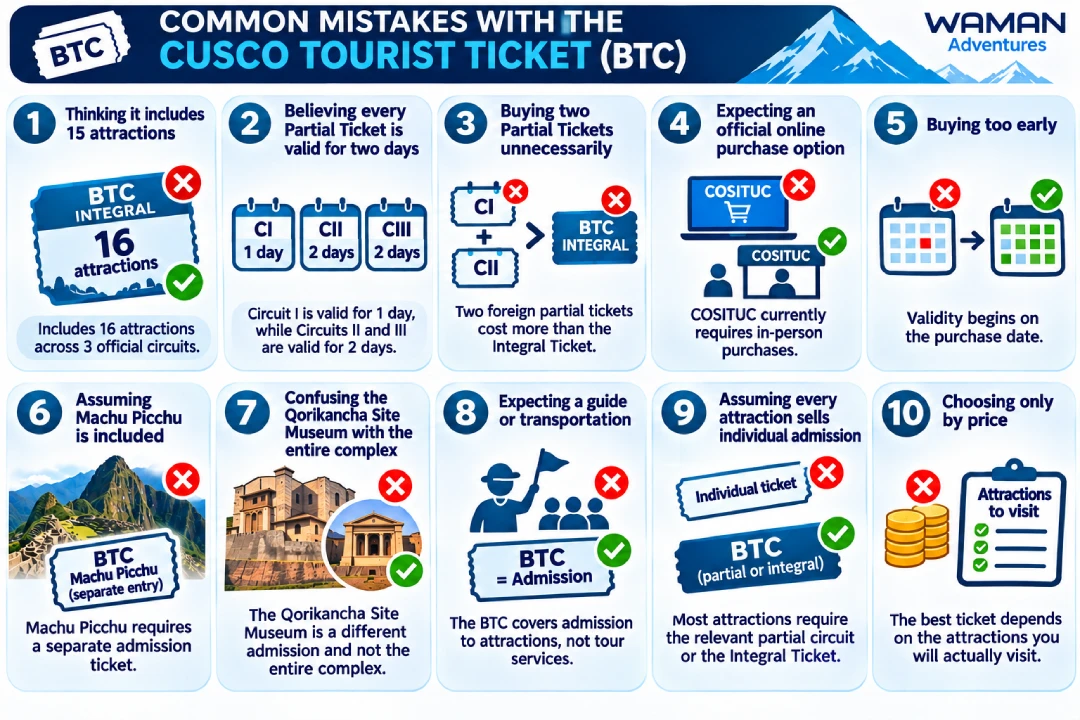
The infographic clarifies ten common mistakes with the Cusco Tourist Ticket
Plan your Cusco sightseeing with the right ticket
The Cusco Tourist Ticket can simplify admission to archaeological sites, museums and cultural attractions when its circuits match your travel plans. Choosing between an Integral and Partial Ticket before arriving at the first attraction can save time and unnecessary expense. If you want help combining Cusco, the Sacred Valley and the South Valley into a practical itinerary, talk to a travel specialist about the route that best fits your stay.

Frequently asked questions about the Cusco Tourist Ticket
Can I buy the Cusco Tourist Ticket online?
Where can I buy the Cusco Tourist Ticket in Cusco?
Does the Cusco Tourist Ticket include Machu Picchu?
Does the Cusco Tourist Ticket include Qorikancha?
Can I buy a ticket for only one archaeological site?
Can I use the Cusco Tourist Ticket on different days?
Does the ticket include transportation or a guide?
Do children and students get discounts?
Share:




If you liked this article and the information you found, give us 5 stars!
Table of Contents
Related blogs

Sacred Valley and Machu Picchu 2-Day Itinerary
13 min of reading