Mexico’s Natural Heritage | 10 Places You Need to Visit
Ultima actualización en 21 September, 2026 por Jhon Quispe
Last Updated on 21 September, 2026 by Jhon Quispe
What Are Mexico’s Natural World Heritage Sites?
Mexico’s natural World Heritage includes six natural properties: Sian Ka’an, El Vizcaíno, Monarch Butterfly Biosphere Reserve, El Pinacate and Gran Desierto de Altar, the Gulf of California islands and protected areas, and Archipiélago de Revillagigedo. Two additional World Heritage properties, Calakmul and Tehuacán-Cuicatlán—are classified as mixed because UNESCO recognizes both their natural and cultural significance.
- How many UNESCO Natural World Heritage Sites are in Mexico?
- Mexico’s natural heritage at a glance
- How Mexico’s natural heritage is classified
- Choose a natural heritage site by experience
- UNESCO Natural World Heritage Sites in Mexico
- UNESCO Mixed World Heritage Sites with major natural value
- Other protected natural areas worth visiting
-
Frequently asked questions about Mexico’s natural heritage
- What is the best time to visit Mexico’s natural heritage sites?
- Do I need to book Mexico’s protected natural areas in advance?
- Can I visit Mexico’s natural heritage sites without a guide?
- Which natural heritage sites in Mexico are easiest for families?
- Which protected areas are best for wildlife in Mexico?
- Do Mexico’s protected natural areas charge entrance fees?
- How can travelers help protect Mexico’s natural heritage?
How many UNESCO Natural World Heritage Sites are in Mexico?
Mexico currently has 6 UNESCO Natural World Heritage properties and 2 mixed properties recognized for both natural and cultural value. This guide includes those eight properties plus Cabo Pulmo National Park and Ría Lagartos Biosphere Reserve as two additional protected natural destinations. Cabo Pulmo and Ría Lagartos are important conservation areas, but they are not separate UNESCO World Heritage properties.
From Caribbean wetlands and gray-whale lagoons to volcanic deserts, tropical forests and remote Pacific islands, Mexico’s natural heritage represents very different landscapes and travel experiences. The key is understanding which conservation designation applies to each place and what that means for access, wildlife protection and trip planning.
Mexico’s natural heritage at a glance
| Place | Classification | Main landscape or experience |
| Sian Ka’an | UNESCO Natural | Caribbean wetlands, mangroves and tropical forest |
| Whale Sanctuary of El Vizcaíno | UNESCO Natural | Gray-whale breeding lagoons and desert coast |
| Islands and Protected Areas of the Gulf of California | UNESCO Natural | Marine biodiversity, islands and desert coastline |
| Monarch Butterfly Biosphere Reserve | UNESCO Natural | Seasonal monarch migration in high-elevation fir forest |
| El Pinacate and Gran Desierto de Altar | UNESCO Natural | Volcanic craters, lava fields and desert dunes |
| Archipiélago de Revillagigedo | UNESCO Natural | Remote volcanic islands and pelagic marine life |
| Calakmul | UNESCO Mixed | Maya archaeology and tropical rainforest |
| Tehuacán-Cuicatlán Valley | UNESCO Mixed | Columnar cacti, arid biodiversity and cultural landscape |
| Cabo Pulmo National Park | National Park and Gulf UNESCO component | Coral reef, snorkeling and diving |
| Ría Lagartos Biosphere Reserve | Biosphere Reserve and Ramsar wetland | Mangroves, coastal wetlands and flamingos |
How Mexico’s natural heritage is classified
Mexico currently has 36 properties on UNESCO’s World Heritage List. Of those, 28 are classified as cultural, 6 as natural and 2 as mixed properties that combine cultural and natural Outstanding Universal Value.
This guide focuses on the six natural properties and the two mixed properties with major ecological value. Cabo Pulmo and Ría Lagartos are included because they are important protected natural destinations, not because they represent two additional World Heritage properties.
You can review the complete official classification on the UNESCO World Heritage page for Mexico.
Important note:
World Heritage, Biosphere Reserve, Ramsar and national park designations are not interchangeable. A protected area can hold more than one designation, and each system can have different conservation objectives and visitor rules.
Choose a natural heritage site by experience
| If you want… | Consider |
| Gray-whale watching | Whale Sanctuary of El Vizcaíno |
| Monarch migration | Monarch Butterfly Biosphere Reserve |
| Caribbean wetlands and mangroves | Sian Ka’an |
| Islands and marine biodiversity | Gulf of California protected areas |
| Volcanic desert landscapes | El Pinacate and Gran Desierto de Altar |
| Remote Pacific diving | Archipiélago de Revillagigedo |
| Maya archaeology and rainforest | Calakmul |
| Cactus landscapes and arid biodiversity | Tehuacán-Cuicatlán Valley |
| Coral reef snorkeling and diving | Cabo Pulmo |
| Flamingos and coastal wetlands | Ría Lagartos |
UNESCO Natural World Heritage Sites in Mexico
1. Sian Ka’an
Sian Ka’an was inscribed on UNESCO’s World Heritage List in 1987. Its name comes from Maya and is commonly translated as “Origin of the Sky” or “Where the Sky Is Born.” The reserve protects tropical forest, wetlands, mangroves, coastal lagoons and marine environments on the Caribbean side of the Yucatán Peninsula.
Location: Sian Ka’an is in Quintana Roo, south of Tulum. Access varies considerably between forest, lagoon, wetland and coastal sectors, so not every part of the reserve is reached in the same way.
- Mangroves, tropical forest, marshes and Caribbean coastline.
- Rich birdlife and diverse terrestrial and marine species.
- Maya archaeological traces and cultural landscapes around areas such as Muyil.
- Boat-based exploration in some sectors, subject to local conservation controls.
Check current visitor routes and protected-area conditions before traveling because access can vary seasonally.

Sian Ka’an combines Caribbean wetlands, mangroves, forest and marine habitats.
2. Whale Sanctuary of El Vizcaíno
UNESCO inscribed the Whale Sanctuary of El Vizcaíno in 1993. Its coastal lagoons are internationally important breeding, calving and wintering areas for gray whales that migrate along the eastern Pacific.
Location: The sanctuary is in Baja California Sur within the broader El Vizcaíno protected region. Its best-known whale lagoons are Laguna Ojo de Liebre and Laguna San Ignacio.
- Seasonal gray-whale observation in regulated lagoon areas.
- Laguna Ojo de Liebre and Laguna San Ignacio within the same UNESCO property.
- Coastal wetlands and desert landscapes.
- Important habitat for migratory birds and other marine wildlife.
Important note:
Gray-whale presence, excursion schedules and authorized visitor conditions vary by season. Confirm current local rules and use authorized wildlife operators before traveling.

El Vizcaíno protects key breeding and wintering lagoons for gray whales.
3. Islands and Protected Areas of the Gulf of California
This serial UNESCO World Heritage property was inscribed in 2005 and includes islands, islets and protected coastal and marine areas throughout the Gulf of California.
UNESCO recognizes the region for its exceptional marine biodiversity, oceanographic processes and striking contrast between arid islands, cliffs, sandy beaches and surrounding waters.
Location: The property extends through the Gulf of California in northwestern Mexico and consists of multiple protected components rather than one single park.
- Rugged islands, beaches, cliffs and desert landscapes.
- Exceptionally diverse fish, marine mammal and seabird communities.
- Kayaking, diving and wildlife observation in selected protected areas.
- Different access conditions according to the island or marine zone visited.
The property remains on UNESCO’s List of World Heritage in Danger in 2026. That status does not mean the entire Gulf is closed to tourism, but it makes compliance with local conservation controls particularly important.
For current status and property details, review the UNESCO page for the Islands and Protected Areas of the Gulf of California.

The UNESCO property spans islands, coastlines and protected marine habitats.
4. Monarch Butterfly Biosphere Reserve
The Monarch Butterfly Biosphere Reserve was inscribed as UNESCO World Heritage in 2008. Each winter, monarch butterflies concentrate in high-elevation forests after migrating from the United States and Canada.
Location: The reserve lies across Michoacán and the State of Mexico in mountain forests dominated by oyamel firs.
Many visitor areas are located above 7,874 ft (2,400 m). Reaching observation areas can involve uphill walking at elevation, so pace yourself and follow local trail instructions.
- Oyamel fir forests used seasonally by monarch butterflies.
- Authorized visitor sanctuaries and protected colony zones.
- A wildlife experience strongly influenced by annual weather and migration patterns.
- Rules designed to minimize disturbance around butterfly colonies.
Do not rely on an old fixed number of colonies or open sanctuaries. Monitoring results and visitor access can change between migration seasons.
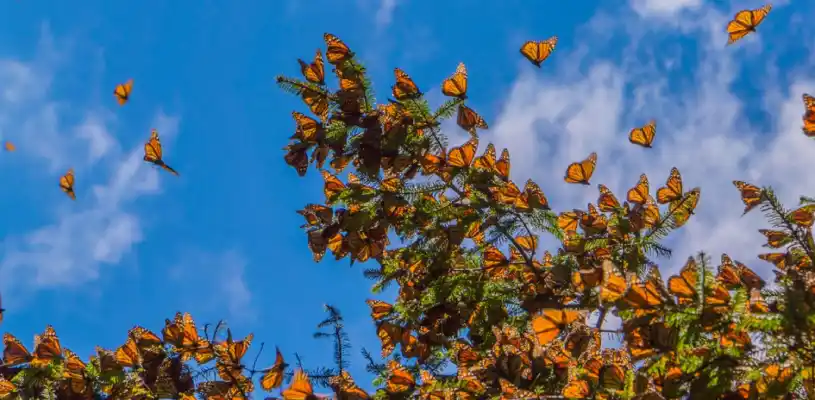
Monarchs gather seasonally in the reserve’s high-elevation oyamel forests.
5. El Pinacate and Gran Desierto de Altar Biosphere Reserve
UNESCO inscribed El Pinacate and Gran Desierto de Altar in 2013 for its exceptional desert geomorphology, volcanic features and biological diversity.
Location: The reserve is in Sonora close to the U.S. border and the Gulf of California. It combines broad desert plains, volcanic terrain and extensive dune systems.
- Large dune fields, including star-shaped dunes.
- Volcanic craters, lava flows, cinder cones and a broad volcanic shield.
- Desert plants and wildlife adapted to extreme conditions.
- Remote landscapes where heat, driving distance and road conditions matter.
Some geological features are in sectors with controlled or limited access. Confirm current routes and viewpoints rather than assuming every crater is open to visitors.

El Pinacate combines volcanic landforms with immense Sonoran Desert landscapes.
6. Archipiélago de Revillagigedo
The Archipiélago de Revillagigedo was inscribed as UNESCO Natural World Heritage in 2016. It consists of remote volcanic islands in the Pacific and an extensive surrounding marine environment.
Location: The archipelago lies far off Mexico’s Pacific coast, southwest of the Baja California Peninsula. Its isolation is central to both its ecological importance and the difficulty of visiting.
- Remote volcanic oceanic islands.
- Large pelagic species such as giant oceanic manta rays, sharks and cetaceans.
- Advanced diving opportunities when sea and weather conditions permit.
- Expedition-style access rather than a conventional coastal day trip.
Revillagigedo is the most logistically demanding destination in this selection. Visitors should use properly authorized operators and confirm protected-area requirements well before departure.
UNESCO Mixed World Heritage Sites with major natural value
7. Ancient Maya City and Protected Tropical Forests of Calakmul
Calakmul is a mixed UNESCO World Heritage property. Its Outstanding Universal Value combines the archaeology of a major Maya city with the surrounding tropical forest ecosystem.
Location: Calakmul is in Campeche in southern Mexico, within a vast forest landscape connected to the broader Selva Maya.
- Monumental Maya architecture surrounded by tropical forest.
- Extensive forest habitat with high biological diversity.
- A landscape where archaeology and ecology are experienced together.
- Long travel distances and fewer visitor services than more urban archaeological destinations.
UNESCO’s official property name is Ancient Maya City and Protected Tropical Forests of Calakmul, Campeche.
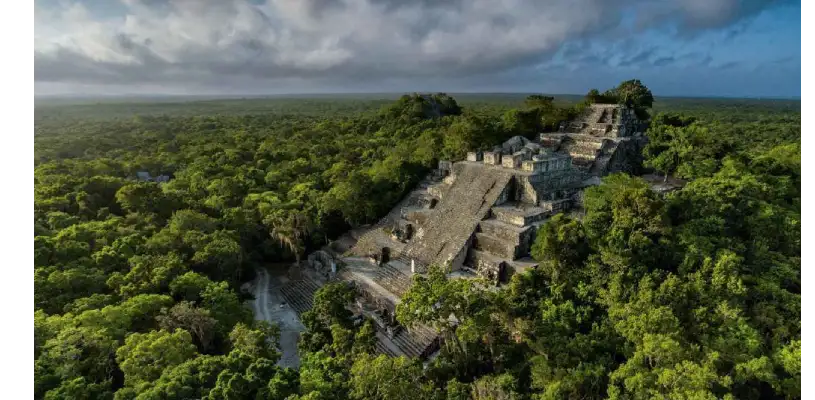
Calakmul brings Maya archaeology and tropical forest into one protected landscape.
8. Tehuacán-Cuicatlán Valley
The official UNESCO property is Tehuacán-Cuicatlán Valley: originary habitat of Mesoamerica. It was inscribed in 2018 as a mixed World Heritage property because of its exceptional arid-zone biodiversity and long history of human interaction with the landscape.
Location: The valley extends through southeastern Puebla and northern Oaxaca.
- Dense landscapes of columnar cacti and other arid-zone vegetation.
- Agaves, yuccas, oaks and high biological diversity.
- Evidence of early plant domestication and historic water-management systems.
- Hiking and landscape observation in dry, exposed terrain.
Pro tip:
Early starts can make walking in exposed semi-arid landscapes more comfortable. Check current access conditions and heat advisories before setting out.
For the official classification, see the UNESCO page for Tehuacán-Cuicatlán Valley.
Other protected natural areas worth visiting
The final two destinations are important protected natural areas, but they should not be counted as two additional UNESCO World Heritage properties.
9. Cabo Pulmo National Park
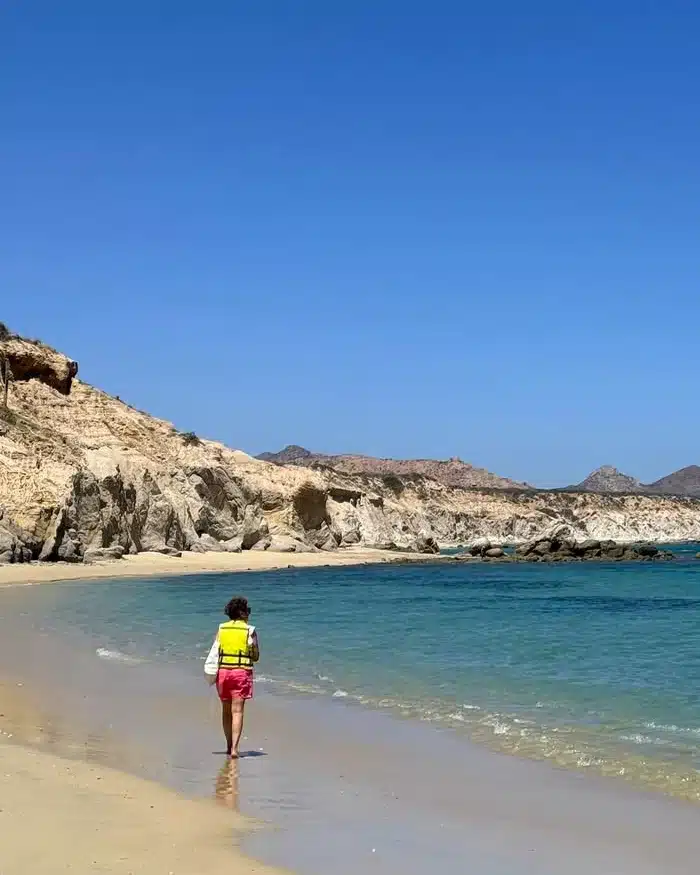
Cabo Pulmo is a Mexican National Park in Baja California Sur and a protected component of the wider UNESCO property Islands and Protected Areas of the Gulf of California. It is therefore part of that World Heritage property rather than a separate UNESCO listing.
Location: Cabo Pulmo lies on the eastern side of the Baja California Peninsula, north of Cabo San Lucas and facing the Gulf of California.
- An important coral-reef ecosystem in the eastern Pacific.
- Snorkeling and scuba diving under protected-area regulations.
- Fish, sea turtles, sharks and other marine wildlife depending on conditions.
- A small coastal community where conservation strongly shapes tourism activity.
UNESCO’s official property map identifies Cabo Pulmo as one of the protected components of the Gulf of California World Heritage property.

10. Ría Lagartos Biosphere Reserve
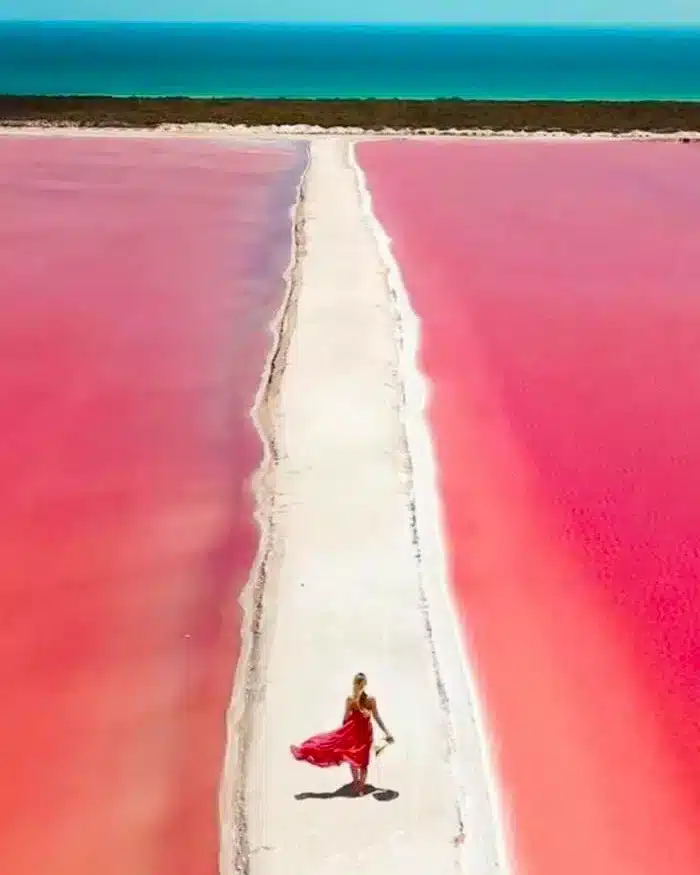
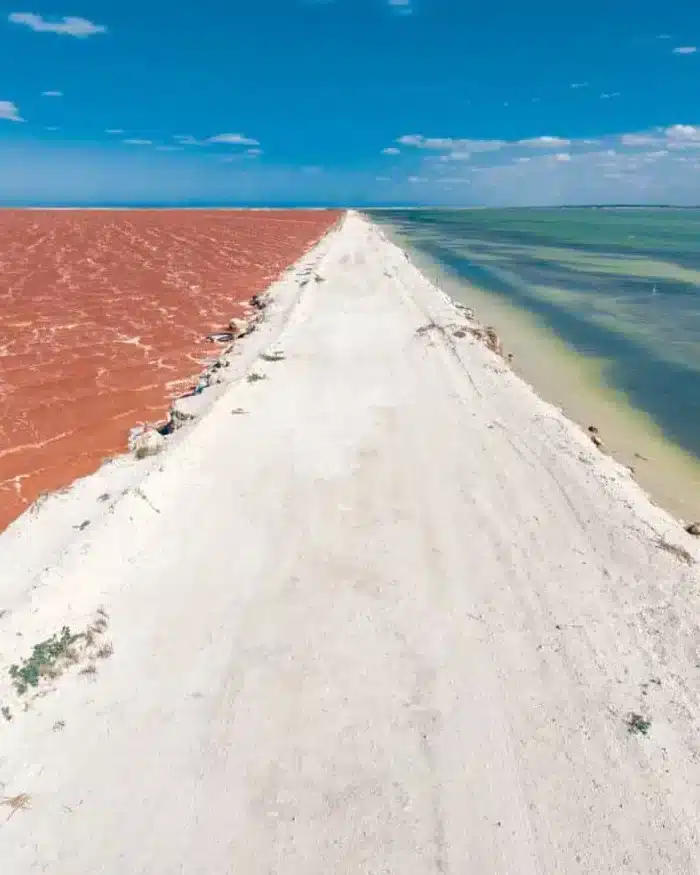
Ría Lagartos protects mangroves, lagoons, coastal wetlands and important bird habitat on the northern Yucatán coast. It is a Mexican Biosphere Reserve and an internationally recognized Ramsar wetland, but it is not a separate UNESCO World Heritage property.
Location: The protected landscape extends around Río Lagartos, San Felipe and surrounding wetland areas on the northern coast of Yucatán.
- Mangroves, estuaries, coastal lagoons and salt-influenced wetlands.
- American flamingos and many resident or migratory bird species.
- Boat excursions through selected wetland areas with local operators.
- Wildlife observation that varies with season and environmental conditions.
Flamingo locations and numbers change naturally, so no single viewpoint or travel date should be treated as a guaranteed wildlife encounter.