Classic vs Short Inca Trail Which One Should You Choose?
Ultima actualización en 14 September, 2026 por Jhon Quispe
Last Updated on 14 September, 2026 by Jhon Quispe
Which Inca Trail should you choose?
Choose the Classic Inca Trail if you want the full 4-day trekking experience, three nights of camping, higher mountain passes and a broader archaeological journey. Choose the Short Inca Trail if you have only two days, prefer one main hiking day and a hotel night, and want a lower-altitude route. The Classic is substantially more demanding overall, while the Short preserves the important final approach through Wiñay Wayna and Inti Punku.
- Classic vs Short Inca Trail at a glance
- Time and hiking commitment
- Altitude and physical difficulty between the Classic vs Short Inca Trail
- Camping vs hotel
- Archaeology and scenery
- Permit availability can affect your choice
- Which route fits your travel style?
- Both Inca Trail routes close in February
- Which Inca Trail should you choose?
- Choose the Inca Trail experience that fits your trip
-
Frequently asked questions about the Classic vs Short Inca Trail
- Which is harder, the Classic or Short Inca Trail?
- Which Inca Trail is better for beginners?
- Do both Inca Trails reach Machu Picchu through Inti Punku?
- Do both routes require permits?
- Do both the Classic and Short Inca Trail close in February?
- Which route is better if I do not want to camp?
- Which Inca Trail is better if I have limited time?
Both routes use the regulated Inca Trail network and lead toward Machu Picchu, but they create very different trips. The decision comes down to the amount of time you have, how much hiking and altitude you want, whether camping appeals to you, and how much of the archaeological route you want to experience before reaching Machu Picchu.
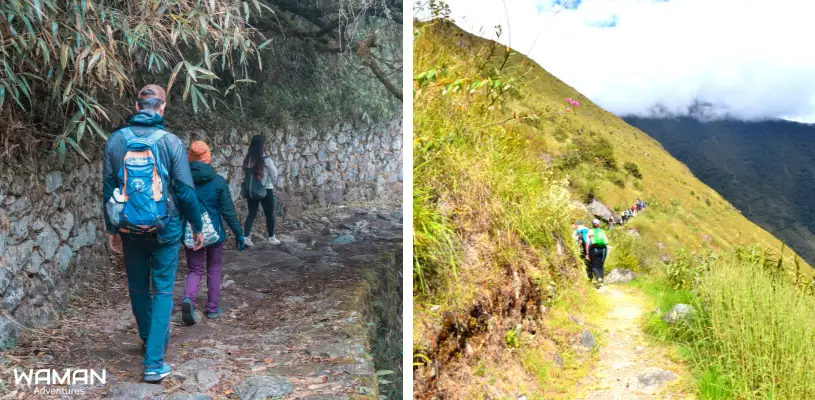
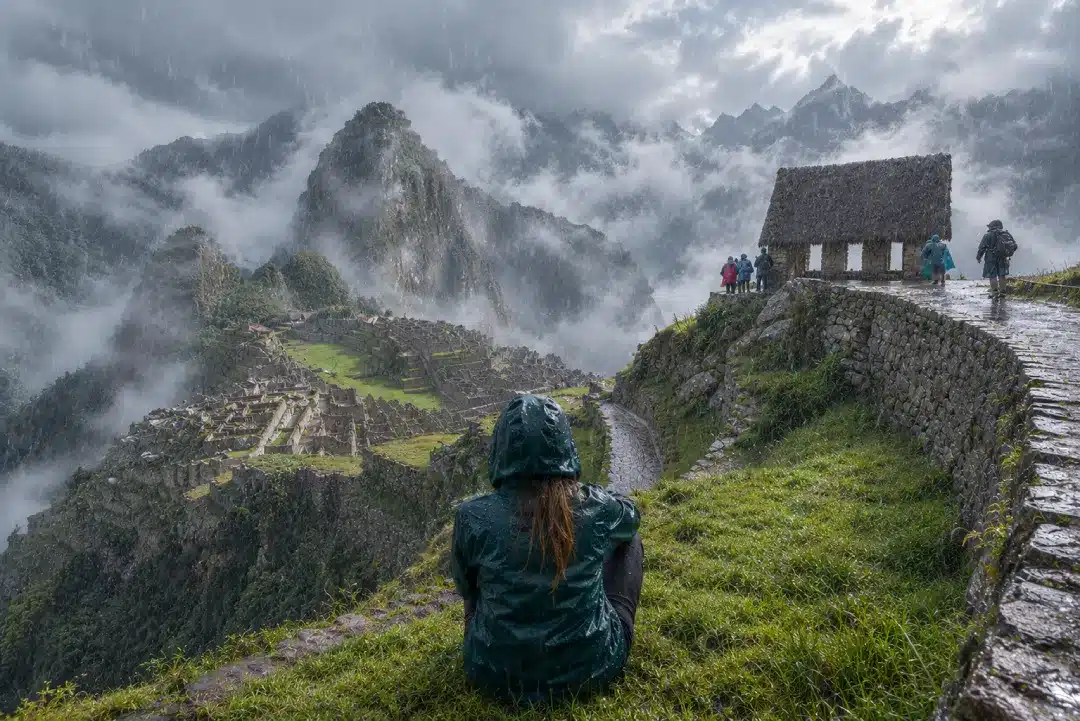
Both routes reach Machu Picchu through very different trekking experiences.
Classic vs Short Inca Trail at a glance
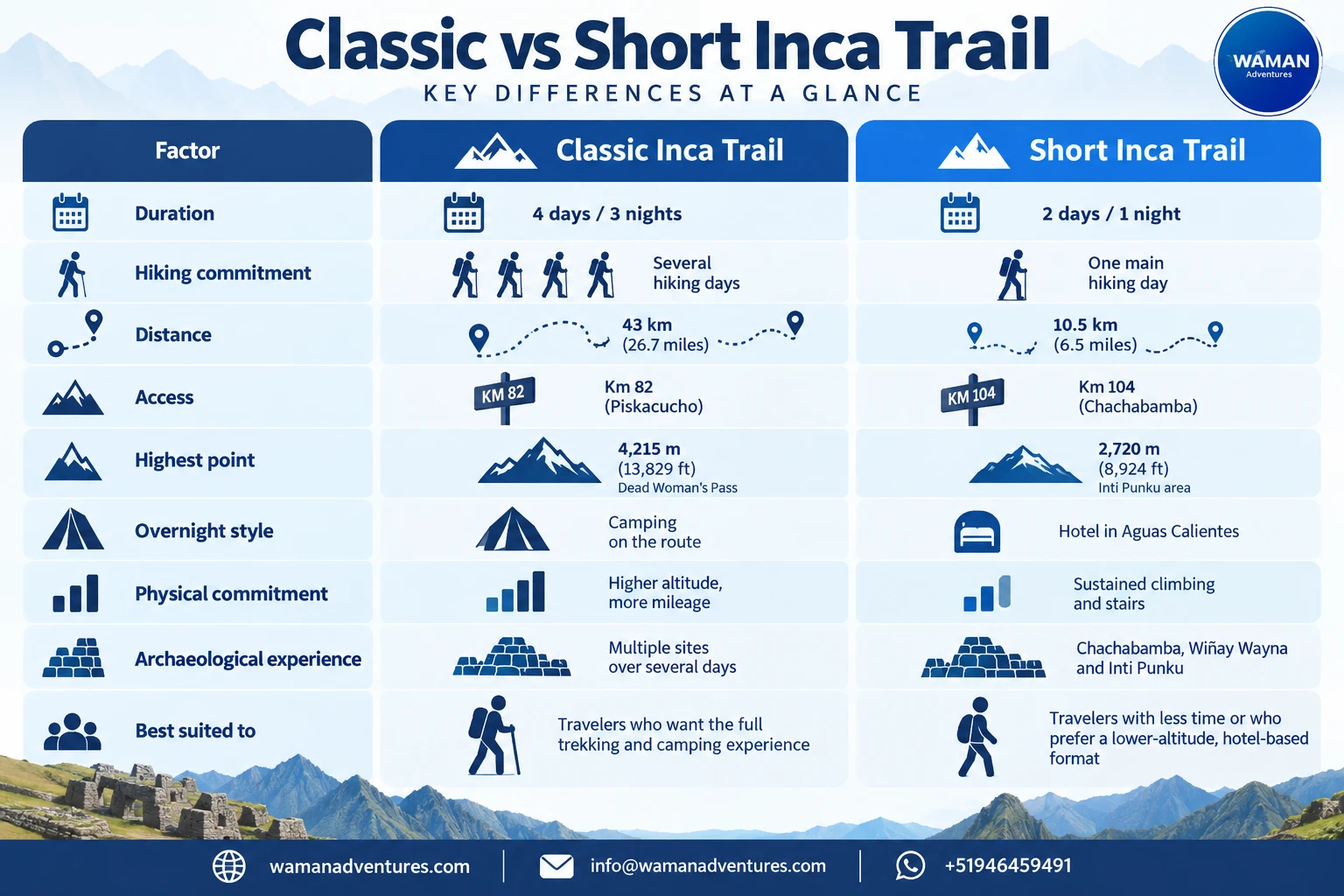
The comparison highlights the main differences between both routes, from the Classic Inca Trail’s four-day camping format to the Short Inca Trail’s two-day, hotel-based experience.
Time and hiking commitment
The Classic Inca Trail is the larger time commitment. Waman Adventures’ standard format lasts 4 days and 3 nights, with several consecutive hiking days before the final approach through Inti Punku.
The Short Inca Trail is a 2-day, 1-night experience, but only the first day contains the main trek. Route 5 is officially listed at about 6.5 mi (10.5 km), while Day 2 focuses primarily on the Machu Picchu visit.


If your Peru itinerary has limited time, this difference alone can decide the choice. The Classic Inca Trail route requires several days dedicated almost entirely to the trail, while the Short Inca Trail route can fit more easily into a broader Cusco and Machu Picchu itinerary.
Altitude and physical difficulty between the Classic vs Short Inca Trail
Altitude is one of the clearest physical differences between the classic inca trail vs short inca trail.
| Altitude factor | Classic Inca Trail | Short Inca Trail |
| Traditional starting area | Around 8,530 ft (2,600 m) at Km 82 | Around 7,054 ft (2,150 m) at Km 104 |
| Highest point | About 13,829 ft (4,215 m) at Dead Woman’s Pass | About 8,924 ft (2,720 m) near Inti Punku |
| Altitude exposure | Substantially higher | Lower |
| Fatigue pattern | Accumulates over several hiking days | Concentrated into one substantial hiking day |
The Classic Inca Trail is physically harder overall because it combines greater altitude, more total walking, repeated climbs and descents and several days of accumulated effort.
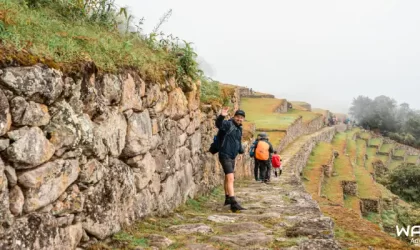
The Short Inca Trail is more manageable for many reasonably active travelers, but it is not effortless. Its main day still includes sustained uphill hiking, stone stairs and uneven terrain.
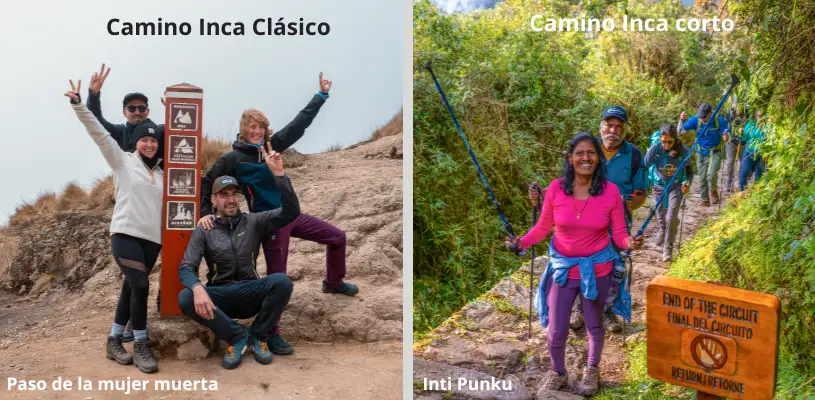
The Classic Trail climbs substantially higher than the Short route.
If your main concern is stamina, stairs, Km 104 or fitness preparation, use the dedicated Short Inca Trail difficulty guide.
Camping vs hotel
The overnight experience creates one of the biggest lifestyle differences between the routes.
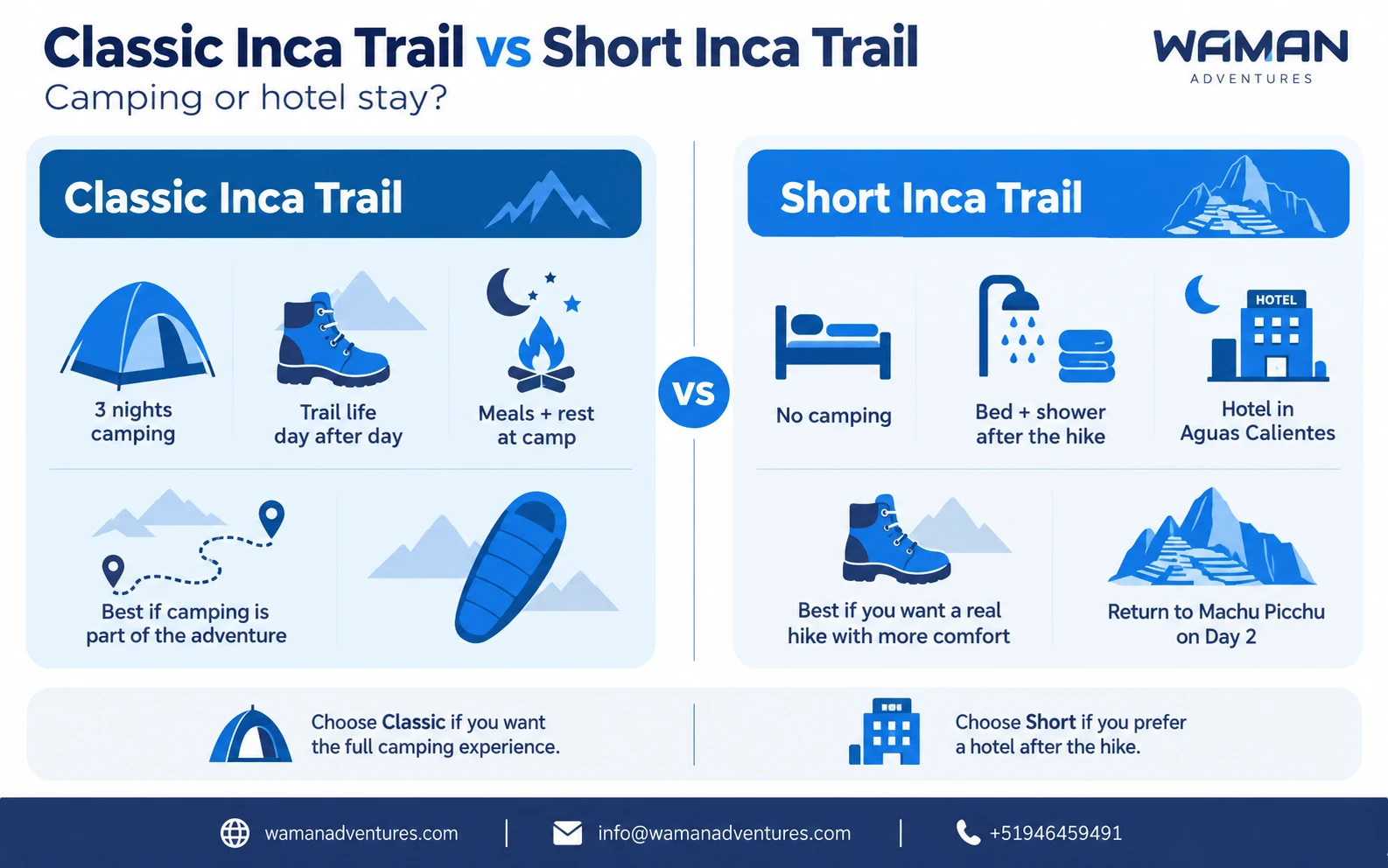
The Classic Inca Trail includes several nights of camping along the route, while the Short Inca Trail avoids camping and allows travelers to stay in an Aguas Calientes hotel after the hike.
Archaeology and scenery
The Classic Inca Trail provides a broader archaeological journey because it covers a much longer section of the network. The Short Inca Trail includes fewer sites, but preserves several of the most important landmarks on the final approach toward Machu Picchu.
| Experience | Classic Inca Trail | Short Inca Trail |
| Archaeological sequence | Patallacta, Runkurakay, Sayacmarca, Phuyupatamarca, Wiñay Wayna, Inti Punku and Machu Picchu | Chachabamba, Wiñay Wayna, Inti Punku and Machu Picchu |
| Landscape variety | High mountain passes, valleys, cloud forest and archaeological zones | Cloud forest, steep green slopes and the final Machu Picchu approach |
| Inti Punku approach | Yes | Yes |
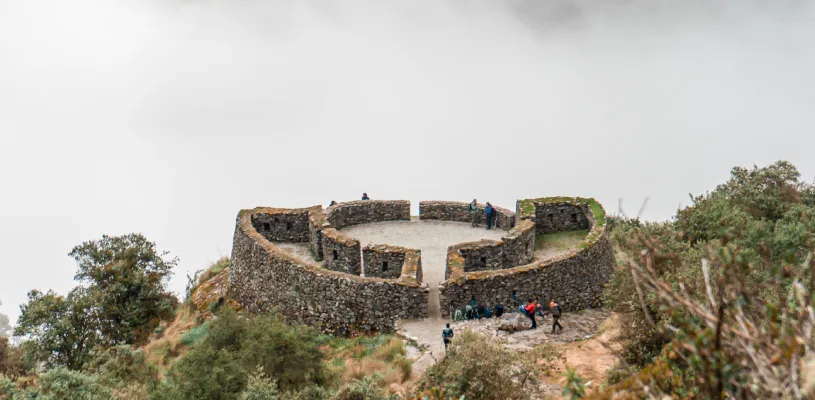
Classic Trail hikers encounter more archaeological sites over four days.

Route 5 concentrates its archaeology near the final Machu Picchu approach.
If archaeological variety across several days is one of your main reasons for hiking, the Classic route has the clear advantage. If you mainly want the celebrated final section through Wiñay Wayna and Inti Punku, the Short route preserves that experience with a much smaller time commitment.
Permit availability can affect your choice
Both routes form part of the regulated Inca Trail network and require advance reservation through the applicable authorized system and operator.
For 2026, Peru’s Ministry of Culture established a maximum regulated capacity of 500 users per day for Routes 01–04 and 250 users per day for Route 05 from Km 104.
These figures refer to authorized users of the network and should not be interpreted as the same number of independent tourist permits because operational personnel are also part of regulated trail capacity.
Important note:
Availability matters for both routes, but the limited spaces and exact dates can affect which option remains possible for your trip.
Which route fits your travel style?
First-time trekkers
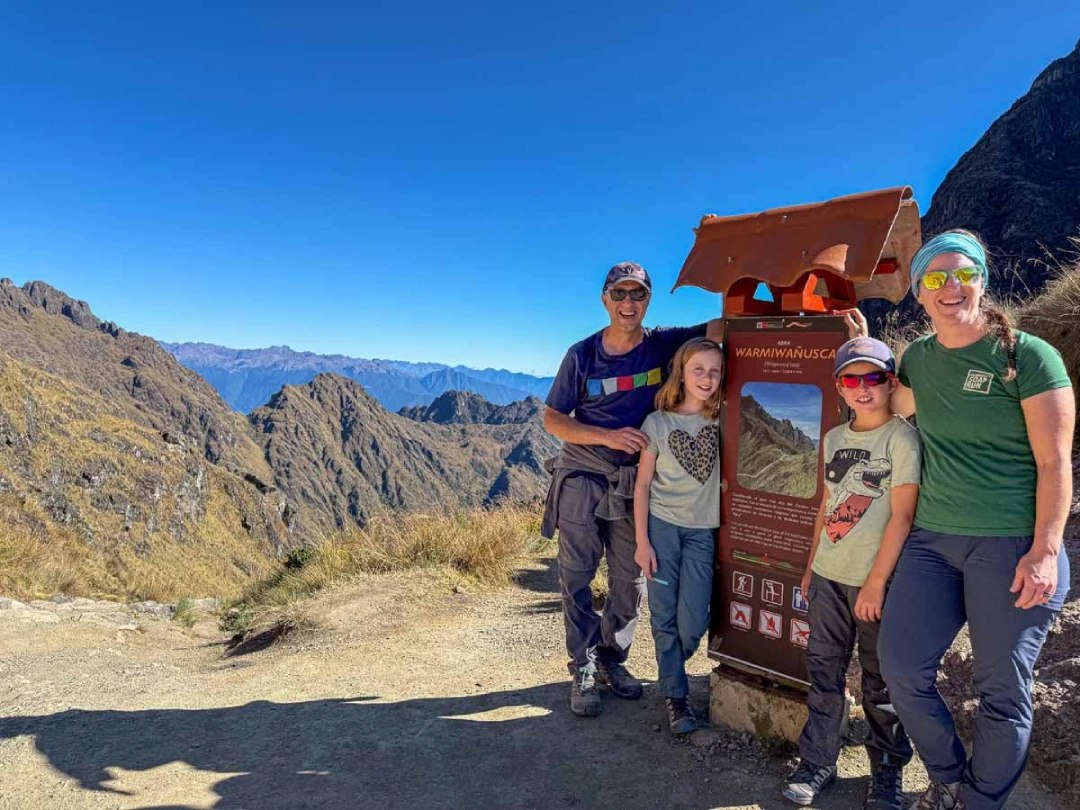
For a first trekking trip, the Short Inca Trail is usually the easier option to evaluate because it has one main hiking day, a much lower maximum altitude and no camping on the standard 2-day format.
The Classic Trail can still suit a first-time trekker with good preparation, but it represents a larger commitment because physical effort continues across several days.
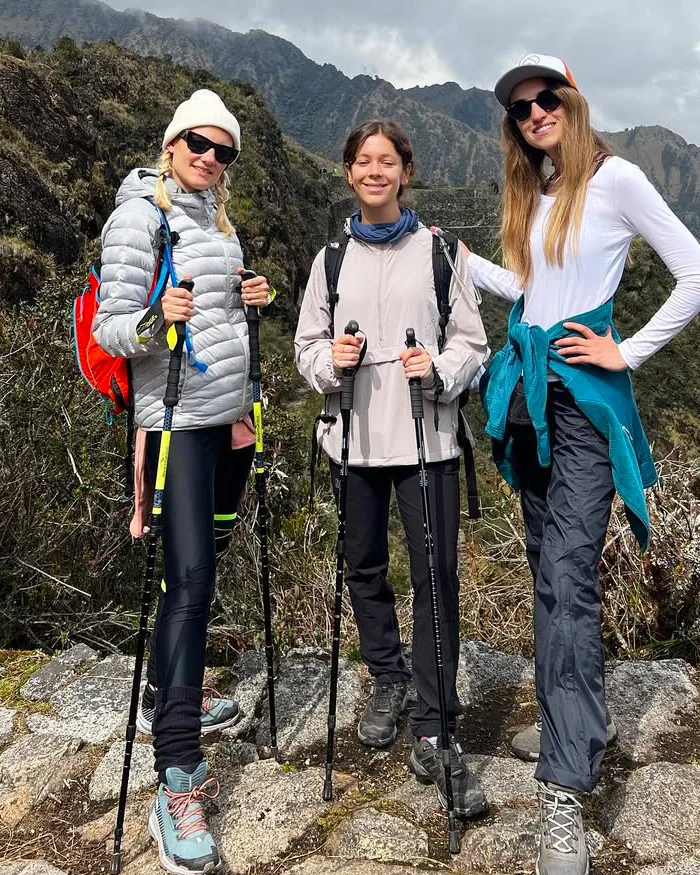
Families and mixed-fitness groups
Age alone does not determine which route is appropriate. Recent hiking experience, mobility, endurance, confidence on stone stairs and response to altitude matter more than a simple age cutoff.
For groups with very different fitness levels, the Short route is generally easier to coordinate because the physical challenge is concentrated into one day and the highest elevation is substantially lower.
Travelers who prefer a hotel
If sleeping in a tent for three nights is not part of the experience you want, the Short Inca Trail is the straightforward choice.
If camping underpins the sense of completing a true multi-day Andean trek for you, the Classic route offers an experience the hotel-based Short itinerary cannot reproduce.

Pay with ease and enjoy a smooth check-in at your Cusco accommodation.
Both Inca Trail routes close in February
The regulated Inca Trail network closes throughout February for annual conservation and maintenance.
In 2026, the closure ran through February 28 and tourism operations resumed from March 1. The closure affects both the Classic and Short Inca Trail routes.
Outside February, trail conditions still vary with season and weather. If choosing between routes mainly because of climate, use the dedicated seasonal planning content rather than treating this comparison as a full weather guide.
Important note:
Current regulations coordinate visitors arriving from the Inca Trail network with a limited Route 3-B allocation inside Machu Picchu. The exact archaeological entrance arrangement should be confirmed as part of your regulated trail booking. For Machu Picchu circuits and ticket rules, use the Machu Picchu entrance ticket guide.
Which Inca Trail should you choose?
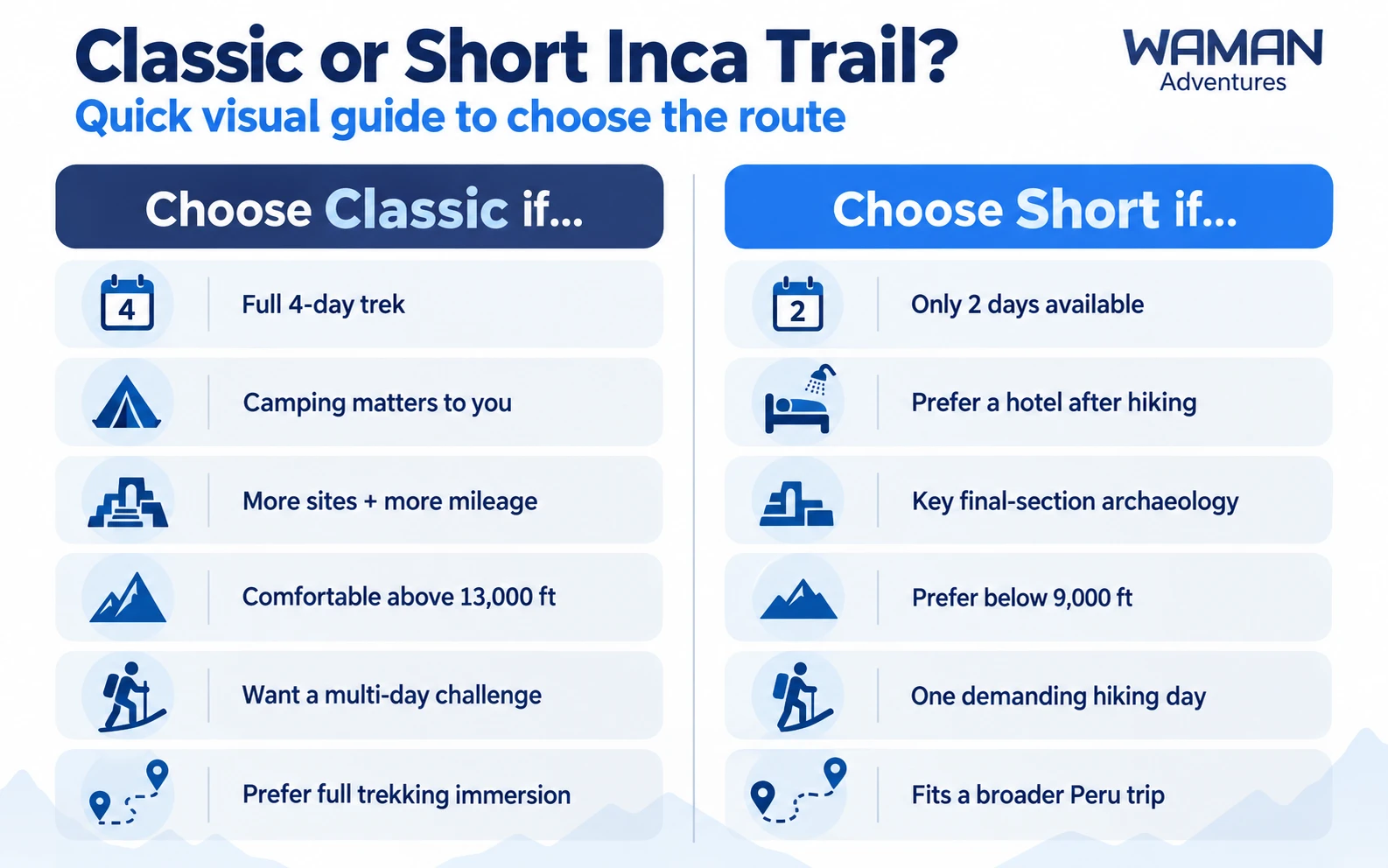
The guide summarizes which traveler profile fits each route: the Classic Inca Trail favors a multi-day trekking experience, while the Short route condenses the hike and fits more easily into a broader Peru itinerary.
Neither route is universally better. The Classic Trail delivers a deeper trekking and camping experience, while the Short Trail preserves the key final Inca Trail approach in a much shorter, lower-altitude format.
Choose the Inca Trail experience that fits your trip
If you want the full multi-day trekking experience, higher mountain passes, several archaeological zones and three nights of camping, the Classic Inca Trail is the stronger fit. If you want the historic approach to Machu Picchu with less time, lower altitude and a hotel night, the Short Inca Trail is usually the more practical choice.
Once you know which experience matches your time and fitness level, you can plan your Peru itinerary with Waman Adventures and coordinate the trail with your Machu Picchu visit and the rest of your time in Cusco.
Frequently asked questions about the Classic vs Short Inca Trail
Which is harder, the Classic or Short Inca Trail?
Which Inca Trail is better for beginners?
Do both Inca Trails reach Machu Picchu through Inti Punku?
Do both routes require permits?
Do both the Classic and Short Inca Trail close in February?
Which route is better if I do not want to camp?
Which Inca Trail is better if I have limited time?
Share:



Related tours you might be interested in
Enjoy unique experiences in Cusco and Machu Picchu with the peace of mind that comes from working with a local travel agency

Choquequirao to Machu Picchu Trek 7 Days | Private Service
The most epic and challenging adventure awaits! Dare to push your limits and embark on the ultimate...
HUMANTAY LAKE TOUR FULL DAY – Group Service
Venture to the heights with a dream trip to the Humantay Lagoon! In the depths of Peru's imposing...

Full Day to Rainbow Mountain / Vinicunca – Group Service
Be dazzled by the breathtaking and colorful natural landscape of the Andes! Enjoy the epic...

Tour to Chinchero, Maras & Moray – Private Service
Discover with us this beautiful, charming and historic places, where we will visit the enigmatic...
If you liked this article and the information you found, give us 5 stars!
Table of Contents
Related blogs
Get Inspired by 30 Short Inca Trail Facts for Your Next Adventure!
20 min of reading