Cusco for Mexican Photographers: Explore, Connect, and Capture Stunning Andean Landscapes
Ultima actualización en 18 November, 2025 por Waman Adventures
Last Updated on 18 November, 2025 by Waman Adventures
- Why Cusco is paradise for Mexican photographers?
- Photographic corners in Cusco for Mexican photographers
- Sacred Valley seen by Mexican photographers
- Machu Picchu through Mexican photographer’s lens
- Light and seasons in Cusco
- Photogenic gastronomy for food lovers
- Practical tips for Mexican photographers in Cusco
- Responsible photography in Cusco for Mexican photographers
-
Frequently asked questions
- What is best time of year in Cusco for Mexican photographers?
- Can drones be used in Cusco or Machu Picchu?
- What photographic equipment do you recommend for Cusco?
- Is it safe for Mexican photographers to travel with cameras in Cusco?
- What lesser known Cusco places are ideal for Mexican photographers?
- How can I connect with local communities to photograph their culture?
- What times of day are best for photos in Cusco?
- What weather precautions should photographers take?
Cusco for Mexican photographers is much more than trip: it’s opportunity to capture authentic settings where history and culture merge in every image. In this guide you’ll discover best places to photograph, from Plaza de Armas and San Blas neighborhood to imposing Sacred Valley and magical citadel of Machu Picchu. Here we’ll tell you best time to travel, which places to visit, and how to make most of photography in each zone. Additionally, you’ll find practical tips for connecting with local communities and capturing moments that convey true essence of Cusco.
Why Cusco is paradise for Mexican photographers?
Cusco is visually beautiful city, where history is present in every corner. Inca architecture stands out, colonial manor houses, markets full of colors, faces with traditional clothing, cobblestone alleys, and ever changing mountainous landscape.
As Mexican photographer, many of these scenes will resonate with your own cultural heritage and aesthetics, allowing you to create profound images establishing visual dialogue between Mexico and Andes.
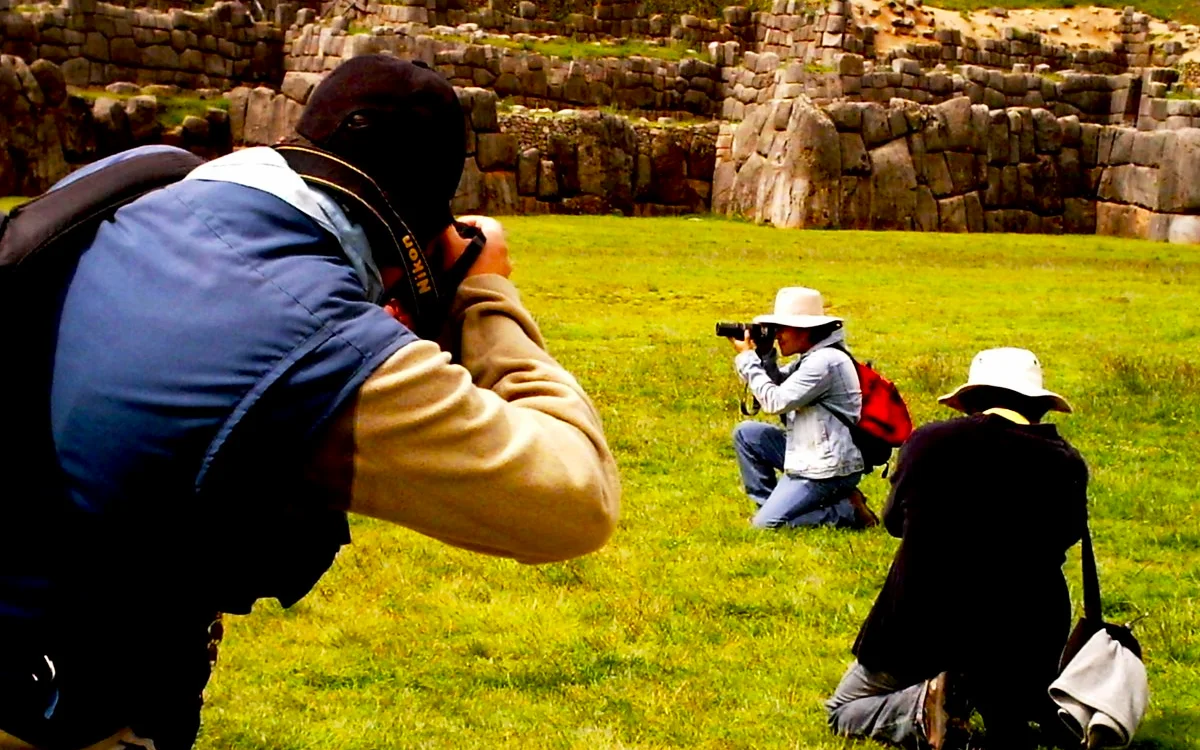
Additionally, you’ll find specialized tours for photographers seeking non obvious angles. These guided tours go beyond usual tourist spots and allow you to capture hidden churches, inner courtyards, facades with artistic details, and authentic neighborhood scenes.
Photographic corners in Cusco for Mexican photographers
Plaza de Armas
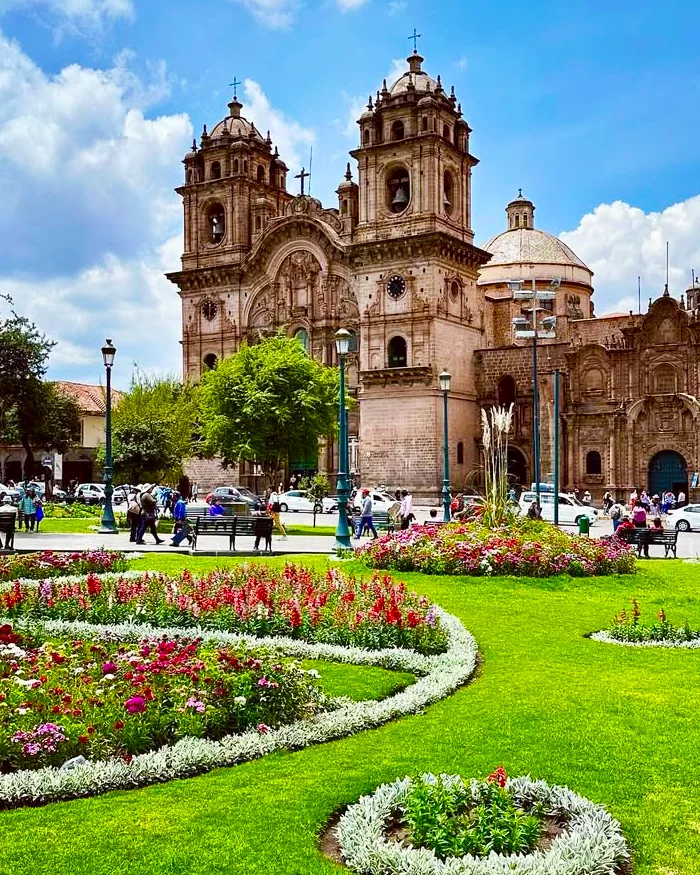
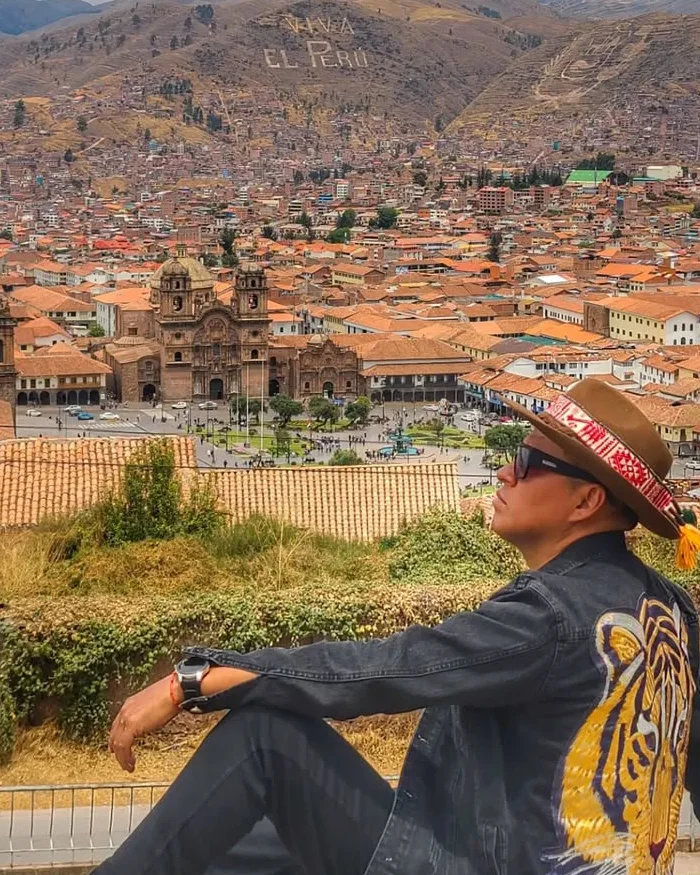
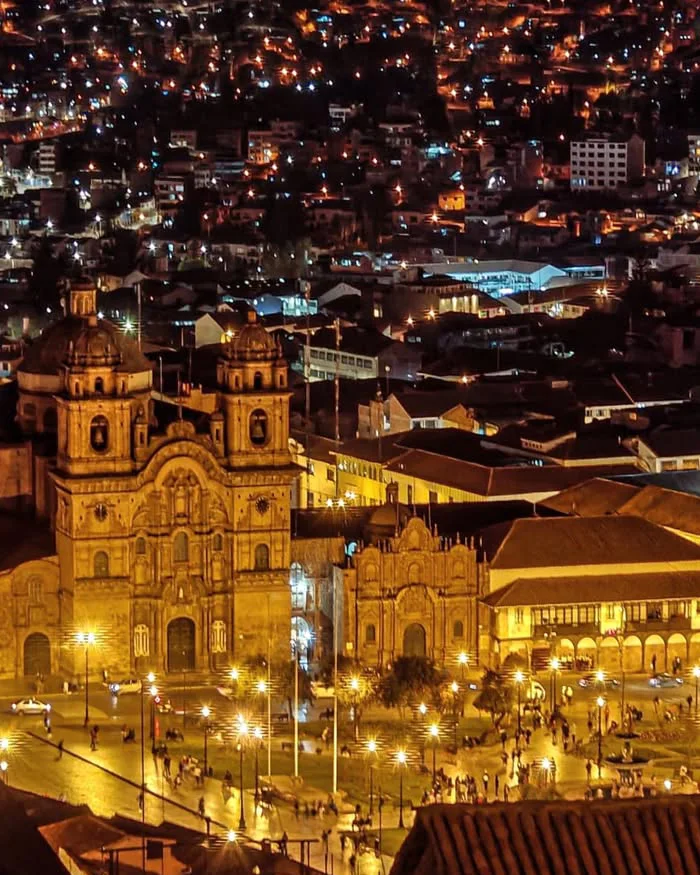
Cusco’s Plaza de Armas is city’s historical and visual epicenter. From here you can capture colonial architecture, like Cusco Cathedral and Church of Society of Jesus, plus fragments of Inca legacy still remaining beneath its foundations.
As you stroll, you’ll observe local musicians, exploring tourists, and religious processions during festivities. As Mexican photographer, you’ll find array of unique opportunities at sunrise or sunset, when light enhances facades and casts dramatic shadows.
San Blas
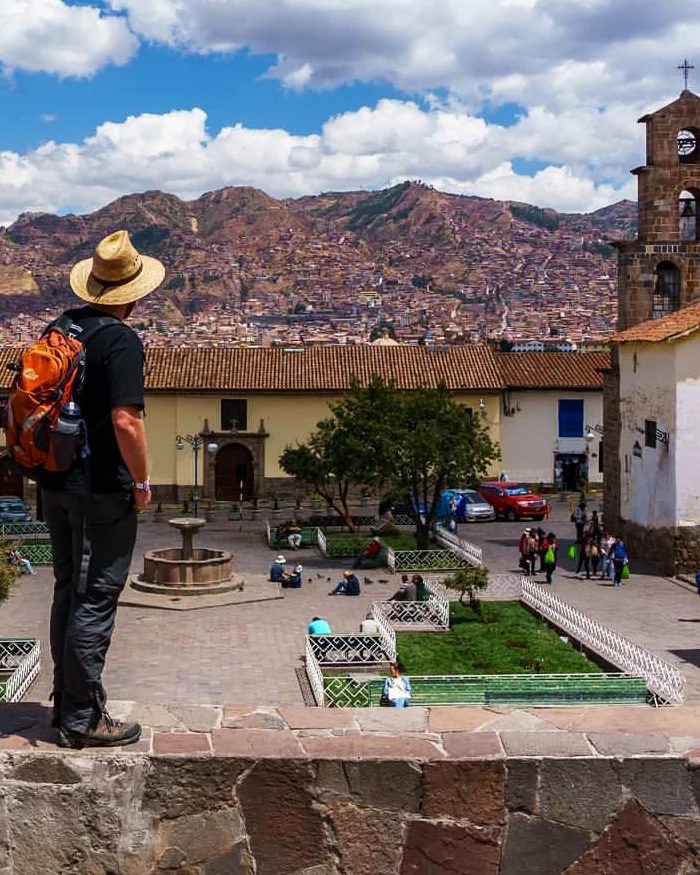
Short distance from Plaza de Armas is San Blas neighborhood, famous for its artisan workshops and picturesque corners. Its narrow alleys, cobblestone stairs, and natural light illuminated spaces provide intimate settings for your photographs.
In higher areas you’ll discover viewpoints allowing you to photograph impressive panoramas of downtown Cusco, with contrast between city and surrounding mountains.
San Pedro Market
San Pedro Market is one of most photogenic spaces if you seek authenticity. Considered one of largest and most important markets in Cusco, it offers vibrant scenes full of life.
Inside you’ll find stalls with fruits, vegetables, herbs, spices, and local products. Its aisles are perfect for capturing spontaneous moments: vendors in full activity, color contrasts, rich textures, and everyday Cusco life scenes.
Did you know…?
In San Blas and San Cristóbal you’ll find colonial passages and little known viewpoints.
Sacred Valley seen by Mexican photographers
Pisac
It’s situated in picturesque town of Pisac, which stands out for its combination of Inca archaeological centers and vibrant artisan market. Architectural complex extends along mountain slope, where agricultural terraces form graphic lines and geometric patterns ideal for your compositions.
Pisac market is essential stop. There you’ll find handicrafts, textiles, and local products creating scenes full of color and texture. You can capture spontaneous portraits, details of weaving hands, or moments of cultural exchange between locals and visitors.
Ollantaytambo
This town preserves one of most intact urban layouts from Inca period. Its cobblestone streets, Inca walls visible under colonial constructions, and hydraulic channels still in use generate photographic contrasts between ancient and everyday.
Imposing Inca fortress dominates valley and offers angles with architectural lines, light and shadow play, and monumental structures that look magnificent through your camera lens.
Maras and Moray
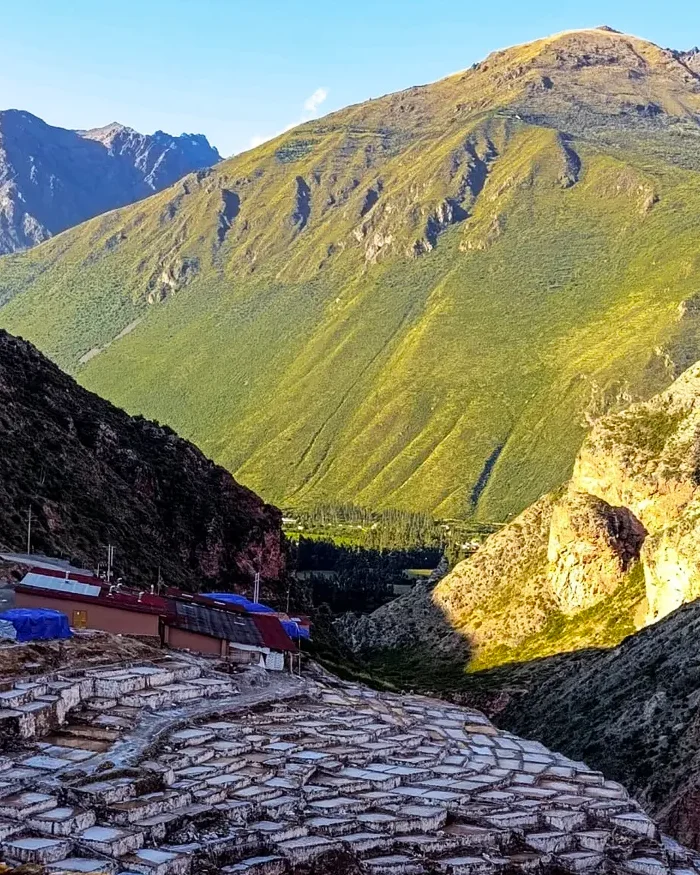
In Maras, famous salt mines are located about 29 miles (46 km) from Cusco. Over 3,000 salt pools carved into mountain slope create surprising landscape. With intense light, water reflections and salt produce unique visual field for your photographs.
Few miles away, in Moray, you’ll discover concentric circular terraces Incas used as agricultural laboratory. Each level offers different microclimates, and its shape generates textures and wells fascinating to capture from overhead or panoramic angles.

Machu Picchu through Mexican photographer’s lens
Classic view from Guardian’s House
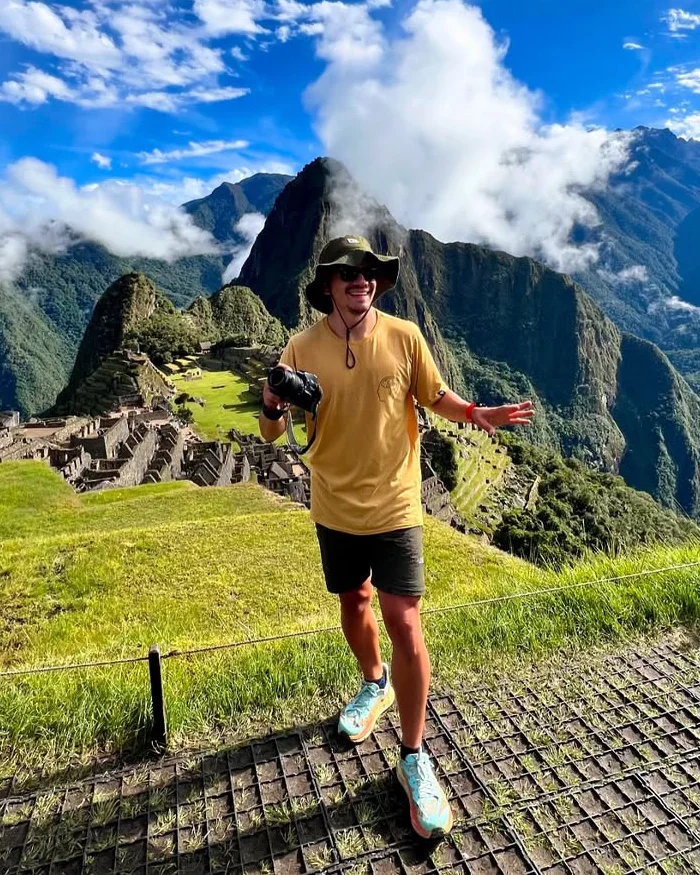
Guardian’s House, located in upper part of citadel, is Machu Picchu’s most famous viewpoint and place from where you can capture iconic postcard appearing in magazines and tourist brochures.
From this angle you’ll clearly appreciate agricultural terraces, Inca enclosures, and Huayna Picchu mountain as backdrop. Best time to photograph here is early morning, when fog begins to dissipate and light gently bathes citadel.
Sunrise at Inti Punku
Inti Punku, known as “Sun Gate,” was original entrance to Machu Picchu for those who traveled Inca Trail. From this viewpoint, situated at 8,924 feet (2,720 meters), you’ll enjoy incomparable panoramic view of entire citadel, framed by mountains and lush jungle.
As Mexican photographer, accustomed to capturing sunrises at volcanoes or beaches, this contrast between natural majesty and cultural legacy is especially impactful for your lens.
Alternative hikes for unique framings
- Huayna Picchu: steep mountain appearing in background of classic photos. Climbing it (with special ticket) gives you impressive aerial views of citadel, dramatic framings of its terraces, and unique perspective of Urubamba River.
- Machu Picchu Mountain: higher and less crowded than Huayna Picchu. From its summit, at 10,111 feet (3,082 m) above sea level, you’ll get general view of citadel surrounded by mountain ranges, ideal for wide and majestic photographs.
- Huchuy Picchu: shortest and most accessible route, inaugurated in 2021. It’s perfect for capturing lateral angles of citadel without need for great physical effort, making it excellent option if you seek different views in less time.
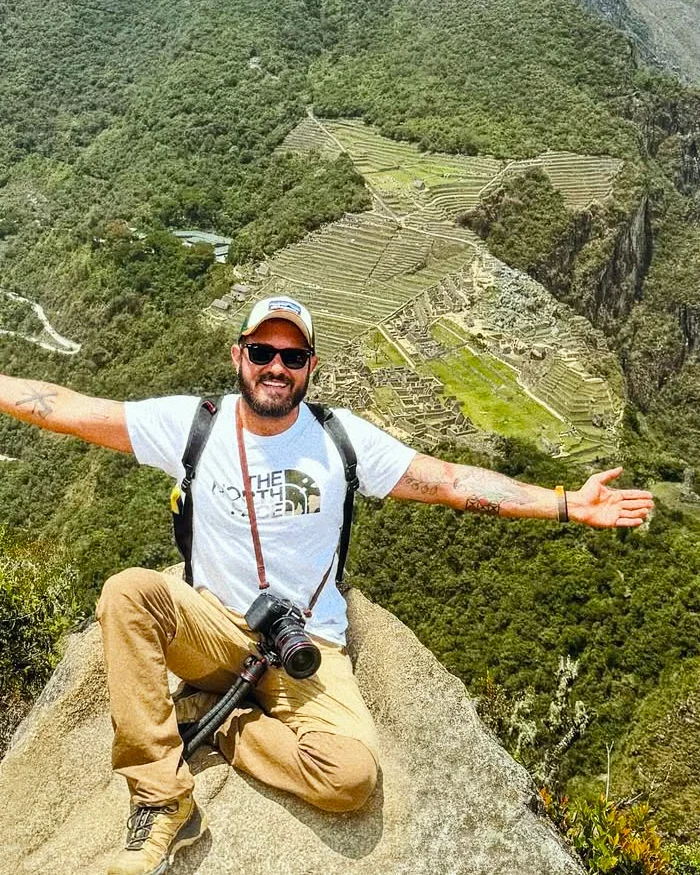
Did you know…?
Cusco is not just Machu Picchu: markets, traditional neighborhoods, and Sacred Valley are equally valuable photographic settings.
Light and seasons in Cusco
Dry season (May–October)
During these months, in Cusco and Sacred Valley you’ll enjoy clear skies and intense luminosity favoring sharpness of your images. Visibility is exceptional, allowing you to capture wide panoramas of mountains, Inca terraces, and colonial architecture without fog.
As photographer, you’ll find optimal conditions for working with hard light and defined shadows, ideal for highlighting stone textures and color contrasts in both urban landscapes and natural settings.
Rainy season (November–April)
Although precipitation is frequent, especially in afternoons, this period transforms landscape into spectacle of intense greens and dramatic cloud filled skies.
Mountains look more vibrant and rivers increase their flow, adding dynamism to your compositions. Rain also creates unique atmospheres with fog, reflections on cobblestone streets, and light play providing more artistic and less conventional opportunities.
Golden hours
Regardless of season, best moments to photograph in Cusco are first hours of day and sunset. Low light generates warm tones, soft shadows, and golden glow enhancing colonial facades, mountains, and portraits with special touch.
Photogenic gastronomy for food lovers
Dishes
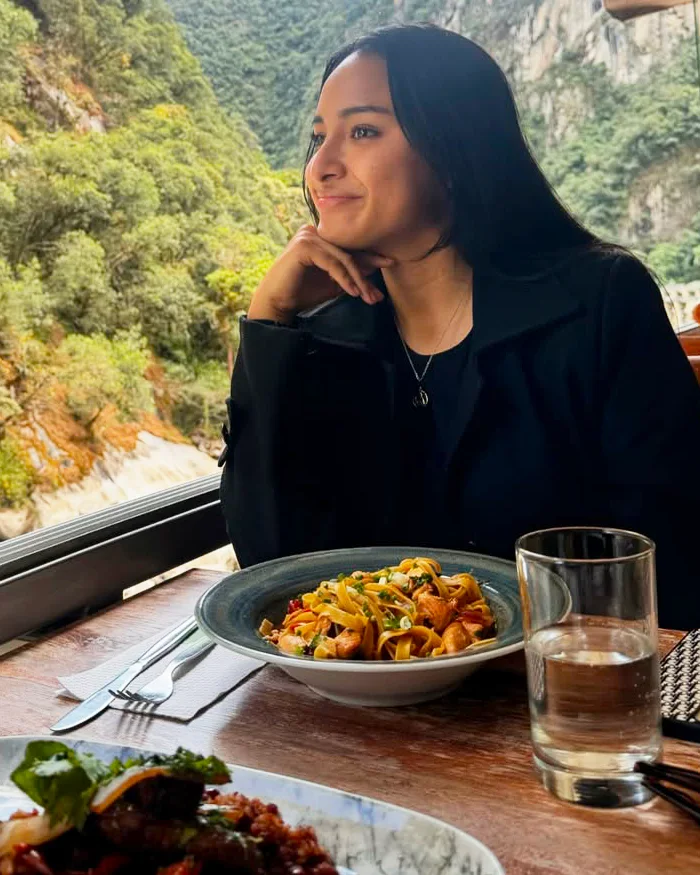
- Baked cuy: served whole, with golden skin and accompanied by colorful garnishes like native potatoes and fresh salads. When photographing it, you can highlight contrasts between cuy’s crispy texture and lively colors of accompaniments.
- Solterito cusqueño: is fresh salad prepared with fava beans, fresh cheese, onion, tomato, and corn. Its vibrant colors make it one of region’s most photogenic dishes, ideal for your gastronomic compositions.
- Chicken escabeche: consists of chicken meat marinated in vinegar and spices, accompanied by onion, carrot, and chili. Its presentation in orange tones stands out in photographs, conveying richness of traditional Andean cuisine.
- Combined native potatoes: in Cusco there are over 3,500 potato varieties. Dishes including them offer chromatic palette ranging from deep purple to bright yellow, perfect for creating images full of texture and color.
Beverages
- Pisco sour: is Peru’s emblematic cocktail. Its white foam, combined with drops of angostura bitters, adds attractive visual detail enriching your photographs.
- Chicha morada: prepared with purple corn, pineapple, cinnamon, and clove, offers deep violet tones standing out in any gastronomic composition. Additionally, its ancestral origin provides additional cultural value.
- Chicha de jora: is traditional fermented corn beverage, frequently served in clay pitchers or rustic glasses. These containers give your photos authentic air full of tradition.
- Andean infusions: like muña, hierbaluisa, or mate de coca. Their warm tones, along with medicinal history they convey, allow you to capture essence of Andes’ natural wisdom.

Practical tips for Mexican photographers in Cusco
- Soroche: rest first day, hydrate, eat light, and try coca or muña infusions.
- Money exchange: do it at official exchange houses (Av. El Sol), avoid street money changers.
- Cash: carry soles for markets and communities; hotels and restaurants accept cards.
- Transportation: use safe taxis (apps or formal companies) and authorized tours for Sacred Valley.
- Security: don’t walk alone at night in poorly lit areas and watch your photographic equipment.
Responsible photography in Cusco for Mexican photographers
- Ask permission before photographing people: especially in rural communities or markets, show respect before taking photos.
- Respect rules at archaeological sites: don’t climb walls, don’t use flash indiscriminately, and maintain authorized routes.
- Support artisans by buying local products: if you take photos of handicrafts, support by buying instead of just observing.
Cusco for Mexican photographers is not just classic Machu Picchu view; it’s destination where you can capture authentic markets, traditional neighborhoods, and unique Andean landscapes. If you want to make most of your trip, Waman Adventures will help you organize your itinerary, recommend best times, and take you to ideal corners for your photos. Write us at +51 979 858 544 and turn your Cusco visit into unforgettable photographic experience.
Frequently asked questions
What is best time of year in Cusco for Mexican photographers?
Dry season (May to October) offers clear skies, excellent visibility, and safe trails for your photographic excursions. In contrast, rainy season (November to March) transforms landscapes into vibrant green canvas, with mists and dramatic atmospheres ideal for more artistic compositions.
Can drones be used in Cusco or Machu Picchu?
At Machu Picchu drones are strictly prohibited for visitors. However, in other Cusco areas you can use them, as long as you comply with Ministry of Culture or Regional Culture Directorate (Cusco) regulations and request corresponding permits according to location.
What photographic equipment do you recommend for Cusco?
Bring lightweight camera, wide angle lens for landscapes, and telephoto lens for portraits or distant details. Compact tripod is essential for capturing long exposures, and polarizing or ND filters will help you control light in high contrast settings.
Is it safe for Mexican photographers to travel with cameras in Cusco?
Cusco is safe for you as long as you take basic precautions: use discreet backpacks, avoid exhibiting expensive equipment on deserted streets, and don’t walk alone at night in poorly lit areas. This way you can work with greater peace of mind.
What lesser known Cusco places are ideal for Mexican photographers?
Besides Machu Picchu and Historic Center, you’ll find less visited corners perfect for your photos: San Cristóbal neighborhood, San Blas colonial passages, Sapantiana aqueduct, and viewpoints like Cristo Blanco. In Sacred Valley, Tipón, Moray, and Maras salt mines stand out.
How can I connect with local communities to photograph their culture?
Best way is to participate in organized community experiences: weaving workshops, rural markets, or cultural tours guided by locals. Always ask permission before photographing, explain your intention, and offer to share images as gesture of respect and reciprocity.
What times of day are best for photos in Cusco?
- Sunrise gives you soft light and peaceful scenes with fewer tourists, perfect for capturing landscapes and architecture.
- Sunset provides “golden hour,” with warm tones and vibrant skies enhancing both city and mountains.
What weather precautions should photographers take?
Cusco’s weather changes rapidly due to altitude. Always carry waterproof poncho, protective covers for your camera, sunscreen, and sufficient water. Keep in mind that solar radiation is intense even on cloudy days and rains can appear suddenly.

Share:



Related tours you might be interested in
Enjoy unique experiences in Cusco and Machu Picchu with the peace of mind that comes from working with a local travel agency
Rural and Agritourism Experience in Chichubamba
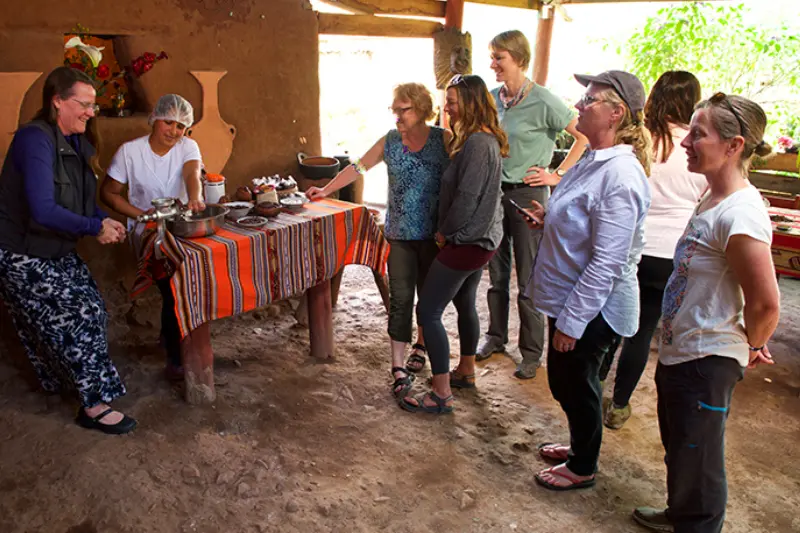
TRADITIONAL LIFE IN THE HEART OF THE SACRED VALLEY Let yourself be immersed in the mystique and...

Birdwatching Experience at Chacán Dam & Ensifera Camp
BIRD WATCHING IN CUSCO: CHACÁN & ENSIFERA CAMP Cusco is far more than history and dramatic...

Cusco Soccer Game Experience
EXPERIENCE CUSCO SOCCER LIKE A LOCAL Immerse yourself in one of Cusco’s most intense cultural...
Huacarpay Birdwatching Experience
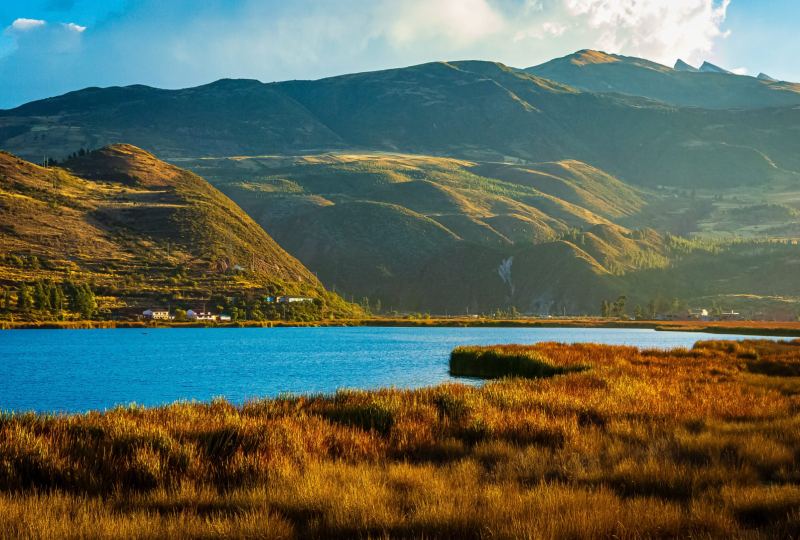
HUACARPAY: ANDEAN BIRD SANCTUARY Discover the natural richness of Huacarpay, a high-Andean wetland...
If you liked this article and the information you found, give us 5 stars!
Table of Contents
Related blogs