Vaccines for Peru: protect yourself and explore without worries
Ultima actualización en 9 September, 2026 por Jhon Quispe
Last Updated on 9 September, 2026 by Jhon Quispe
What Vaccines Do You Need for Peru?
Peru does not currently require any vaccine for entry. For most travelers, the CDC recommends being up to date on routine vaccines and recommends hepatitis A for unvaccinated visitors. Other vaccines, including hepatitis B, typhoid, rabies and yellow fever, depend on age, health and itinerary. Yellow fever is recommended for certain lower-elevation areas of the Amazon, but not for Lima, Cusco city, the Inca Trail or Machu Picchu.
- Vaccination Requirements to Enter Peru
- Recommended Vaccines for Peru
- Vaccines According to Peru’s Regions
- Do you need malaria medication for Peru?
- General Health Recommendations for Traveling to Peru
-
Frequently Asked Questions
- What vaccines do I need to travel to Peru from the US?
- Is the yellow fever vaccine mandatory to enter Peru?
- Do I need vaccines if I only travel to Lima and Cusco?
- What vaccines does Peru require to enter in 2025?
- Is a rabies or typhoid fever vaccine needed for Peru?
- Do children need special vaccines for Peru?
- What does the CDC say about vaccines for Peru?
- Is any vaccine required to enter the Peruvian Amazon?
Vaccines for Peru depends largely on the places you plan to visit rather than on the country as a whole. Someone spending a week in Lima, Cusco and Machu Picchu will face a different set of health considerations from a traveler continuing to Iquitos, Puerto Maldonado or remote Amazon communities.
This page can help you understand the main considerations before departure, but your exact itinerary is what determines which recommendations are relevant. The CDC Peru Traveler View is the main U.S. reference for current destination-specific vaccine and malaria recommendations, while a travel-health professional can take your medical history into account.
Vaccination Requirements to Enter Peru
Although they don’t require certificates or vaccines for travel to Peru, it’s important that you keep in mind health recommendations, especially if you plan to visit certain regions. In particular, the yellow fever vaccine is recommended if you’re heading to areas below 7,545 feet (2,300 m.a.s.l.), in regions like Loreto, Madre de Dios, Ucayali, Amazonas, San Martín, Junín, Huánuco, Pasco, Cusco, and Puno.
You should know that, although Peru doesn’t request the international yellow fever vaccination certificate, some countries might require it if you’ve visited rural or jungle areas during your stay.
Traveling to Peru not only involves preparing to discover its rich culture and impressive landscapes, but also making sure to take appropriate health precautions to enjoy your experience with peace of mind.
Yellow Fever
If you wonder whether you really need this vaccine, you should know that in Peru it’s not mandatory. However, the Ministry of Health, as well as international organizations like the WHO and CDC, recommend its application in certain cases:
- If you’re over 9 months old and travel to areas located below 7,545 feet (2,300 m.a.s.l.), in departments like Loreto, Amazonas, Madre de Dios, Ucayali, San Martín, Junín, Huánuco, Pasco, Cusco, and Puno, among others.
- The vaccine should be applied at least 10 days before the trip for it to have effective protection.
- Since July 2016, the WHO recognizes that a single dose provides lifelong immunity, so revaccination is not necessary.

Typhoid Fever and Rabies
This disease is transmitted mainly through consumption of contaminated food or water.
It’s recommended that you get vaccinated against typhoid if:
- You plan to eat at street stalls or in areas with limited hygiene conditions.
- You’ll visit rural areas or regions with poor sanitary infrastructure.
- You’ll stay in Peru for an extended period.
It’s recommended that you get vaccinated against rabies if:
- You’ll participate in outdoor activities like hiking, cycling, or cave exploration.
- You’ll be in contact with animals, whether in shelters, rural communities, or natural parks.
- You travel with children, as they tend to approach unknown animals more easily.
Remember that:
The vaccine doesn’t eliminate the risk of contracting the disease, but reduces treatment urgency and improves immune response in case of a bite.
Recommended Vaccines for Peru
No vaccine is currently required by Peru as a general condition of entry for international travelers. In particular, the yellow fever vaccine is not an entry requirement for Peru, although it is recommended for eligible travelers visiting certain areas where yellow fever transmission can occur.
The distinction is important because a vaccine can be recommended for health reasons without being required at immigration. Travelers continuing from Peru to another country may also encounter different entry rules at their next border, so those requirements need to be considered separately.
Hepatitis A
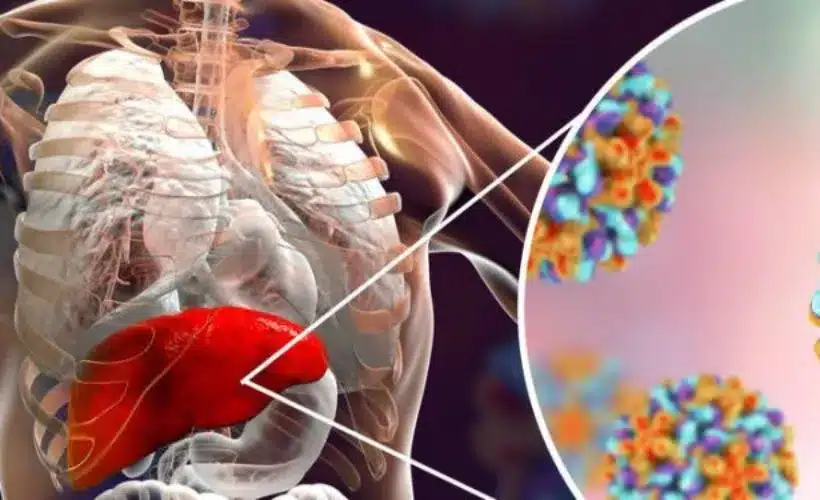
Currently, it’s recommended that you get vaccinated against hepatitis A if you’re going to travel to Peru, as this virus is common in the country. It can be transmitted through consumption of contaminated water or food, as well as through contact with infected people. Even in large cities there’s a risk of exposure, so this vaccine is highly advisable.
Hepatitis B
This vaccine is especially suggested if you’ll have close contact with the local population, participate in medical activities (like volunteering), receive medical treatments, or there’s a possibility of having unprotected sexual relations. Hepatitis B is transmitted through body fluids and can be prevented with a series of vaccine doses.
Typhoid Fever
You should consider this vaccine if you plan to explore rural areas, consume food at local markets or street stalls, or if you’ll stay in places with limited sanitary services. Typhoid fever is contracted by ingesting contaminated food or water, so getting vaccinated is a key preventive measure.

Tetanus Diphtheria and Whooping Cough
It’s crucial that you keep your Peru travel vaccinations updated. You should know that tetanus can be transmitted through contaminated wounds or cuts, especially if you do outdoor activities like trekking or camping. The Tdap vaccine also protects you against diphtheria and whooping cough, diseases that can become serious.

Rabies
The rabies vaccine is essential if you’ll be in frequent contact with animals. It’s also recommended if you’ll do outdoor activities in remote areas or if you’ll visit rural regions where it might be difficult to quickly access medical treatment in case of a bite.
Influenza (Flu)
It’s recommended that you get vaccinated against the flu, especially during the cold season, which runs from May to September. It’s even more important if you have a chronic illness, are a senior, or travel with young children. Remember that even a common cold can affect your travel experience, so this is simple and very effective protection.

To avoid these discomforts, keep these recommendations in mind:
- Consult a doctor 4 to 6 weeks before your trip.
- Carry an updated record of your vaccines with you.
- Don’t forget to include basic medications, repellent, and other essential supplies in your personal first aid kit.
Vaccines According to Peru’s Regions
Peru is a country with very varied geography, encompassing coast, highlands, and jungle, and great natural and cultural diversity. Therefore, if you’re planning a trip, it’s important that you carefully consider which region you want to go to. Each area presents different health risks, and knowing the specific recommendations will allow you to prepare better and enjoy your trip with peace of mind.
Coast (Lima, Arequipa)
The main coastal cities have modern infrastructure and good sanitary conditions. However, it’s important that you have basic vaccines such as:
- Measles, mumps, and rubella (MMR)
- Tetanus, diphtheria, and whooping cough (Tdap)
- Hepatitis A, as there may be a slight risk of food contamination
- Influenza, especially during flu season

Additionally, it’s essential that you maintain good personal hygiene practices and be careful with food choices.
Andes (Cusco, Puno)
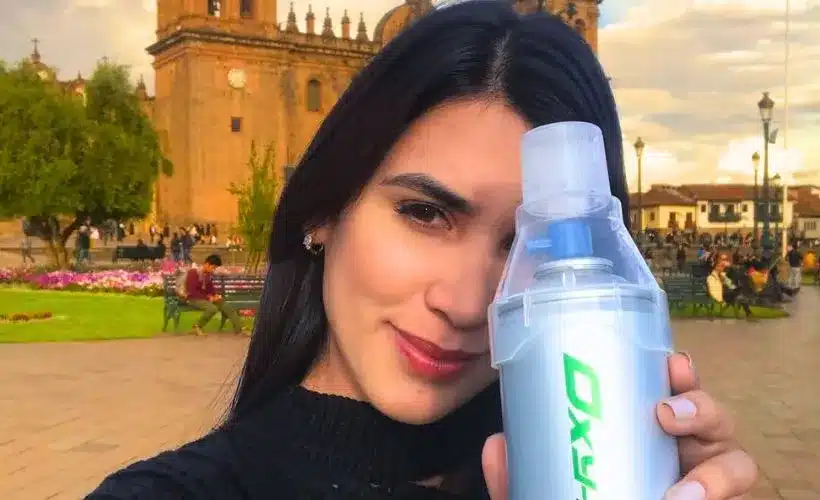
In this region, altitude is the main challenge. Andean cities like Cusco at 11,154 feet (3,400 m.a.s.l.), Puno at 12,467 feet (3,800 m.a.s.l.), or Huaraz at 10,170 feet (3,100 m.a.s.l.). They’re located at high altitude, which can cause discomforts like headaches, nausea, fatigue, and difficulty breathing.
Here are some basic tips for visiting these cities:
- Gradually get used to the altitude.
- Stay well hydrated and avoid alcohol during the first 24 to 48 hours.
- Consult with your doctor about preventive medications, like acetazolamide.
Recommended vaccines:
- Tetanus diphtheria, as you could suffer injuries during walks or excursions.
- Influenza, especially if you travel during the dry season (Andean winter), when respiratory illness cases increase.
Did you know…?
The risk of insect borne diseases is low in this area, as the cold climate limits mosquito presence.
Jungle (Iquitos, Puerto Maldonado)
The Peruvian jungle presents certain health risks due to the presence of tropical diseases. If you’re going to visit these areas, especially rural or remote areas, consider the following recommendations:
Yellow fever: this vaccine is highly recommended if you travel to regions below 7,545 feet (2,300 m.a.s.l.), in departments like Loreto, Madre de Dios, San Martín, and Ucayali. You should get it at least 10 days before the trip. It’s mandatory if you later plan to enter countries that require the international vaccination certificate.
Malaria: this disease is present mainly in rural areas of the Amazon. There’s no vaccine, but you can take prophylactic medications like atovaquone proguanil, mefloquine, or doxycycline. Consult with your doctor which option is most suitable for you. Additionally, use mosquito nets, long sleeved clothing, and repellents containing DEET.

Remember that: The best way to prevent these diseases is to avoid mosquito bites. Apply repellent frequently, wear light colored clothing that covers most of your body, and try to sleep in rooms with screens or air conditioning.
Do you need malaria medication for Peru?
There is no routine malaria vaccine used for travelers to Peru. Instead, the CDC recommends prescription preventive medication for travelers going to specific malaria-risk areas.
Malaria transmission occurs in areas below 2,500 m (8,200 ft) east of the Andes, including Iquitos and Puerto Maldonado. The CDC lists atovaquone-proguanil, doxycycline, mefloquine and tafenoquine among possible chemoprophylaxis options for these areas. The most appropriate medicine, however, depends on medical history, pregnancy status, age, drug interactions and trip details.
The CDC reports no malaria transmission in Lima Province, Cusco city, Machu Picchu, Lake Titicaca and several other highland and coastal tourist areas. For an itinerary limited to those destinations, malaria pills are not part of the CDC destination-specific recommendation.
Is It Necessary to Present a Vaccination Card to Enter Peru?
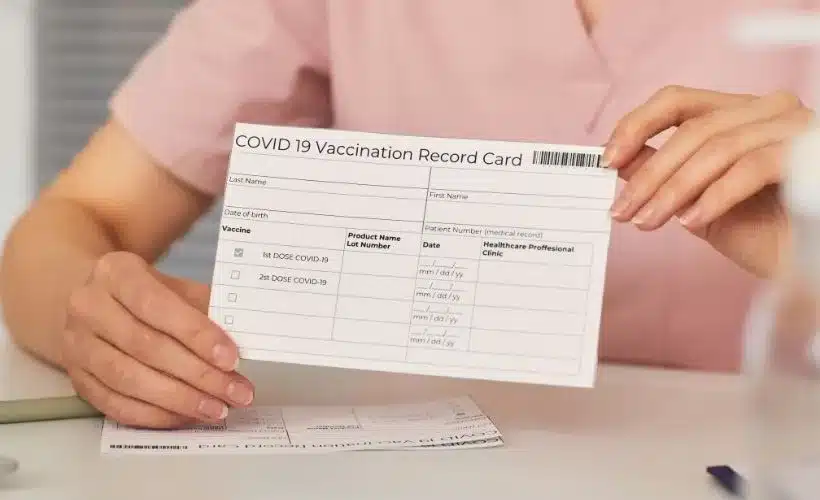
No, the Peruvian government doesn’t require any vaccination card or COVID 19 vaccine to enter the country. However, it’s recommended:
- To carry the International Vaccination Certificate if you’re going to visit the Peruvian jungle.
- It might also be necessary when reentering your country of origin, depending on their health requirements, if you’ve been in endemic areas.
General Health Recommendations for Traveling to Peru
- Hygiene: wash your hands frequently and use hand sanitizer if you don’t have access to soap and water, especially before eating and after using the bathroom.
- Water and food: avoid getting tattoos, piercings, or acupuncture in uncertified places, as they could represent risks of infections like hepatitis B, C, or HIV.
- Mosquito protection: use repellents containing between 25% and 35% DEET for adults, and 10% or less for children 2 to 12 years old.
- Travel insurance: purchase insurance that covers medical emergencies and evacuation, especially if you’re going to visit remote areas.

It’s ideal that you know what the vaccines for travel to Peru are, because your health should be a priority. Make sure you’re up to date with recommended vaccines and consult a doctor before leaving to enjoy your trip with complete peace of mind. With Waman Adventures, experience a safe and memorable journey without leaving anything to chance.
Frequently Asked Questions
What vaccines do I need to travel to Peru from the US?
Vaccines against hepatitis A and B, typhoid fever, tetanus diphtheria, influenza, and, depending on your itinerary, yellow fever and rabies are recommended.
Is the yellow fever vaccine mandatory to enter Peru?
It’s not mandatory to enter the country. However, it’s recommended if you’re heading to risk areas in the Peruvian Amazon.
Do I need vaccines if I only travel to Lima and Cusco?
If your itinerary is limited to Lima and Cusco, routine vaccines and hepatitis A are usually sufficient. Both yellow fever and malaria don’t represent a significant risk in these cities.
What vaccines does Peru require to enter in 2025?
Peru doesn’t require any mandatory vaccines for international travelers to enter. However, it’s advisable that you’re up to date with the mentioned vaccines.
Is a rabies or typhoid fever vaccine needed for Peru?
They’re recommended if you plan to visit rural areas, have contact with animals, or consume street food.
Do children need special vaccines for Peru?
In addition to routine vaccines, it’s important to consult with a pediatrician or international vaccination center before the trip.
What does the CDC say about vaccines for Peru?
The Centers for Disease Control and Prevention (CDC) recommend controlling and preventing diseases through vaccines against hepatitis A and B, typhoid fever, tetanus diphtheria, rabies, influenza, and yellow fever, depending on your itinerary.
Is any vaccine required to enter the Peruvian Amazon?
The yellow fever vaccine is recommended and consider antimalarial medications. Consult with a doctor about the need for antimalarial medications, as malaria is present in some areas of the Peruvian Amazon.

Share:



If you liked this article and the information you found, give us 5 stars!
Table of Contents
Related blogs


An Intrepid Traveler’s Guide to Machu Picchu’s Secrets of Altitude
11 min of reading