


Peruvian Drinks to Try — Chicha Morada to Pisco Sour
Ultima actualización en 14 September, 2026 por Jhon Quispe
Last Updated on 14 September, 2026 by Jhon Quispe
Which Peruvian Drinks Should You Try First?
Start with chicha morada if you want a classic non-alcoholic Peruvian drink and Pisco Sour if you want the country’s best-known cocktail. Inca Kola, Chilcano and chicha de jora add very different flavors, while mate de coca, muña tea and Amazonian drinks become more relevant as your route moves through the Andes or jungle. The interesting part is that Peru does not have one uniform drinking culture. Purple corn, pisco grapes, fermented corn, Andean herbs and Amazonian fruits all create different beverages depending on where you travel.
- Peruvian drinks at a glance
- Popular non-alcoholic Peruvian drinks
- Peruvian alcoholic drinks and cocktails
- Traditional drinks from the Peruvian Amazon
- Hot Andean drinks for cold mornings and evenings
- Peruvian beer and Cusqueña
- Where travelers can try traditional drinks in Peru
-
Frequently asked questions about Peruvian drinks
- What is the most famous Peruvian drink?
- What are the best non-alcoholic Peruvian drinks to try?
- What are popular Peruvian alcoholic drinks?
- What is the legal drinking age in Peru?
- What is the difference between chicha morada and chicha de jora?
- Is mate de coca legal for tourists in Peru?
- Does coca tea cure altitude sickness?
- Are drinks at Peruvian markets safe?
- Can I bring pisco home in my luggage?
- What Peruvian drinks are typical of the Amazon?
- Where can I have the best pisco sour in Lima or Cusco?
- What Peruvian drink is made from purple corn?
- Is Pisco Sour similar to a Margarita?
Peruvian drinks range from purple-corn chicha morada and modern Inca Kola to pisco cocktails, Andean infusions and Amazonian fruit drinks. What you are most likely to encounter changes by region, so knowing whether a drink is sweet, herbal, fermented, alcoholic or traditionally associated with a particular part of Peru makes the list much more useful while traveling.
This list keeps the focus on what travelers are most likely to encounter, how each drink tastes, where it is traditionally consumed and whether it contains alcohol. Health-related traditions are mentioned carefully and should not be treated as medical advice.
Peruvian drinks at a glance
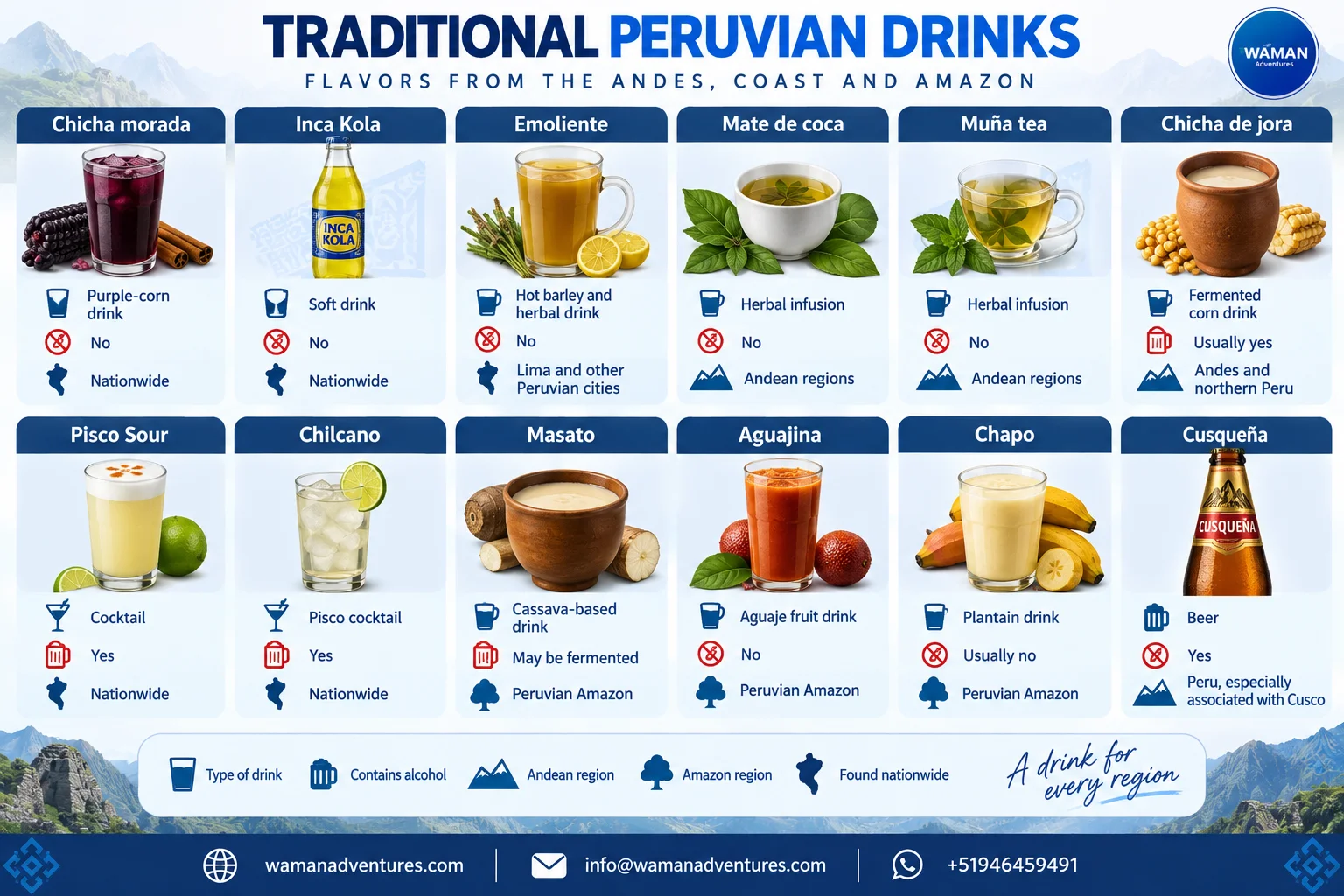
The guide summarizes which traveler profile fits each route: the Classic Inca Trail favors a multi-day trekking experience, while the Short route condenses the hike and fits more easily into a broader Peru itinerary.
Popular non-alcoholic Peruvian drinks
Chicha Morada
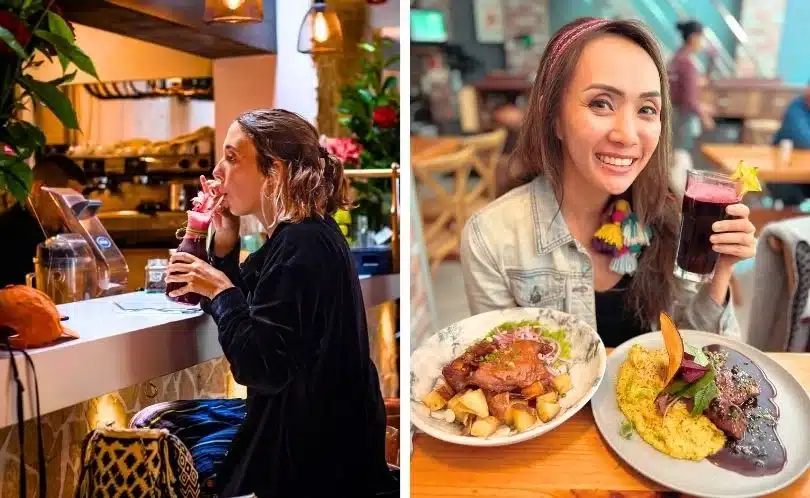
Chicha morada is one of Peru’s most recognizable non-alcoholic drinks. Its deep purple color comes from purple corn, which is commonly boiled with pineapple peel, cinnamon and cloves before the liquid is strained, sweetened and finished with lime or lemon to taste.
Recipes vary by household and restaurant. Some versions include apple or quince, while others keep the ingredient list simple. Purple corn contains anthocyanins, pigments studied for their antioxidant properties, but chicha morada is best understood here as a traditional beverage rather than a medical drink.
Inca Kola
Inca Kola is Peru’s best-known soft drink. Its bright yellow color and very sweet flavor make it instantly recognizable, and it is commonly served with dishes such as pollo a la brasa, chifa, tallarín saltado and other everyday Peruvian meals.
The drink was created in Peru in 1935 and became strongly associated with national identity and local food culture. For travelers, it is less a “traditional recipe” and more a modern Peruvian icon.

Emoliente
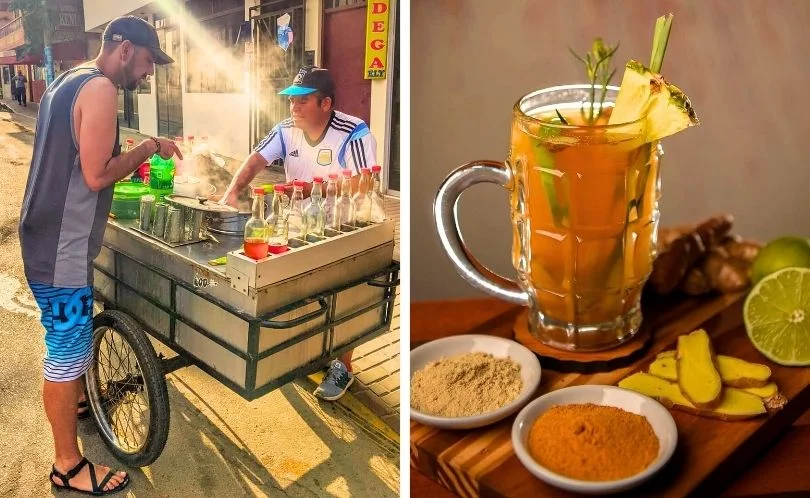
Emoliente is a hot street drink prepared with barley and a changing mixture of herbs and plant ingredients. Recipes differ from one vendor to another, but flaxseed, boldo, horsetail and other herbs may be included.
It is especially common on cool mornings and evenings and is strongly associated with street stalls in Lima and other Peruvian cities. Traditional use often connects emoliente with digestion and general comfort, but the exact ingredients and effects vary widely by preparation.
Mate de Coca
Mate de coca is an infusion made from coca leaves and is widely consumed in the Andes, including Cusco. Hotels and restaurants in high-altitude destinations often offer it to newly arrived travelers because of its long-standing cultural association with altitude discomfort.
It should not, however, be presented as a proven prevention or treatment for altitude illness. Gradual acclimatization remains more important. Travelers who develop worsening altitude symptoms should seek appropriate medical advice rather than relying on herbal tea.
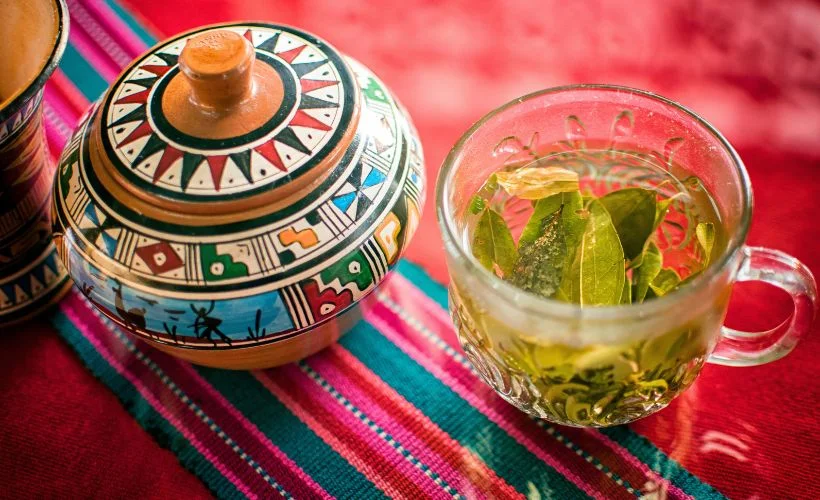
Coca tea is traditionally consumed in high-Andean regions, including Cusco.
For practical altitude preparation, see the Cusco acclimatization guide.
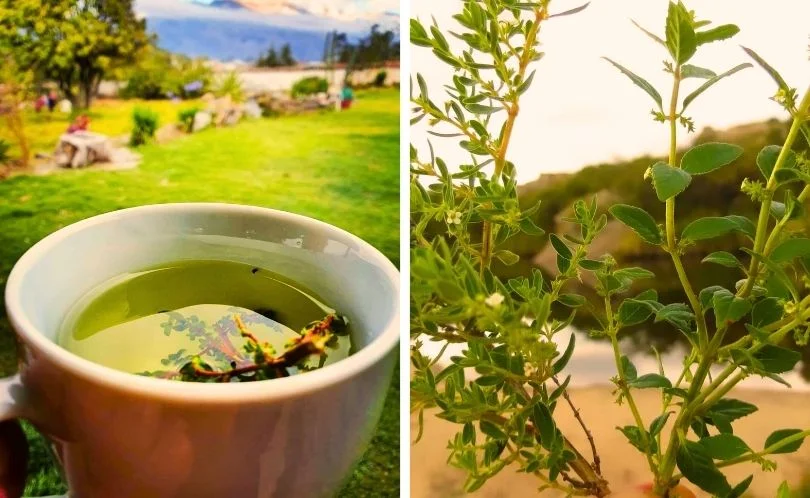
Muña Tea
Muña is an aromatic Andean herb commonly prepared as a hot infusion. Its fresh, mint-like aroma makes it especially popular after meals and on cold mornings or evenings in the highlands.
It has a long history of traditional use in Andean households, but recipes and preparation vary. For travelers, the most useful description is simple: it is one of the herbal flavors most closely associated with the Peruvian Andes.
Passion Fruit Juice
Maracuyá, or passion fruit juice, is common in homes, restaurants and juice stalls across Peru. It has a naturally tart flavor, so it is usually blended with water and sweetened according to taste.
It is an easy drink to recognize while traveling because maracuyá is widely used not only in juices but also in desserts, sauces and cocktails.

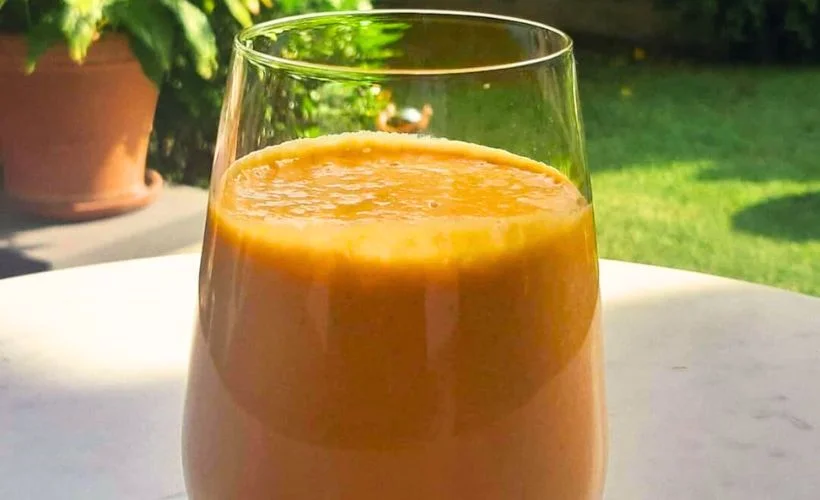
Lucuma Juice
Lúcuma is an Andean fruit with a sweet, dense flavor often compared with caramel, maple or sweet potato. In Peru it is especially famous in ice cream and desserts, but the fruit can also be blended with milk or water to make a thick juice or smoothie.
Its appeal is mainly flavor and texture. Recipes vary substantially depending on how much fruit, milk and sweetener are used.
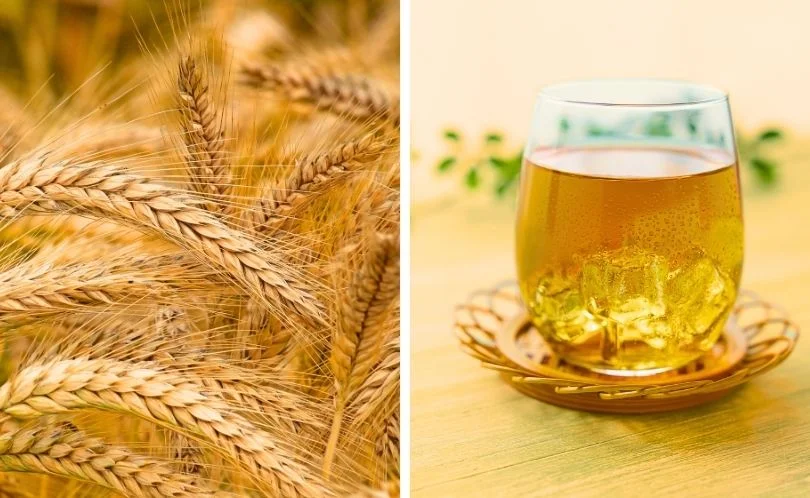
Barley Water
Barley water is a simple homemade drink prepared by boiling toasted barley in water, often with lemon peel and sometimes cinnamon or cloves. It may be served warm or chilled and sweetened according to taste.
It belongs to the practical side of Peruvian home beverages rather than the cocktail culture most visitors associate with the country.
Peruvian alcoholic drinks and cocktails
Chicha de Jora
Chicha de jora is a fermented corn drink with roots in pre-Hispanic Andean traditions. It remains especially important in parts of the highlands and northern Peru, where it is served in homes, traditional chicherías and local celebrations.
Preparation commonly involves germinating corn, grinding it, boiling the mixture and allowing it to ferment. Because fermentation time and recipes vary, the alcohol content is not fixed and should not be reduced to one universal percentage.


Did you know…?
In parts of the Andes, traditional chicherías may be identified by a red cloth or marker displayed outside.
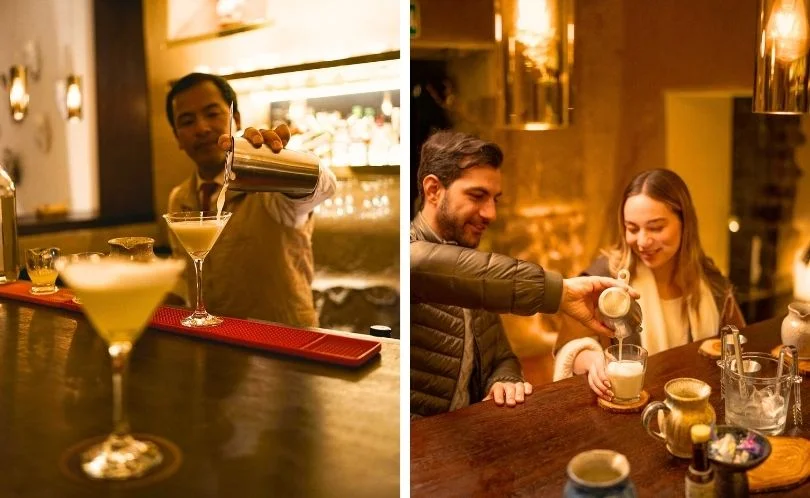
Pisco Sour
Pisco Sour is Peru’s best-known cocktail and one of the strongest symbols of the country’s pisco culture. Its modern history is closely associated with Lima in the early 20th century, and today it is served throughout Peru.
A classic preparation generally includes:
- 3 oz pisco
- 1 oz fresh lime juice
- 1 oz simple syrup
- 1 egg white
- Ice
- A few drops of Angostura bitters for garnish
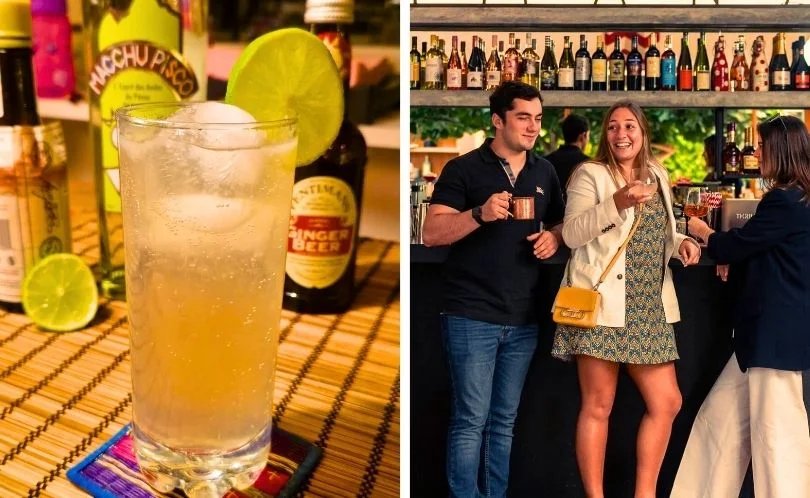
Chilcano de Pisco
The Chilcano is lighter and simpler than a Pisco Sour. It usually combines pisco, ginger ale, fresh lime and ice, with bitters or a citrus garnish added according to preference.
Its refreshing style makes it a common alternative for travelers who want to taste pisco without the foam and sweetness of a Pisco Sour.
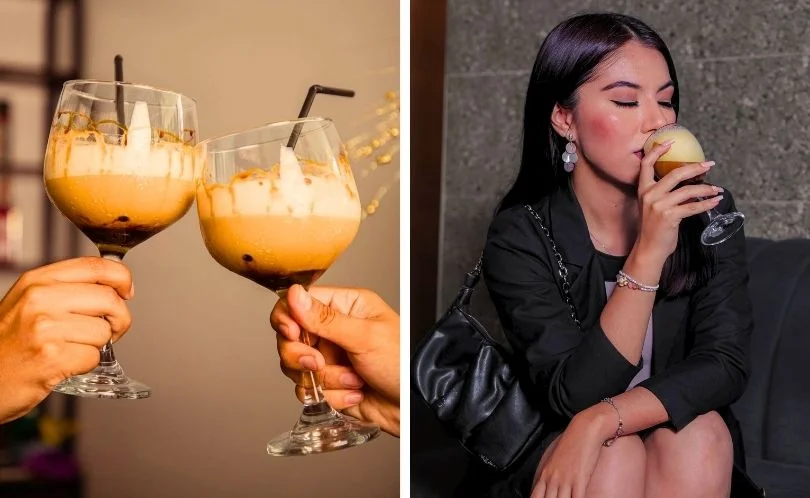
Algarrobina
The Algarrobina cocktail is sweet, creamy and closely associated with northern Peru. It combines pisco with algarrobina syrup made from the pods of the Peruvian algarrobo tree, along with milk, egg and spices depending on the recipe.
Its dessert-like texture makes it very different from citrus-forward pisco cocktails such as the Sour or Chilcano.
Machu Picchu Cocktail
The Machu Picchu cocktail is known for its layered colors rather than for one fixed historical recipe. A common version combines grenadine, orange juice, pisco and crème de menthe to create contrasting red, orange and green layers.
- Grenadine syrup
- Fresh orange juice
- Pisco
- Crème de menthe
- Ice

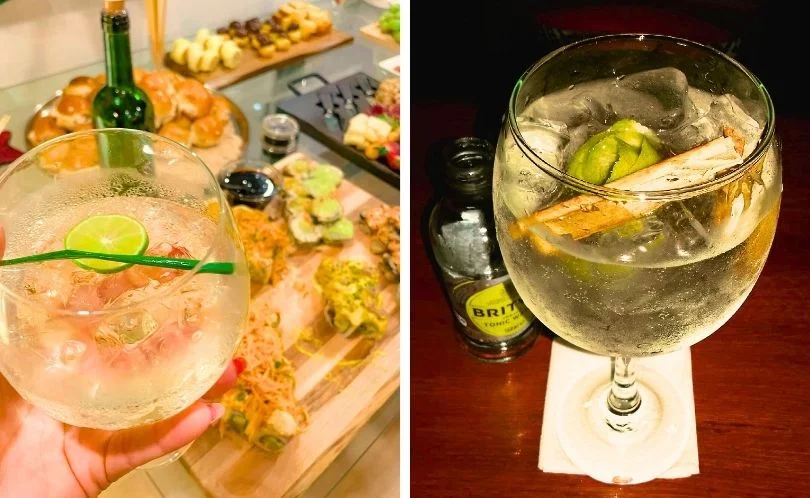
Pisco Tonic
Pisco Tonic is a simple modern cocktail that replaces gin with pisco. It is usually served with tonic water, ice and a citrus garnish, allowing the aroma of the pisco to remain noticeable.
Traditional drinks from the Peruvian Amazon
Masato
Masato is a traditional cassava-based beverage with deep cultural importance in Indigenous Amazonian communities. Preparation differs by community, household and commercial producer, and some versions are fermented while others are consumed fresher.
Its role is social as much as culinary: masato can be served when receiving guests, sharing food or participating in community gatherings.

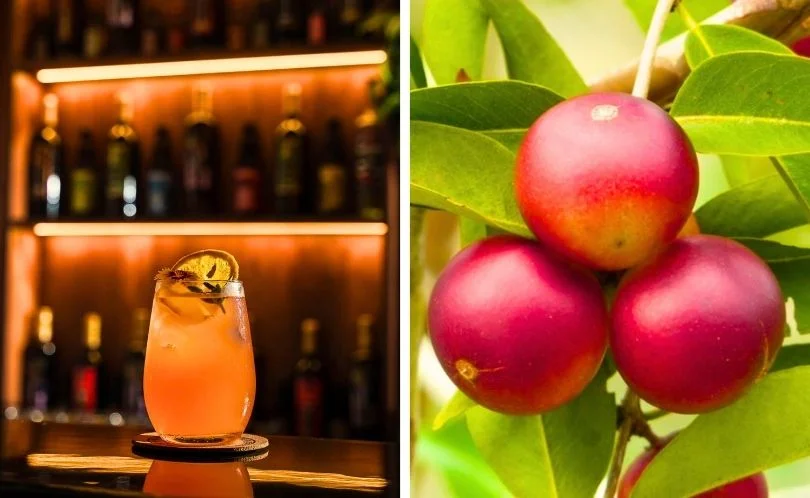
Camu Camu
Camu camu is a small tart fruit native to the Amazon and especially associated with regions such as Loreto and Ucayali. Because of its intense acidity, it is commonly blended with water and sweetener to make juice.
The fruit is notable for its naturally high vitamin C content, but for travelers the most immediate characteristic is its sharp, refreshing flavor.
Aguajina
Aguajina is made from aguaje, an Amazonian palm fruit with orange-colored pulp and a distinctive tropical flavor. The pulp is mixed with water and usually sweetened before serving.
It is common in Amazonian markets, juice stalls and local restaurants, especially in cities such as Iquitos.
Siete Raíces
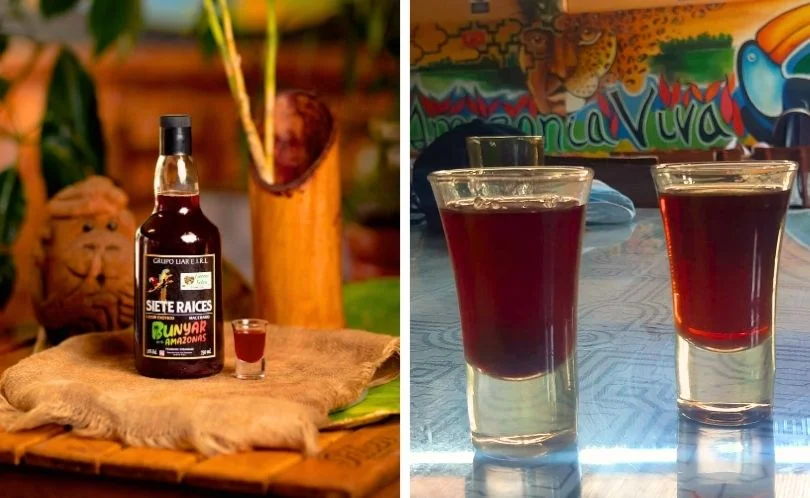
Siete Raíces is an Amazonian alcoholic preparation made by macerating roots, bark and other plant ingredients in sugarcane spirit. Despite the name, there is no single universal recipe: the exact ingredients can vary by producer and region.
It is best understood as part of the Amazon’s tradition of macerated herbal spirits rather than as a standardized medicinal formula.
Chapo
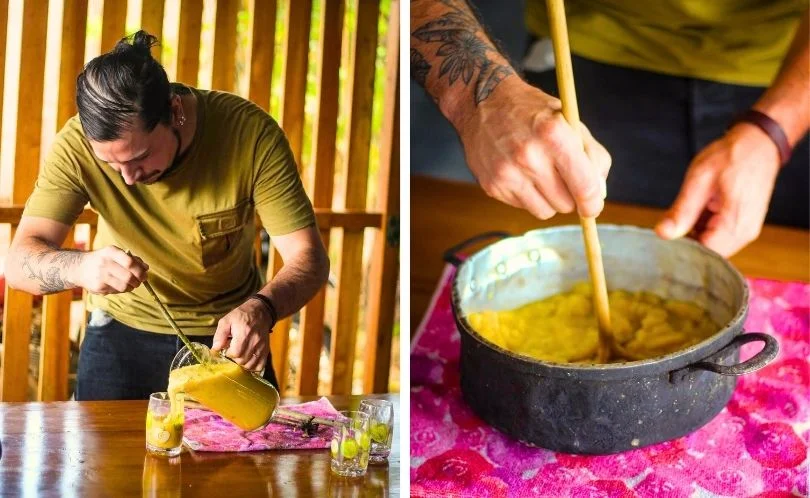
Chapo is a sweet Amazonian drink prepared from ripe plantain that is cooked, mashed and mixed with water. Some households add spices or adjust the thickness according to preference.
Unlike masato, chapo does not need to be fermented to be considered chapo.
Hot Andean drinks for cold mornings and evenings
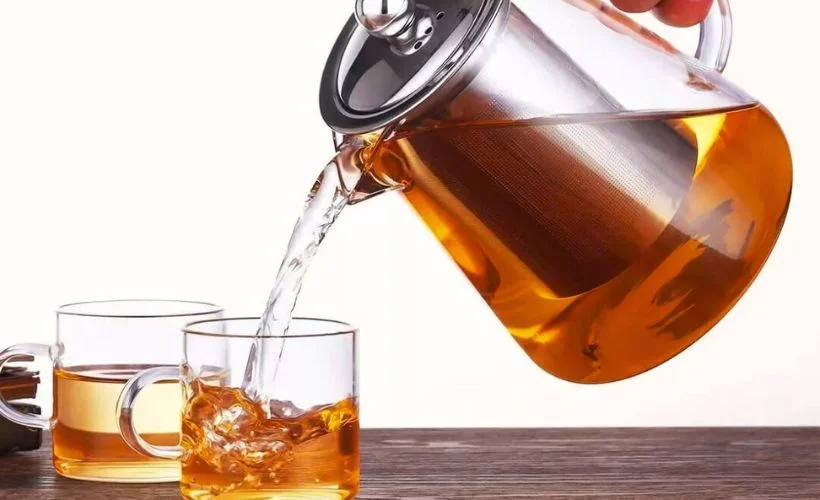
Anise Tea
Anise tea is appreciated for its sweet aroma and warming character. It is commonly served after meals or during cool evenings and forms part of the broader herbal-infusion culture found across the Andes.
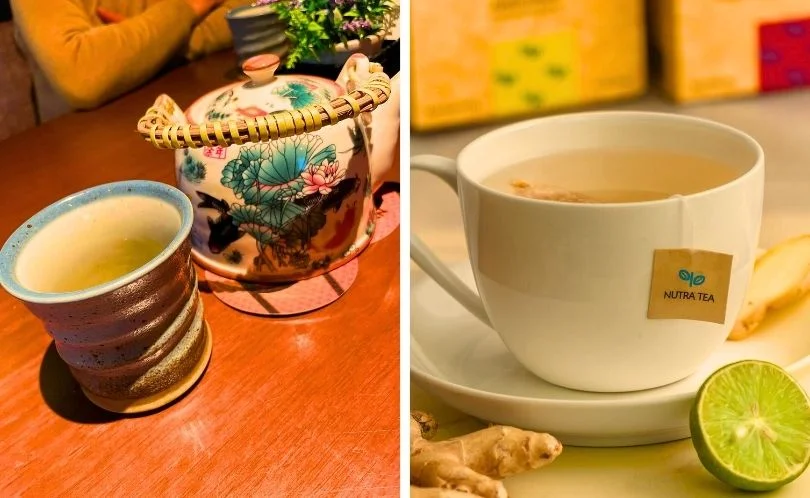
Ginger Tea
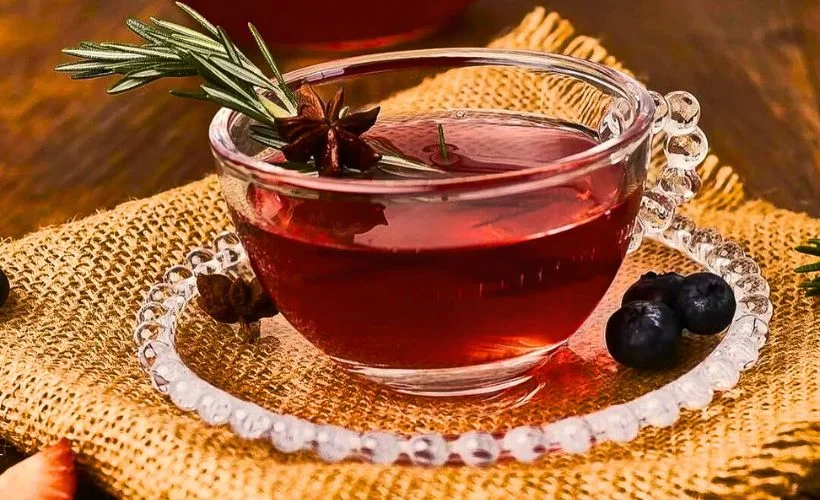
Ginger tea is not unique to Peru, but it is easy to find in cafés, hotels and homes, especially in colder Andean destinations. Its spicy warmth makes it a common choice during cool mornings or evenings.
Sancochado de Frutas or Andean Fruit Punch
Sancochado de frutas, often described as an Andean fruit punch, is a warm drink made by simmering fruit and spices. Versions differ by region and family tradition, and it is often associated with cold weather, community gatherings and festive occasions.
Peruvian beer and Cusqueña
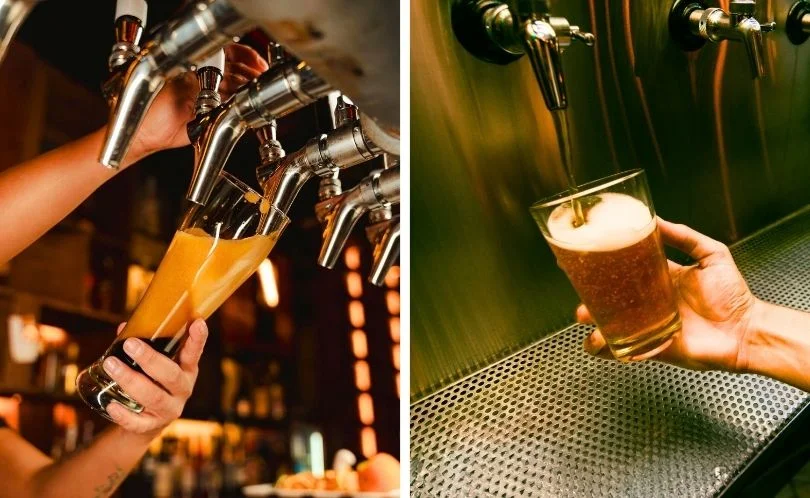
Beer is also part of Peru’s modern drinking culture. Well-known national brands include Cusqueña, Pilsen, Cristal and Arequipeña, while craft brewing has expanded in Lima, Cusco and the Sacred Valley.
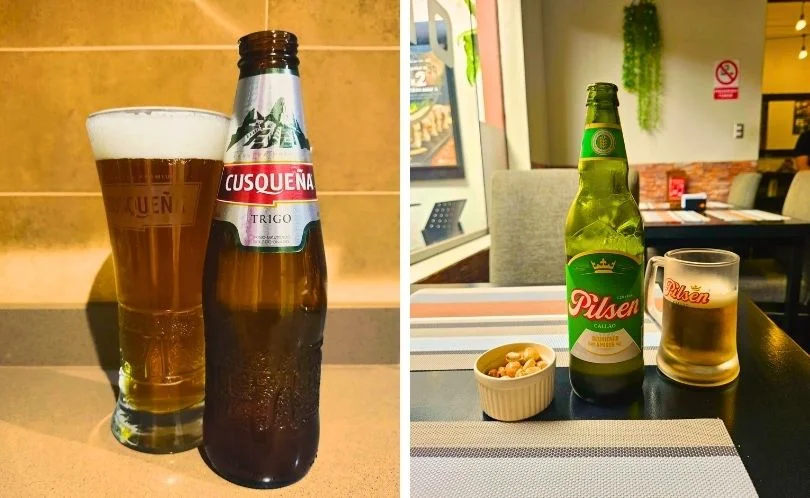
Cusqueña is especially associated with Cusco and is widely available around the country. Craft breweries in Cusco and the Sacred Valley also experiment with local ingredients and different brewing styles, although individual breweries and taprooms can change over time.
Where travelers can try traditional drinks in Peru
You do not need a specialty tasting tour to find most of these drinks. The best place depends on the type of beverage:
- Local markets: fruit juices, aguajina, camu camu, emoliente and regional drinks.
- Picanterías and traditional restaurants: chicha de jora and regional food pairings.
- Restaurants and cafés: chicha morada, Inca Kola, herbal infusions and fresh juices.
- Bars: Pisco Sour, Chilcano, Algarrobina and other pisco-based cocktails.
- Amazonian markets and eateries: masato, aguajina, chapo and regional fruit drinks.
- Cusco and Sacred Valley breweries: Cusqueña and locally brewed craft beers.
If you are exploring Cusco’s everyday food culture as well as its drinks, see the Cusco street food guide.
Frequently asked questions about Peruvian drinks
What is the most famous Peruvian drink?
What are the best non-alcoholic Peruvian drinks to try?
What are popular Peruvian alcoholic drinks?
What is the legal drinking age in Peru?
What is the difference between chicha morada and chicha de jora?
Is mate de coca legal for tourists in Peru?
Does coca tea cure altitude sickness?
Are drinks at Peruvian markets safe?
Can I bring pisco home in my luggage?
What Peruvian drinks are typical of the Amazon?
Where can I have the best pisco sour in Lima or Cusco?
In Lima, you can taste it at bars like Bar Inglés, the Pisco Museum, Antigua Taberna Queirolo, among others.
In Cusco, you can visit places like Limbus Restobar,the Pisco Museum, Morena Peruvian Kitchen, and more.
What Peruvian drink is made from purple corn?
Is Pisco Sour similar to a Margarita?

Share:



If you liked this article and the information you found, give us 5 stars!
Table of Contents
Related blogs

Machu Picchu Day Trip from Cusco or Ollantaytambo
10 min of reading
Best Way to Get to Machu Picchu — Which Route Fits Your Trip?
11 min of reading


