Uyuni Salt Flats rainy season: Where the sky meets the earth in Bolivia
Ultima actualización en 18 May, 2026 por Waman Adventures
Last Updated on 18 May, 2026 by Waman Adventures
- Best Time to See the Mirror Effect at the Uyuni Salt Flats
- Dry Season in Uyuni
- Rainy Season or Dry Season?
- Why Visit Uyuni During the Rainy Season?
- When to Go: Choose the Best Moment to Capture the Perfect Reflection
- Prepare for the Elements: What to Bring During the Rainy Season
- How to Get Around Uyuni: Tours, Routes and Local Tips
- What Else to See Around the Uyuni Salt Flats?
- Photography Tips for the Rainy Season
- Sustainable Travel: Respecting the Environment and Local Communities
-
Frequently Asked Questions About the Rainy Season in Uyuni
- Is it safe to visit Uyuni during the rainy season?
- Are all areas of the salt flats accessible?
- What type of accommodation is available during this season?
- How cold can it get at night?
- Should I be concerned about health problems due to altitude?
- Do tours operate even with heavy rains?
- Can I visit Uyuni on my own or do I need a tour?
- Is drone use allowed at the Uyuni Salt Flats?
- Do I need special footwear to walk on the salt flats?
- What type of food is offered during tours in Uyuni?
Visiting the Uyuni Salt Flats rainy season is a once in a lifetime experience. During these months, the salt desert transforms into a giant natural mirror, where sky and earth merge into one. It’s the perfect time to capture breathtaking photos and witness the surreal beauty that makes this place world-famous. In this guide, you’ll find everything you need to plan your visit and make the most of your adventure.
Best Time to See the Mirror Effect at the Uyuni Salt Flats
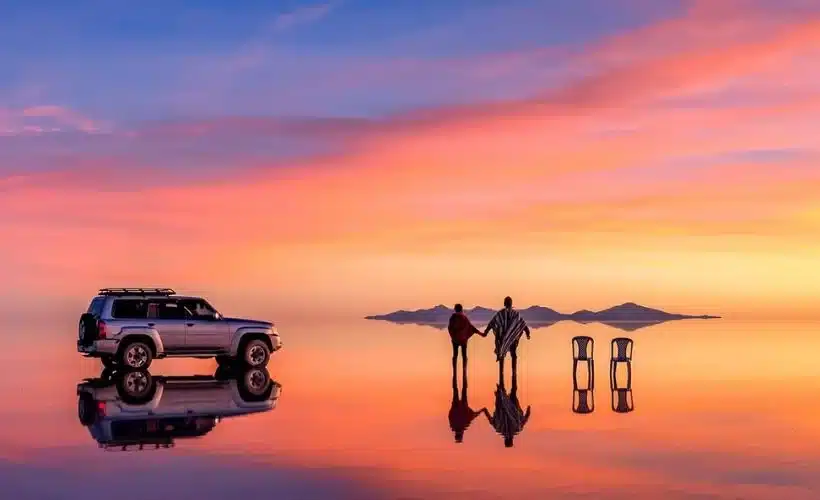
During the months of December to March, it’s the rainy season, where the salt flats are covered with a thin layer of water creating a mirror effect, reflecting the entire surrounding environment. The best months to appreciate this phenomenon are January and February, when rains are more consistent and the landscape looks sharp.

Dry Season in Uyuni
It runs from April to November. The salt flats gradually transform into an endless white desert. This time is ideal for those seeking clear skies and possibly having access to most places.
Rainy Season or Dry Season?
| Aspect | Rainy Season | Dry Season |
| Landscape | Mirror effect, surreal views. | White desert, unique textures. |
| Access | Some areas restricted by water. | Free access to almost the entire salt flat. |
| Weather | More rain, cool nights | Dry, sunny days, cold nights. |
| Photos | Natural mirrors, perfect reflections. | Creative photos with your best friends and family. |
| Crowds | Fewer tourists in general. | High season, more visitors. |
Why Visit Uyuni During the Rainy Season?
During the rainy season in Uyuni, which runs from December to March, the Uyuni Salt Flats become a natural mirror. A thin layer of water covers the surface of the salt flats, creating an effect that reflects the sky and gives you the sensation of walking among the clouds.
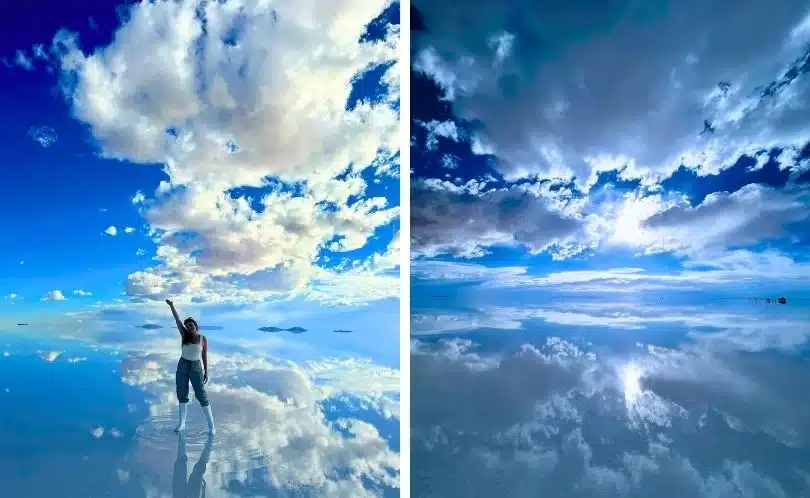
The best time to visit this place is during January and February, when rains are more consistent. This way, you’ll always enjoy sharp and spectacular landscapes. However, it’s important that you keep in mind that weather conditions can change.
When to Go: Choose the Best Moment to Capture the Perfect Reflection
The best period to experience the mirror effect at the Uyuni Salt Flats is between January and March, where you can enjoy surreal landscapes that seem taken from another planet. This phenomenon, known as the “mirror effect,” occurs when a thin layer of water covers the surface of the salt flats, reflecting the sky and creating an impressive optical illusion.
During this season, rains in Uyuni are usually intense, but not so strong as to hinder access, so you can arrive without major complications. It’s important that you keep in mind that, although the mirror effect is usually observed during these months, weather conditions can vary. Therefore, the most advisable thing is to hire local tour operators.
Prepare for the Elements: What to Bring During the Rainy Season
Traveling to the salt flats during the Uyuni salt flats rainy season requires proper preparation to face changing weather conditions and low nighttime temperatures. Here’s a list of essential items:
- Waterproof clothing: during the day, rains can be intense. A waterproof jacket and pants will protect you from humidity and wind.
- Thermal clothing: temperatures can vary, especially at night. Therefore, it’s essential that you bring thermal shirts and pants to maintain your body temperature.
- Appropriate footwear: waterproof boots or sandals with good grip are essential, as the terrain is usually covered with water during this season. This way you’ll keep your feet dry and avoid slipping.
- Accessories: a portable charger will be ideal so your cameras and phones are always ready to capture unforgettable moments.
- Sun cream: altitude and sun reflection on the salt flat surface increase UV ray exposure, so don’t forget to bring sunscreen, sunglasses, and a hat.
- Other items: bring a small towel, waterproof bags to protect your electronic devices and, if possible, a headlamp in case it gets dark during the tour.
- Snacks and water: bring energy snacks and at least 2 liters of water per day to stay hydrated and energized.
These recommendations will help you enjoy a comfortable and safe experience during your visit.
Warning:
During this time, some areas of the salt flats are inaccessible to vehicles.

How to Get Around Uyuni: Tours, Routes and Local Tips
There are several tour options, whether from Uyuni, Tupiza, or San Pedro de Atacama. For example:
- Uyuni: it’s the most common starting point and offers you the possibility of choosing how many days you want. Many of these tours include visits to the Train Cemetery and Incahuasi Island.
- Tupiza: this route takes you through less traveled roads and incomparable landscapes, like Quebrada de Palala and Ciudad del Encanto. These tours usually last around 4 days and allow you to experience a deeper immersion in the highland towns.
- San Pedro de Atacama: some operators offer tours connecting San Pedro with Uyuni. On this route you’ll cross the Eduardo Avaroa National Reserve and enjoy its colored lagoons.
Something you should consider during the rainy season in Uyuni is that certain areas of the salt flats can flood, limiting access to some zones. Therefore, it’s essential that you choose experienced tour operators, as in humid conditions they adapt routes according to weather and guarantee your safety during the tour.

What Else to See Around the Uyuni Salt Flats?
- Train Cemetery: a historic site with old disused locomotives, ideal for taking the most Instagram worthy photos.
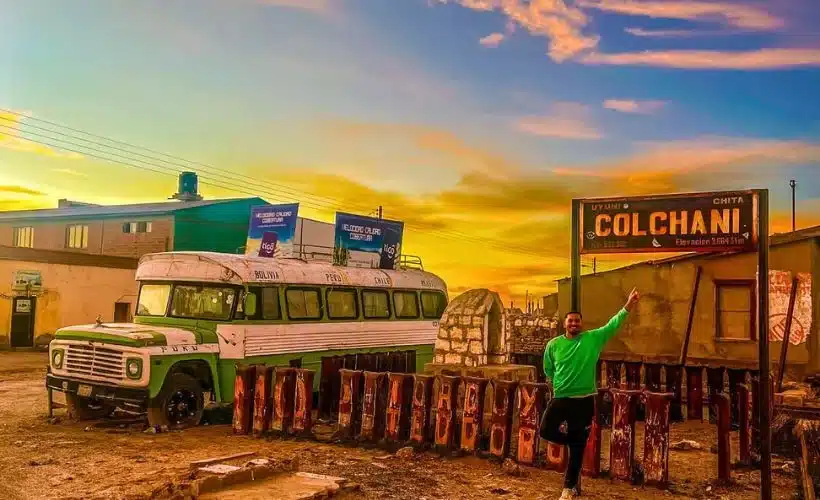
- Colchani: a small town known for its artisan workshops, where you can observe the traditional process of salt extraction. Additionally, it’s a good place to buy souvenirs for your loved ones.
- Incahuasi Island: it’s a rocky island covered with giant cacti that can reach up to 33 feet (10 meters) in height. During the rainy season, access may be limited, as conditions aren’t always favorable, but from there you get spectacular panoramic views of the salt flats.
Photography Tips for the Rainy Season
To make the most of the photographic opportunities offered by the salt flats’ mirror effect, consider the following tips:
- Equipment: bring a tripod, it’s an essential element that will help you conduct extended photo sessions with greater camera stability, especially during morning or night.
- Timing: the best light for your photos occurs during sunrise and sunset.
- ND filters: they’ll allow you to control exposure in high brightness conditions.
- Protection: protect your equipment with waterproof covers and avoid direct contact with salt water.
Did you know…?
Did you know that photographers from around the world travel during this time to capture unique images

Sustainable Travel: Respecting the Environment and Local Communities
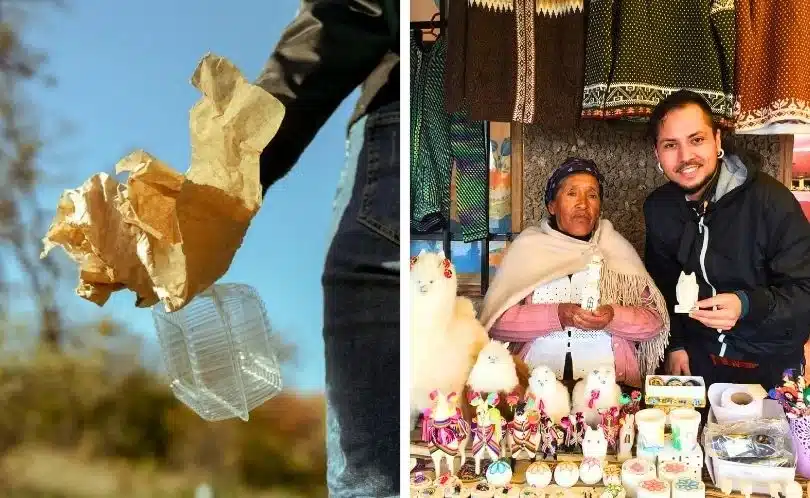
- Take your waste with you: collect all the trash you generate, including wrappers, bottles, and organic remains.
- Local consumption: buy products consciously to promote the local economy, as it’s key for sustainable tourism.
- Cultural respect: learn about and value the traditions of the communities surrounding the salt flats, as they possess a rich cultural heritage.
The rainy season in Uyuni gives you magic, adventure, and landscapes that seem from another world. With proper preparation and respecting the environment, you’ll experience a unique, safe, and truly unforgettable experience. Dare to discover this paradise with Waman Adventures and make your trip an eternal memory!
Frequently Asked Questions About the Rainy Season in Uyuni
Is it safe to visit Uyuni during the rainy season?
Yes, it’s safe, but it’s essential that you’re informed about weather conditions and the routes included in your itinerary. In some cases, rains can generate inconveniences and make certain areas inaccessible. Therefore, it’s advisable to hire agencies with experience operating in the area, this way your trip will be more comfortable and safe.
Are all areas of the salt flats accessible?
No, especially during the rainy season in Uyuni, as some zones may be closed or become dangerous due to flooding. In some cases, access to Incahuasi Island is usually restricted to avoid unforeseen events.
What type of accommodation is available during this season?
You’ll find a variety of accommodations, ranging from basic hotels to lodgings built with salt blocks. If you want to spend the night in one of these hotels, it’s important that you book in advance, as demand tends to be high, especially during peak season.
How cold can it get at night?
During the night, temperatures can drop below 32°F (0°C), especially in high altitude areas. Therefore, you should bring thermal clothing to stay warm and enjoy the trip without worries.
Should I be concerned about health problems due to altitude?
Yes, the Uyuni Salt Flats are located at over 11,811 feet (3,600 m.a.s.l.), so you could experience altitude sickness symptoms. Ideally you should acclimatize a few days beforehand, maintain good nutrition, and stay well hydrated, especially if you’re going to do physical exertion at the start of the trip.
Do tours operate even with heavy rains?
Yes, most tours continue operating during the rainy season in Uyuni, although they might make some adjustments according to weather conditions. It’s important that you confirm departure and tour details with the tour operator.
Can I visit Uyuni on my own or do I need a tour?
You can arrive on your own, but if you want to explore the salt flats, especially during the rainy season in Uyuni when the mirror effect forms, we recommend hiring a guided tour. This way you guarantee your safety and make the most of the experience.
Is drone use allowed at the Uyuni Salt Flats?
Yes, but you’ll need special permits to fly drones, as the salt flats are a protected area and close to local communities. Therefore, it’s important that you inform yourself well about regulations before flying a drone in the area.
Do I need special footwear to walk on the salt flats?
Yes, it’s recommended to wear waterproof boots or sandals with good grip to avoid slipping, especially during the rainy season, when the terrain is covered with water and can become slippery.
What type of food is offered during tours in Uyuni?
Tours usually include typical Bolivian meals, such as dishes based on quinoa, chicken, and vegetables. If you have any dietary restrictions, it’s best that you inform the tour operator in advance so they can offer you a suitable option.

Share:



If you liked this article and the information you found, give us 5 stars!
Table of Contents
Related blogs
Cusco Street Food: Experience Local Life Through Its Flavors
9 min of reading