Cultural Experiences in Peru for Your First Trip
Ultima actualización en 5 November, 2026 por Jhon Quispe
Last Updated on 5 November, 2026 by Jhon Quispe
Which cultural experiences fit a first trip to Peru?
Consider a museum visit in Lima, a textile demonstration in Chinchero, a rural visit in the Sacred Valley, or a cooking class in Cusco. Choose according to what you want to learn and whether you prefer watching or participating. Confirm the activity format before booking; a demonstration does not automatically include a practical workshop.
- Choose an experience by interest and participation
- Explore ancient Peru at the Larco Museum in Lima
- Prepare Peruvian food in a Cusco cooking class
- Watch Andean textile techniques in Chinchero
- Learn about rural production in Chichubamba
- Join a pachamanca experience in Chinchero
- Fit cultural experiences into your route
- Follow your hosts’ guidance during the visit
- Plan cultural experiences around your interests
-
Frequently asked questions about cultural experiences in Peru
- Do I need to speak Spanish or Quechua?
- Can children join cultural activities?
- Can I join a food experience with dietary restrictions?
- What should I check if I have limited mobility?
- Do I need weaving or cooking experience beforehand?
- Should I bring gifts for a community visit?
- Are purchases or take-home items included?
The cultural experiences in Peru that suit you best depend on what you want to understand or try. Leave time for a few visits that match your interests, whether that means exploring museum collections or preparing food with an instructor.
Choose an experience by interest and participation
For a first trip through Lima, Cusco, and the Sacred Valley, compare both the setting and what you will do. Watching an artisan, helping prepare a meal, and completing a workshop involve different levels of participation.
| Experience | Where and how you participate | What to confirm |
| Larco Museum | Lima: explore archaeological collections with a guide. | Visit duration, pickup arrangements, and guiding language. |
| Cooking class | Cusco: visit San Pedro Market and prepare food with a chef. | Menu, individual cooking tasks, and dietary arrangements. |
| Textile visit | Chinchero: learn about Andean textiles and observe the techniques presented by your hosts. | Whether the visit is a demonstration or includes practical instruction. |
| Rural activities | Chichubamba: learn about honey, chicha de jora, and artisanal chocolate with local hosts. | Activities available that day and which tasks visitors can join. |
| Pachamanca experience | Chinchero: join food preparation, watch a textile demonstration, and share lunch. | Preparation tasks, menu, and the schedule for your departure. |
These options appear in Waman’s published programs. Confirm the format and availability for your dates; separate activities are not automatically included in a longer package.
Explore ancient Peru at the Larco Museum in Lima
Choose a museum visit if you want historical context for the materials, objects, and artistic traditions you encounter during your trip. The Larco Museum’s collection includes ceramics, textiles, and metal objects from ancient Peru.
Waman’s Larco Museum tour in Lima lists a guide and museum admission. Confirm the total outing time and transport arrangements before fitting the visit between other plans.
Browse the museum’s official collection information beforehand to identify subjects you would like to discuss. A museum provides historical context, while visits with contemporary artisans and hosts offer opportunities to learn about their work today.

Explore museum collections for context before your visits in the Andes.
Prepare Peruvian food in a Cusco cooking class
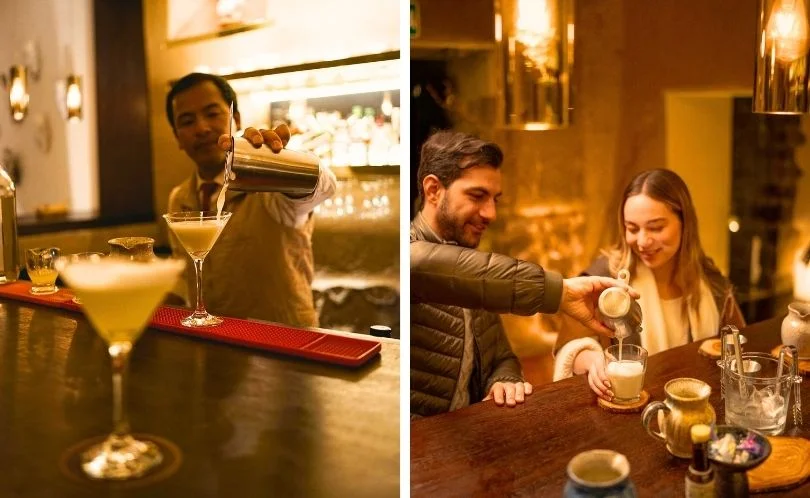
A cooking class suits travelers who want to prepare a dish with an instructor. Waman’s Andean cooking class in Cusco combines a San Pedro Market visit, food preparation with a chef, and a Pisco Sour preparation class.
Confirm the menu and what each participant will do. This is particularly useful when people in your group have different interests or want more individual cooking time.
If you prefer to skip the cocktail component, check whether a nonalcoholic alternative is available and included. The presence of a cocktail class does not establish what alternatives the provider can offer.
Watch Andean textile techniques in Chinchero
A textile visit is a good choice if you are curious about how artisans work with fiber, yarn, and cloth. Your hosts can explain the techniques they demonstrate and the pieces you see.
Waman’s seven-day Andean Experience describes an introduction to textiles in Chinchero. It does not specify that every visitor will weave, dye yarn, or complete an item to take home.
If practical instruction is your priority, request a confirmed workshop with a defined technique, instructor, and materials. For background before your visit, read about traditional textile dyeing in Chinchero.
A textile stop may also include time to shop. Clarify whether the visit combines a demonstration and sales, and ask who made the items you are considering.

Learn about rural production in Chichubamba
A visit with local hosts offers a different focus from a day spent moving between archaeological sites. In Chichubamba, near Urubamba, the emphasis is on local products and the knowledge involved in preparing them.
The published Chichubamba rural and agritourism experience describes activities involving honey, chicha de jora, and artisanal chocolate, followed by a traditional lunch.
The program describes participation, but confirm which tasks visitors can join on your departure. Watching a process, helping with one stage, and completing a workshop are different experiences.
This is a scheduled visit. It should not be understood as an overnight homestay unless that arrangement is explicitly included in your booking.
Join a pachamanca experience in Chinchero
Pachamanca is a traditional method of cooking food underground with heated stones. Choose this experience if you would like to learn about the preparation and share a meal with local hosts.
Waman’s pachamanca experience in Chinchero describes participation in food preparation, a textile demonstration, and lunch. The published outing lasts approximately 6–7 hours, including the journey from Cusco and return.
The two activities have different formats: guests join food preparation, while artisans demonstrate textile techniques. Practical weaving instruction would need separate confirmation.
Check which preparation tasks you can join and what the menu includes. Follow your hosts’ instructions around the cooking area, and confirm the departure schedule before making other plans for the day.
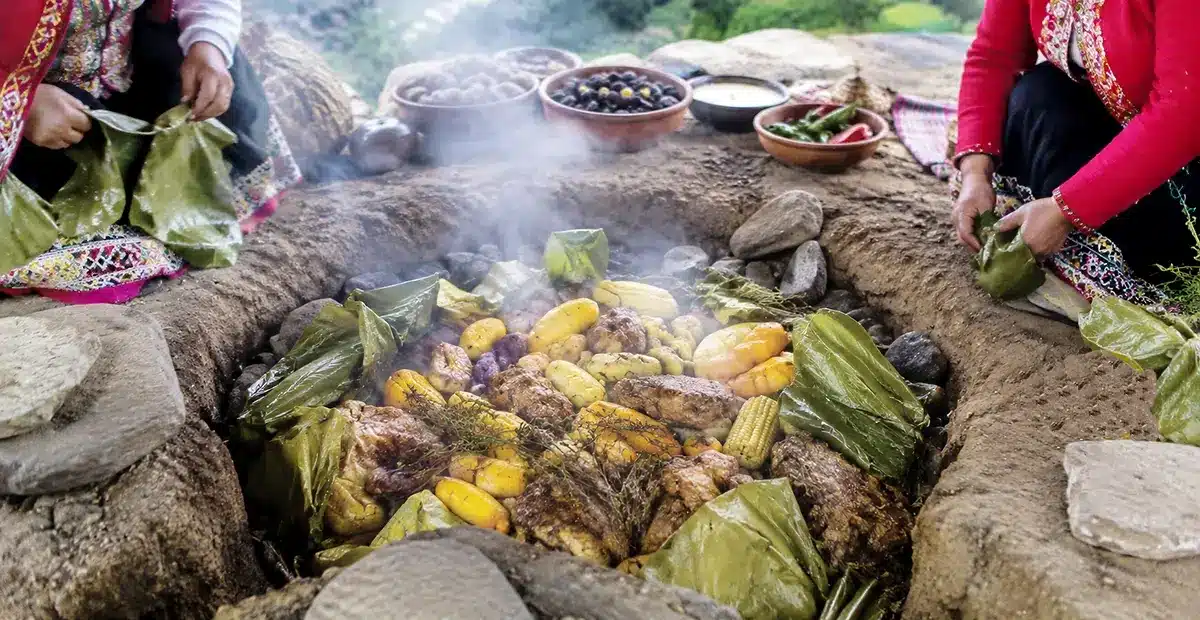
Confirm which preparation tasks visitors can join before booking.
Fit cultural experiences into your route
Choose activities around where you will already be staying. A visit that fits your route leaves more time for the experience itself and less time traveling between distant stops.
- During your Lima stay: consider the Larco Museum for historical context.
- During your Cusco stay: consider a cooking class for a practical introduction to food and ingredients.
- During your Sacred Valley visit: compare a textile demonstration, a rural visit in Chichubamba, or a pachamanca experience in Chinchero.
The seven-day Andean Experience already describes a textile introduction in Chinchero. Review that part of the itinerary before requesting another textile stop.
The Larco Museum visit, Chichubamba experience, cooking class, and pachamanca outing are separate products. They are not automatically included in the seven-day program.
Keep this in mind: An additional activity may require another day, replace an excursion, or change your overnight arrangements. Confirm the revised schedule and services before booking.
Follow your hosts’ guidance during the visit
Ask before photographing people, entering workspaces, or handling materials. During demonstrations and practical activities, let your hosts explain when you can join in and when it is better to observe.
Conversations do not need to be complicated. You might ask what someone is making, how they learned the technique, or how the activity fits into their work today.
Community visits vary by location and host. The image below is identified as Misminay, a different community from Chichubamba; it does not show the Chichubamba activity described above.
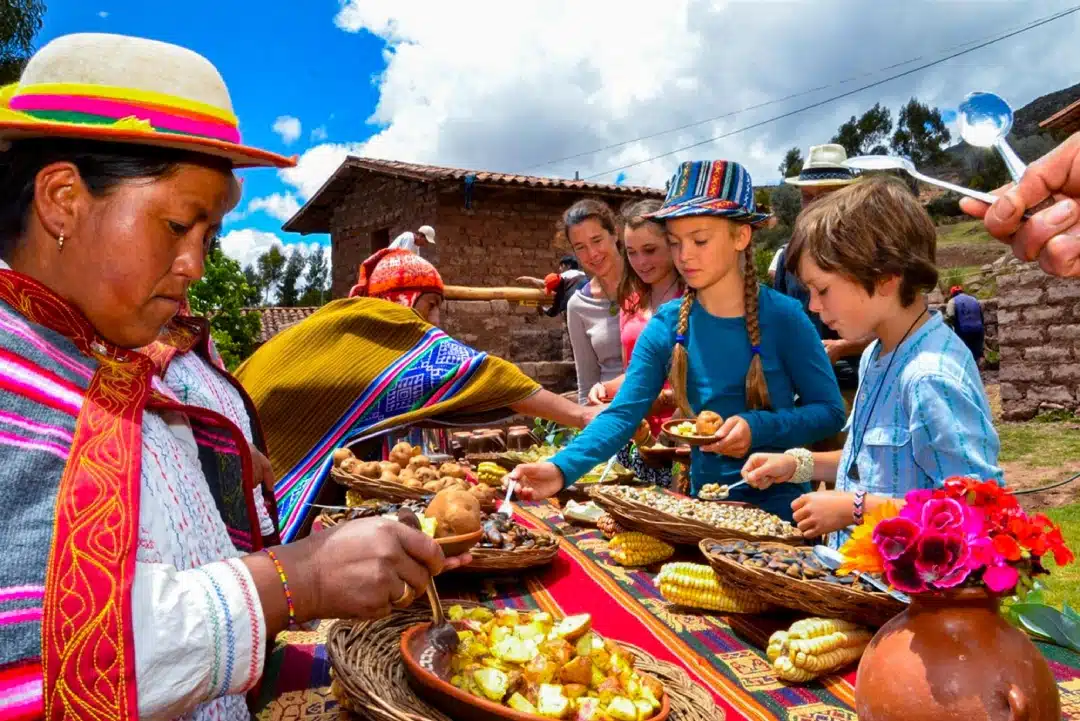
A visit in Misminay, a different community from Chichubamba.
Plan cultural experiences around your interests

Frequently asked questions about cultural experiences in Peru
Do I need to speak Spanish or Quechua?
Check which language your host uses and whether a guide will interpret during the activity. An English-language booking page does not by itself confirm that every host or instructor speaks English.
Can children join cultural activities?
Check the specific activity rather than relying on a general family-friendly label. Provide the children’s ages and ask about tools, hot surfaces, standing time, and tasks that require adult assistance.
Can I join a food experience with dietary restrictions?
Explain your requirements before booking and request confirmation of the menu and preparation arrangements. For an allergy, also ask about shared utensils and preparation surfaces. Do not rely on an unconfirmed substitution.
What should I check if I have limited mobility?
Ask about steps, uneven paths, seating, restrooms, and vehicle access at each venue. A cultural activity can involve walking or standing even when it is not described as a hike.
Do I need weaving or cooking experience beforehand?
For a practical class, request a beginner-appropriate session and check what instruction is provided. Watching a demonstration does not require the same skills as completing a hands-on workshop.
Should I bring gifts for a community visit?
Ask the organizer and hosts beforehand rather than arriving with unsolicited gifts. Follow their preferences, and avoid distributing items directly to children.
Are purchases or take-home items included?
Check your written activity confirmation. A shop visit does not include merchandise unless stated, and a workshop may or may not include a finished item to take home. Clarify whether purchases are optional.
Share:



Related tours you might be interested in
Enjoy unique experiences in Cusco and Machu Picchu with the peace of mind that comes from working with a local travel agency
If you liked this article and the information you found, give us 5 stars!
Table of Contents
Related blogs

When the Sun Kisses the Salt: The Uyuni Sunset Experience
10 min of reading
Plan your Adventure: The Best Time to Visit Machu Picchu
8 min of reading