Plan your Adventure: The Best Time to Visit Machu Picchu
Ultima actualización en 9 September, 2026 por Jhon Quispe
Last Updated on 9 September, 2026 by Jhon Quispe
- Best time to visit Machu Picchu at a glance
- Best months to visit Machu Picchu
- Dry season: April to October
- Rainy season: November to March
- Is November a good time to visit Machu Picchu?
- Machu Picchu month-by-month travel guide
- Best time to visit Machu Picchu for fewer crowds
- Best time to hike the Inca Trail to Machu Picchu
- Is Machu Picchu open year-round?
- How season affects Machu Picchu ticket demand
- What to pack by season
- Practical planning tips
- Choose the Machu Picchu season that matches your trip
-
Frequently asked questions about the best time to visit Machu Picchu
- What is the best month to visit Machu Picchu?
- What is the best season to visit Machu Picchu?
- Is November a good time to visit Machu Picchu?
- Is Machu Picchu closed in February?
- When is Machu Picchu least crowded?
- What is the best time to hike the Inca Trail?
- Does it rain at Machu Picchu during the dry season?
- Should I visit Machu Picchu in June, July or August?
Machu Picchu is open year-round, so there is no single month that will be best for every traveler. The most suitable time depends on what matters more to you: drier weather, fewer crowds, greener scenery, trekking conditions or greater flexibility.
The main difference is between the generally drier April–October period and the wetter November–March season. Weather is an important part of the decision, but ticket demand and trekking plans can also determine which month fits your trip more comfortably.

Weather and visitor demand can change the best month for your trip.
Best time to visit Machu Picchu at a glance
| Travel priority | Planning window | What to expect |
| Drier conditions | April–October | Lower rainfall probability, with stronger demand in the middle of the year |
| Balanced option for many travelers | May or September | Generally favorable conditions outside the core June–August period |
| Weather priority | June–August | Drier conditions are more likely, but visitor demand is higher |
| Shoulder season | April or October | Transition months that can balance weather and demand |
| Greener scenery | November–March | More rain, cloud and changing conditions with lush vegetation |
| Inca Trail trekking | April–October | Generally drier trail conditions; the Inca Trail closes in February |
SERNANP identifies April through October as the recommended visiting season for the Historic Sanctuary of Machu Picchu and November through March as the rainy season. Current protected-area information is available on the official SERNANP Machu Picchu page.
Best months to visit Machu Picchu
For travelers who prefer a practical month recommendation rather than a broad season, May and September are strong choices for many trips. Both fall within the generally drier April–October period while avoiding a recommendation focused only on the busiest June, July and August dates.
April and October can also work well for shoulder-season travel. Because they sit closer to the transition between wetter and drier conditions, rainfall can be less predictable than in the middle of the dry season. In return, they can provide a useful middle ground between weather conditions and visitor demand.
Important note:
A “best month” never guarantees blue skies. Machu Picchu sits in a humid mountain environment, so cloud, fog and showers remain possible even during the dry season.
Dry season: April to October
The dry season is generally the easiest period to recommend when lower rainfall probability and more predictable outdoor conditions are the main priorities. The trade-off is that demand also increases, particularly around holidays and during the core June–August travel period.

Cloud and fog remain possible even during Machu Picchu’s dry season.
Advantages of the dry season
- Lower probability of sustained rain than during the wet season.
- Generally more favorable conditions for trekking routes.
- Greater chance of longer dry periods for sightseeing and photography.
- Easier planning for travelers with fixed dates and limited flexibility.
Trade-offs of the dry season
- Higher demand for popular Machu Picchu routes and entry times.
- Greater pressure on trains, hotels and trekking permits.
- Bus and entrance lines can be longer during high-demand periods.
- Early mornings and evenings can feel cool.
Rainy season: November to March
From November through March, rain becomes more frequent and conditions can change quickly. This does not mean that every day will be continuously wet, but the chance of showers, low cloud, slippery walking surfaces and occasional transport disruption is higher.
The main benefits are greener vegetation and, outside holiday peaks, less concentration of demand than during the busiest dry-season dates. This period generally suits travelers who have some flexibility and do not need perfectly clear views at one specific hour for the trip to feel worthwhile.
Advantages of the rainy season
- Greener vegetation around Machu Picchu and its surrounding mountains.
- Less dependence on the busiest June–August travel period.
- Cloud and mist can create dramatic changes in the landscape.
- Flexible travelers can still visit Machu Picchu throughout the season.
Trade-offs of the rainy season
- Higher probability of rain and low cloud.
- Wet stone and trail surfaces require more caution.
- Weather-related delays or disruptions become more likely.
- January and February generally involve greater weather uncertainty.
Is November a good time to visit Machu Picchu?
Yes. November can be a good option for travelers who value greener scenery and are comfortable with a greater chance of rain than during the middle of the dry season.
November marks the beginning of the rainy season, which makes showers and cloud more likely, although conditions can still vary considerably from one day to the next. Rain protection becomes more useful at this time of year, and a flexible approach to visibility is more realistic than planning around guaranteed clear skies.

Machu Picchu month-by-month travel guide
The table below focuses on the travel decision rather than detailed climate statistics. Travelers looking for temperatures, rainfall patterns and more detailed monthly weather information can use the Machu Picchu weather by month guide.
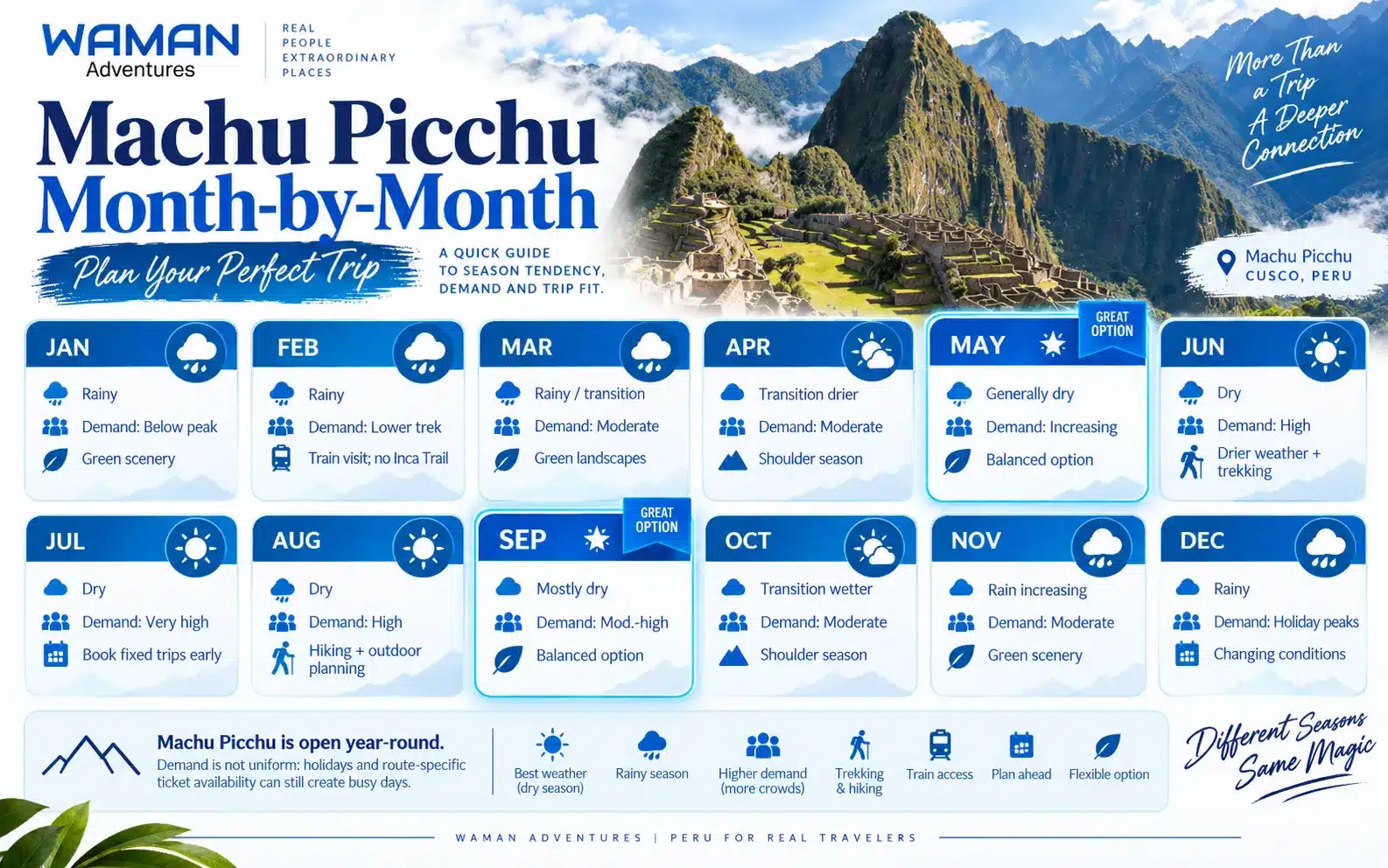
This guide summarizes how weather, visitor demand and trekking conditions change throughout the year at Machu Picchu, highlighting May and September as balanced travel options.
Best time to visit Machu Picchu for fewer crowds
Travelers who care more about avoiding the busiest conditions than maximizing the chance of dry weather may find dates outside the core June–August period more comfortable. April, May, September and October can provide a useful balance, while some rainy-season dates may also feel less pressured than the busiest mid-year weeks.
There is no reliably “empty” month. Machu Picchu uses timed admission, route-specific capacity and daily visitor limits, and holidays can still create short periods of strong demand outside the traditional peak season.
Best time to hike the Inca Trail to Machu Picchu
April through October is generally the easier period to recommend for the Classic and Short Inca Trail because conditions tend to be drier. Rain is still possible, but prolonged wet periods are less likely than during the rainy season.
The Inca Trail network closes throughout February for annual conservation and maintenance. In 2026, tourist use was suspended from February 1 through February 28 and reopened on March 1. The Machu Picchu archaeological site itself remained open during February.
Is Machu Picchu open year-round?
Yes. Machu Picchu is normally open throughout the year, including February. Temporary closures can still occur because of emergencies, weather, transport interruptions, conservation measures or other safety concerns, so official information becomes particularly important close to the travel date.
The usual confusion about February comes from the Inca Trail. The trail network closes during that month for annual maintenance, but the closure does not apply to the Machu Picchu archaeological site itself.
How season affects Machu Picchu ticket demand
Season affects ticket demand as well as weather. Popular dry-season dates and holiday periods often attract stronger demand, while available spaces are divided among specific circuits, routes and entry times.
This means the preferred route can sell out even when another route on the same date still has space. For travelers with fixed dates, securing the entrance ticket early gives the rest of the itinerary more flexibility and reduces the chance of having to rearrange trains, hotels or transfers later.
For current routes, prices, availability and the official purchasing process, use the Machu Picchu tickets guide.
What to pack by season
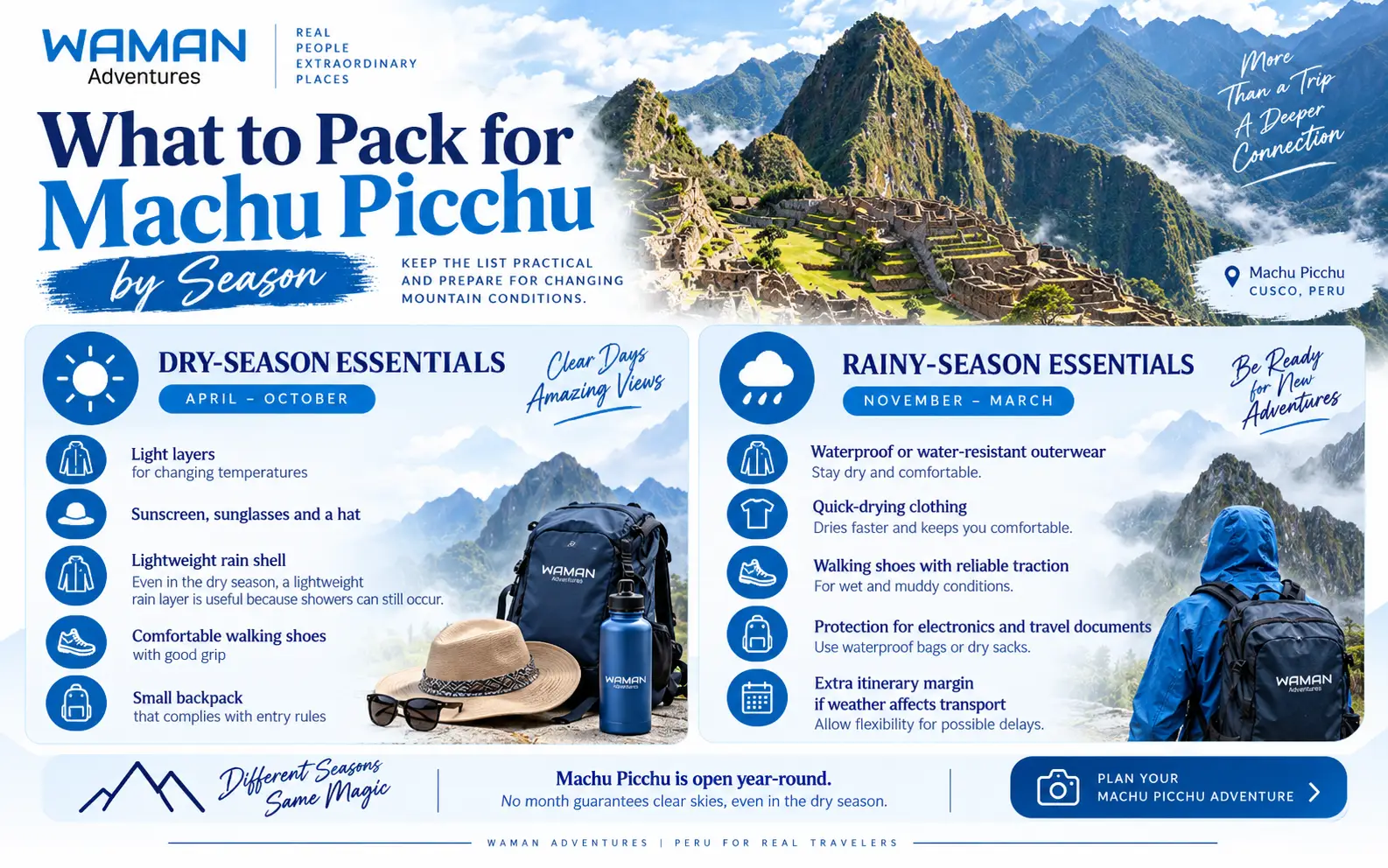
The infographic organizes recommended Machu Picchu packing essentials by season, including light layers, sun protection and grippy footwear for drier months, plus waterproof clothing and protection for personal items during the rainy season.
Practical planning tips
- Entrance ticket: securing it early can make the rest of the day easier to organize because route and entry-time availability affect trains, buses and other timed services.
- High-demand periods: earlier booking is more useful when a specific circuit, train or trekking permit matters to the trip.
- Weather expectations: the dry season lowers the probability of rain but does not eliminate cloud, fog or showers.
- Photography: visibility can change quickly, so planning the entire visit around one supposedly perfect photo hour leaves little room for normal mountain weather.
- Connections: leaving some margin between trains, buses and entrance times reduces the impact of queues or small delays.
- Train-based visits operate throughout the year: weather or operating conditions can still affect individual services, so the train to Machu Picchu guide provides more detailed rail-planning information.
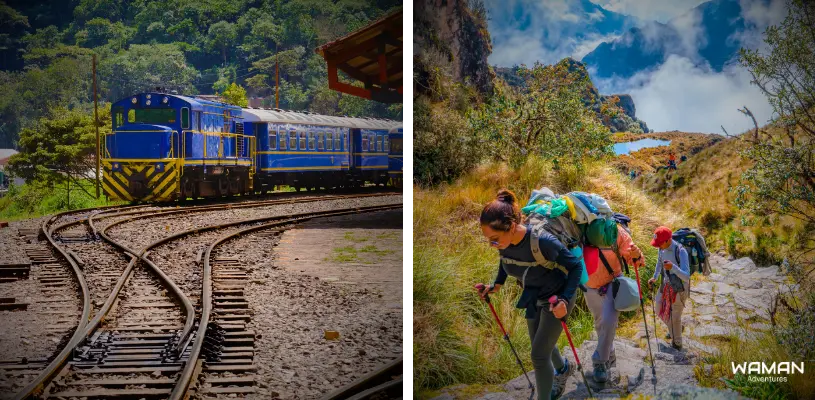
Train access continues year-round while trekking conditions change by season.
Choose the Machu Picchu season that matches your trip
If weather stability is the main priority, the April–October period is generally the easier choice, with May and September providing a useful balance for many travelers. If greener landscapes and greater flexibility matter more, November–March can also work well for travelers who are comfortable with a higher chance of rain and cloud.
Once the season is clear, you can plan your Peru itinerary with Waman Adventures and fit the Machu Picchu visit around the rest of your time in Cusco and Peru.
Frequently asked questions about the best time to visit Machu Picchu
What is the best month to visit Machu Picchu?
What is the best season to visit Machu Picchu?
Is November a good time to visit Machu Picchu?
Is Machu Picchu closed in February?
When is Machu Picchu least crowded?
What is the best time to hike the Inca Trail?
Does it rain at Machu Picchu during the dry season?
Should I visit Machu Picchu in June, July or August?
Share:


Related tours you might be interested in
Enjoy unique experiences in Cusco and Machu Picchu with the peace of mind that comes from working with a local travel agency
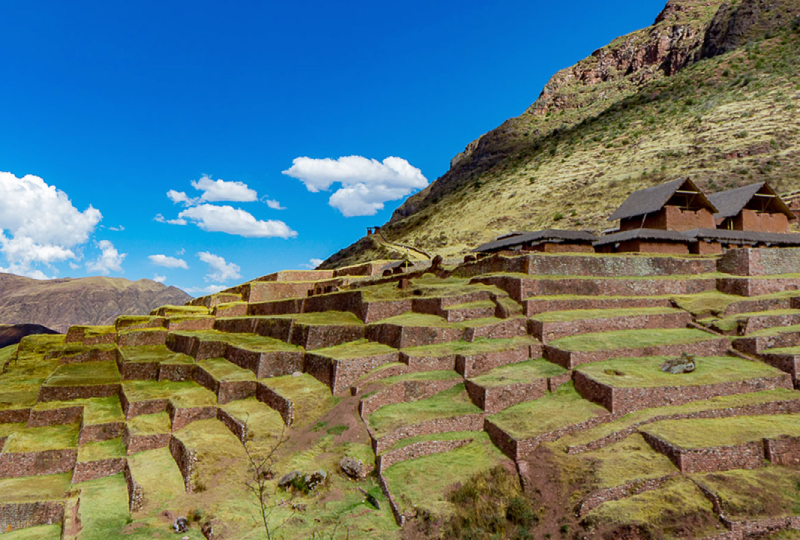
Huchuy Qosqo Hike – Full day
HUCHUY QOSQO: ADVENTURE, HISTORY, AND NATURE IN ONE DAY Perched high above the Sacred Valley,...
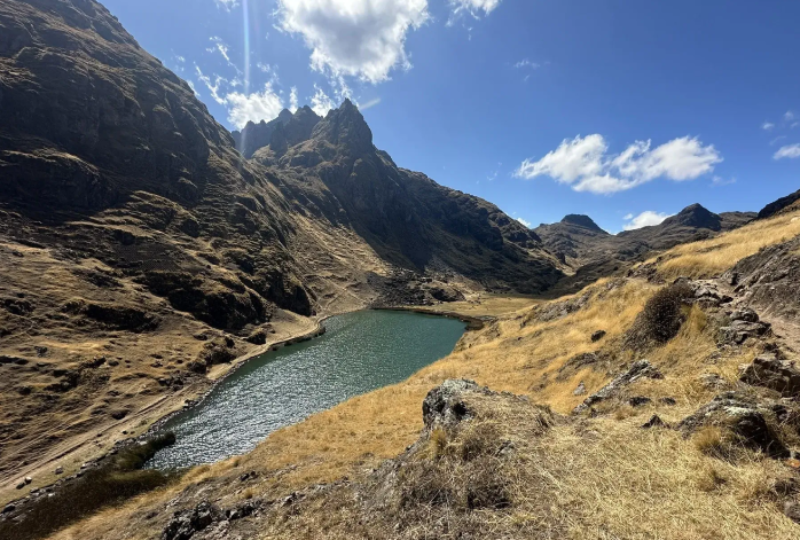
Pisac Lakes Trek: Three Sacred Andean Lagoons
A ONE-DAY ADVENTURE THROUGH HIGH-ANDES LAGOONS NEAR CUSCO Discover three high Andean lagoons on a...
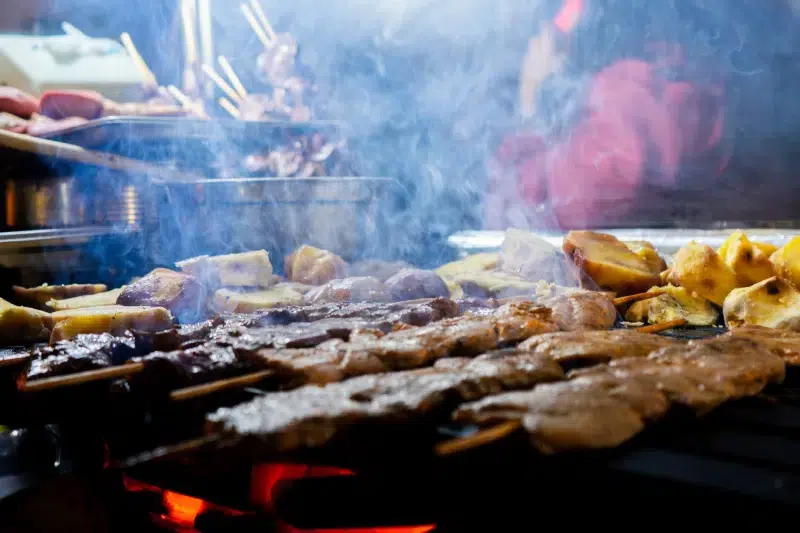
Cusco Flavor Routes: Local Cuisine and Pisco Sour
LIVE THE LOCAL FLAVORS OF CUSCO AT SUNSET Step into Cusco’s everyday life as you wander through its...

Choquequirao to Machu Picchu Trek 7 Days | Private Service
The most epic and challenging adventure awaits! Dare to push your limits and embark on the ultimate...
If you liked this article and the information you found, give us 5 stars!
Table of Contents
Related blogs