Camp Near Machu Picchu: Trails, campsites, and what it’s really like
Ultima actualización en 25 October, 2025 por Waman Adventures
Last Updated on 25 October, 2025 by Waman Adventures
- Camp at Machu Picchu: myth or real possibility?
- Camping in Aguas Calientes and surroundings: what is possible
- Classic Inca Trail: official campsites along the route
- Salkantay Trek: scenic campsites and glamping option
- Alternative treks with camping option: Inca Jungle, Lares, Huchuy Qosqo
- Is it safe to camp near Machu Picchu?
- What to bring to camp near Machu Picchu?
- Do you need a permit or guide to camp near Machu Picchu?
- Frequently asked questions about camping near Machu Picchu
Although you can’t spend the night inside this world wonder, you do have the opportunity to camp near Machu Picchu and live a truly unforgettable camping experience. You can do so at the municipal campground in Aguas Calientes or along trekking routes like the Inca Trail or Salkantay. You have several safe and authorized options at your disposal that will allow you to connect with nature in an authentic way. Discover in this guide the best options for camping.
Camp at Machu Picchu: myth or real possibility?
Camping inside the archaeological site of Machu Picchu is strictly prohibited, as it seeks to protect its valuable cultural and natural heritage. However, you have the opportunity to experience legal and exciting camping in the surrounding areas, especially along authorized trekking routes like the Inca Trail or Salkantay Trek.

What you can do is camp near Machu Picchu in Aguas Calientes, also known as Machu Picchu town. There you’ll find the municipal campground, an economical and legal option to spend the night. This place offers green areas, showers, bathrooms, and eating spaces, all for an approximate cost of 4 dollas per night (15 soles).
If you prefer a more adventurous experience, you can also camp near Machu Picchu at official campsites along trekking routes like the Classic Inca Trail, the Hydroelectric Route, Salkantay Trek, Huchuy Qosqo, among others. There are many options that adapt to your style and the way you want to experience this adventure.
Camping in Aguas Calientes and surroundings: what is possible
The municipal campground is located approximately 0.8 miles (1.3 km) from downtown Aguas Calientes. It’s an economical and convenient option for travelers. You can set up your tent in a green area equipped with bathrooms, showers, and common eating spaces.
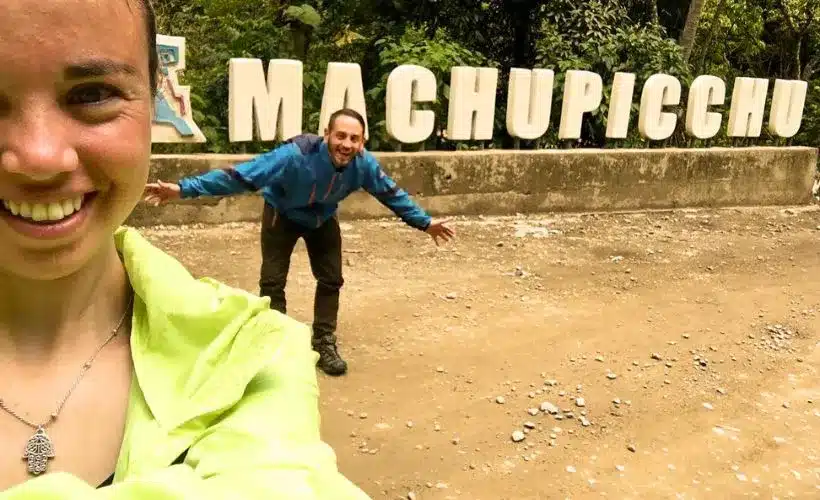
You should know that this campground is managed by the local municipality and is very popular among backpackers and adventurers on tight budgets.
Recommendations for accessing the campground:
- You must register upon arrival, presenting your ID or passport.
- The campground offers basic services like bathrooms and showers; however, it’s recommended to bring your own camping equipment and essential supplies.
- Although it’s a safe place, it’s always a good idea to watch your belongings and follow the instructions from local staff.
Important note:
If you choose this option, it’s essential that you plan it in advance and make sure it fits your needs, so you can fully enjoy your experience.
Hydroelectric Route: the backpacker access with camping areas
If you’re looking for an economical way to reach Machu Picchu, this is an excellent option. This path is very popular among backpackers and independent travelers who prefer to avoid the high costs of the train and opt to walk, experiencing a closer connection with nature.

To take this route, you can catch a minivan or bus to Santa María, on a journey that lasts approximately 5 hours. From there, you need to take a taxi to Santa Teresa and then another transport to Hydroelectric. Some agencies offer direct transportation to this last point, which is the most practical option, as you avoid multiple transfers.
Once at Hydroelectric, you’ll begin a hike to Aguas Calientes. This journey takes around 3 hours, although the time may vary according to your pace. Along the way, you’ll enjoy beautiful landscapes of the Urubamba jungle, in an environment full of vegetation, rivers, and tranquility.
Upon arriving in Aguas Calientes, you’ll find a wide variety of accommodations according to your budget. However, if you’re looking for an economical alternative, the municipal campground in Machu Picchu Pueblo is an excellent option. This place offers spaces to camp near Machu Picchu, plus basic services like bathrooms and showers.
Classic Inca Trail: official campsites along the route
If you’re thinking about doing the 4 day Inca Trail to Machu Picchu, it’s essential that you know the official campsites where you’ll spend the night. These places are regulated by the Ministry of Culture of Peru and can only be used through tours organized by authorized agencies.

Official Inca Trail campsites:
- Wayllabamba: it’s the first campsite after starting the route from 51 miles (82 km). It’s located in a mountainous setting with impressive views and is perfect for acclimatizing to the altitude.
- Pacaymayo: located after crossing the highest point of the Inca Trail, the Warmiwañusca pass or “Dead Woman’s Pass.” It’s known for its natural surroundings, with nearby rivers and waterfalls.
- Wiñay Wayna: it’s the last campsite before reaching Machu Picchu and is very close to the archaeological site that bears the same name. Here you’ll feel the excitement of being one step away from your final destination.

Important services and regulations:
- You can only access these campsites if you book a tour with an agency authorized by the Ministry of Culture of Peru.
- All campsites offer basic services, such as areas to set up tents and bathrooms.
- There’s no electricity or cell signal, so bring flashlights, extra batteries, and prepare to disconnect from the world.
- Access to the Inca Trail is limited to a reduced number of visitors per day, in order to preserve both the natural environment and archaeological heritage.
- It’s very important that you book in advance and follow all your guide’s instructions during the journey.
Salkantay Trek: scenic campsites and glamping option

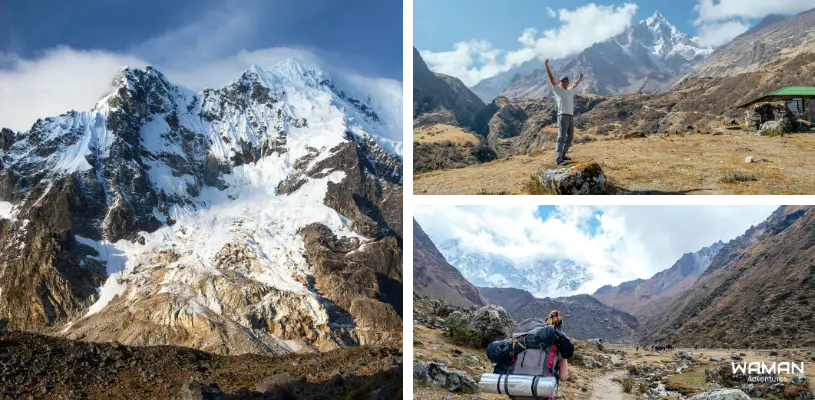
If you’re looking for an alternative to the Inca Trail that combines spectacular landscapes with a unique lodging experience, the Salkantay Trek is an excellent option. This route takes you through diverse ecosystems, from imposing snow capped mountains to lush cloud forests, and offers camping options ranging from traditional to luxurious.
These are the campsites on the Salkantay Trek hike:
- Soraypampa: it’s one of the first campsites on the trek. Here, some agencies offer accommodation in geodesic domes with panoramic views of the Humantay and Salkantay mountains.
- Chaullay: it’s ideal for resting after crossing Salkantay Pass and offers an experience closer to nature.
- Lucmabamba: this campsite is located in a region where you can explore coffee plantations and participate in cultural activities with local communities.
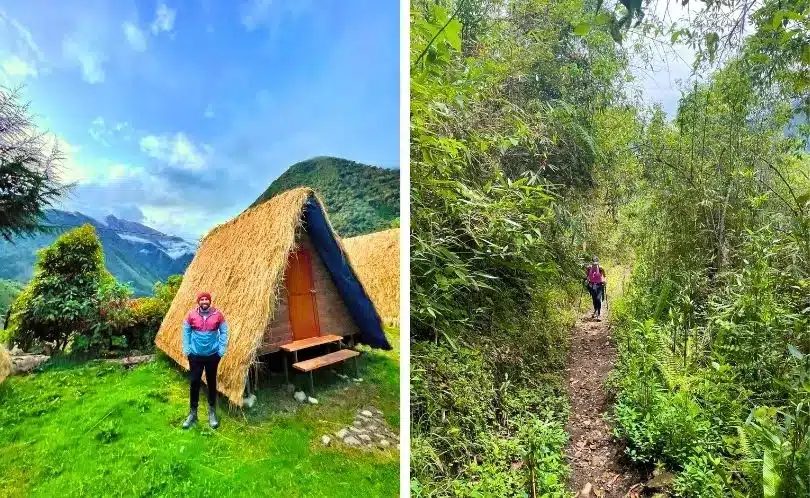
Glamping on the Salkantay Trekking
If you’re looking for a more luxurious experience, glamping is an ideal option. Many agencies offer accommodation in luxury domes equipped with comfortable beds, private bathrooms, and spectacular views.
Additional considerations:
- Altitude: The highest point of the Salkantay Trek reaches 15,256 feet (4,650 meters) above sea level. It’s essential that you acclimatize properly before starting the hike to avoid altitude sickness.
- Weather: Weather conditions can vary quite a bit along the route. We recommend bringing warm clothing for the high mountain areas and light clothing for warmer areas.
- Season: The best time to do the Salkantay Trek is during the dry season, between April and October. During these months, the weather is more stable and the views are spectacular.
Alternative treks with camping option: Inca Jungle, Lares, Huchuy Qosqo
If you want to experience a unique trekking adventure to Machu Picchu that combines nature, culture, and adventure, there are alternative routes to the classic Inca Trail that will allow you to camp and explore different aspects of Peruvian geography and traditions.
Inca Jungle: this is an exciting multidisciplinary route that combines mountain biking, hiking, zip lining, and rafting. In this 4 day experience, you’ll go from Cusco to Aguas Calientes, crossing jungle landscapes and visiting local communities. It’s ideal if you’re seeking adrenaline and connection with nature.
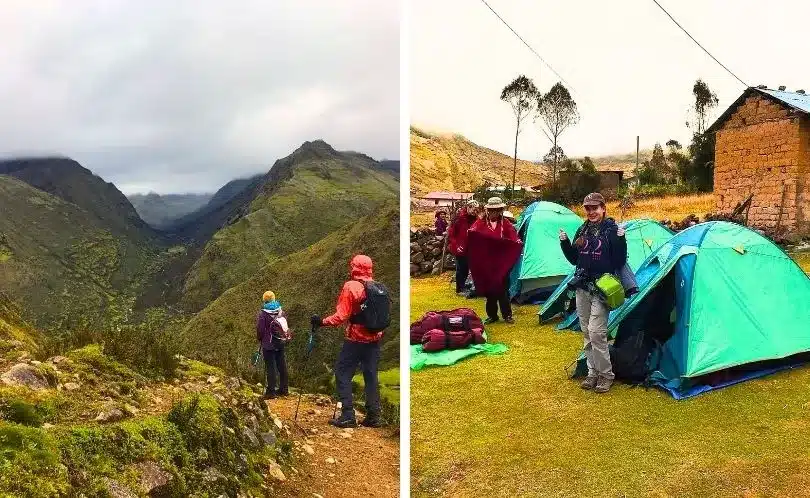
Lares Trek: this 2 to 3 day hike immerses you in the life of Andean communities. It begins near the town of Lares and traverses mountainous landscapes and traditional villages, where residents still practice ancestral weaving and farming techniques. During the journey, you’ll camp in places like Huacahuasi and Ipsaycocha, while enjoying local hospitality and learning about their culture.
Huchuy Qosqo: this hike also lasts between 2 and 3 days and takes you from Tambomachay or Patabamba to the archaeological site of Huchuy Qosqo, known as “Little Cusco.” Along the way, you’ll camp in sites like Pumamarca, with impressive views of the Sacred Valley and the opportunity to explore less crowded Incan ruins.

Is it safe to camp near Machu Picchu?
If you decide to enjoy the experience of camping near Machu Picchu, it’s essential that you do so in permitted areas and always with authorized agencies. The main trekking routes have adequate conditions, basic services, and guaranteed safety.
Remember that:
To experience this adventure without setbacks, always follow your guide’s instructions and respect the rules established by local authorities. This way you can enjoy an unforgettable experience without putting your safety or the environment at risk.
What to bring to camp near Machu Picchu?
To enjoy a comfortable and safe camping experience, don’t forget to bring the following:
- Thermal and waterproof clothing.
- Flashlight or headlamp with spare batteries.
- Insect repellent and sunscreen.
- Sleeping bag suitable for low temperatures.
- Energy snacks and sufficient drinking water.
Do you need a permit or guide to camp near Machu Picchu?
To do the classic Inca Trail to Machu Picchu, you should know that you must have a permit issued by the Ministry of Culture of Peru. These permits are limited to 500 people per day (including porters, guides, and cooks) and often sell out several months in advance, especially during high season from May to September. Additionally, this route can only be done through an authorized tourism agency, as doing it on your own is prohibited.
In contrast, for alternative routes like the Salkantay Trek, Lares Trek, or Inca Jungle Trail, you don’t need a special permit. However, it’s strongly recommended to hire a professional guide or an experienced agency, both for your safety and to enrich your experience.

It’s also important that you keep in mind that free camping is restricted or directly prohibited in many protected areas, such as the Machu Picchu Historic Sanctuary or Manu National Park. Camping in unauthorized areas can result in sanctions and, moreover, seriously damage the local ecosystem.
Camping near Machu Picchu is possible and enriching, as long as you do it in permitted areas and responsibly. Prepare yourself and follow the recommendations, and enjoy an adventure surrounded by history and lush landscapes. If you’re ready to experience this adventure, don’t hesitate to contact us at Waman Adventures. We’ll help you plan your trek safely and authentically. Your journey awaits!
Frequently asked questions about camping near Machu Picchu
Is camping allowed inside Machu Picchu?
Where can I camp near Machu Picchu?
What treks allow camping on the way to Machu Picchu?
- Classic Inca Trail: Camping is done at established campsites supervised by SERNANP (National Service of Natural Protected Areas).
- Salkantay Trek: It’s one of the most popular alternatives. It combines mountain and jungle landscapes, and allows camping near Machu Picchu at points like Soraypampa, Chaullay, or Lucmabamba.
- Inca Jungle Trail: A more adventurous route that mixes biking, hiking, and other activities. Some itineraries include camping nights or stays in basic accommodations.
- Lares Trek: Less crowded and with a more cultural focus. Here you’ll camp near Andean communities, sharing with locals and learning about their customs.

Share:



Related tours you might be interested in
Enjoy unique experiences in Cusco and Machu Picchu with the peace of mind that comes from working with a local travel agency
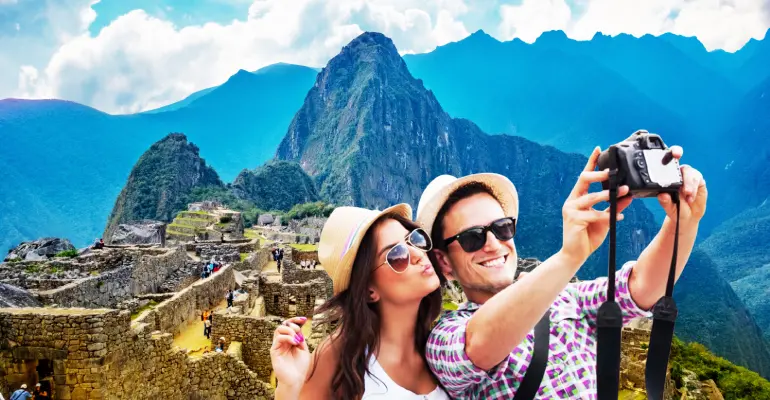
6-Day Tour Cusco, Sacred Valley, Machu Picchu and Rainbow Mountain
EXPERIENCE THE MAJESTY OF THE INCAS: SACRED VALLEY, MACHU PICCHU & RAINBOW MOUNTAIN IN ONE TRIP If...
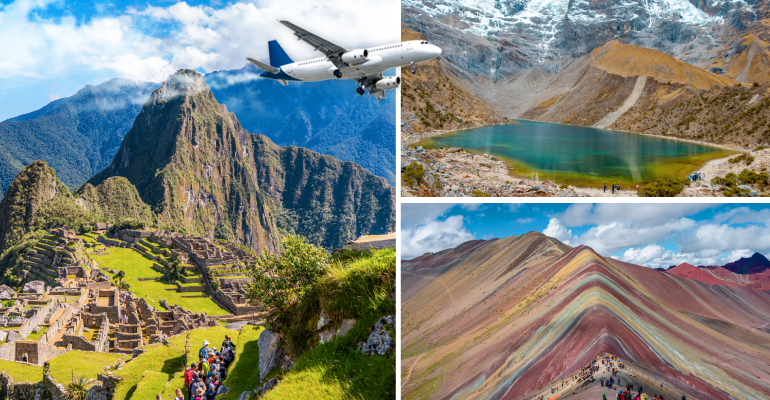
6 Day Andean Adventures Tour│With Flights from Chile
ENJOY THE BEST OF CUSCO CITY – MUST VISIT DESTINATIONS ARE WAITING FOR YOU! Want to explore Cusco...
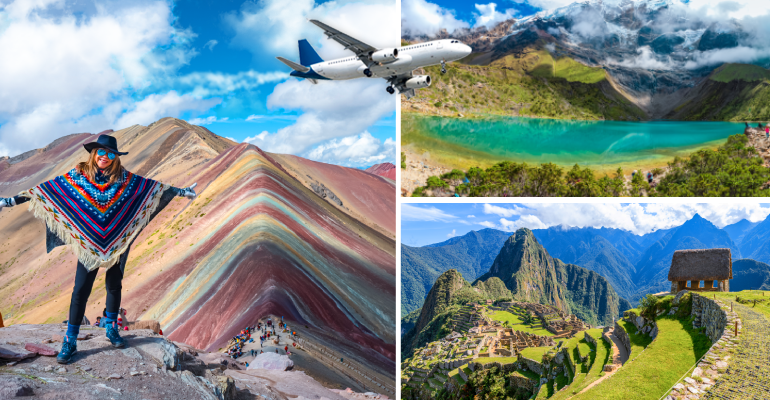
6 Days Andean Adventure │ With Flights from Mexico
EXPERIENCE THE BEST OF CUSCO – THE MOST BREATHTAKING DESTINATIONS AWAIT Do you want to explore...
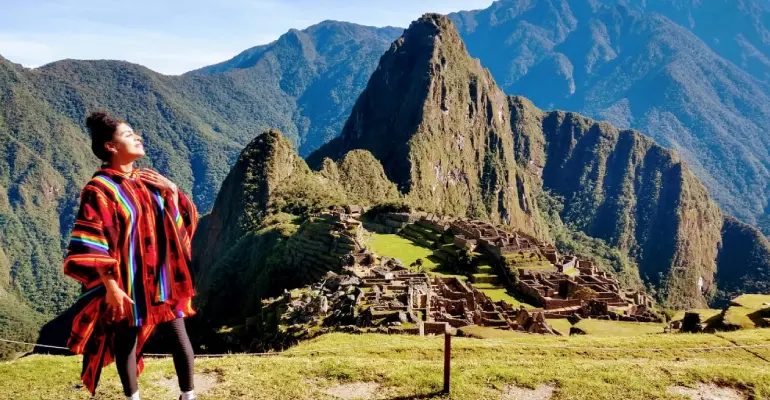
5 Day Cusco, Sacred Valley and Machu Picchu
DISCOVER THE MAJESTY OF MACHU PICCHU AND THE BEAUTY OF THE SACRED VALLEY IN ONE EPIC JOURNEY! The...
If you liked this article and the information you found, give us 5 stars!
Table of Contents
Related blogs
Best Things to Do in Puno: Discover the Magic of the Andean Highlands
15 min of reading
Ausangate Trek: The Complete Guide to Planning Your Journey
12 min of reading