


Best Things to Do in Puno: Discover the Magic of the Andean Highlands
Ultima actualización en 16 November, 2026 por Jhon Quispe
Last Updated on 16 November, 2026 by Jhon Quispe
What are the best things to do in Puno?
For a first visit, prioritize Lake Titicaca’s Uros and Taquile islands, Puno’s historic center, and the burial towers of Sillustani. Allow two to three days for a selective itinerary, with more time if you want an overnight stay on Amantaní. Keep your arrival day light: Puno sits at roughly 12,500 feet (3,800 m), and island paths and viewpoints can involve uphill walking.
- Choose your Puno activities by time and interest
- Explore Lake Titicaca and its island communities
- Visit Sillustani and Lake Umayo
- Walk through Puno’s historic center
- Visit Puno’s museums and the Yavarí ship
- Choose a viewpoint overlooking Puno
- Plan Tinajani Canyon as a separate regional excursion
- Experience Puno’s festivals when your dates align
- Try the regional food of Puno
- Organize two or three days in Puno
- Choose the season that suits your plans
- Prepare for altitude and changing conditions
-
Frequently asked questions about Things to do in Puno
- Can I visit Uros and Taquile on my arrival day?
- Can I explore Puno without booking a tour?
- Are island visits suitable for travelers with limited mobility?
- Can I stay overnight on Taquile instead of Amantaní?
- Is it safe to walk around Puno at night?
- Where should I exchange money before an island trip?
- What can I do if rain changes my plans?
- Does a Puno island tour include crossing into Bolivia?
Puno rewards travelers who leave room for both the city and the lake. Its cathedral, museums, and food fit into shorter outings, while island visits and archaeological excursions need their own time. The main planning decision is how to balance those experiences without rushing through long boat journeys or steep walks at altitude.

Choose your Puno activities by time and interest
Use these planning allowances to choose what fits. They are suggestions for organizing your stay, not fixed schedules. Boat type, weather, walking pace, and transfers affect the time you need.
| Experience | Time to set aside | Best for | Main consideration |
| Historic center and a museum | A relaxed half day | Architecture, history, and an easier city outing | Check opening hours and take breaks after arrival. |
| Uros floating islands | A half-day outing | A shorter introduction to Lake Titicaca | Confirm the island visit and optional reed-boat charges. |
| Uros and Taquile | A full day | Reed islands, textile traditions, and lake scenery | Expect boat travel and uphill walking on Taquile. |
| Amantaní with an overnight stay | Two days for a typical island circuit | More time with a host family | Check accommodation, meals, bathroom facilities, and walking requirements. |
| Sillustani and Lake Umayo | About four hours on Waman’s published excursion | Archaeology and highland scenery | This is a road excursion with walking at the site. |
| A city viewpoint | A separate short outing | Photography and views over Puno | Choose access according to your energy and mobility. |
| Tinajani Canyon | A separate full-day plan from Puno | Rock formations and countryside walks | Arrange the road journey, local access, and return transport. |
Explore Lake Titicaca and its island communities
Puno is a departure point for visits to the Peruvian side of Lake Titicaca. Uros, Taquile, and Amantaní offer different experiences: floating reed islands, textile traditions, and family stays. Choose the experience first, then confirm the boat route and the time available ashore.
Uros floating islands and totora boats
The Uros islands are built and maintained with totora reeds. During an arranged visit, hosts may explain how reeds are used for the island surface, homes, and boats. Tourism is part of contemporary life here, alongside activities such as fishing and handicrafts.
A visit normally follows a hosted itinerary rather than allowing unrestricted access to every island. Ask what the stop includes, request permission before photographing residents, and confirm the price of any optional reed-boat ride before boarding.
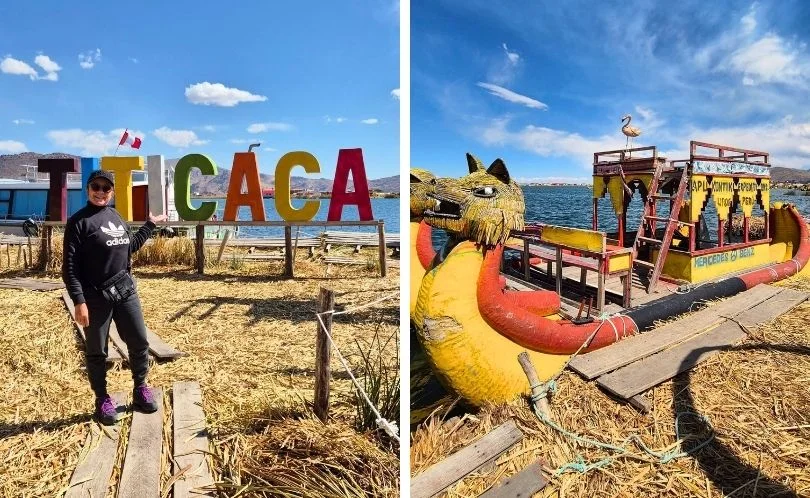
Pro tip: Carry small amounts of cash in Peruvian soles for purchases and agreed extras. Do not depend on finding an ATM or reliable card payment on the islands.
Taquile Island and its textile traditions
Taquile is known for textiles made and worn by its community, including knitted hats and woven belts. UNESCO recognizes Taquile and its textile art as intangible cultural heritage; the recognition concerns the living tradition, rather than a World Heritage designation for the island itself.
Expect uphill paths and steps between landing points and the places visited. The route depends on the itinerary and dock used, so ask about the actual walking involved if stairs are a concern. A textile presentation does not automatically include a hands-on weaving class.
If you want both islands in one outing, review the Uros and Taquile day tour by speedboat. Confirm departure and return times before booking onward transport that evening.

Amantaní and an overnight family stay
Amantaní suits travelers who want to spend more time on the lake instead of returning to Puno the same afternoon. A family stay can include meals and opportunities to learn about daily life, with facilities that differ from a city hotel.
The island’s Pachamama and Pachatata hills are associated with local ceremonial traditions. Walks toward these high points depend on the program, conditions, and your ability to manage the climb. Do not assume that private rituals or access to sacred spaces are included.
Before choosing a two-day Uros, Amantaní, and Taquile itinerary, ask about bedding, bathrooms, hot water, dietary needs, and what luggage to bring. Participation in any evening activity should be explained in advance.
Visit Sillustani and Lake Umayo
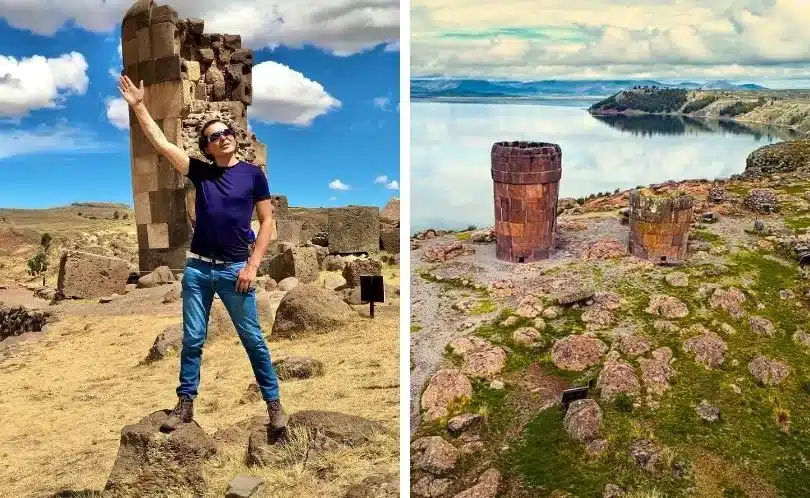
Sillustani stands about 21 miles (34 km) northwest of Puno beside Lake Umayo. Its chullpas are funerary towers associated with the Colla and later Inca presence in the region. The site offers a different perspective from the islands: monumental stone architecture in an open highland landscape.
- What to see: Towers built with different stoneworking techniques, including finely fitted masonry.
- A notable structure: The Chullpa del Lagarto rises approximately 39 feet (12 m).
- Walking: Expect uneven ground and uphill sections; allow a comfortable pace.
- Landscape: Leave time for the views over Lake Umayo without climbing on the archaeological structures.
Waman’s Sillustani excursion from Puno is described as approximately four hours. Confirm pickup, admission, and the return arrangement for your date. A standard excursion should not be assumed to include a drop-off at Juliaca airport.
Walk through Puno’s historic center
The cathedral, Plaza de Armas, Casa del Corregidor, and nearby museums can be combined without a long road journey. This makes the center a useful option when you have only part of a day, provided you feel well enough to explore.
Puno Cathedral
The cathedral faces the Plaza de Armas and is known for its Andean Baroque facade. Construction began in the seventeenth century, and master mason Simón de Asto completed the main facade in the eighteenth century. Its carved decoration combines Christian imagery with regional plants and animals.
- Outside: Look closely at the stonework, twin towers, and decorated entrance.
- Inside: Observe the nave, religious paintings, and main altar when visitor access is available.
- Visitor etiquette: Respect services, keep your voice low, and follow any photography restrictions.

Plaza de Armas
Puno’s main square is a practical meeting point and a place to pause between visits. The cathedral overlooks the square, while benches, gardens, and the monument to Francisco Bolognesi form part of its civic setting.
It also hosts public gatherings and celebrations. During major festivities, allow extra time to move through the center and confirm whether your hotel pickup point has changed.
Casa del Corregidor
At Jr. Deustua 576, beside the Carlos Dreyer Museum, this historic house preserves details of Puno’s domestic architecture, including an interior courtyard and period balconies. Its documented history is more complex than the name suggests: it was built by the priest Silvestre de Valdés and passed through several owners.
Today, the property includes café and handicraft spaces. It is a useful stop for a break while exploring the center; check locally for any exhibitions or cultural events instead of expecting a fixed daily program.
Visit Puno’s museums and the Yavarí ship
Carlos Dreyer Museum
The Carlos Dreyer Museum adds historical context to the places you visit around Puno. Its collections include archaeological material and art connected with the region, making it a useful companion to Sillustani or a city walk.
Check the museum’s official website for visitor information before setting your schedule. A museum visit is also a practical alternative when rain changes your outdoor plans.
Coca and Customs Museum
Located at Jr. Ilave 581, behind the cathedral, the Coca and Customs Museum explores the role of the coca leaf in Andean history and cultural practices. Displays also cover offerings, traditional clothing, masks, and dances associated with Puno.
Approach the exhibits as cultural interpretation. Descriptions of traditional medicinal uses should not be treated as personal medical advice or proof that coca prevents altitude illness. Confirm opening hours and the admission fee before visiting.
The Yavarí museum ship
The Yavarí was built in England in sections in 1862, transported to Peru, and assembled on Lake Titicaca, where it was launched in 1870. Its restoration preserves a distinctive chapter of the lake’s transport history.
Depending on access arrangements, a visit can introduce you to the ship’s machinery, cabins, historical photographs, and original fittings. The operator also advertises overnight accommodation, while engine demonstrations require advance coordination and should not be assumed to run during every visit.
Before visiting: Confirm the boarding location, appointment, and fee directly through the Yavarí’s official website. Published sources differ on the pier and opening arrangements, so avoid arriving at an old address without checking.

Choose a viewpoint overlooking Puno
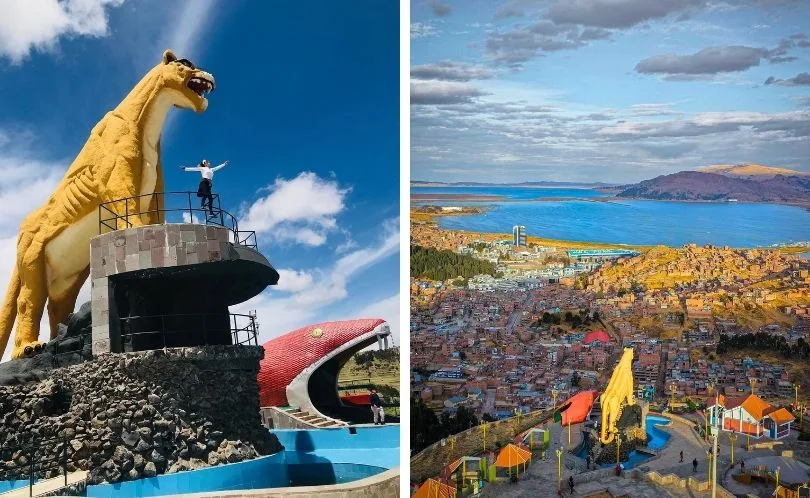
The hills above Puno offer a broader view of the city and Lake Titicaca. Select one viewpoint according to your available time and comfort with climbing; there is no need to visit all three during a short stay.
- Huajsapata: A hill near the historic center with a monument to Manco Cápac and views over the rooftops toward the lake.
- Kuntur Wasi: Recognizable by its large condor sculpture. Ask about the approach before committing to the climb.
- Puma Uta: Identified by its puma sculpture and a panoramic outlook across the city and bay.
Visit in daylight, check current local advice about access, and arrange your return transport where needed. Leave steep climbs for a day when you feel well at altitude.
Plan Tinajani Canyon as a separate regional excursion
Tinajani lies near Ayaviri in the wider Puno region, rather than beside Puno city. MINCETUR places the canyon about 9 miles (14 km) south of Ayaviri, at approximately 13,000 feet (3,960 m). Its reddish rock formations and open grassland suit travelers with an additional day for a countryside excursion.
Wind and water have shaped rock pillars that invite comparisons with people and animals. Local stories add another layer to the landscape, but should be understood as traditions rather than geological explanations. The area also supports highland vegetation, including puya plants.
- Plan ahead: Agree on the route, walking time, access arrangements, and return transport.
- Respect local land: Parts of the area are privately owned; follow local guidance and obtain permission where needed.
- Choose activities carefully: Do not assume horseback riding or camping is available without prior arrangements.

Keep this in mind: Carry water, snacks, sun protection, and warm layers for Sillustani and Tinajani. Confirm food and restroom stops instead of relying on services at every point of the excursion.
Experience Puno’s festivals when your dates align
Virgen de la Candelaria
Held in February, Puno’s Virgen de la Candelaria festivities bring together Catholic devotion and elements of Andean cultural traditions. UNESCO inscribed the celebration on its Representative List of the Intangible Cultural Heritage of Humanity in 2014.
Religious ceremonies, dance competitions, processions, and street performances are central to the celebration. Depending on the program, you may see dances such as Diablada, Morenada, and Caporales, accompanied by musicians and elaborate costumes.
Use the program for your actual travel year to choose dates. Competition days, venues, routes, and ticket arrangements can change; a previous year’s calendar is not a reliable booking guide. Reserve accommodation early and ask how street closures could affect transfers.

Juliaca Carnival
Juliaca has its own carnival traditions, separate from Puno’s Candelaria festivities. Events can include dance groups, music, neighborhood celebrations, and activities associated with Ño Carnavalón.
Treat Juliaca as a separate outing with its own transport plan. Confirm the current municipal program and return arrangements, especially on major parade days. Some celebrations involve water or paint, so protect your belongings and ask what to expect at the event you plan to attend.
Try the regional food of Puno
Local menus reflect the lake, highland crops, and warming dishes suited to cool evenings. Recipes differ between households and restaurants, so ask about ingredients if you have dietary restrictions.
- Chairo: A substantial soup commonly made with potatoes, chuño, meat, vegetables, and herbs.
- Trout: Often served fried or grilled with potatoes, rice, or salad. Ask how it is prepared rather than expecting one standard recipe.
- Carachi broth: A traditional soup made with a fish native to Lake Titicaca, often accompanied by potatoes and chuño.
- Pesque de quinua: A soft quinoa preparation commonly made with milk and cheese; check ingredients if you avoid dairy.
- Chicharrón de cerdo: Pieces of pork cooked and fried until crisp, served with accompaniments that vary locally.
For island visits, clarify which meals are included and communicate allergies before departure. A vegetarian option and a meal prepared safely for a serious allergy require different arrangements.

Organize two or three days in Puno
Count usable sightseeing days rather than nights alone. A late arrival or early departure reduces what you can comfortably fit, and an overnight island stay occupies parts of two days.
| Available time | Suggested plan | What to leave for another visit |
| One full day | Choose Uros and Taquile, or a city-focused day with a shorter excursion. | Trying to combine a full lake circuit with Sillustani. |
| Two sightseeing days | One day for Uros and Taquile; another for the historic center and Sillustani, if timing and energy allow. | An Amantaní overnight stay unless it replaces the day trip. |
| Three sightseeing days | Allow a gentler city day, then choose a two-day island stay or separate lake and archaeology outings. | Tinajani unless you specifically prioritize it over another excursion. |
If you are arriving from Cusco, use the Cusco to Puno transport comparison to plan that journey separately. A sightseeing transfer uses a travel day; it does not include the island visits described here.
Choose the season that suits your plans
| Travel period | Typical planning conditions | Best fit |
| May through September | Generally drier conditions, with cold nights and strong sun exposure during clear spells. | Travelers prioritizing outdoor sightseeing and walks. |
| November through March | Greater likelihood of rain; allow flexibility for outdoor visits and boat arrangements. | Travelers comfortable adapting plans to conditions. |
| April and October | Transition periods; conditions can vary. | Travelers with some flexibility in their schedule. |
| February during Candelaria | Festival activity can affect accommodation, traffic, and access; rain remains possible. | Travelers whose main interest is the celebration. |
Seasonal patterns do not guarantee a dry day or calm lake. Check the forecast close to departure and follow the boat operator’s instructions when conditions change.
Prepare for altitude and changing conditions
Puno is at roughly 12,500 feet (3,800 m), and some island paths and viewpoints climb higher. Gradual acclimatization matters more than fitness alone. Keep your initial activities light and avoid strenuous exercise and alcohol during your first days at altitude.
Read the CDC’s high-altitude travel guidance and discuss prevention with a healthcare professional if your itinerary involves a rapid ascent. Drinking water normally is sensible, but water or herbal tea does not guarantee protection. Do not ascend higher with symptoms; worsening symptoms, breathing difficulty at rest, or confusion require urgent medical attention.
- Layered clothing, including a warm jacket for mornings and evenings.
- A rain jacket or poncho, especially during wetter months.
- Sunscreen, sunglasses, a sun hat, and lip balm.
- Walking shoes with grip for steps and uneven paths.
- Drinking water, a small snack, and personal medication.
- Cash in soles for small purchases and agreed extras.
- A small day bag; confirm luggage arrangements for overnight island visits.

Frequently asked questions about Things to do in Puno
Can I visit Uros and Taquile on my arrival day?
Can I explore Puno without booking a tour?
Are island visits suitable for travelers with limited mobility?
Can I stay overnight on Taquile instead of Amantaní?
Is it safe to walk around Puno at night?
Where should I exchange money before an island trip?
What can I do if rain changes my plans?
Does a Puno island tour include crossing into Bolivia?

Share:



If you liked this article and the information you found, give us 5 stars!
Table of Contents
Related blogs
Peru Trip Cost from the US: What to Budget Beyond the Package
7 min of reading
50 Inca Jungle Trek Facts to Know Before Visiting Machu Picchu
18 min of reading
Markets in Cusco through a traveler’s eyes: honest, raw, unforgettable
10 min of reading

