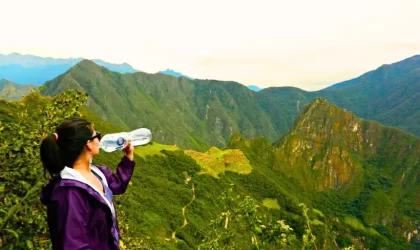
Huchuy Qosqo: The less-traveled path to Incan greatness, where every stone tells a story.
Ultima actualización en 6 November, 2024 por Waman Adventures
Last Updated on 6 November, 2024 by Waman Adventures
- THE “LITTLE CUSCO” ON THE SACRED VALLEY’S BALCONY
- RAINY SEASON AT HUCHUY QOSQO
- DRY SEASON AT HUCHUY QOSQO
- DISCOVER THE HISTORY OF HUCHUYQOSQO, THE “LITTLE CUSCO”
- HUCHUY QOSQO: A TOUR OF ITS ARCHITECTURE AND MAIN ATTRACTIONS
- What Will We See? | Main Attractions of Qaqyaqawana
- HOW TO GET TO HUCHUY QOSQO?
- REACH HUCHUY QOSQO VIA TAMBOMACHAY
- REACH HUCHUY QOSQO VIA CHINCHERO
- REACH HUCHUY QOSQO VIA CHINCHERO
- DISADVANTAGES OF DOING THE HUCHUY QOSQO TREK ON YOUR OWN
- ADVANTAGES OF DOING THE HUCHUY QOSQO TREK WITH A TRAVEL AGENCY
- HUCHUY QOSQO TREK | CONSIDERATIONS FOR TRAVELERS
- NATURE IN HUCHUY QOSQO | FAUNA AND FLORA
- PRACTICAL INFORMATION FOR HIKERS
Looking for an alternative from Huchuy Qosqo trek to Machu Picchu that’s shorter and simpler? The Huchuy Qosqo trek is the perfect choice for you! This one- or two-day hiking route takes you to an impressive Inca archaeological complex just 30 kilometers from Cusco.
In this blog, we will cover everything you need to know to plan your trip to Huchuy Qosqo, including a brief history of the Inca site, route options, tips on packing, acclimatization, weather conditions, and other essential info every savvy traveler like you need to know. Let’s go!
THE “LITTLE CUSCO” ON THE SACRED VALLEY’S BALCONY
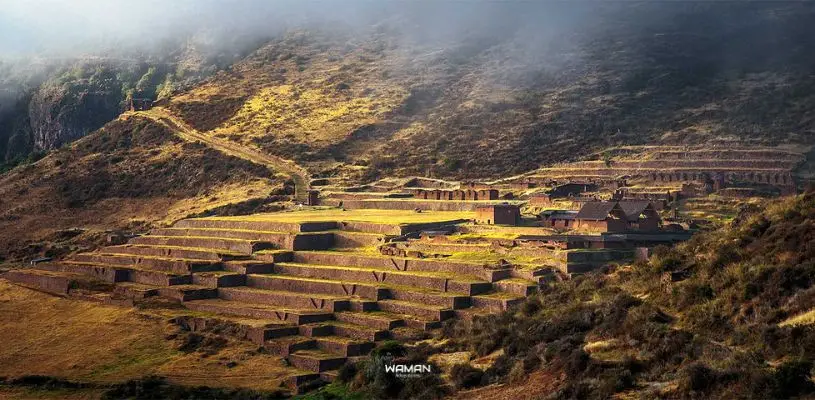
What is Huchuy Qosqo?
Huchuy Qosqo Peru, or Huchuyqosqo, is a lesser-known archaeological gem located in the heart of Cusco, Peru. It was likely built in the 15th century by order of the Inca Wiracocha, serving ceremonial, religious, military, and administrative purposes during the Inca Empire.
This charming archaeological site is ideal for travelers who want to explore the rich Inca heritage without taking too much time from their itinerary. It’s also perfect for those looking for a relaxing and enriching hike without the intense physical strain. Visitors can explore temples, dwellings, agricultural terraces, Inca constructions, and many other remarkable spots.
Where is Huchuy Qosqo located?
It is situated on a small plateau atop a mountain near the village of Lamay in Peru’s Sacred Valley of the Incas. It offers stunning views of the valley and the surrounding mountains, including the snow-capped peaks of Pitusiray and Sawasiray. It is almost 5 kilometers from the province of Calca and 50 kilometers north of the city of Cusco.
What is the altitude of Huchuy Qosqo?
Little Cusco is located at an altitude of 11,975 feet (3,650 meters) in the Sacred Valley of the Incas. Visiting this site is an unforgettable experience, offering a chance to discover and explore the impressive Inca constructions in a short time, with less physical effort compared to treks like the Inca Trail, Machu Picchu, and other routes.
What’s the weather like?
Like much of the Cusco region, Huchuy Qosqo trek experiences varied weather due to its location in the Peruvian Andes. The climate is divided into two main seasons: the rainy season and the dry season.
Rainy Season (November to March)
The rainy season usually starts in November and ends in March. During these months, Cusco experiences frequent and intense rainfall, particularly in January and February when precipitation is highest. Landslides and other natural events may occur, impacting travel plans.
RAINY SEASON AT HUCHUY QOSQO |
||
| AVERAGE TEMPERATURE | PRECIPITATION | SKY |
| 54-68 °F (12-20 °C) | High, averaging 150 mm (6 inches) per month. | Generally cloudy with frequent rain. |
Dry Season (April to October)
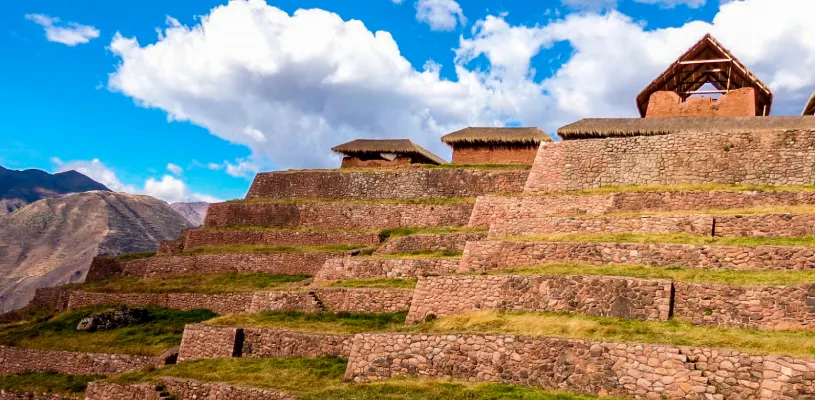
The dry season runs from April to October when Huchuy Qosqo trek enjoys more pleasant weather. Days are generally sunny, with clear skies and beautiful landscapes, although nights can get quite cold. Be sure to bring clothing suitable for both intense sun and chilly nights, including hats, sunglasses, and sunscreen.
DRY SEASON AT HUCHUY QOSQO |
||
| AVERAGE TEMPERATURE | PRECIPITATION | SKY |
| 50-64 °F (10-18 °C) | Low, averaging 50 mm (2 inches) per month. | Generally clear skies. |
Though the dry season is generally clear, occasional rain can still occur due to its geographic location and the region of Cusco in general.
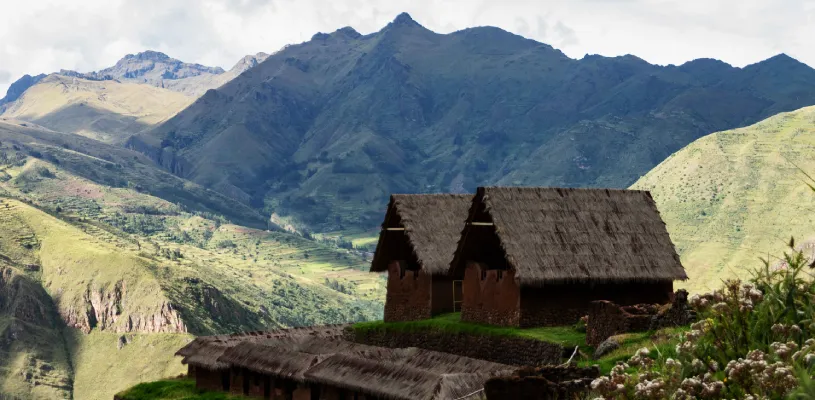
When is the best time to visit Huchuy Qosqo?
Taking all the above information into account, the best season to visit Huchuy Qosqo ruins is during the dry season, from April to October, ensuring a pleasant experience through the Peruvian Andes.
DISCOVER THE HISTORY OF HUCHUYQOSQO, THE “LITTLE CUSCO”
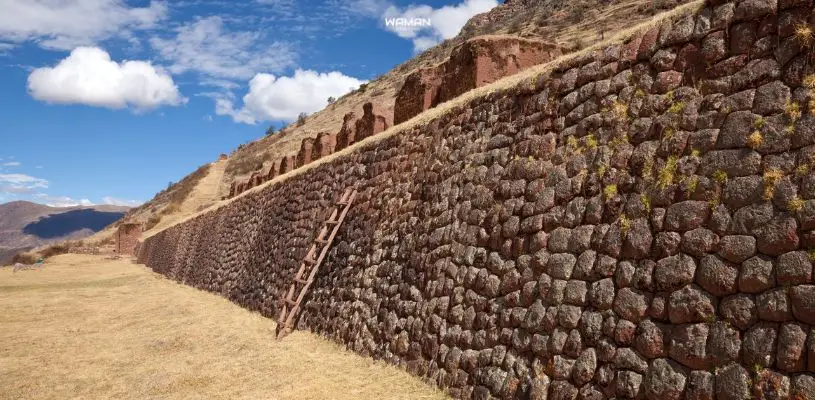
Huchuy Qosqo is a story of intrigue and power
In the second chronicle “Lordship of the Incas” by Pedro de Cieza de León, it is said that the palaces of Huchuy Qosqo Ruins, or “Small Cusco,” were built by order of the eighth Inca, Wiracocha, who used it as his private residence.
Wiracocha was a wise and peaceful Inca. He renounced his duties as monarch to leave the position to his favorite son, Inca Urco. However, this appointment was not well received by the Cusco nobles, as Inca Urco appeared to be an immature and incompetent young man.
Shortly after, the Chanca tribe attacked the city of Cusco. Wiracocha and Inca Urco decided to flee to hide in Huchuy Qosqo Peru. However, their eldest son, Pachacútec, commanded the remaining armies and defeated the Chanca invaders.
Jealous of Pachacútec’s victory, Wiracocha and Inca Urco set a trap for him. However, both of them failed, and unfortunately, Inca Urco was executed for treason. Pachacútec became the ninth Inca, and his defeated father was exiled to Huchuy Qosqo Cusco, where he spent the rest of his days.
Wiracocha died there and was mummified. His body was preserved in the citadel until the time of the Spanish conquest. The Spaniards took control of the place in the sixteenth century. However, instead of destroying it, they used it as a farm. Thanks to this decision, many history-loving hikers can currently visit and explore the Inca constructions of the Huchuy Qosqo Archaeological Complex in Cusco.
What does Huchuy Qosqo mean?
Huchuy Qosqo Peru comes from two Quechua words: “Huchuy” (small) and “Qosqo” (Cusco), which translates to “Small Cusco” in Spanish. This nickname was given in the early twentieth century due to its architectural resemblance to the Inca city of Cusco. However, during the time of the Incas, Huchuy Qosqo trek was known as Qaqyaqawana, Jaquijawana, or Xaquixaguana, a Quechua word that refers to the place “from where the lightning is seen” produced by thunderstorms during the rainy season.
What role did Huchuy Qosqo fulfill during the Inca period?
As indicated by the buildings and remains found in the area, the archaeological site was an important control center for the Cusco region. The site has numerous administrative buildings, such as palaces and temples, as well as military structures, fortresses, and walls.
One of the most notable features of Huchuy Qosqo Cusco is its grain storage facilities, known as qolcas. These cylindrical stone structures were located beneath the main enclosure of the site and were used for food storage. This significant place was an important agricultural center, and corn production was one of the main economic activities of the region.
The strategic location allowed it to become an important military center. The site is situated on a high plateau, giving it a dominant position over the valley. This allowed the Incas to control access to the valley and defend the region from potential invasions.
Huchuy Qosqo Peru is a fascinating archaeological site that offers a unique insight into Inca culture and society. It is a must-visit destination for anyone visiting the Sacred Valley of the Incas.
HUCHUY QOSQO: A TOUR OF ITS ARCHITECTURE AND MAIN ATTRACTIONS
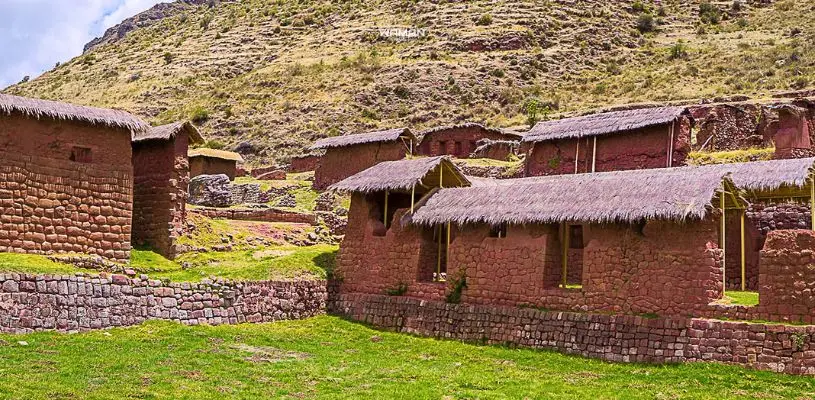
Huchuy Qosqo: A Masterpiece of Inca Architecture
Huchuy Qosqo Ruins, or “Small Cusco,” is an impressive example of Inca architecture, with well-preserved structures that demonstrate the high level of technology and knowledge of the Incas.
The construction of Huchuy Qosqo Cusco took place in the fifteenth century, during the reign of Wiracocha. A combination of materials was used for its construction, including stone, adobe, and mud. The stone walls were built with great precision, with a slight inward slope to resist earthquakes and weather conditions.
For the construction, the Inca Wiracocha and his descendants required a large workforce. The inhabitants of the Inca Empire were compelled to work under the “mita” system, a form of forced labor. The local people contributed heavy labor, while specialists and artisans handled the finishing touches.
The buildings of Huchuy Qosqo Peru include palaces, temples, fortresses, and other structures. The palaces are elegant and luxurious, serving as royal residences for Inca Wiracocha and his family. The temples were dedicated to the Inca gods and goddesses. The fortresses were built to protect the site from potential invasions.
Today, this place is an important archaeological site that offers a unique insight into Inca culture and society. It is a must-visit destination for anyone exploring the Sacred Valley of the Incas.
What Will We See? | Main Attractions of Qaqyaqawana

Qallanca: Meeting and Lodging Center
The kallancas, qallancas, or callancas were a type of rectangular plaza measuring 40 to 50 meters in length, found in the main administrative and religious centers of the Inca Empire. They were very important structures, serving as meeting and lodging centers for Inca officials.
The kallancas at Huchuy Qosqo Ruins were also one of the most significant structures on the site. They were located at the center of the main compound and measured 45 meters in length. Built of stone and adobe, they had thatched roofs. These “plazas” were used for various purposes, including ceremonial and political meetings, as well as for lodging visiting Inca officials. They also served as storage areas and distribution centers for food and other goods.
The Qallancas of Huchuy Qosqo are an impressive example of Inca architecture. They are well-preserved structures that demonstrate the high level of technology and knowledge possessed by the Incas.
Inca Structures: Exploring Ancient Buildings
In the archaeological center of Huchuy, there are currently three buildings that were of great importance during the Inca era for various activities. These buildings vary in size and significance.
- First Inca Building: This is a three-story building, with two levels made of carved stone and an upper level of adobe. It is believed that this building was used as a royal residence by the eighth Inca, Wiracocha.
- Second Inca Building: This is an adobe construction that retains its original structure. It is thought that this building was used as a storage facility or food distribution center.
- Third Inca Building: This is a rectangular base structure made with large adobe blocks. It is believed that this building served as a learning space for the women of the Inca Empire.
Water Supply System: Inca Hydraulic Engineering
The archaeological center of Huchuy Qosqo Cusco features an irrigation canal constructed during the Inca period. The canal is 800 meters long, and perfectly assembled, with its main function being to prevent water from seeping away. Additionally, the canal has small storage areas for water, which can later be used for the crops in the Cusco region.
After the arrival of the Spaniards, they used the site as a farm, demolishing some Inca structures to build the larger reservoir visible today. This reservoir is used to store water for irrigation of the local fields.
The irrigation canal is an impressive example of Inca engineering. It is a well-preserved structure that demonstrates the high level of knowledge and technology of the Incas.
HOW TO GET TO HUCHUY QOSQO?
How to reach Huchuy Qosqo or Little Cusco? It’s a unique question many hikers ask before starting a new adventure. First, I’ll share with you 3 different and adventurous routes, and then how to reach Huchuy Qosqo Day Trip.
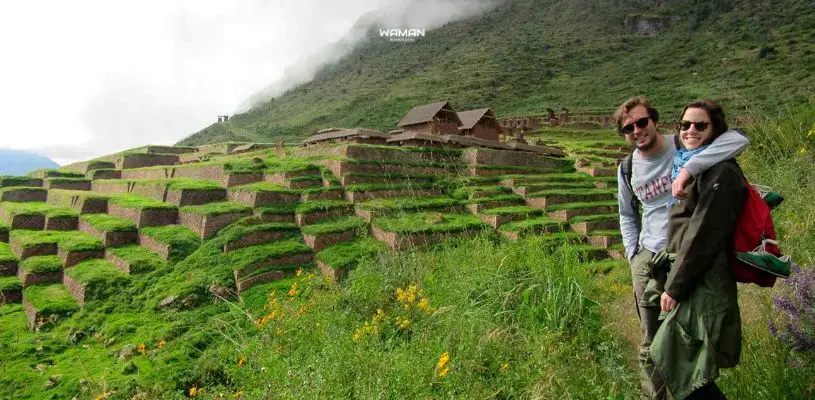
Routes to Reach Huchuy Qosqo from Cusco
Route 1: Huchuy Qosqo Day Trip from Tambomachay
This first option invites you to connect with nature over 2 days and 1 night. The hike starts at 12,467 feet (3,800 m.a.s.l.), near the archaeological center of Tambomachay. The highest point of the hike reaches 14,107 feet (4,300 m.a.s.l.), offering panoramic views surrounded by majestic mountains and snow-capped peaks, along with the chance to spot tarucas, butterflies, and other species that will enrich your trekking experience and make it unforgettable. A highlight is the opportunity to enjoy an incredible night illuminated by the presence of the moon and stars.
To finish the trek, we’ll end up at approximately 9,186 feet (2,800 m.a.s.l.), perfect for slowing the hiking pace and readjusting to the new temperature and climate.
Tour Details:
REACH HUCHUY QOSQO VIA TAMBOMACHAY |
|
| Type | Adventure, nature, culture, and archaeology. |
| Duration | 2 days, 1 night |
| Hiking distance | 40 km – 24.85 miles |
| Departure | Cusco – Tambomachay |
| Difficulty | Moderate |
| Best season | Year-round, April and October |
| Destination | Huchuy Qosqo |
Route 2: Huchuy Qosqo Day Trip from Chinchero
A one-day hike to Huchuy Qosqo hike is the second option for reaching this remarkable archaeological site in Cusco. To start, we’ll pass through the charming town of Chinchero and head towards the community of Taucca, located near Piuray Lagoon. The hike takes approximately 4 to 5 hours from the city of Cusco, during which we’ll have the chance to spot ducks, huallatas, llamas, alpacas, and other local wildlife.
REACH HUCHUY QOSQO VIA CHINCHERO |
|
| Type | Adventure, landscape, archaeology, and culture. |
| Duration | 1 day |
| Hiking distance | 15 km – 9.32 miles |
| Departure | Cusco – Chinchero |
| Difficulty | Moderate |
| Best season | Year-round, April and October |
| Destination | Huchuy Qosqo |
Route 3: Huchuy Qosqo Day Trip from Lamay
Getting to Huchuy from Lamay is the shortest route you can take if you don’t have much time. The average walking time is 3 to 4 hours from Cusco. We will pass through a narrow and steep path, so you may need a change of shirt. This route allows you to fully experience the absolute beauty of the architecture and reflect on the landscape of the Sacred Valley of the Incas.
REACH HUCHUY QOSQO VIA CHINCHERO |
|
| Mode | Adventure, landscape, archaeology, and culture. |
| Duration | 1 day |
| Walking Distance | 15 km – 9.32 miles |
| Departure | Cusco – Lamay |
| Difficulty | Difficult |
| Best Season | All year round, April and October |
| Destination | Huchuy Qosqo |

Ways to Get to Huchuy Qosqo
On Your Own
To hike on your own, you can choose the third option (CUSCO – LAMAY – HUCHUY QOSQO), as it is the route with the shortest walking time. To start, head to the bus terminal to Calca on Puputi Street in Cusco.
The average travel time is 1 hour and 30 minutes, with a general cost of S/.7.00. Once on the bus, let them know you will get off in the town of Lamay in Calca. Later, you will find an upward detour that will take you directly to the archaeological site. This is where your hike begins. The average walking time from Lamay to Huchuy Qosqo hike lasts 2 to 3 hours.
If you feel lost, don’t hesitate to ask the locals, who will gladly guide you.
Through a Travel Agency
With this second option, the situation is favorable, as your trip will depend on the organization and coordination of your tour operator. This way, you won’t have to worry or stress about making sure you’re taking the right route to get to the “Little Cusco.” Additionally, travel agencies offer the option from Huchuy Qosqo trek to Machu Picchu. For this exciting adventure, you will need to choose the first route, with a travel time of 3 days and 2 nights.
Don’t wait any longer and book the Huchuy Qosqo Trek with Waman Adventures!
Can you go to Huchuy Qosqo without a guide?
Yes, however, you should consider that the best way to hike in Cusco is through the services of a travel agency like Waman Adventures. We have highly qualified professional guides to carry out the Huchuy Qosqo Trek and other hikes that require the presence of an expert guide. This way, you can enjoy your trip while receiving guidance with accurate information.
DISADVANTAGES OF DOING THE HUCHUY QOSQO TREK ON YOUR OWN |
|
| IT CAN BE DANGEROUS | The hike to Huchuy Qosqo presents moderate challenges with dangerous sections, such as steep slopes and narrow paths. Therefore, having an expert guide is necessary. |
| YOU CAN GET LOST | The trail to Huchuy Qosqo is not well marked; if you don’t know the way, it’s easy to get lost. |
| YOU COULD RUN OUT OF FOOD AND WATER | The hike lasts several hours, so it is important to carry enough water and food. If you don’t bring enough, you could run out of supplies on the way. |
| YOU’LL TRAVEL WITHOUT INFORMATION | Huchuy Qosqo is an important archaeological site, and there is a lot to learn about it. Therefore, the company of a guide is necessary. |

ADVANTAGES OF DOING THE HUCHUY QOSQO TREK WITH A TRAVEL AGENCY
|
|
| EXPERT GUIDE | You will enjoy the company of expert guides with local and historical knowledge. |
| CULTURAL INFORMATION | Access cultural and historical details through specialized storytelling. |
| SAFETY | Support and assistance in emergencies, ensuring a safe trip. |
| ENTRIES AND PERMITS | Management of entries and permits without worrying about administrative details. |
| ORGANIZED LOGISTICS | Efficient organization of transportation, accommodation, and meals. |
| STRESS-FREE EXPERIENCE | Eliminates worries about logistics so you can enjoy without concerns. |
| WEATHER AND CONDITIONS | Knowledge to adapt to weather conditions and unexpected changes. |
HUCHUY QOSQO TREK | CONSIDERATIONS FOR TRAVELERS

DIFFICULTY LEVEL OF THE HUCHUY QOSQO TREK
| TRAVEL ROUTE | DIFFICULTY LEVEL | DAYS |
| TAMBOMACHAY | Moderate | 2 days 1 night |
| TAMBOMACHAY + MACHU PICCHU | Difficult | 3 days 2 nights |
| LAMAY | Difficult | 1 day |
| CHINCHERO | Moderate | 1 day |
Can the hike to Huchuy Qosqo trek be done with children?
Hiking with children depends on their age, physical condition, and hiking experience, as well as the preferences of the parents. The route involves varied terrain and some hazardous sections, so it is essential to assess the suitability and safety of children before embarking on the hike.
In this regard, children over 8 years old can undertake the trek as long as they are under the supervision of a guardian.
Is a Tourist Ticket Required to Visit Huchuy Qosqo?
To visit Huchuy Qosqo hike, you do not need a tourist ticket, but you do need an entry ticket that can be purchased on-site.
COST OF ENTRY
- Adults: S/.22.00
- University Students: S/.10.00 (with prior presentation of a university ID, valid up to 25 years old).
What Are the Visiting Hours for Huchuy Qosqo?
The Archaeological Center of Huchuy Qosqo Cusco is open every day from 7:00 a.m. to 5:00 p.m.
NATURE IN HUCHUY QOSQO | FAUNA AND FLORA
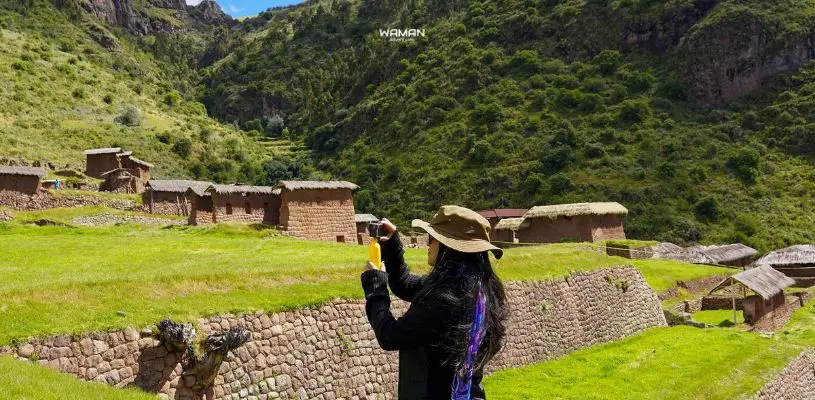
FAUNA IN HUCHUY QOSQO OR LITTLE CUSCO
The fauna in Huchuy Qosqo tour, also known as “Little Cusco,” showcases a diversity of species adapted to the different ecological zones present in the area. Some of the animal species you may encounter during your visit include:
- Tarucas: Elegant deer of Huchuy Qosqo tour, distinguished by their branched antlers, contributing to the majesty of the local wildlife.
- Condors: Majestic Andean birds soaring through the skies of Huchuy Qosqo, adding a sense of grandeur to the landscape.
- Ukuku or Spectacled Bear: The spectacled bear, native to the Andes, is the only South American bear and is currently endangered.
- Wild Cat: The wild cat, a wild feline, inhabits the Andes and is known for its agility and spotted fur.
- Llamas: Relatives of camels, these animals are domesticated in the Andes for carrying loads and producing wool. Their fur is soft and woolly.
- Alpacas: Valued for their soft wool, alpacas are Andean camelids raised by the Incas. Their fur comes in various colors.
- Skunk: Known for its distinctive stripe and chemical defense, the skunk inhabits Huchuy Qosqo, adding diversity to the local fauna.
- Hawk: Majestic in the skies of Huchuy Qosqo, the hawk stands out with its powerful flight and contributes to the biodiversity of the area.
It is important to remember that wildlife observation may vary depending on the season and environmental conditions, so it’s recommended to be attentive and respect the natural surroundings during your visit.
FLORA IN HUCHUY QOSQO OR LITTLE CUSCO
The flora along the route to Huchuy Qosqo Tour presents a diverse display of Andean vegetation. Among the plant species you can find during your visit are:
- Kantu: An emblematic flower of the Andes, brightening the landscapes of Huchuy Qosqo tour with its vibrant colors.
- Cactus: Resilient and spiny, these are part of the arid landscape that characterizes some sections of the route to Huchuy Qosqo.
- Beomelias: With their rosette-shaped leaves, these plants add color and texture to the flora of Huchuy Qosqo.
- Pisonay: A majestic Andean tree, notable for its pink flowers that adorn the flora of Huchuy Qosqo tour.
- Yanay: A beautiful Andean flower, that adds color to the flora of Huchuy Qosqo with its yellow petals.
- Cascarillas or Ouina: These are shrubs with fragrant leaves used in medicine and as flavoring agents.
- Aliso: A native Andean tree known for its sturdy wood and its contribution to the region’s biodiversity.
The flora in Huchuy Qosqo Tour enhances the scenic beauty of the region, providing a unique visual experience in harmony with the Andean natural environment.
PRACTICAL INFORMATION FOR HIKERS
Distance and Duration Between Huchuy Qosqo and Cusco
The distance between Huchuy Qosqo hike and Cusco is 50 kilometers north of Cusco. Travel time may vary depending on the route selected and the means of transportation used, but on average, the bus ride from Cusco to Lamay (the starting point to reach Huchuy Qosqo) takes about 1 hour and 30 minutes. From Lamay to Huchuy Qosqo, the hike can take 2 to 3 hours, depending on your pace and the trail conditions.
What to Wear for the Hike?
For the hike to Huchuy Qosqo, it is recommended to dress in layers to adapt to temperature changes. Consider wearing comfortable and breathable clothing, sturdy walking shoes, a hat or cap, sunscreen, a waterproof jacket, a small backpack, a water bottle, and energy snacks. Adjust your clothing according to the season and weather conditions.
What to Bring for Your Visit?
- Personal documents.
- Extra cash.
- Refillable water bottle.
- Water filter or tablets.
- Sunglasses and sunscreen.
- Insect repellent.
- Personal hygiene items.
- Comfortable walking clothes.
- Cap or hat to protect from the sun.
- Rain poncho.
- Comfortable hiking boots.
- Daypack to carry your belongings during the hike.
- Suitable sleeping bag (available for rent with us).
- Hiking poles (optional but useful – can be rented with us).
Are There Restroom Facilities at the Huchuy Qosqo Archaeological Site?
There are no restroom facilities at the Huchuy Qosqo Archaeological Site. The nearest option is in the town of Lamay. In urgent cases, it is advised to step away from the site and use nature responsibly, considering the presence of wildlife and other visitors.
RELATED ARTICLES:
- HUCHUY QOSQO, HIDDEN MARVEL
- COMPARING EXPERIENCES IN MACHU PICCHU
- CHOQUEQUIRAO VS. INCA TRAIL
- 50 FACTS YOU SHOULD KNOW ABOUT CHOQUEQUIRAO
Exploring Huchuy Qosqo is diving into the magic of Inca history and natural beauty. Don’t miss the opportunity to experience this unique adventure with Waman Adventures, your ally in authentic travel! Book your adventure now and let yourself be captivated by the wonder of Huchuy Qosqo. Get ready to discover a world full of charm and history!
Share:



Related tours you might be interested in
Enjoy unique experiences in Cusco and Machu Picchu with the peace of mind that comes from working with a local travel agency

Choquequirao to Machu Picchu Trek 7 Days | Private Service
The most epic and challenging adventure awaits! Dare to push your limits and embark on the ultimate...

02 DAY «EXPLORING» THE SACRED VALLEY AND MACHU PICCHU
CHINCHERO, MARAS AND MORAY WILL ENVELOP YOU IN THE MAGIC OF THE SACRED VALLEY. EACH EXPERIENCE WILL...

Full Day – «Exploring» Machu Picchu
MACHU PICCHU EPIC ADVENTURE TOUR FROM CUSCO This full-day option is an excellent opportunity to...

04 DAY CUSCO – SACRED VALLEY – MACHU PICCHU
DISCOVER THE MAGIC OF CUSCO, THE SERENITY OF THE SACRED VALLEY AND THE GRANDEUR OF MACHU PICCHU On...
If you liked this article and the information you found, give us 5 stars!
Table of Contents
Related blogs
Hotels in Uyuni Salt Flats Offering Star Views and Andean Charm
12 min of reading