Andean Foods in Cusco: Authentic Andean Dishes Perfect for the Mexican Taste
Ultima actualización en 18 May, 2026 por Waman Adventures
Last Updated on 18 May, 2026 by Waman Adventures
- Cultural roots of Andean Foods
- Andean dishes ideal for Mexican palate
- Sweets and beverages with Andean touch
- Unmissable markets for Andean foods
- Cultural experience beyond table
- Tips for Mexican travelers in Andes
-
Frequently Asked Questions about Andean foods
- What are most recommended Andean dishes for Mexicans trying for first time?
- Is Andean food spicy like Mexican food?
- Where can you eat authentic Andean food in Cusco or Sacred Valley?
- Is it safe to eat street food in Andes?
- How much does typical Andean food cost compared to Mexican food?
- What vegetarian options are there in Andean cuisine?
- What beverages are unmissable in Andes?
- Are Andean desserts similar to Mexican sweets?
Andean foods in Cusco are gateway to Andes culture, where each dish holds centuries of history and tradition. Dishes like ají de gallina, chairo, papa rellena, or festive chiri uchu show region’s gastronomic diversity and richness. In this blog you’ll learn about flavors you can’t miss and markets where they’re prepared daily. You’ll also discover typical desserts and beverages accompanying these Andean foods. Additionally, you’ll find useful tips so you enjoy this gastronomic experience safely and authentically.
Cultural roots of Andean Foods
Quinoa
For Incas, quinoa was sacred food. Each year rituals linked to its planting and harvest were celebrated. Thanks to its resistance to extreme climate and high nutritional value, it became food base for mountain communities for millennia. Today, when you try it, you’re not only enjoying versatile grain, but also living heritage of Andean culture.
Potato
In Peru you find hundreds of native potato varieties, adapted to different climates, soils, colors, and flavors. Potato is not only basic food on daily table, but also has ceremonial role in many Andean festivities. When you try dish made with potato in Cusco, you’ll be tasting part of agricultural diversity defining country.
Corn
Corn, known as choclo in many local varieties, is another pillar of Andean diet. It’s been used since ancestral times in different preparations: from cooked foods to fermented beverages like chicha de jora, through humitas, tamales, and stews. In Cusco you’ll see how corn continues being protagonist in both daily life and festive celebrations.


Andean dishes ideal for Mexican palate
Humitas
Humitas are prepared with fresh ground corn dough, seasoned with simple ingredients like onion, cheese, and herbs. They’re wrapped in choclo leaves and steamed or boiled. Their soft texture and light flavor make them familiar and pleasant if you’re accustomed to Mexican tamales.
Tamales
In Peru, tamales are made with corn flour or prepared dough, and filled with chicken, pork, hard boiled egg, olives, raisins, or vegetables, depending on recipe. They’re wrapped in corn leaves and can be savory or sweet. When trying them you’ll notice differences from Mexican tamales, especially in seasonings and use of chilies.
Ají de gallina
Ají de gallina is creamy stew made with shredded chicken, yellow chili paste, soaked or blended bread, evaporated milk, walnuts or pecans, cheese, and spices. It’s served accompanied by cooked yellow potatoes, white rice, hard boiled egg, and olives. It’s one of Peru’s most representative dishes and, although not spicy, has intense and unique flavor.
Expert tip:
Start trying mild dishes like choclo with cheese or quinoa soup before moving to more intense flavors.
Chairo
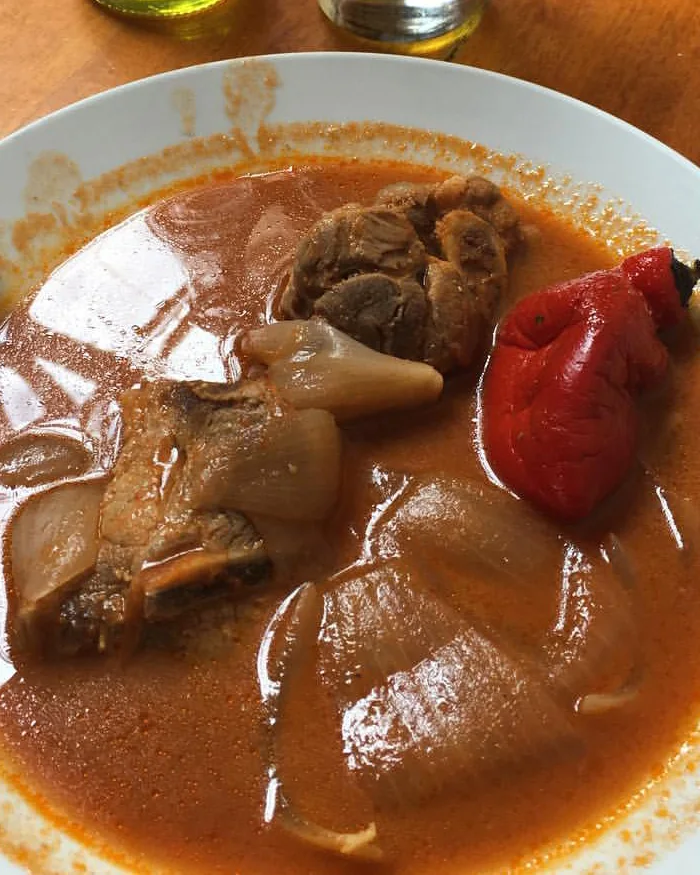
Chairo is very nutritious traditional Andean soup. It combines potatoes, chuño (dehydrated potato), lamb or beef meat, fava beans, carrot, onion, and choclo. After Spanish arrival, it was enriched with wheat and herbs brought from Europe. Result is thick and comforting soup, perfect for Cusco’s cold climate.
Choclo with cheese
Andean choclo, with large and less sweet kernels, differs from common yellow corn. Cobs are boiled or cooked and served accompanied by local fresh cheese. It’s simple, nutritious, and very popular snack you can easily enjoy at markets and fairs.
Papa rellena
Papa rellena is prepared with boiled potato purée, molded and filled with meat (or chicken), onion, spices, and sometimes hard boiled egg and olives. Then it’s fried until golden and crispy outside. It’s very common as street food, breakfast, or snack. If you come from Mexico, it may remind you of croquette or stuffed sope.


Cusco chicharrón
Chicharrón is pork meat fried in its own fat until golden and juicy. It’s served with mote (boiled corn), golden potatoes, and Creole salsa.
Chicken broth
This broth is hearty and comforting, ideal for Cusco cold. It includes large chicken pieces, potato, noodles, and aromatic herbs. Many Cusco residents prefer it as energetic breakfast, as it provides warmth and strength to start day.
Cusco adobo
Adobo is pork stew marinated in chicha de jora, ají panca, and spices. It’s cooked slowly until meat becomes tender and juice thick. Traditionally served Sunday mornings, accompanied by Cusco bread and cup of hot chicha.
Remember that:
Andean foods usually aren’t as spicy as Mexican ones; chili is offered separately in sauces.
Chiri uchu
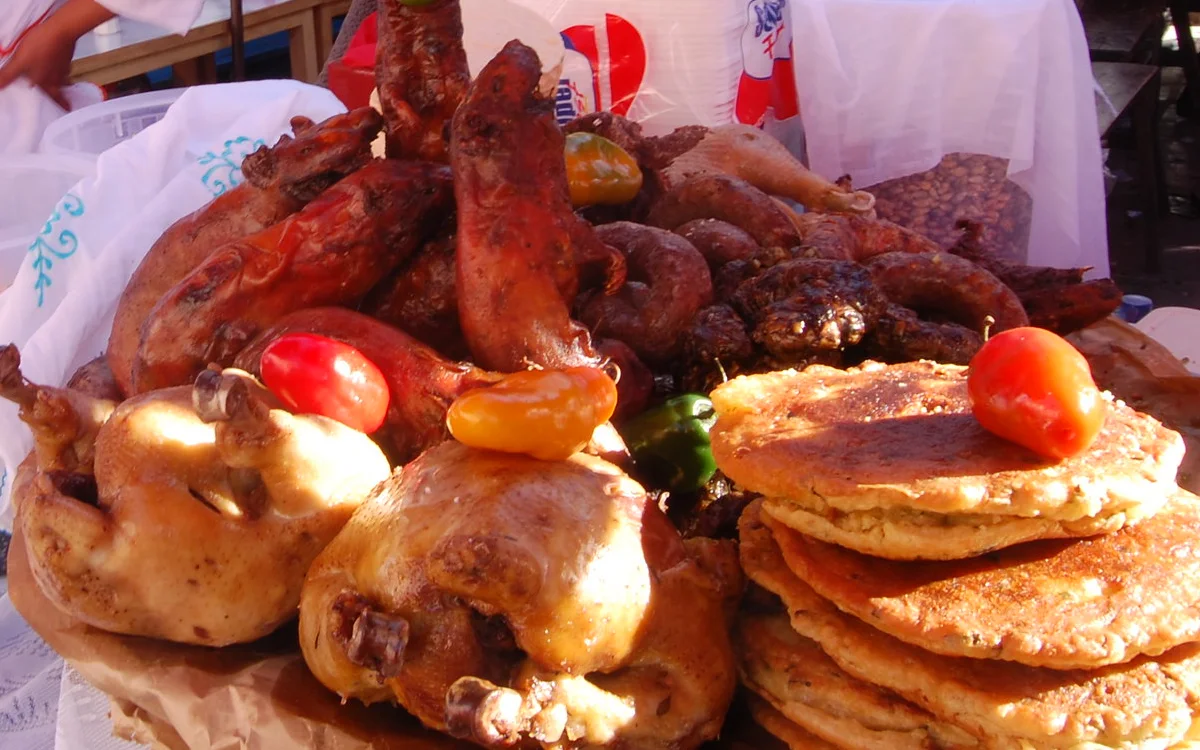
This is emblematic dish of Corpus Christi in Cusco. It’s served cold and includes mixture of ingredients: chicken, cuy, sausage, fritters, dried seaweed, cheese, toasted corn, and rocoto. It’s considered festive delicacy, full of symbolism and tradition.
Cusco stuffed rocoto
Rocoto is spicy Andean pepper stuffed with ground meat, onion, spices, and sometimes cheese. It’s baked and served accompanied by potatoes. Although spicy, you can order it with less chili to enjoy its flavor without being too strong.
Baked lechón
This dish consists of pork meat baked slowly until tender inside and crispy outside. It’s accompanied with golden potatoes, tamales, or moraya (dehydrated potato). It’s very common at celebrations and family Sundays.

Sweets and beverages with Andean touch
Desserts
Purple mazamorra
Purple mazamorra is prepared with purple corn, adding cinnamon, clove, pineapple peel, and fruits like quince or apple. It’s thickened with sweet potato or chuño flour, giving it characteristic texture. You can find it year round, but it has special role in October, during Lord of Miracles festivity, when it’s massively consumed throughout Peru.
Rice pudding
Rice pudding is very popular dessert in Cusco, served both at home and in markets and festivities. Often accompanied by purple mazamorra in same portion, known as “combinado.” If you want to try Peruvian pastry classic, this duo is excellent option.
Typical beverages
Chicha de jora
Chicha de jora has ancestral and ceremonial origin. In ancient times it was used in rituals and festivities, and even today it’s prepared artisanally in many communities. It’s made from jora corn, type of germinated and dried corn then fermented. Its flavor is slightly acidic and can contain different alcohol degrees depending on fermentation time.
Chicha morada
Chicha morada is refreshing beverage, without alcohol, made from cooked purple corn with cinnamon, clove, fruits like pineapple peel and apple, and sweetened to taste. It’s served cold and is one of Peru’s most traditional and representative beverages.
Coca tea
Coca tea is widely consumed in Cusco and other Andean regions because it helps relieve altitude sickness or “soroche” symptoms. It’s also useful as digestive after abundant meals. You’ll easily find it in markets, restaurants, and hotels.
Muña infusion
Muña is Andean herb with fresh aroma and digestive properties. Its infusion is used to relieve stomach discomfort and comfort body in cold climates. Like coca tea, it’s very common in Peruvian highlands.


Unmissable markets for Andean foods
Vinocanchón Market
Vinocanchón Market is Cusco’s main wholesale center. Here fresh products arrive from entire Sacred Valley and other nearby regions, making it key point for city’s supply. Although its main function is commercial, you can also taste several traditional dishes prepared at food stalls on site.
Rosaspata Market
Rosaspata Market is less touristy, but very crowded by locals. It’s famous for its street food section, fresh juices, and typical breakfasts. If you seek authentic and economical experience, this market is excellent option.
San Pedro Market
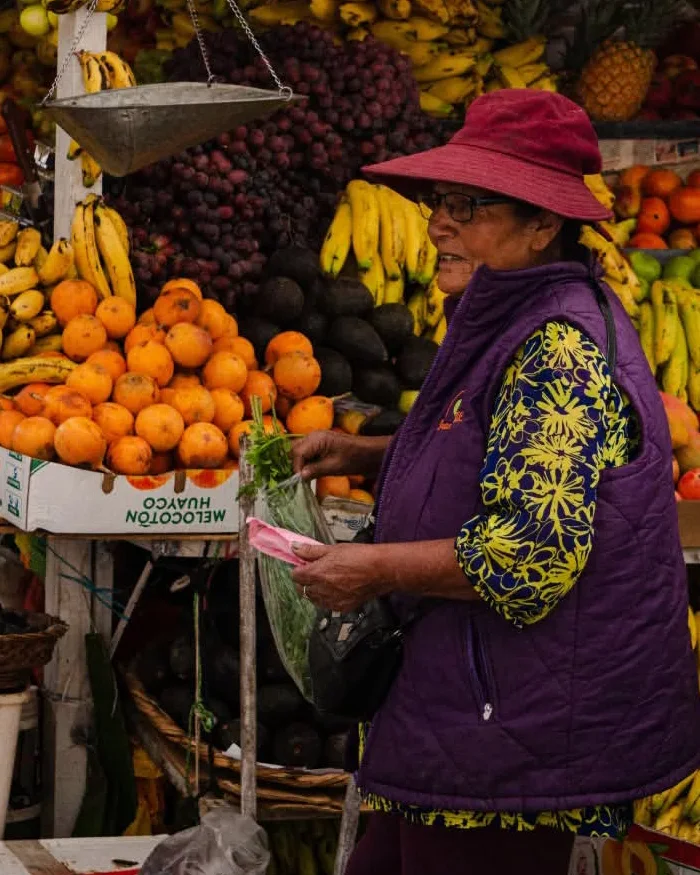
San Pedro Market is Cusco’s best known and most visited. Here you find everything from traditional breakfasts like juices, tamales, and soups, to complete lunch menus at accessible prices. Additionally, it’s excellent place to observe and buy local ingredients like native potatoes, Andean grains, fruits, spices, and medicinal herbs.

Cultural experience beyond table
- Festivities like Inti Raymi, Corpus Christi, All Saints Day, and Carnivals with traditional dishes.
- Sunday fairs in Sacred Valley towns with typical food sales.
- Use of chacra (agricultural field) as community space for cultivation and preparation.
- Tradition of ayni (collective works) accompanied by shared meals.
- Ritual breads like tantawawas on All Saints Day.
- Collective consumption of cuy chactado or baked lechón at family celebrations.
- Communal pachamanca preparation at social gatherings or rituals.
Tips for Mexican travelers in Andes
- Specific recommendations for this visitor profile.
- How to adapt to altitude and prevent digestive discomfort.
- Cultural norms: courtesy and etiquette when sharing food.
- Useful phrases in Quechua and Spanish to order and thank.
Tasting Andean food in Cusco is immersing yourself in its culture’s very essence: each market, each dish, and each festivity tell ancestral story. In this blog we provide you with essential dishes, beverages, and tips to fully enjoy your gastronomic tour. Organize your visit, discover where best local cuisine hides, and let yourself be accompanied by experts. At Waman Adventures we accompany you so your trip is safe, authentic, and full of unforgettable gastronomic experiences. Write us and begin your culinary tour through Cusco today!
Frequently Asked Questions about Andean foods
What are most recommended Andean dishes for Mexicans trying for first time?
Among safest and easiest to enjoy are choclo with cheese, papa rellena, quinoa soup, ají de gallina, and baked cuy (if you want to try something more typical).
Is Andean food spicy like Mexican food?
No. Andean gastronomy uses yellow chili, ají panca, or rocoto, but they’re not consumed in as much quantity as in Mexico. Spicy is usually used in sauces on side for accompaniment.
Where can you eat authentic Andean food in Cusco or Sacred Valley?
At local markets like San Pedro, Wanchaq, Ttio, or San Jerónimo; at family picanterías like Pachapapa or Quinta Eulalia; and also on gastronomic tours including market tours.
Is it safe to eat street food in Andes?
Yes, as long as you choose crowded stalls with good food rotation. Prefer cooked dishes like soups, broths, or grilled meats. Avoid raw salads and tap water.
How much does typical Andean food cost compared to Mexican food?
At local markets, complete meal costs between $1.60 and $3.15 (S/6 and S/12), much cheaper than eating at tourist restaurants. Special dishes like baked cuy or lechón can cost $6.60 to $13.15 (S/25 – 50).
What vegetarian options are there in Andean cuisine?
You have quinoa soup, choclo with cheese, papa rellena without meat, sweet or savory humitas, and Andean fruit juices.
What beverages are unmissable in Andes?
Most representative are chicha morada (purple corn refreshment), chicha de jora (fermented and alcoholic), coca tea, and muña infusion.
Are Andean desserts similar to Mexican sweets?
Yes, there are similarities. Rice pudding is very similar, although in Cusco it’s usually creamier and served with cinnamon. Purple mazamorra, made from purple corn and fruits, recalls Mexican fruit based desserts.

Share:




Related tours you might be interested in
Enjoy unique experiences in Cusco and Machu Picchu with the peace of mind that comes from working with a local travel agency

Tour to Chinchero, Maras & Moray – Private Service
Discover with us this beautiful, charming and historic places, where we will visit the enigmatic...

2-Day Trip to Machu Picchu from Cusco with Machu Picchu Mountain
LIVE A UNIQUE EXPERIENCE EXPLORING THE BREATHTAKING LANDSCAPES ON A 2-DAY JOURNEY TO MACHU PICCHU...
6-Day Tour Cusco, Sacred Valley, Machu Picchu and Rainbow Mountain
EXPERIENCE THE MAJESTY OF THE INCAS: SACRED VALLEY, MACHU PICCHU & RAINBOW MOUNTAIN IN ONE TRIP If...

6 Day Andean Adventures Tour│With Flights from Chile
ENJOY THE BEST OF CUSCO CITY – MUST VISIT DESTINATIONS ARE WAITING FOR YOU! Want to explore Cusco...