Uyuni Salt Flats Altitude: For travelers who want to go farther with ease
Ultima actualización en 18 May, 2026 por Waman Adventures
Last Updated on 18 May, 2026 by Waman Adventures
- What Is the Uyuni Salt Flats Altitude and How Does It Affect You?
- Effects of Altitude on the Human Body
- Altitude Comparison with Other Destinations
- How to Prepare: Tips for Acclimatizing and Taking Care of Yourself
- Why Altitude Matters Before Traveling
- What to Expect During Tours?
- Essential Equipment for Traveling at Altitude
- When to Go: Seasons According to Altitude
- What Is the Cultural Perspective on Altitude
- Space Research
- Responsible Tourism at Altitude: Safety and Respect
-
Frequently Asked Questions About the Uyuni Salt Flats Altitude
- What is the Uyuni salt flats altitude?
- How long does it take for altitude sickness to appear?
- Can I go if I have asthma or heart problems?
- Can you acclimatize quickly?
- Does the Uyuni salt flats altitude affect photography?
- Can children and seniors go?
- How do I stay hydrated and energized?
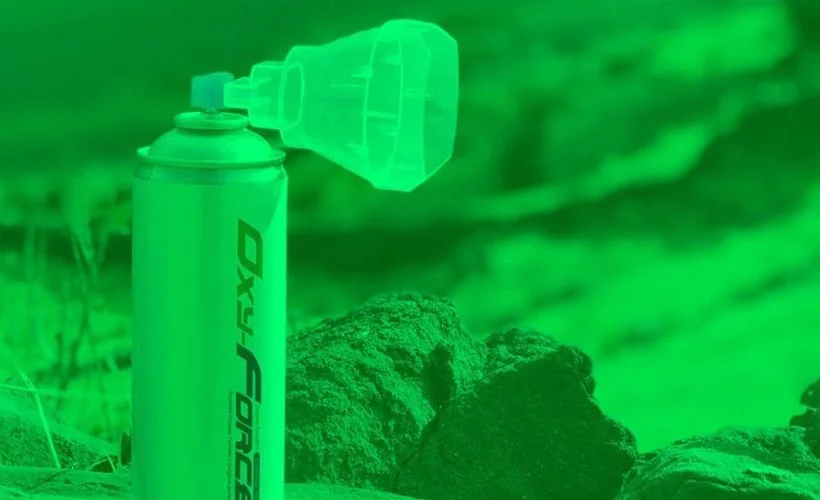
- What equipment helps with altitude discomfort?
- Will I lose appetite or weight?
- What’s the season with least difficulty due to altitude?
For your trip, it’s crucial that you understand the Uyuni salt flats altitude, because at that height your body reacts differently and you might feel out of the ordinary. If you prepare well, you’ll enjoy this adventure without complications. Stay and discover in this guide what to do before, during, and after arriving so your experience is safe and memorable.
What Is the Uyuni Salt Flats Altitude and How Does It Affect You?
At 11,995 feet (3,656 m) elevation, at this Uyuni salt flats altitude you enter an area where oxygen is much scarcer, around 40% less than at sea level.
This lack of oxygen can manifest in symptoms like:
- Dizziness
- Fatigue
- Headache
- Shortness of breath
This happens to about 20% of people who ascend to high altitudes, especially if they come from coastal areas. It’s important that you know the severity of symptoms varies for each person.
Knowing the Uyuni salt flats altitude will help you plan your trip well, prepare your body, move calmly, and take preventive measures to avoid altitude sickness and enjoy without problems.

Effects of Altitude on the Human Body
- Decreases the amount of oxygen in the blood.
- The heart usually works faster, raising your pulse.
- You may feel sleepy or have difficulty concentrating.
- In severe cases, it can lead to pulmonary or cerebral edema (but can be avoided with excellent acclimatization).
Altitude Comparison with Other Destinations
| Destination | Height Meters | Height Feet |
| La Paz, Bolivia | 3,640 | 11,942 |
| Uyuni Salt Flats, Bolivia | 3,656 | 11,995 |
| Cusco, Peru | 3,399 | 11,152 |
| Sacred Valley, Peru | 2,900 | 9,514 |
| Machu Picchu, Peru | 2,430 | 7,972 |
| Mexico City | 2,240 | 7,350 |
How to Prepare: Tips for Acclimatizing and Taking Care of Yourself

Gradual acclimatization: spend at least 2 or 3 days in cities near the salt flat like La Paz or Oruro, so your body can adjust and produce red blood cells.
Constant hydration: remember to drink 2 to 3 liters daily, avoiding alcohol and caffeine.
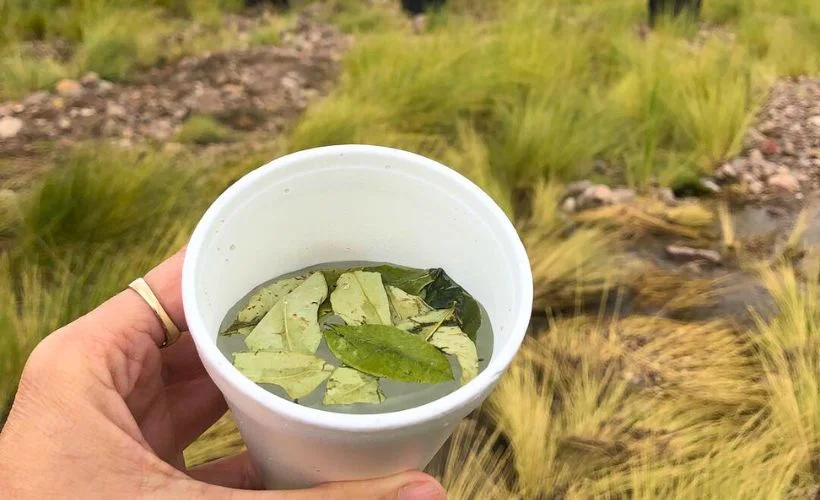
Home remedies: there are medicinal plants like muña or coca, which combat altitude sickness.
Intense efforts: when you arrive avoid overexertion, take short routes, and rest well.
Why Altitude Matters Before Traveling
When you arrive at the Uyuni Salt Flat, which is at 11,995 feet (3,656 m.a.s.l.), you enter a place where available oxygen can be up to 40% less than at sea level. This air with less oxygen can cause fatigue, headache, shortness of breath, or even altitude sickness if you’re not used to it.

The lack of oxygen can cause common altitude sickness symptoms, like tiredness, headache, difficulty breathing, or nausea. In more serious cases, it could progress to serious problems like pulmonary or cerebral edema. Therefore, knowing these effects before your trip allows you to take important precautions to avoid complications.
What to Expect During Tours?
During the tour there will be small slopes or you’ll also walk quickly, so you’ll get more tired. Professional guides know a lot about this topic, so they make frequent stops so tourists can:
- Catch their breath.
- Hydrate.
- Gradually acclimatize the body.
Remember that:
When showering or walking through town, you’ll feel your lungs working harder. After several actions, your body will ask you for a moment of pause.
Essential Equipment for Traveling at Altitude
- Thermal layered clothing plus windbreaker jacket.
- Gloves, hat, and buff to protect nose and mouth.
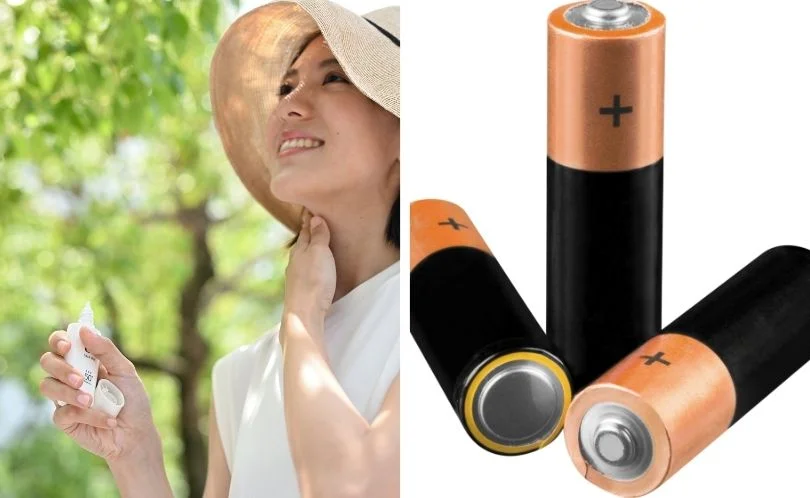
- Sunscreen and lip balm.
- Glasses with high UV filter (salt intensely reflects the sun).
- Headlamp with spare batteries.
- Oximeter (optional to measure oxygen saturation).
- Coca candies to relieve altitude discomfort.
When to Go: Seasons According to Altitude
| Season | Characteristics |
| Dry (May to October) | At night temperatures drop to 5°F (–15°C), you’ll find clear skies, dry terrain to tour, ideal for extensive tours. |
| Rainy (December to March) | You’ll have milder days, you’ll see the mirror effect, but some access points like Incahuasi Island may close. |
| Transition (April and November) | Temperatures are moderate, there’s less risk of extreme cold, and acclimatization is easier. |

Take advantage of sunsets and visit the Uyuni Salt Flat to experience an unforgettable adventure.

What Is the Cultural Perspective on Altitude
When you visit these areas, you’ll realize that the Aymara and Quechua not only manage to live here, but thrive where many people can barely breathe. Their bodies are adapted: they have more red blood cells and a heart that works more efficiently to capture oxygen with each inhalation.
Today, by custom, they practice ancient rituals like chewing coca leaves or drinking mate de coca. This is a traditional remedy they’ve used since Inca times to relieve soroche and keep metabolism balanced in high altitude areas.
Space Research
When you’re at the Uyuni Salt Flat, you should know that, due to its extremely flat surface, this place is used by satellites like ICESat and CryoSat to achieve better calibration and precision. In fact, the salt flat is more useful than the ocean for these purposes, playing an important role for space science and for better understanding the planet.
Important note:
When sunlight reflects uniformly on the salt flat, it allows instruments to make measurements with minimal margin of error. This is key for monitoring rising sea levels, polar ice melt, and global climate.
Responsible Tourism at Altitude: Safety and Respect
- Always travel with certified local operators.
- Don’t leave established routes: the salt flat is fragile and you can damage the salt crust or get trapped in brine.
- If you feel bad (nausea, dizziness, intense pain), stop the tour and rest.
Now that you know how the Uyuni salt flats altitude can affect you, prepare well and experience this adventure without setbacks. Dare to discover this unique destination with Waman Adventures, which will guide you safely and authentically so you can fully enjoy your trip. Book today!
Frequently Asked Questions About the Uyuni Salt Flats Altitude
What is the Uyuni salt flats altitude?
How long does it take for altitude sickness to appear?
Can I go if I have asthma or heart problems?
Can you acclimatize quickly?
Does the Uyuni salt flats altitude affect photography?
Can children and seniors go?
How do I stay hydrated and energized?
What equipment helps with altitude discomfort?
Will I lose appetite or weight?
What’s the season with least difficulty due to altitude?

Share:



If you liked this article and the information you found, give us 5 stars!
Table of Contents
Related blogs
THE EPIC TREK: HOW HARD IS SALKANTAY TREK?
20 min of reading
Machu Picchu with Guide or Not? A Story of Two Very Different Visits
5 min of reading
Discover the Ballestas Islands: Peru’s wild heart on The Pacific
11 min of reading