Mexico to Machu Picchu: Live an unforgettable journey through the heart of Peru.
Ultima actualización en 15 June, 2026 por Leandra
Last Updated on 15 June, 2026 by Leandra
- Travel From Mexico to Lima
- From Lima to Cusco City
- From Cusco to Machu Picchu: 3 Main Routes
- How to Buy Your Machu Picchu Tickets
- Best Time to Visit
- What to Bring on Your Trip
- Tips for Responsible and Safe Travel
-
Frequently Asked Questions
- Do I need visa to travel from Mexico to Peru?
- What’s easiest route to get from Mexico to Machu Picchu?
- How much does trip to Machu Picchu from Mexico cost approximately?
- How difficult is route to Machu Picchu?
- What’s best time to visit Machu Picchu?
- How far in advance should I buy Machu Picchu tickets?
- Can you get to Machu Picchu without tour or guide?
- Is it safe to travel to Machu Picchu independently from Mexico?
Traveling from Mexico to Machu Picchu is easier than you think. This step-by-step guide explains the entire route, from flights to Lima and Cusco to the final journey by train, trek, or bus. You’ll find route comparisons, budget advice, and recommendations tailored to your travel style. Start planning today and enjoy an unforgettable adventure to the heart of Peru.
Travel From Mexico to Lima

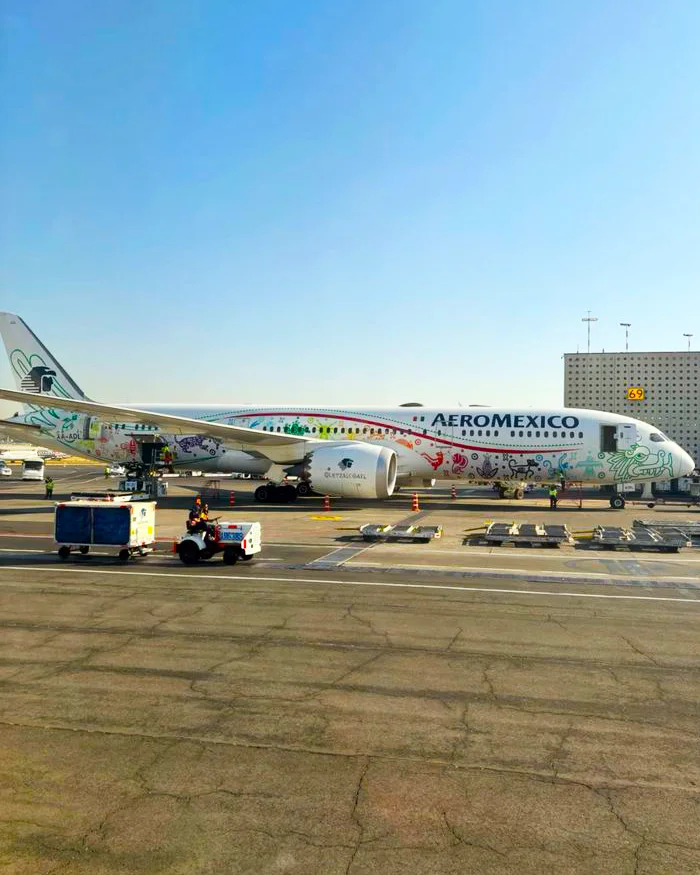
Main Departure Airports in Mexico
Flights to Peru usually depart from Mexico City (CDMX), Cancun, and Guadalajara. However, Mexico City offers better connectivity, while Cancun and Guadalajara provide additional options, depending on your place of origin.
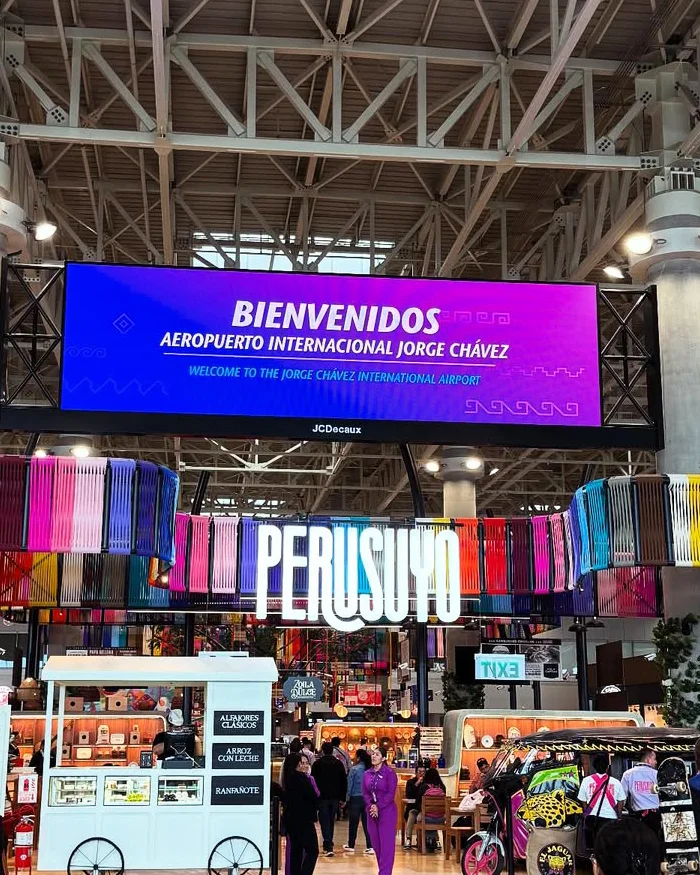
Common Arrival to Lima – Jorge Chávez Airport
Vast majority of flights from Mexico land at Jorge Chávez International Airport in Lima. This is most convenient gateway to continue your journey to Cusco or Machu Picchu.
Average Duration and Layovers
- If you take direct flight from Mexico City, trip lasts between 5 hours 35 minutes and 6 hours 10 minutes.
- If you opt for flight with layovers (for example, in Panama with Copa Airlines or in San José with Avianca), complete trip can extend up to 8 or 9 hours, depending on connection times.
Recommended Airlines
- LATAM Airlines offers shortest flights, with approximate duration of 5 hours 35 minutes.
- Aeroméxico operates direct routes of approximately 6 hours.
- Volaris, as low cost alternative, also offers nonstop flights.
Necessary Documentation
Valid passport: you need valid passport with at least 6 months validity when entering Peru. This ensures immigration authorities don’t question length of your stay.
Recommended vaccines: currently no mandatory vaccines are required to enter Peru. However, if your trip includes jungle areas, yellow fever vaccine is recommended.

Expert tip:
Avoid long layovers, as they can extend your trip up to 8 or 9 hours.
From Lima to Cusco City
Domestic Flight Options
Fastest and most popular way to reach Cusco from Lima is via direct flight, with approximate duration of 1 hour 20 minutes, covering distance of 363 miles (584 km).
Several airlines offer daily and frequent flights, among them:
- LATAM
- Sky Airline
- JetSmart
Advance Reservations Advised
During high season (May to August), flight demand increases considerably. Booking in advance allows you to access better prices and secure convenient schedules.
Ground Alternatives
More economical option is taking overnight bus from Lima to Cusco, with travel time between 21 and 22 hours. Cost usually ranges between 23 and 35 US dollars per trip.
However, this trip is long and physically demanding, so not recommended if you have little time or aren’t acclimated to altitude.
Altitude Tips
Cusco is located at over 10,826 feet (3,300 meters), so it’s important to adapt properly. For this, following is recommended:
- Rest at least one or two days before continuing to Machu Picchu.
- Hydrate well and avoid heavy meals or alcohol consumption.
- You can take sorochi pills (altitude sickness pills) or drink coca tea as natural remedy.

From Cusco to Machu Picchu: 3 Main Routes
1. Train From Ollantaytambo or Poroy
Companies and Frequencies
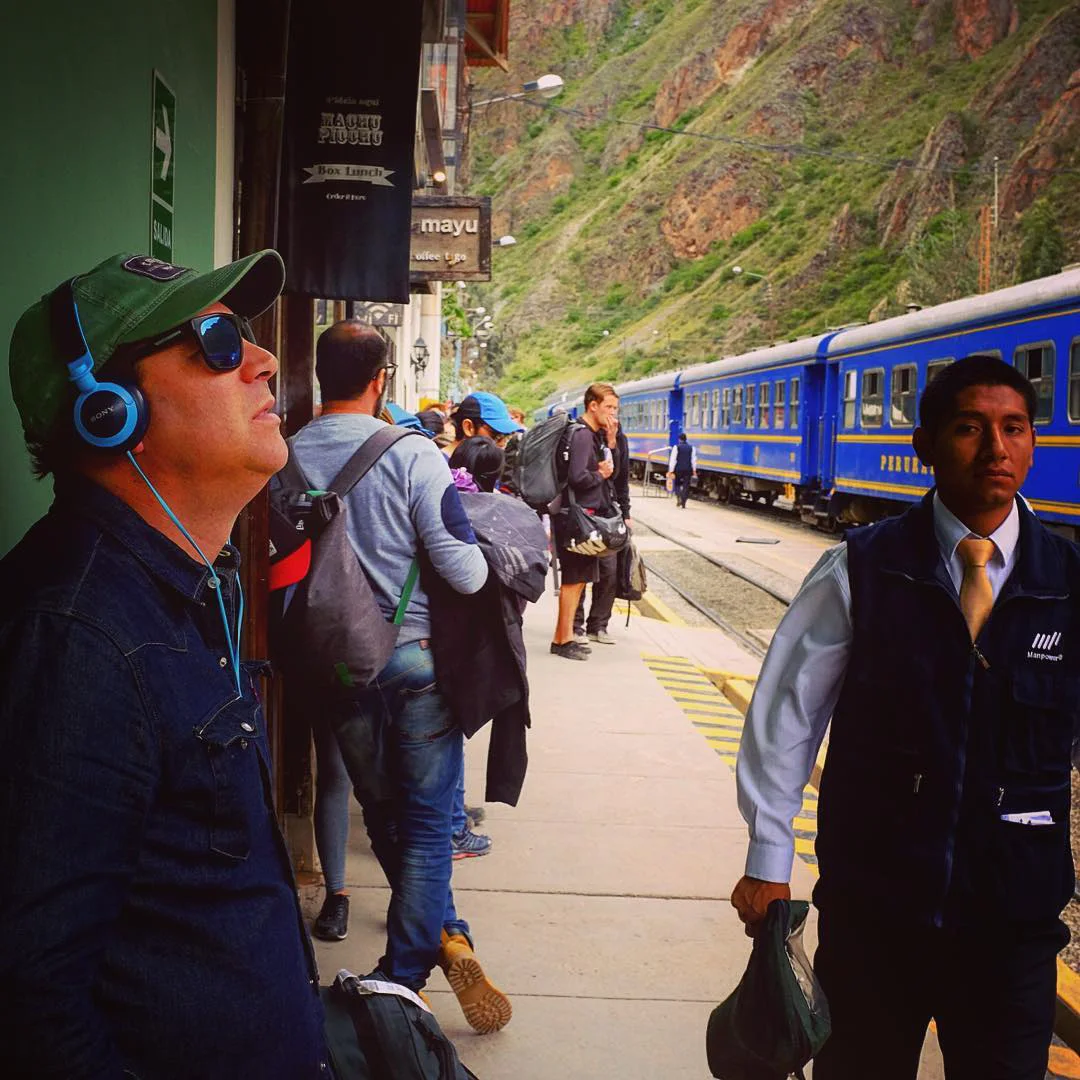
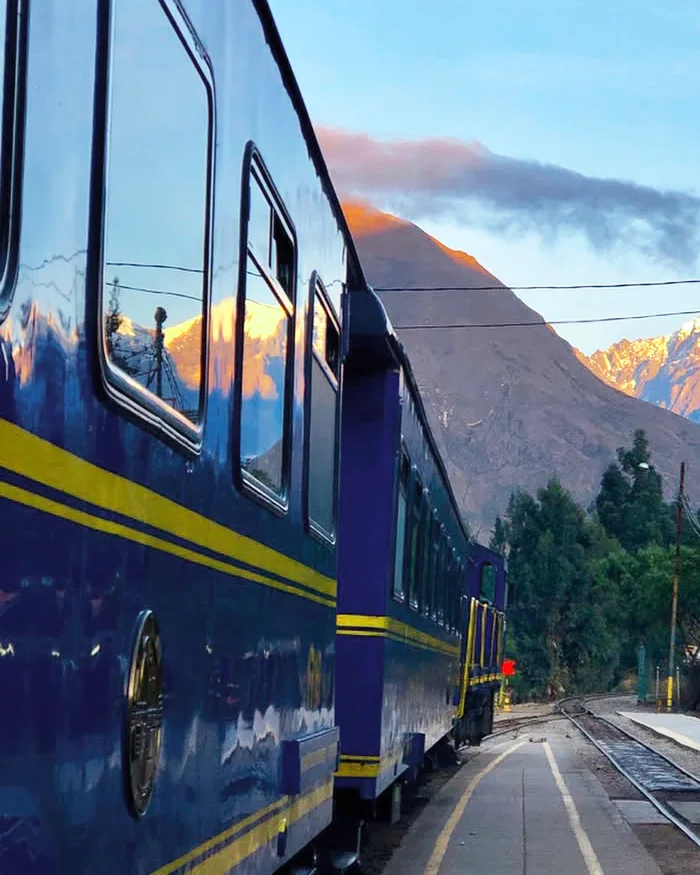
- PeruRail: offers over 23 daily departures from Ollantaytambo station.
- Inca Rail: has approximately 12 departures per day, and also offers bimodal option (bus + train), ideal if you depart from Cusco.
Available Stations
- Ollantaytambo: is main station and operates year round. Located in Sacred Valley of Incas and is most common option.
- Poroy and San Pedro (Cusco): these stations operate mainly in dry season. Keep in mind that Poroy closes during rainy season (January to April), while San Pedro has limited operations.
Duration
- If you depart from Ollantaytambo, trip to Aguas Calientes (Machu Picchu Pueblo) lasts between 1 hour 45 minutes and 2 hours.
- From Poroy, journey can last up to 3 hours 15 minutes, due to greater distance.
Rates
- You can find tickets from 55 USD in economy class.
- Luxury trains, like Hiram Bingham, can cost between 400 and 700 USD.
- If you’re looking for more economical option, Inca Rail’s Voyager train is good alternative, with rates from 63 USD.
2. Bus + Trek via Hidroeléctrica
This route combines ground journey from Cusco to Hidroeléctrica station, with approximate duration of 6 to 7 hours, depending on type of transport you choose. Then, you must do 2 to 3 hour trek following train tracks until reaching Aguas Calientes (Machu Picchu Pueblo).
It’s more economical and adventurous option, ideal if you’re looking to save money while enjoying natural landscape of Peruvian high jungle.
3. Organized Treks (Trekking)
Classic Inca Trail
- If you choose this route, you’ll walk for 4 days and 3 nights. You’ll pass through important archaeological sites and famous “Dead Woman’s Pass”, until reaching Machu Picchu through Sun Gate. It’s most emblematic route and must be reserved several months in advance, as it has limited daily quotas.
Salkantay Trek
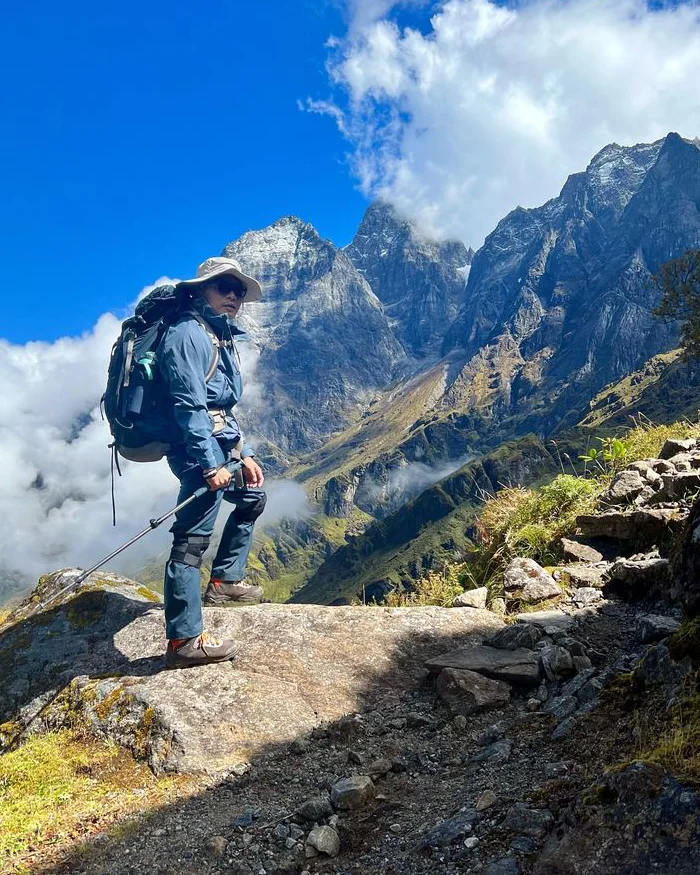
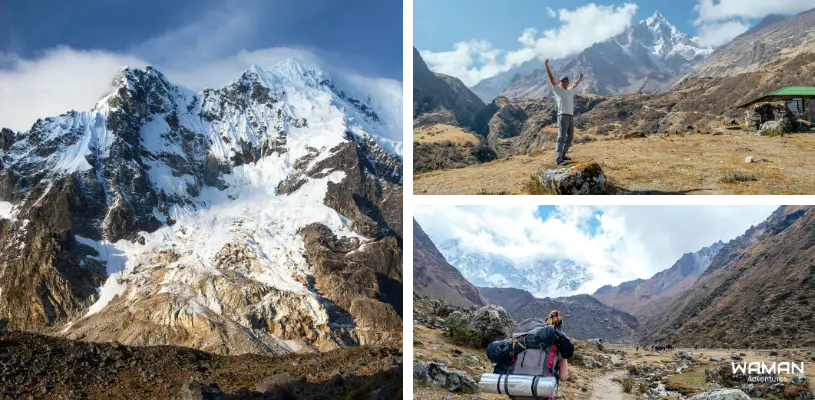
- This is more demanding route, of 5 days and approximately 50 miles (80 kilometers) of travel. You’ll cross spectacular landscapes like Humantay lagoon and Abra Salkantay, at over 13,123 feet (4,000 meters) altitude. It’s ideal if you’re looking for challenging and less traveled alternative than traditional Inca Trail.
Lares Trek
- With duration of 2 to 4 days, this trek is more physically accessible. It focuses on cultural aspect, as you cross traditional Andean villages where you can know local customs, observe handmade textiles, and enjoy panoramic views from altitudes up to 14,436 feet (4,400 meters). It’s perfect if you’re interested in contact with local communities and prefer less touristy experience.

Did you know…?
Inca Trail only allows 500 daily visitors between tourists and visitors. That’s why it’s essential to book well in advance.
How to Buy Your Machu Picchu Tickets
Where to Buy Machu Picchu Tickets
Only official and secure platform to buy Machu Picchu tickets is Peru’s Ministry of Culture: tuboleto.cultura.pe
You can also make purchase through authorized travel agency, especially if you prefer them to handle organizing your complete itinerary and managing all necessary reservations, like transportation, guide, and accommodation.
Sales Opening Dates
Ministry of Culture publishes monthly schedule for advance ticket sales. I recommend frequently checking official channels to know when sales will open for period you plan to travel.
Ticket Cost
Machu Picchu entrance ($40 ≈ 152 soles).
Bus Aguas Calientes–Machu Picchu (12 USD per trip).
Types of Tickets and Available Circuits
| Circuits | Routes |
| Circuit 1 | Route 1-A: Machupicchu Mountain Route |
| Route 1-B: Upper Terrace Route | |
| Route 1-C: Intipunku Gate Route (available only in High Season) | |
| Route 1-D: Inka Bridge Route (available only in High Season) | |
| Circuit 2 | Route 2-A: Designed Route |
| Route 2-B: Lower Terrace Route | |
| Circuit 3 | Route 3-A: Waynapicchu Mountain Route |
| Route 3-B: Designed Route | |
| Route 3-C: Great Cavern Route (available only in High Season) | |
| Route 3-D: Huchuypicchu Route (available only in High Season) |
Best Time to Visit
Dry Season (April–October)
Dry season runs from April to October, with stable weather, clear skies, and ideal conditions for trekking.
Advantages
- You’ll enjoy better panoramic views.
- Trails are fully enabled, including Inca Trail.
- It’s best time to climb Huayna Picchu or Machu Picchu Mountain, as terrain conditions are safer and drier.
Disadvantages
- There’s greater tourist influx, especially in June, July, and August.
- Prices are usually higher for flights, accommodation, and tickets.
- You need to book well in advance, especially if you want to do Inca Trail or visit on key dates.

Rainy Season (November–March)
During rainy season, running from November to March, precipitation is frequent, especially in December, January, and February.
Advantages
- There are fewer tourists, allowing you to enjoy site with greater tranquility.
- Prices are usually lower for accommodation, flights, and tours.
- Landscape becomes intensely green, with more alive and spectacular vegetation.
Disadvantages
- Some routes may suffer temporary closures, like Inca Trail, which remains closed throughout February for maintenance and safety.
- Rains can affect visibility and cause transportation delays.
What to Bring on Your Trip
- Layered clothing for variable weather, raincoat, and sun protection.
- Comfortable walking shoes.
- Reusable water bottle, healthy snacks, and hat.
- Altitude sickness medication (sorochi pills or coca tea).
- Camera and digital and physical copies of important documents.
Tips for Responsible and Safe Travel
- Don’t leave trash or remove objects from archaeological site.
- Hire certified local guides for more informative and ethical visit.
- Respect signage and rules inside Machu Picchu.
Knowing how to get from Mexico to Machu Picchu is fundamental for your experience immersing you among Andean landscapes, millenary history, and living culture. If you’re ready to plan your visit, make sure to organize your transfers, tickets, and schedules well. And if you’re looking for personalized support, Waman Adventures can help you make this dream reality. Write us at +51 979 858 544 and let us guide you at each step so you only worry about enjoying. Machu Picchu awaits you!
Frequently Asked Questions
Do I need visa to travel from Mexico to Peru?
No, as Mexican citizen you don’t need visa to enter Peru as tourist, as long as you have valid ordinary passport. You can stay up to 183 days as tourist.
What’s easiest route to get from Mexico to Machu Picchu?
- Mexico to Lima: ideal is taking direct international flight or with layover.
- Lima to Cusco: most practical is domestic flight.
- Cusco to Machu Picchu:
Common option: train from Ollantaytambo to Aguas Calientes.
Alternative: multi day trekking (like Inca Trail or Salkantay). - Finally, from Aguas Calientes you take bus or do short trek to Machu Picchu.
How much does trip to Machu Picchu from Mexico cost approximately?
On average, basic trip costs between 800 and 1,500 USD, including flights, tickets, accommodation, and internal transportation. Cost varies according to travel style and season.
How difficult is route to Machu Picchu?
- Tourist route (train + bus): it’s accessible and comfortable for most people; you don’t need special physical condition.
- Alternative treks: require better physical condition. For example, Inca Trail or Lares Trek are demanding treks and need good physical state.
What’s best time to visit Machu Picchu?
- Dry season (April–October): ideal weather, clear skies, perfect for photos and treks.
- Rainy season (November–March): there are fewer tourists and better prices, but more rains.
How far in advance should I buy Machu Picchu tickets?
It’s recommended to buy tickets 1 to 2 months in advance, especially for high season (May to September), as daily quotas are limited.
Can you get to Machu Picchu without tour or guide?
Getting from Mexico to Machu Picchu, you can do it on your own. However, having certified guide makes experience more enriching and helps you respect site rules. Additionally, guide is mandatory if you do Inca Trail.
Is it safe to travel to Machu Picchu independently from Mexico?
Yes, it’s safe as long as you use formal services, follow established tourist routes, and take basic precautions of any international trip. Tourist infrastructure in Cusco and Machu Picchu is well developed for independent visitors.

Share:



If you liked this article and the information you found, give us 5 stars!
Table of Contents
Related blogs