Best Way to Get to Machu Picchu — Which Route Fits Your Trip?
Ultima actualización en 21 September, 2026 por Jhon Quispe
Last Updated on 21 September, 2026 by Jhon Quispe
How Do You Get to Machu Picchu From Cusco?
The easiest way to get to Machu Picchu is to reach Cusco, continue to a train station such as Ollantaytambo, take the train to Machu Picchu Pueblo (Aguas Calientes), and then ride the shuttle bus about 25–30 minutes to the archaeological entrance. A lower-cost alternative goes by road to Hidroelectrica and continues on foot to town, while the Inca Trail and other multi-day treks are options for hikers. Book your Machu Picchu entrance first, then coordinate the train and shuttle around your entry time.
- Ways to get to Machu Picchu at a glance
- How Machu Picchu access works
- Start from Cusco or the Sacred Valley
- Get to Machu Picchu by train
- Reach Machu Picchu via Hidroelectrica
- Trek to Machu Picchu
- From Machu Picchu Pueblo to the archaeological entrance
- Choose the best way to get to Machu Picchu
- Book your Machu Picchu trip in the right order
- Common Machu Picchu transport planning mistakes
-
Frequently asked questions about getting to Machu Picchu
- What is the easiest way to get to Machu Picchu?
- What is the fastest way to get to Machu Picchu?
- How long does it take to get from Cusco to Machu Picchu?
- Is there a direct train from Cusco to Machu Picchu?
- What is the cheapest way to get to Machu Picchu?
- Can you reach Machu Picchu without taking a train?
- Can you get from Lima to Machu Picchu in one day?
For most travelers, the easiest route is Cusco or the Sacred Valley → train to Machu Picchu Pueblo → 25–30 minute shuttle to the archaeological entrance. Lower-budget travelers can travel by road to Hidroelectrica and continue on foot or by train, while trekking options include the Inca Trail and alternative routes. There is no public road that goes directly from Cusco to Machu Picchu Pueblo or the archaeological entrance.
The key planning detail is that getting to Machu Picchu usually involves two different arrival points. First you reach Machu Picchu Pueblo, also called Aguas Calientes; then you travel up to the archaeological entrance. The regulated Inca Trail is the main exception because it approaches Machu Picchu through the protected historic trail network.

Ways to get to Machu Picchu at a glance
| Route | Typical sequence | Time or commitment | Best fit |
| Train | Cusco / Sacred Valley → train → Machu Picchu Pueblo → shuttle | Several hours depending on departure point and whether the service is rail-only or bimodal | Most first-time visitors and shorter itineraries |
| Hidroelectrica | Cusco → road to Hidroelectrica → walk or train → Machu Picchu Pueblo → shuttle | Long road journey plus about 2–3 hours walking if you continue on foot | Lower-budget travelers with more time |
| Inca Trail | Protected Inca Trail network → Machu Picchu | Usually 2 days for the Short route or 4+ days for the Classic route | Historic trekking experience and archaeological trail |
| Alternative trek | Salkantay / Lares / Inca Jungle → connection toward Machu Picchu Pueblo → Machu Picchu | Several trekking days depending on the route | Mountain scenery, culture or adventure before Machu Picchu |
How Machu Picchu access works
Machu Picchu sits at approximately 7,970 ft (2,430 m) in the Cusco region, while Cusco itself is considerably higher at about 11,150 ft (3,400 m).
The archaeological site and Machu Picchu Pueblo are not the same place. Machu Picchu Pueblo lies below the sanctuary and functions as the main transport hub. Trains terminate there, hotels and restaurants are concentrated there, and the shuttle buses leave from town for the archaeological entrance.
The road-based alternative is also different from a direct road connection. Vehicles reach Hidroelectrica rather than Machu Picchu Pueblo, so travelers must complete another stage on foot or by train.
Once you reach Machu Picchu Pueblo, you still need to account for the shuttle ride or uphill pedestrian route before the entry time printed on your Machu Picchu ticket.

Your transport schedule must leave enough time to reach the entrance.
Start from Cusco or the Sacred Valley
Most journeys to Machu Picchu begin operationally in Cusco or the Sacred Valley. You do not need to sleep in central Cusco immediately before visiting Machu Picchu; Ollantaytambo can be more practical when an early train departure fits your itinerary better.
From Lima to Cusco
There is no direct transport link from Lima to Machu Picchu. Travelers coming from Lima first need to reach Cusco or the Sacred Valley before connecting with the train, road route or trek.
- Flight: typically around 1 hour 20 minutes to 1 hour 30 minutes in the air, depending on the service and operating conditions.
- Bus: generally around 20–24 hours depending on the route, operator and road conditions.
If you arrive in Cusco directly from low elevation, avoid assuming that the first day will feel the same as a day at sea level. This is especially important if your Machu Picchu plan includes a demanding high-altitude trek.

Cusco is the principal transport base for most Machu Picchu journeys.
Get to Machu Picchu by train
The train is the most practical option for many first-time travelers because it avoids the long Hidroelectrica road journey and does not require several days of trekking.
PeruRail and Inca Rail operate services toward Machu Picchu Pueblo, but the exact departure point and whether the journey uses a direct rail segment or a combined road-and-rail service depend on the date and ticket purchased.
From Cusco
A ticket marketed as a Cusco–Machu Picchu journey does not necessarily mean one uninterrupted train from central Cusco to Aguas Calientes.
PeruRail’s 2026 schedules include bimodal services from Wanchaq that combine a road transfer with the railway. Current examples take approximately 4 hours 5 minutes to 4 hours 20 minutes from Wanchaq to Machu Picchu Pueblo, depending on the departure.
Other services and seasonal arrangements can use stations farther along the route. Read the origin, transfer point and arrival time shown on the exact ticket you intend to buy.
From Ollantaytambo
Ollantaytambo is one of the most useful departure points because it already lies inside the Sacred Valley and offers frequent rail connections toward Machu Picchu Pueblo.
Current 2026 PeruRail schedules show many journeys taking roughly 1 hour 20 minutes to 2 hours, depending on the selected service. One early Expedition service, for example, is scheduled at approximately 1 hour 32 minutes.
Because timetables can change, check the current official PeruRail schedule for your travel date.
For station choices, luggage policies and train categories, use the train to Machu Picchu guide.

Rail and bimodal services connect several departure points with Machu Picchu Pueblo.
Important note:
Confirm your Machu Picchu entrance before locking in nonrefundable transport. The route, date and entry time determine which train schedule gives you enough margin to reach the archaeological entrance.
Reach Machu Picchu via Hidroelectrica
The Hidroelectrica route is a lower-cost alternative to the standard tourist-train journey, but it requires considerably more travel time.
Vehicles travel from Cusco through the Santa María and Santa Teresa area toward Hidroelectrica. Road duration varies with weather, traffic and current conditions.
From Hidroelectrica, travelers can continue toward Machu Picchu Pueblo on foot along the rail corridor or use an available railway connection. The walk commonly takes around 2–3 hours, depending on pace and the exact starting point.
Can you drive directly to Machu Picchu?
No. There is no public road that allows a traveler to drive directly from Cusco into Machu Picchu Pueblo or to the archaeological entrance.
The overland route ends at Hidroelectrica. From there, you still need to reach Machu Picchu Pueblo on foot or by train and then continue toward the archaeological site.
Because this option combines a long road transfer with another travel stage, it generally works better when your itinerary includes enough time for an overnight stay rather than a tightly scheduled one-day visit.

The Hidroelectrica route combines a long road transfer with another travel stage.
Trek to Machu Picchu
Trekking is another way to reach Machu Picchu, but the routes do not all approach the archaeological site in the same way.
Inca Trail
The Classic and Short Inca Trail use the regulated historic trail network. Access is capacity-controlled and requires advance planning, especially for fixed travel dates.
The Classic route normally takes several days, while the Short Inca Trail uses the final section of the protected network in a shorter itinerary. Unlike most alternative treks, these routes approach Machu Picchu through the historic Inca Trail system.

Machu Picchu is one of the wonders of the world and a dream destination for millions of people
Alternative treks
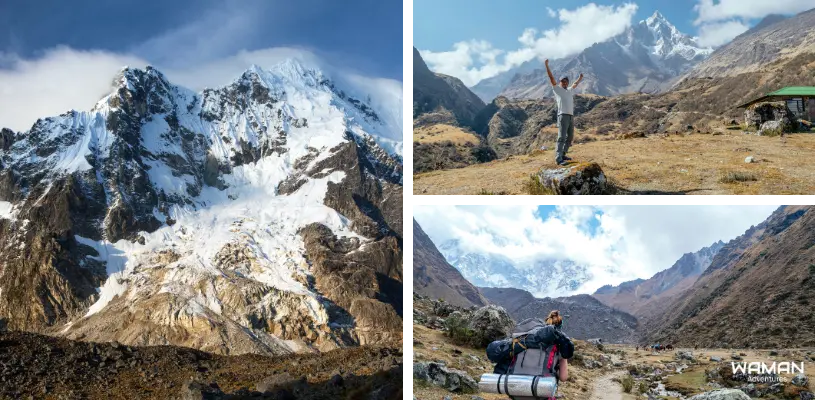
Salkantay, Lares and Inca Jungle provide different mountain, cultural and adventure experiences, but they normally connect with Machu Picchu through Machu Picchu Pueblo or another transport segment rather than following the same final approach as the regulated Inca Trail.
Because their duration, altitude and physical demand differ substantially, compare them in the Machu Picchu trek comparison instead of treating every trek as an interchangeable route to the same destination.
From Machu Picchu Pueblo to the archaeological entrance
Reaching Aguas Calientes is not the final transport step. From town, you can continue to the archaeological entrance by shuttle bus or on foot.
Shuttle bus
The shuttle journey normally takes around 25–30 minutes along the Hiram Bingham road.
Boarding, ticketing and operator arrangements have changed during the recent transport transition, so avoid relying on an old company name, sales platform or boarding procedure without checking current information.
For current boarding instructions, fares and operator details, use the Aguas Calientes to Machu Picchu bus guide.

Shuttle buses connect Machu Picchu Pueblo with the archaeological entrance.
Walk to the entrance
The pedestrian route is a sustained uphill climb with numerous steps. A typical ascent takes around 1.5–2 hours, depending on fitness, weather and pace.
Walking avoids the shuttle fare, but it also uses energy before the archaeological visit. If your entrance ticket includes a demanding mountain route or your schedule is tight, consider whether the climb fits the rest of your day.
Choose the best way to get to Machu Picchu
| Your priority | Route to consider |
| First visit with straightforward logistics | Train + shuttle bus |
| Limited time | Train + shuttle with carefully matched schedules |
| Lower transport budget | Hidroelectrica + walk, ideally with enough time for an overnight stay |
| Historic Inca trekking route | Classic or Short Inca Trail |
| High-mountain scenery | Salkantay Trek |
| Community-focused trekking | Lares Trek |
| Adventure activities | Inca Jungle |
| Saving energy before the archaeological visit | Train + shuttle bus |
There is no single route that is best for every traveler. The useful comparison is between time, physical effort, budget and the type of journey you want before arriving at Machu Picchu.

El puente Inka es un destino poco conocido, pero con un vista increíble del lugar y una historia por detrás.
Book your Machu Picchu trip in the right order
Machu Picchu currently uses 3 visitor circuits grouping 10 routes, with some routes available only during the high season. Your entrance therefore affects much more than the final hour of the trip: it determines the date, entry time and archaeological route that the rest of your transport must support.
| Step | Book or confirm | Why |
| 1 | Machu Picchu entrance | Fixes the visit date, route and entry time |
| 2 | Train or trek | Must deliver you with enough time for the confirmed entrance |
| 3 | Final shuttle or walking plan | Determines how you reach the archaeological gate from town |
| 4 | Hotel, guide and transfers | These are easier to coordinate once the core timing is fixed |
Online Machu Picchu tickets are sold through Peru’s official TuBoleto platform. Review the current official circuits and routes before choosing an entrance.
For route-specific ticket details, use the Machu Picchu entrance ticket guide. For the complete reservation sequence, use the Machu Picchu booking checklist.
Weather can affect trekking conditions, the Hidroelectrica road and visibility. If seasonal conditions will determine your dates, review the best time to visit Machu Picchu rather than expanding the weather decision inside this transport guide.
Common Machu Picchu transport planning mistakes
- Booking the train before confirming the entrance: your Machu Picchu date, route and entry time should normally determine the transport schedule.
- Looking for a direct bus from Cusco to Machu Picchu: public road transport does not continue directly into Machu Picchu Pueblo or the archaeological entrance.
- Assuming “Cusco train” means one fixed station: some journeys use bimodal bus-and-train service or departure points farther into the Sacred Valley.
- Using the old four-circuit system: the current official visitor structure has 3 circuits grouping 10 routes.
- Leaving no margin after the train: arriving in Machu Picchu Pueblo is not the same as arriving at the archaeological gate.
- Treating Hidroelectrica as a direct car route: the journey still requires a walk or railway connection after the road section ends.
- Using old shuttle-bus instructions: confirm the current operator, ticketing process and boarding information before travel.
Frequently asked questions about getting to Machu Picchu
What is the easiest way to get to Machu Picchu?
What is the fastest way to get to Machu Picchu?
How long does it take to get from Cusco to Machu Picchu?
Is there a direct train from Cusco to Machu Picchu?
What is the cheapest way to get to Machu Picchu?
Can you reach Machu Picchu without taking a train?
Can you get from Lima to Machu Picchu in one day?
Share:



Related tours you might be interested in
Enjoy unique experiences in Cusco and Machu Picchu with the peace of mind that comes from working with a local travel agency

02 DAY «EXPLORING» THE SACRED VALLEY AND MACHU PICCHU
CHINCHERO, MARAS AND MORAY WILL ENVELOP YOU IN THE MAGIC OF THE SACRED VALLEY. EACH EXPERIENCE WILL...

Full Day – «Exploring» Machu Picchu
MACHU PICCHU EPIC ADVENTURE TOUR FROM CUSCO This full-day option is an excellent opportunity to...

04 DAY CUSCO – SACRED VALLEY – MACHU PICCHU
DISCOVER THE MAGIC OF CUSCO, THE SERENITY OF THE SACRED VALLEY AND THE GRANDEUR OF MACHU PICCHU On...

10 Days Andean Dreamscapes – Lima, Ica, Cusco & Puno with Local Flights
YOUR NEXT DESTINATION IS PERU, THE LAND OF FASCINATING STORIES AND OUTSTANDING LANDSCAPES! With our...
If you liked this article and the information you found, give us 5 stars!
Table of Contents
Related blogs