Planning a Trip to Peru? Avoid Costly Booking Mistakes
Ultima actualización en 3 November, 2026 por Jhon Quispe
Last Updated on 3 November, 2026 by Jhon Quispe
How do you plan a trip to Peru from the US?
Start by choosing your must-see destinations and counting the days you will actually spend in Peru. Then select travel dates, check entry requirements, plan for altitude, estimate your total budget and coordinate flights with fixed experiences such as Machu Picchu. Confirm the essential bookings before filling your remaining days with activities.
- Match your priorities to your available days
- Choose dates around your main experience
- Set your budget before comparing itineraries
- Check entry requirements for your passport
- Build your route around travel time and altitude
- Coordinate fixed bookings before flexible activities
- Choose how much planning support you need
-
Frequently asked questions about Planning a Trip to Peru
- Should I book a hotel for the night before an early-morning arrival?
- Can I leave my main suitcase behind during a short excursion?
- What should I ask about an English-speaking guide?
- How can travelers with different activity levels share a Peru trip?
- What should solo travelers check in a Peru package quote?
- What happens if part of my Peru itinerary changes after payment?
- Can I add extra nights before or after a guided Peru tour?
Planning a trip to Peru can get complicated when every place on your wish list seems worth adding. Before a flight deal sets your dates, consider how much of your vacation you want to spend exploring and how much you are willing to spend getting from one place to the next.
Match your priorities to your available days
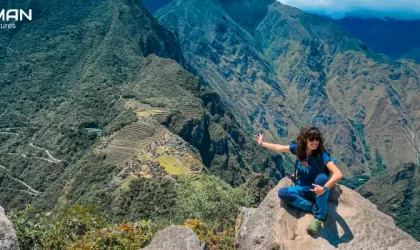
Choose the experience you would most regret missing, then build your trip around it. For a first visit focused on Inca history, Lima, Cusco, the Sacred Valley and Machu Picchu make a practical starting shortlist.
- Inca history and archaeology: Focus on Cusco, the Sacred Valley and Machu Picchu.
- Hiking and mountain scenery: Choose your main trek before adding other stops, allowing time to adjust to the altitude.
- Food and city experiences: Give Lima and Cusco time beyond airport transfers and hotel check-ins.
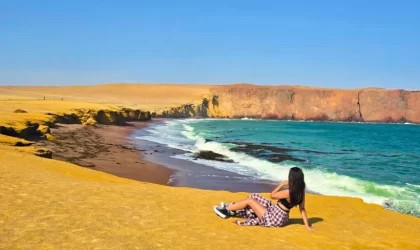
- Desert and coastal landscapes: Consider Paracas and Huacachina if the additional travel fits your schedule.
- Wildlife and nature: Allow a separate part of your trip for the Amazon rather than treating it as a quick detour.
Count your nights in Peru and check your arrival and departure times. The following durations are planning suggestions, not fixed itineraries or guaranteed minimums.
| Usable time in Peru | Practical starting scope | Main consideration |
| About 7 days | Lima and the Cusco region, with Machu Picchu as the priority. | Keep additional regions for another trip if they leave too little time at your main stops. |
| About 10 days | The same route at a more relaxed pace, or one additional stop if connections work. | Extra days can mean more time in each place, not necessarily more destinations. |
| About 14 days | A core route plus another region or a multiday trek. | Include transfer days, rest and preparation when deciding what fits. |
You can explore tours by region in Peru once you have a shortlist of places you want to visit.
Pro tip:
If you are traveling with others, compare one must-do experience and one activity you would happily skip before choosing the route.
Choose dates around your main experience
Check seasonal conditions and availability for your priority activity before committing to a travel window. A cheaper flight may not save you money if your preferred trek or Machu Picchu visit cannot fit those dates.

For a trip centered on the Inca citadel, use our guide to the best time to visit Machu Picchu to compare weather and visitor considerations. For a multiday trek, also check operating dates, permit availability and physical requirements.
Peru’s coast, Andes and Amazon do not share one weather pattern. If your trip combines regions, check conditions in each rather than choosing dates based only on Cusco.
Set your budget before comparing itineraries
Estimate the whole trip in US dollars, separating international airfare from expenses within Peru. This makes it easier to compare a guided package with arrangements you book yourself.
- Flights and transportation: International and domestic flights, ground transfers, trains and baggage charges.
- Accommodation: All hotel nights, including any extra arrival or departure stay and applicable single-room supplements.
- Activities: Tours, guides, admission tickets and optional excursions.
- Daily spending: Meals not included in reservations, tips and personal purchases.
- Insurance and contingency funds: Appropriate coverage and a reserve for unexpected changes.
Compare quotes for the same dates, room arrangement and service level. Ask which flight sectors, hotels, meals, tickets and transfers are included; do not assume international flights are part of the price.
Pro tip:
Use the final written quote when comparing options. A lower starting price may exclude services you still need to book separately.
For insurance, check whether your planned activities and elevations are covered, including medical evacuation and trip interruption where relevant.
Check entry requirements for your passport
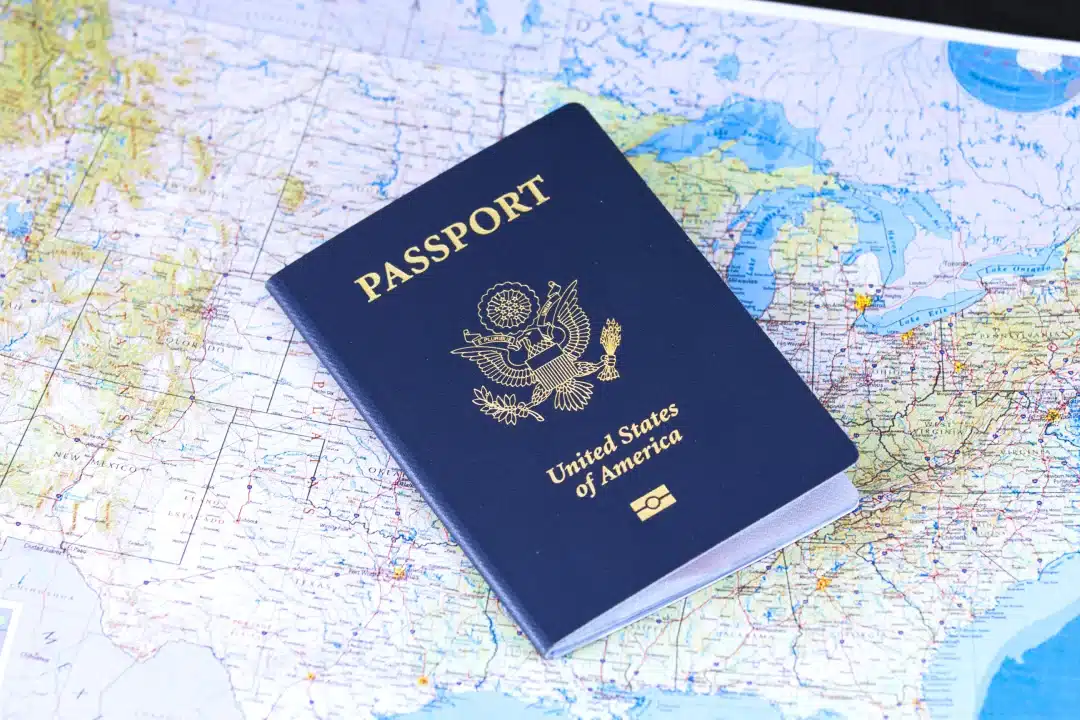
US citizens traveling on a regular passport generally do not need a tourist visa for stays of 90 days or less. The US Department of State lists at least six months of passport validity from the date of entry and one blank visa page as requirements.
Check the official US Department of State information for Peru before booking and again before departure. Review both entry conditions and the current travel advisory, and confirm the length of stay authorized by immigration when you arrive.
Important note:
Entry requirements depend on your passport nationality, not where you live. US residents traveling with another country’s passport should check the rules for that nationality.
Build your route around travel time and altitude
Arrange your chosen destinations in an order that limits backtracking. For every move, check where you will sleep, how you will get there and how much of the day remains after travel. An extra destination may require another flight, a long drive or an additional hotel night.
For a Lima, Cusco, Sacred Valley and Machu Picchu trip, the order of overnight stops should reflect your flight times, reservations and altitude considerations. There is no single sequence that suits every traveler.
Keep your first days at altitude flexible
Cusco sits at approximately 11,150 feet (3,400 m), while the archaeological site of Machu Picchu is around 7,970 feet (2,430 m). Consider the elevation where you will sleep as well as the places you will visit during the day.
The CDC recommends gradual ascent and avoiding heavy exercise and alcohol for at least the first 48 hours after arriving above 8,000 feet (2,440 m). Keep arrival activities light and allow time before demanding treks or high-altitude excursions.
Read the CDC guidance on high-altitude travel and discuss your route with a healthcare professional if you have relevant medical conditions, previous altitude illness or limited time for gradual ascent.
Important note:
A quiet first day does not guarantee protection from altitude illness. Being physically fit does not remove the risk.
Coordinate fixed bookings before flexible activities
Machu Picchu admission, trek permits and scheduled tour departures can determine the rest of your itinerary. Check how these reservations fit together before paying for individual services.
- Check your priority experience. Compare possible dates with admission, permit or departure availability.
- Confirm the route and booking conditions. Review overnight stops, cancellation terms, payment deadlines and any reservations still pending.
- Coordinate connected services. Match flights, transfers, accommodation and activities before confirming each booking.
- Add flexible activities last. Leave room for meals, exploring and changes instead of filling every hour.
Keep the written itinerary and confirmations together. If an operator is arranging the trip, ask which services are confirmed and which still depend on availability.
Leave room for flight connections and delays
Check your local arrival date in Peru, especially after overnight flights. Before accepting an onward connection, confirm baggage collection, check-in requirements and whether the flights are on one booking or separate tickets.
Allow flexibility before reservations that are difficult to change and before your international flight home. The connection time you need depends on the airport, airline and booking arrangements.
Our guide on how to get to Machu Picchu from the US explains the flight connections and onward travel stages in more detail.
Choose how much planning support you need
Independent planning gives you direct control over hotels, transportation and activities, along with responsibility for coordinating changes between them.
Travel specialist support can help you connect destinations and reservations when you prefer assistance with the arrangements. Confirm exactly which services the operator manages and how to reach the team during your trip.
A combined approach is also possible. You might book your international flights and city stays yourself while arranging a guided trek or the Cusco and Machu Picchu portion with a local operator.

Explore our Peru tour packages or talk to a travel specialist about your dates, budget and must-do experiences. If your flights are already booked, share the arrival and departure details so Waman Adventures can help you plan around them.
Frequently asked questions about Planning a Trip to Peru
Should I book a hotel for the night before an early-morning arrival?
Can I leave my main suitcase behind during a short excursion?
What should I ask about an English-speaking guide?
What should solo travelers check in a Peru package quote?
What happens if part of my Peru itinerary changes after payment?
Can I add extra nights before or after a guided Peru tour?
Share:



If you liked this article and the information you found, give us 5 stars!
Table of Contents
Related blogs

Vaccines for Peru: protect yourself and explore without worries
11 min of reading
The Best Museums in Lima for Art, History, and Culture Lovers
8 min of reading