How to Get to Machu Picchu from the United States: Flights, Trails, and Dreams Converge
Ultima actualización en 2 November, 2026 por Jhon Quispe
Last Updated on 2 November, 2026 by Jhon Quispe
How to Get to Machu Picchu from the US
To reach Machu Picchu from the US, fly to Lima (LIM), continue on a domestic flight to Cusco (CUZ), then connect by ground transfer and train to Machu Picchu Pueblo, also called Aguas Calientes. From there, take the shuttle or walk to the archaeological entrance. There is no airport at Machu Picchu, so coordinate your confirmed admission date and entry time with each flight, transfer and train rather than treating them as one connection.
- The route from the US to Machu Picchu at a glance
- Book your international and domestic flights
- Continue from Cusco or the Sacred Valley
- Coordinate train tickets and Machu Picchu admission
- Allow enough time for connections and your visit
- Choose a supported itinerary
-
Frequently asked questions about How to Get to Machu Picchu from US
- Can I fly directly to Machu Picchu?
- Which airport should I use for Machu Picchu?
- How long is the flight to Machu Picchu from the US?
- How do I get to Machu Picchu from New York?
- Does a Waman package include my flight from the United States?
- Can I bring my international-flight suitcase on the train?
- What should I do if my flight delay affects my tour?
- How should I arrange the guide meeting at Machu Picchu?
The main planning challenge is making each connection fit your visit. Start with your travel dates, then coordinate arrival, overnight stops and admission before committing to tight transfers.
The route from the US to Machu Picchu at a glance
For a first visit by train, the journey has five stages. Lima is the international gateway; Cusco is the airport used for the onward journey to Machu Picchu. Aguas Calientes, also called Machu Picchu Pueblo, is the town below the archaeological site.
| Stage | Route | What to coordinate |
| International flight | Your US departure airport to Lima (LIM) | Arrival date, layovers and onward connection |
| Domestic flight | Lima to Cusco (CUZ) | About 1 hour 20 minutes flying time, plus airport procedures |
| Station transfer | Cusco or your Sacred Valley hotel to the booked departure point | Hotel pickup, station and whether a bus connection is included |
| Train | Ollantaytambo or another scheduled departure point to Aguas Calientes | Service, luggage allowance and arrival time |
| Final approach | Aguas Calientes to the Machu Picchu entrance | Shuttle, waiting time, guide meeting point and admission slot |

Plan the flight, ground transfer, train and final approach as separate stages of your journey.
Book your international and domestic flights
Search for your US departure airport to Lima’s Jorge Chávez International Airport (LIM), followed by Cusco’s Alejandro Velasco Astete International Airport (CUZ). Compare the complete journey, including checked luggage and any overnight connection, rather than choosing on the first airfare alone.

Compare your full itinerary to Peru, including the onward connection to Cusco.
Departures from New York, Los Angeles and other US cities
Whether you leave from New York, Los Angeles, Miami, Dallas or another city, check the airline’s schedule for your dates. A search for “flights to Machu Picchu” still requires an airport arrival followed by ground transport; a flight ticket alone does not take you to the archaeological entrance.
Avoid treating the flight duration as your total travel time. Add layovers, immigration, baggage procedures, the journey to your hotel and the later train connection. Flight frequencies and operating airlines can change, so confirm the itinerary before arranging dated tours.
Separate tickets versus one booking
Ask whether the international and Lima–Cusco flights are issued as one through itinerary or as separate tickets. Confirm baggage handling and what assistance applies if a delay causes a missed connection. Buying two flights through the same website does not by itself establish connection protection.
If you book separate tickets, allow room for delays and the second airline’s check-in deadline. There is no single connection time that suits every arrival; a late landing may make an overnight stop in Lima more practical. Our Lima airport guide explains the terminal and arrival process.

Documents for US passport holders
For tourism of 90 days or less, US citizens traveling on regular passports do not need a Peruvian tourist visa under the current published requirements. The passport must have at least six months of validity from entry and one blank visa page. Check the US Department of State’s Peru entry guidance before departure, and verify the stay authorized when you enter.
Living in the United States does not determine your visa requirements: your passport nationality matters. Keep your return or onward itinerary available and check that your entry has been registered. For a trip that also includes the Amazon, discuss itinerary-specific health precautions with a travel health professional.

Check entry requirements for your passport nationality before booking your trip.
Continue from Cusco or the Sacred Valley
After landing in Cusco, travel to your hotel before the next scheduled stage. Staying in Cusco suits travelers who want time in the city; a Sacred Valley stay can fit an itinerary that continues toward Ollantaytambo. Choose the overnight location together with your transfer and train arrangements.
Match your transfer to the station on your ticket
Ollantaytambo is a common boarding point for trains to Aguas Calientes. Some departures marketed from Cusco use a bimodal service: a bus from Cusco followed by a train. PeruRail’s published bimodal route uses Wanchaq for the bus departure, with the rail connection determined by the service.
Check the exact departure point and reporting time on your booking. Your airport transfer, hotel pickup and train-station transfer may be different services. Use our guide to Machu Picchu train stations and routes for the local transport details.

Once the route and timing work, compare train categories. Our Expedition and Vistadome comparison helps you assess the service options; confirm the exact inclusions and upgrade cost for your departure.
Trekking and road alternatives
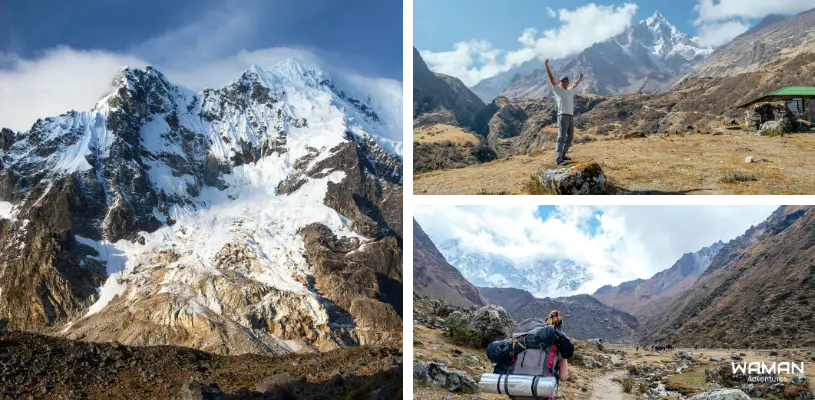
The Inca Trail, Salkantay and Lares can form part of a longer journey to Machu Picchu. Their hiking stages, permits and final connections differ, so choose your trek before fixing the rest of your dates. The road option via Hidroelectrica also involves an onward stage to town; it is not a direct drive to the entrance.

For a detailed comparison, see ways to reach Machu Picchu from within Peru. This US-origin itinerary focuses on coordinating your arrival with the route you select.
Coordinate train tickets and Machu Picchu admission
Check admission availability before locking in the local transport schedule. Your Machu Picchu ticket specifies a date, entry time, circuit and route; it does not allow unrestricted access to every area. Official online admission is sold through the Ministry of Culture’s Tu Boleto platform.

Coordinate admission and transport around the date and entry time on your confirmed ticket.
Treat these as separate reservations unless your package explicitly includes them:
- Admission: the authorized visit to Machu Picchu.
- Train: transport to and from Aguas Calientes on the booked service.
- Shuttle bus: the final journey between town and the entrance.
- Guide: the agreed guided visit, meeting point and language.
- Transfers and hotels: the arrangements before and after the train journey.
A morning admission requires enough time to reach the entrance from town, including any bus queue and your guide meeting. Staying in Aguas Calientes the night before avoids relying on a same-morning train arrival. Read what a Machu Picchu admission ticket covers before choosing your route.
Important note: A train booking does not confirm Machu Picchu admission. Ask for the confirmed visit date, route and entry time, and check your name and passport details on each reservation.
Allow enough time for connections and your visit
Count your international travel days separately from your days in Peru. A four-day package starting in Cusco does not mean a four-day round trip from your home in the United States. The useful buffer depends on flight timings, separate-ticket risks and the first scheduled activity.
Build overnight stops around the visit
For a train-based trip, plan your arrival and first overnight before the Sacred Valley or Machu Picchu stages. An overnight in Aguas Calientes can support an early admission, followed by a return to Cusco. Leaving your onward flight for a later day gives you more flexibility than connecting directly after the visit.
Waman’s published four-day itinerary follows this sequence: arrival and overnight in Cusco; Sacred Valley and overnight in Aguas Calientes; Machu Picchu and overnight in Cusco; departure transfer on Day 4. Your flight schedule still needs to fit the agreed pickup and departure arrangements.
Leave room to adjust to altitude
Cusco is about 11,150 ft (3,400 m) above sea level. Keep activity gentle on arrival and discuss altitude concerns with a healthcare professional before travel. A lower overnight base in the Sacred Valley may be worth considering, but no fixed number of rest days guarantees that you will avoid altitude illness.
Keep weather and packing practical
Check conditions for your travel dates, especially if you add a trek or a road transfer. Rain can affect the journey, so carry a light waterproof layer and avoid building your schedule around a guaranteed clear day.
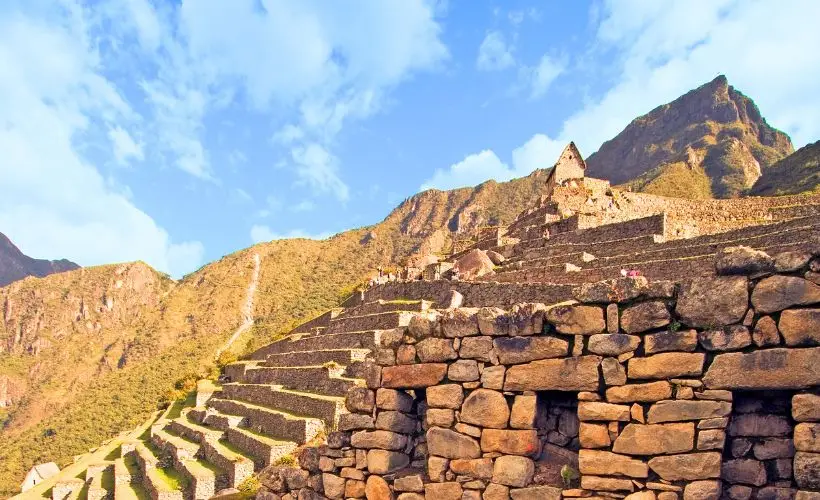
Check seasonal conditions and transport updates when planning your visit.
For the train and archaeological visit, pack layers, comfortable walking shoes, sun protection and insect repellent. Keep your passport, tickets and essential medication accessible, and check the train’s luggage allowance before leaving your larger suitcase behind.

Pack for changing conditions and keep essential items accessible during the journey.
Carry some Peruvian soles for small expenses, compare exchange rates and check card or ATM fees before accepting a transaction. Save tickets and pickup instructions offline in case mobile reception is limited.
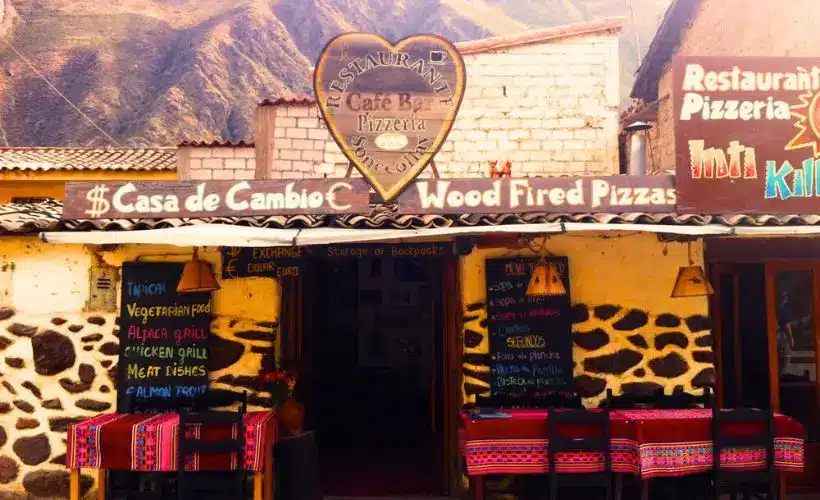
Choose a supported itinerary
If you want Cusco, the Sacred Valley and Machu Picchu in a compact route, consider the four-day Cusco, Sacred Valley and Machu Picchu package. It starts and ends in Cusco and includes an overnight in Aguas Calientes before the visit. International and domestic flights are excluded.

For more time with Andean culture, the seven-day Andean cultural itinerary combines Machu Picchu with visits including Chinchero and Pisac. Its published exclusions also list international and domestic flights, so arrange the air journey separately from the ground itinerary.
Frequently asked questions about How to Get to Machu Picchu from US
Can I fly directly to Machu Picchu?
Which airport should I use for Machu Picchu?
How long is the flight to Machu Picchu from the US?
How do I get to Machu Picchu from New York?
Does a Waman package include my flight from the United States?
Can I bring my international-flight suitcase on the train?
What should I do if my flight delay affects my tour?
How should I arrange the guide meeting at Machu Picchu?

Share:



Related tours you might be interested in
Enjoy unique experiences in Cusco and Machu Picchu with the peace of mind that comes from working with a local travel agency

6-Day Tour Cusco, Sacred Valley, Machu Picchu and Rainbow Mountain
EXPERIENCE THE MAJESTY OF THE INCAS: SACRED VALLEY, MACHU PICCHU & RAINBOW MOUNTAIN IN ONE TRIP If...
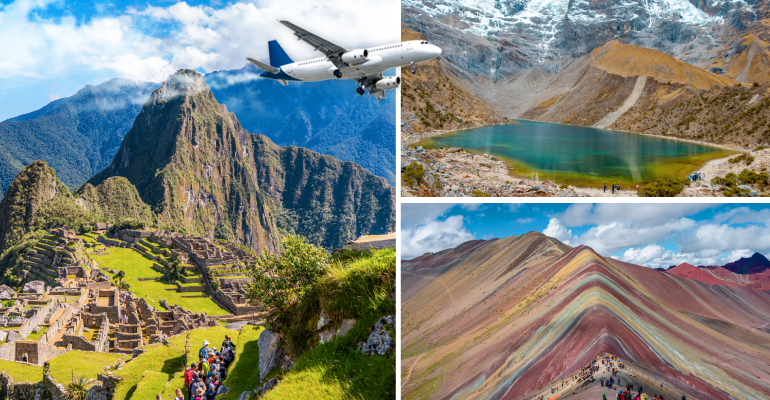
6 Day Andean Adventures Tour│With Flights from Chile
ENJOY THE BEST OF CUSCO CITY – MUST VISIT DESTINATIONS ARE WAITING FOR YOU! Want to explore Cusco...

6 Days Andean Adventure │ With Flights from Mexico
EXPERIENCE THE BEST OF CUSCO – THE MOST BREATHTAKING DESTINATIONS AWAIT Do you want to explore...
5 Day Cusco, Sacred Valley and Machu Picchu
DISCOVER THE MAJESTY OF MACHU PICCHU AND THE BEAUTY OF THE SACRED VALLEY IN ONE EPIC JOURNEY! The...
If you liked this article and the information you found, give us 5 stars!
Table of Contents
Related blogs
Things to Do in Cusco — City Sights, Culture and Day Trips
12 min of reading