Markets in Cusco through a traveler’s eyes: honest, raw, unforgettable
Ultima actualización en 26 September, 2026 por Jhon Quispe
Last Updated on 26 September, 2026 by Jhon Quispe
Which Cusco market should you visit?
San Pedro Market is the easiest first choice for food, produce and some souvenirs; it is about 0.4 mi (700 m), roughly 8–9 minutes on foot from Plaza de Armas. Choose Wanchaq for everyday local shopping and meals, San Blas for a smaller neighborhood stop, Vinocanchón for a larger local-market experience, and the Cusco Artisan Center when crafts are your priority.
Cusco’s markets are not interchangeable. Some function mainly as everyday food and produce markets, while others are more practical for travelers looking for crafts or souvenirs. Choosing according to what you actually want to experience will save time and keep Sacred Valley stops separate from the city’s markets.
Cusco markets at a glance
| Market | Best for | Area | What to expect |
| San Pedro Market | Food, produce and some souvenirs | Historic center | Busy and easy for a first visit |
| Wanchaq Market | Produce and local meals | Wanchaq | More oriented toward everyday local shopping |
| San Blas Market | Produce, simple meals and a neighborhood stop | San Blas | Small and mixed local/traveler atmosphere |
| Vinocanchón Market | Large-scale produce and regional ingredients | San Jerónimo | Large local supply-market experience |
| Cusco Artisan Center | Crafts and souvenirs | Av. El Sol / Tullumayu | Organized and visitor-oriented craft shopping |
Best markets in Cusco city
San Pedro Market for a first visit
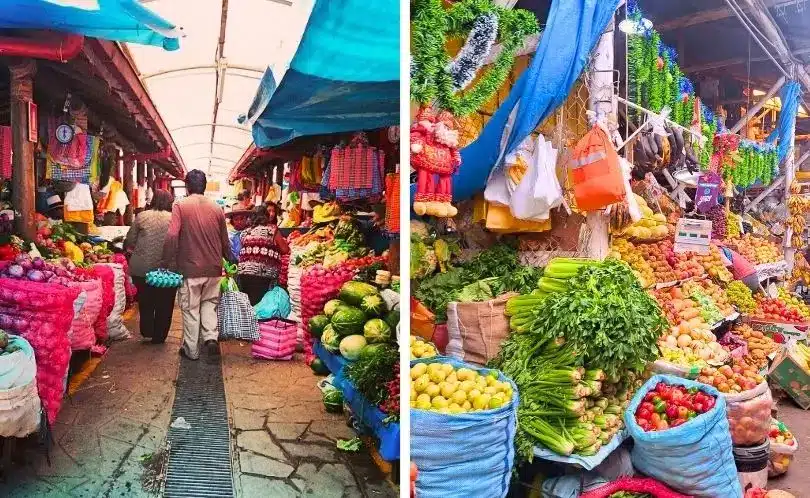
San Pedro Market is the best-known market in central Cusco and the easiest choice for many first-time visitors. It combines fresh produce, prepared food, regional ingredients and souvenir stalls in one busy space within walking distance of Plaza de Armas.
The market opened on June 7, 1925. MINCETUR’s tourism inventory attributes its design to Gustave Eiffel, and in 2024 Peru’s Ministry of Culture declared the Mercado Central de San Pedro a monument forming part of the Cultural Heritage of the Nation. The market marked its centenary in 2025.
Typical hours: official tourism references currently differ. MINCETUR lists approximately 6:30 a.m.–4:00 p.m., while other official tourism material uses longer reference hours. Individual stalls also keep their own schedules, so morning through early afternoon is the safest window if you want the widest selection.

What you will find:
- Fresh fruit, vegetables and Andean tubers
- Quinoa, kiwicha, cañihua, corn and other regional grains
- Bread, cheese, herbs and spices
- Fresh juices and prepared meals
- Small crafts, textiles and souvenir items
If food is your main reason for visiting, give more time to the produce, juice and prepared-food areas than the souvenir aisles. For specific dishes and food-price references, use the Cusco street food guide rather than turning a market visit into a complete gastronomy search.


Wanchaq Market for everyday local shopping
Wanchaq Market is a better choice if you want to see a market used heavily for everyday shopping rather than one centered mainly on visitors. It sells fresh produce, meat, dairy products, grains, herbs and prepared meals.
The market is in the Wanchaq district, a short drive from central Cusco. Municipal tourism information continues to present it as an active local market for fresh products and gastronomy.
What you will find:
- Regional fruit and vegetables
- Chicken, beef and pork
- Cheese, yogurt and other dairy products
- Quinoa, corn and other Andean staples
- Herbs, spices and traditional ingredients
- Prepared local meals
San Blas Market for a smaller neighborhood stop
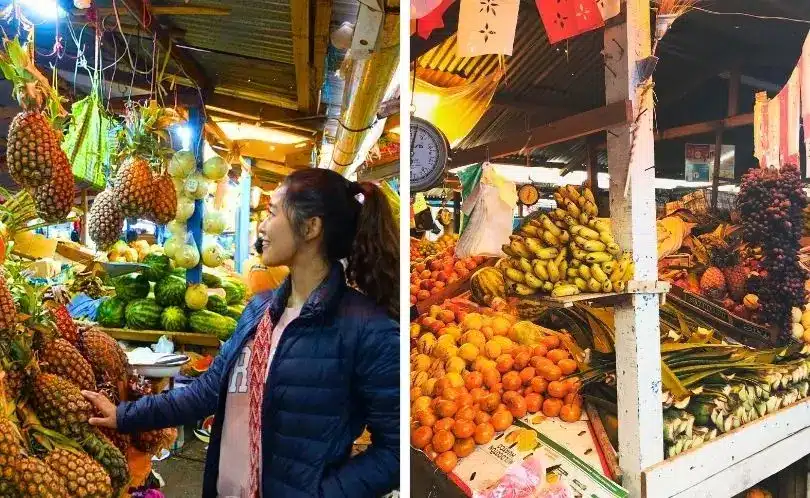
San Blas Market is a smaller neighborhood market with produce, simple meals, groceries and some crafts. It works well if you are already exploring San Blas and want a short local-market stop without the scale and crowds of San Pedro.
The market is on Calle Pumapaccha, near the neighborhood’s galleries, cafés and artisan streets. San Blas is strongly associated with crafts, but the market itself should not be confused with a dedicated artisan center.
What you will find:
- Fruit and vegetables
- Simple local meals and soups
- Meat and everyday groceries
- Some craft and textile stalls
If your main goal is comparing many crafts or souvenir stalls in one place, the Cusco Artisan Center is more efficient.
Vinocanchón Market for a larger local-market experience
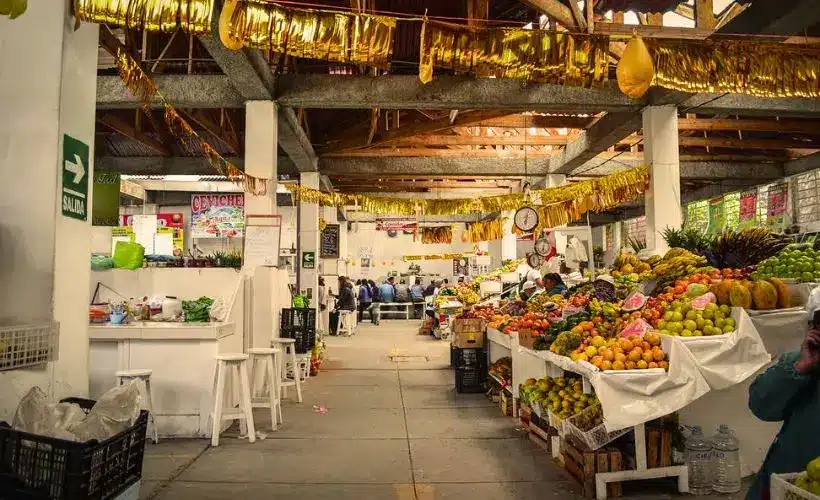
Vinocanchón is an important supply market in the San Jerónimo district on the eastern side of Cusco. It is more relevant for travelers interested in a large local produce market than for someone looking only for a quick souvenir stop.
Fresh vegetables, Andean tubers, herbs, regional ingredients and prepared food are central to its role as a major local-market and supply space.
Important note:
Vinocanchón underwent infrastructure works and temporary merchant relocations beginning in late 2025. Check current access before making a special trip because internal market arrangements may have changed since those works began.
What you will find:
- Fresh produce from the Cusco region
- Potatoes, oca and other Andean tubers
- Medicinal and culinary herbs
- Prepared local meals
- Some regional craft products
Cusco Artisan Center for crafts and souvenirs
The Cusco Artisan Center is the most relevant option in this guide if handicraft shopping is your main priority. It is near the intersection of Avenida El Sol and Avenida Tullumayu, across from the Paqcha area.
This is a dedicated craft-shopping center rather than an everyday produce market. Its stalls sell textiles, ceramics, jewelry, bags, decorative pieces and other regional souvenirs in a more organized shopping environment.
If your goal is comparing what to take home rather than choosing between city markets, use the Cusco souvenirs guide before buying.

Shopping tips for Cusco markets
Market etiquette depends on what you are buying. Everyday food stalls, produce sellers and artisan shops do not necessarily follow the same payment or bargaining practices.
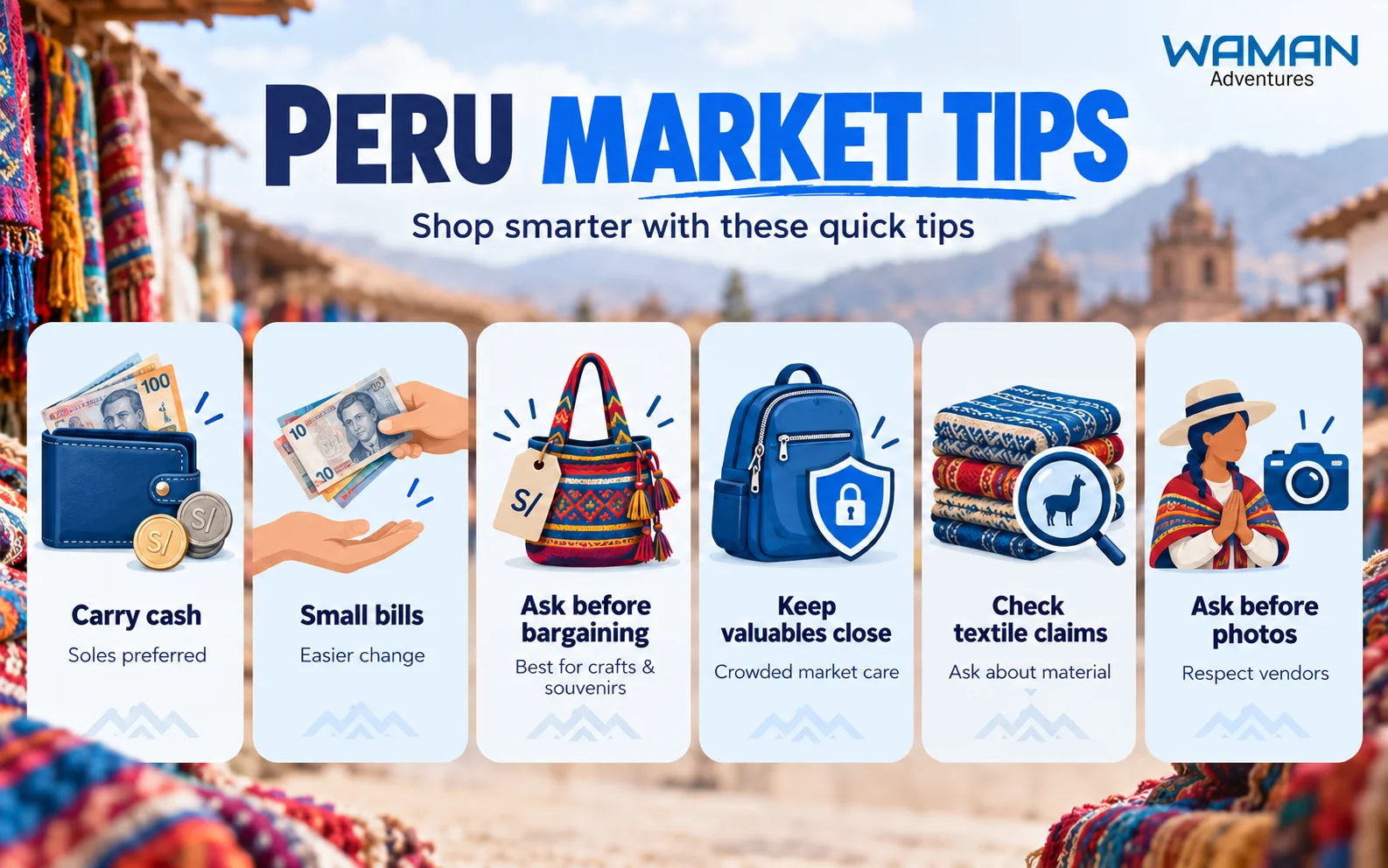
Simple tips help you shop respectfully and safely in Cusco markets.
If textile fibers, materials and workmanship are your main concern, use the Cusco handicrafts guide rather than relying on a market label alone.
Markets and textile stops outside Cusco city
Pisac and Chinchero are often mentioned together with Cusco markets, but both are outside the city. They make more sense as Sacred Valley stops than as alternatives to San Pedro, Wanchaq or San Blas during a short city walk.
Pisac Market
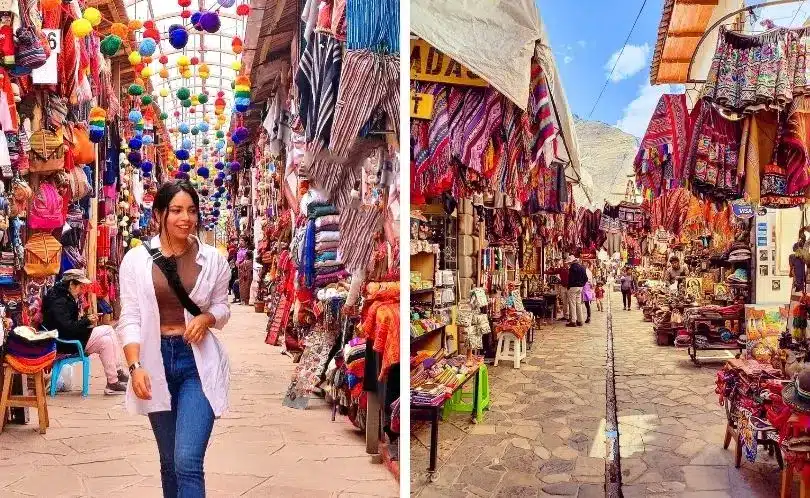
Pisac Market is one of the Sacred Valley’s best-known artisan markets, with textiles, ceramics, jewelry, produce and regional food. Treat it as a day-trip or Sacred Valley stop rather than a central Cusco market.
Chinchero textile centers
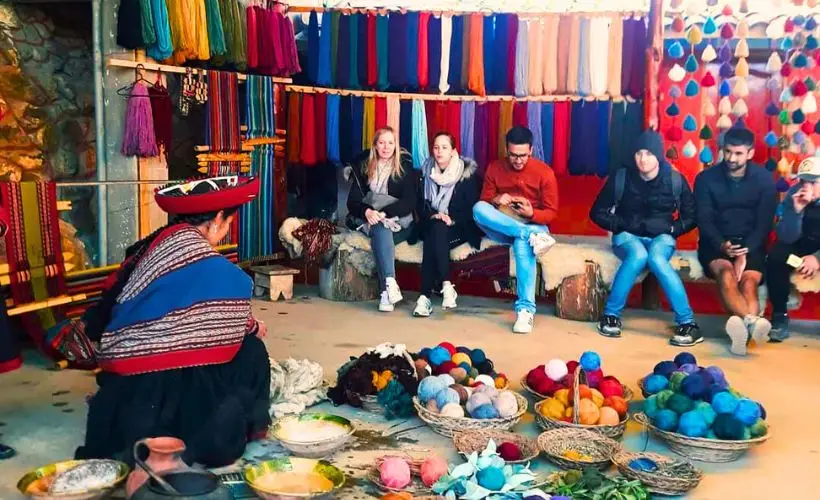
Chinchero is also outside Cusco city. Its textile centers focus on weaving demonstrations, natural dyes and artisan products rather than operating like the everyday produce markets found in Cusco.
For the textile process itself, use the Chinchero textile dyeing guide. For broader planning around the destination, use the Chinchero guide.
Choose the Cusco market that fits your city itinerary
Frequently asked questions about markets in Cusco
Which Cusco market is closest to Plaza de Armas?
San Pedro Market is one of the easiest major markets to reach from Plaza de Armas on foot. San Blas Market is also walkable from the historic center, but it sits uphill in the San Blas neighborhood.
What time does San Pedro Market open and close?
Official tourism references currently differ. MINCETUR lists approximately 6:30 a.m.–4:00 p.m., while other official tourism material uses longer reference hours. Individual stalls can also keep different schedules, so morning through early afternoon is the safest time for the widest selection.
Which Cusco market feels most local?
Wanchaq and Vinocanchón generally feel more oriented toward everyday local shopping than San Pedro or the Cusco Artisan Center. Vinocanchón is farther from the historic center, so check current access before making a special trip.
Can you pay by card at Cusco markets?
Some vendors may accept cards or local mobile payments, but cash in Peruvian soles remains the most dependable option. Carry small bills for food, produce and other low-value purchases.
Is bargaining common in Cusco markets?
Polite bargaining can be common for crafts and souvenirs, but it is less appropriate for fixed-price food, produce or inexpensive everyday goods. Ask the price first and negotiate respectfully when it makes sense.
Are Cusco markets safe for tourists?
Cusco markets are commonly visited by residents and travelers, but crowded aisles require normal urban precautions. Keep your phone, wallet and passport secure and avoid leaving bags open or unattended.

Share:




Related tours you might be interested in
Enjoy unique experiences in Cusco and Machu Picchu with the peace of mind that comes from working with a local travel agency

Tour to Chinchero, Maras & Moray – Private Service
Discover with us this beautiful, charming and historic places, where we will visit the enigmatic...

2-Day Trip to Machu Picchu from Cusco with Machu Picchu Mountain
LIVE A UNIQUE EXPERIENCE EXPLORING THE BREATHTAKING LANDSCAPES ON A 2-DAY JOURNEY TO MACHU PICCHU...

6-Day Tour Cusco, Sacred Valley, Machu Picchu and Rainbow Mountain
EXPERIENCE THE MAJESTY OF THE INCAS: SACRED VALLEY, MACHU PICCHU & RAINBOW MOUNTAIN IN ONE TRIP If...

6 Day Andean Adventures Tour│With Flights from Chile
ENJOY THE BEST OF CUSCO CITY – MUST VISIT DESTINATIONS ARE WAITING FOR YOU! Want to explore Cusco...