Inca Trail Packing List for the 4-Day Classic Trek
Ultima actualización en 14 October, 2026 por Jhon Quispe
Last Updated on 14 October, 2026 by Jhon Quispe
What should you pack for the Inca Trail?
For the 4-day Classic Inca Trail, pack your original passport, tested hiking footwear, layered clothing, rain protection, warm camp clothes, sun protection, water, toiletries, personal medication and a headlamp. Keep daily essentials in your daypack and place overnight gear in the porter duffel if your tour includes one.
- Inca Trail packing list at a glance
- Essential documents for the Inca Trail
- What to pack in your daypack and duffel bag
- Clothing checklist for the 4-day Inca Trail
- Hiking footwear and trekking poles
- Sleeping bag and camping equipment
- Water, food and weather protection
- Hygiene, first aid and personal essentials
- How to pack light for the Inca Trail
- What not to pack for the Inca Trail
- Packing for wetter and drier conditions
- Final Inca Trail packing checklist before departure
- Start your Inca Trail adventure with the right equipment
- Frequently asked questions about Inca Trail packing
What makes packing for the Inca Trail different is the combination of high mountain passes, humid sections, stone stairways and overnight camps. A well-organized bag helps you adapt to changing conditions without carrying items you will not need during the hiking day.

Inca Trail packing list at a glance
The following checklist covers the main items most travelers need for the four-day Classic Inca Trail. Quantities are practical estimates rather than fixed requirements. Your operator’s equipment inclusions, campsite arrangements and personal needs determine the final list.
| Category | What to pack | Where to carry it |
| Documents | Original passport and required personal booking documents | Daypack |
| Clothing | Base layers, fleece, rain jacket, hiking pants, underwear and socks | Worn, daypack and duffel |
| Footwear | Tested hiking boots or trekking shoes with reliable grip | Worn |
| Weather protection | Sun hat, sunglasses, sunscreen, lip balm and waterproof bags | Daypack |
| Water and snacks | Reusable water bottle or hydration system and personal snacks | Daypack |
| Sleeping equipment | Sleeping bag and sleeping pad if not included or rented | Duffel or operator transport |
| Trail accessories | Headlamp, trekking poles and personal essentials | Daypack |
| Hygiene | Toilet paper, toothbrush, toothpaste, wipes and hand sanitizer | Daypack and duffel |
| Medication | Prescription medication and personal blister-care supplies | Daypack |
| Electronics | Phone or camera, charging cable and power bank if needed | Daypack |
| Cash | Small amount of Peruvian soles | Daypack |
Important note:
Before finalizing your packing list, confirm which items your trekking operator provides. Duffel bags, porter assistance, sleeping bags, sleeping pads and other equipment may be included, rented or arranged separately depending on the service.
Essential documents for the Inca Trail
Your original passport is one of the most important items to carry. It should correspond to the identification information used for your Inca Trail reservation.
Keep your passport accessible during the trekking day because identification may be checked at authorized control points.
A waterproof pouch or resealable bag provides useful protection against rain, moisture and accidental spills.
Before departure, confirm with your operator which documents you personally need to present and which permits or reservation records the company will manage.
Travelers who renewed their passports after making a reservation should clarify the documentation requirements with their operator before traveling rather than assuming the new passport details will automatically match the original booking.
What to pack in your daypack and duffel bag
One of the most useful packing decisions is separating the items you need while walking from those required only after arriving at camp.
Your daypack travels with you throughout the hiking day. A porter-supported duffel, when included in your tour, normally carries spare clothing and overnight equipment between authorized camps.
Daypack essentials
Your daypack should contain the items you may need before reaching camp. Weather can change during the walk, so rain protection and a warm layer should remain accessible rather than packed away with overnight luggage.
- Original passport in waterproof protection.
- Reusable water bottle or hydration system.
- Waterproof rain jacket.
- Light fleece or other warm layer.
- Sun hat or cap.
- Sunglasses and sunscreen.
- Personal medication.
- Snacks suitable for longer hiking sessions.
- Toilet paper or tissues.
- Hand sanitizer.
- Phone or camera.
- Small amount of Peruvian cash.
- Headlamp when required by the schedule.
- Waterproof bags for electronics and documents.
A daypack should feel comfortable after several hours of walking. Before traveling, test the loaded backpack on hills or stairs to identify uncomfortable straps, poor weight distribution or unnecessary items.
Duffel bag and overnight equipment
If your tour includes porter-supported luggage, the duffel can normally hold the belongings you do not need while hiking.
- Spare trekking clothes.
- Clean socks and underwear.
- Dry clothing for sleeping.
- Additional warm clothing for camp.
- Sleeping bag when applicable.
- Optional camp shoes.
- Extra toiletries and personal hygiene supplies.
- Other overnight equipment permitted by your operator.
Items packed in the duffel may not be accessible until camp, so personal medication, water, essential weather protection and important documents should remain in your daypack.
Duffel weight and porter arrangements
Porter assistance can reduce the weight hikers carry during the day, but the permitted duffel allowance depends on the tour service and operator policy.
Do not assume every Inca Trail package includes the same luggage allowance. Some services specify a maximum weight for personal belongings, while the handling of sleeping equipment may differ.
Before packing, confirm:
- Whether a duffel bag is provided.
- Whether personal porter assistance is included.
- The current maximum permitted personal luggage weight.
- Whether the sleeping bag counts toward that allowance.
- Whether the sleeping pad is provided separately.
- Where you can store luggage not needed during the trek.
| Carry in your daypack | Pack in your duffel when available |
| Passport and essential documents | Spare clothing |
| Water and snacks | Camp clothing |
| Rain jacket and warm layer | Sleeping bag when required |
| Personal medication | Additional toiletries |
| Sun protection | Backup socks and underwear |
| Phone, camera and small essentials | Items not needed during the hiking day |
This distinction also helps prevent overpacking: if an item will only be used at camp, it usually does not need to occupy space in the daypack.
Clothing checklist for the 4-day Inca Trail
The Classic Inca Trail crosses different elevations and weather conditions. Clothing should therefore provide protection against sun, wind, rain and cool mountain temperatures without requiring an entirely different outfit for every hiking day.
A layering system is generally more practical than carrying several bulky jackets with similar functions.
How many clothes to pack
The following quantities provide a starting point for a typical four-day camping itinerary. Adjust them according to personal comfort, expected conditions and the weight allowance available.
| Clothing item | Suggested quantity | Purpose |
| Quick-drying hiking shirts or base layers | 2–4 | Comfort during several trekking days |
| Hiking pants | 1–2 pairs | Movement on stairs and uneven trails |
| Fleece or insulating mid layer | 1 | Warmth during cool mornings and evenings |
| Waterproof rain jacket | 1 | Protection from rain and wind |
| Hiking socks | 3–4 pairs | Comfort and dry replacements |
| Underwear | 4 pairs | Personal hygiene throughout the trek |
| Dry sleeping clothes | 1 set | Comfort at overnight camps |
| Sun hat or cap | 1 | Protection from direct sunlight |
| Warm hat | 1 when needed | Protection during cold conditions |
| Light gloves | 1 pair when needed | Additional warmth in exposed sections |
| Optional camp shoes | 1 lightweight pair | Foot comfort after hiking |
These are suggested amounts rather than mandatory packing rules. Hikers who prefer fewer clothes can often reduce duplicates by choosing fabrics that dry quickly and remain comfortable during repeated use.
Base layers, insulation and rainwear
A good layering system combines three clothing functions:
- Base layer: a lightweight, breathable shirt that helps manage sweat during hiking.
- Warm mid layer: fleece or similar insulation for higher elevations, cooler mornings and evenings.
- Waterproof outer layer: a rain jacket that protects against rain and wind.
Quick-drying fabrics are generally more practical than heavy cotton clothing that can remain wet for extended periods.
Keep the rain jacket and at least one warm layer in your daypack. This allows you to adjust clothing during the hike without needing access to the porter duffel.
Hiking socks and underwear
Comfortable hiking socks are particularly important because long descents and repeated steps can increase friction inside footwear.
Pack enough clean socks and underwear for your personal needs, and protect at least one dry replacement inside your luggage.
Changing wet socks when practical can improve comfort and reduce friction. Choose socks that fit properly with your hiking footwear rather than introducing an unfamiliar style immediately before departure.
Hiking footwear and trekking poles
Footwear is one of the most important equipment choices for the Inca Trail. The route includes stone steps, irregular surfaces, long climbs and demanding descents, so grip and comfort matter throughout the trek.
Hiking boots or trekking shoes
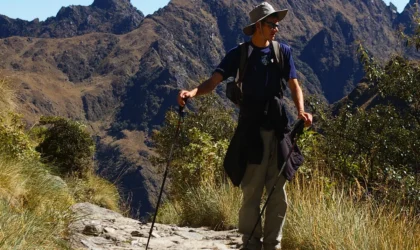
You do not necessarily need heavy mountaineering boots. Many hikers prefer hiking boots or trekking shoes with reliable traction, good fit and adequate comfort for several hours of walking.
When choosing footwear, consider:
- Reliable grip on stone and uneven terrain.
- A secure fit without excessive movement.
- Enough room for toes during descents.
- Comfortable cushioning for long walking days.
- Support appropriate to your preferences and experience.
- Water resistance when conditions are wet.
- Performance already tested during longer hikes.
New footwear can cause blisters and discomfort if its fit has not been tested. Wear your intended hiking shoes during several training sessions before traveling to Peru.

Trekking poles and trail protection
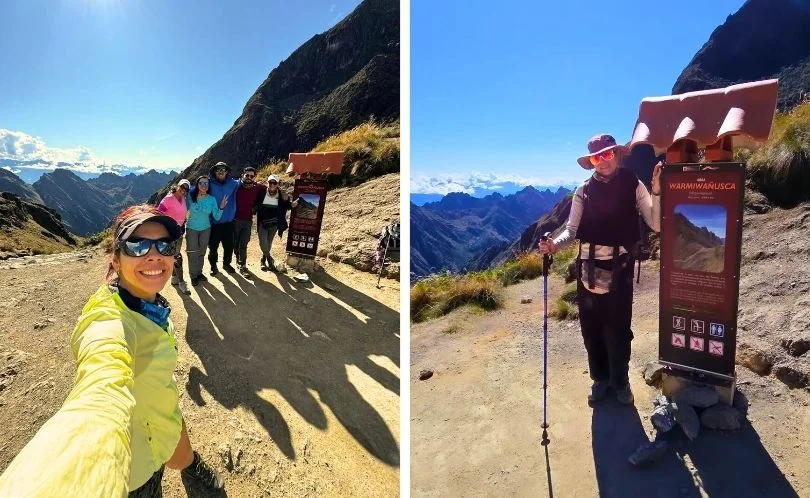
Trekking poles can provide additional balance on uneven ground and support during long descents.
However, poles should be suitable for the archaeological route and should not damage historic stone surfaces.
Confirm the current rules on protective tips with your trekking operator before departure. Travelers who have not used poles before should practice with them on hills and stairs rather than learning during the trek.
Optional camp shoes
A lightweight pair of sandals or comfortable camp shoes can help your feet rest after the hiking day.
They are optional and should not replace hiking footwear on the trail. If your porter allowance is limited, choose a compact pair or omit them if they are not important to your comfort.
Sleeping bag and camping equipment
The Classic Inca Trail usually involves camping, but the equipment provided varies according to the service booked.
Before buying or renting camping gear, confirm whether your operator includes tents, sleeping pads and sleeping bags.
Sleeping bag options
A sleeping bag should be appropriate for the expected overnight conditions and the camps used on your itinerary.
Two common insulation options are:
- Down sleeping bags: typically provide good warmth for their weight and compress into a relatively small space, but require careful moisture protection.
- Synthetic sleeping bags: often weigh more or occupy more space for comparable warmth, but can be easier to manage in damp conditions.
Do not select a sleeping bag based only on a general statement that the Inca Trail is cold. Ask your operator about expected campsite conditions and the appropriate comfort rating for the season.
Some travelers bring their own sleeping bags, while others rent equipment in Cusco or arrange it through their trekking operator.
Sleeping pad and included equipment
A sleeping pad helps provide insulation and cushioning between the sleeping bag and the ground.
Depending on the service, a basic pad may already be included. Bringing a duplicate sleeping pad can increase luggage weight without adding enough benefit to justify the extra equipment.
Foam pads are durable and simple, while inflatable pads can provide more cushioning but may require greater care.
Confirm what is already included before renting or purchasing additional camping equipment.

Water, food and weather protection
Items used throughout the day should remain easy to reach. Water, rain protection and sun protection are particularly important because hikers may experience changing conditions before arriving at camp.
Water and snacks
Carry a reusable water bottle or hydration system that is comfortable to use while walking.
The amount of carrying capacity needed depends on weather, exertion and the drinking-water arrangements provided by your operator.
Before departure, confirm when safe drinking water is supplied or refilled during your specific itinerary. Do not assume that untreated water encountered along the route is suitable for drinking.
Small personal snacks can also be useful between meals. Choose foods you already know you tolerate during exercise rather than experimenting with unfamiliar products during the trek.

Keep drinking water accessible and confirm the operator’s refill arrangements.
Sun and rain protection
Sun exposure can be considerable in high mountain terrain even when the air feels cool or the sky is partly cloudy.
Useful items include:
- Sunscreen.
- Sunglasses.
- Sun hat or cap.
- Lip balm with sun protection.
- Waterproof rain jacket.
- Backpack rain cover when suitable.
- Dry bags or resealable bags for documents and electronics.
- Waterproof protection for spare clothing.
Rain protection belongs in the daypack rather than at the bottom of your overnight luggage. Keeping important items dry can make a significant difference when you arrive at camp.
Hygiene, first aid and personal essentials
A compact personal-care kit can cover most needs during a four-day trekking itinerary without adding excessive luggage weight.
Personal hygiene and menstrual products
Bring travel-size hygiene items appropriate for the length of the trek and the facilities available at camp.
- Toothbrush and toothpaste.
- Toilet paper.
- Wet wipes.
- Hand sanitizer.
- Small deodorant.
- Lip balm.
- Menstrual products when needed.
- Small disposal bags.
- Other personal hygiene items you regularly use.
Travelers who menstruate may prefer to carry sufficient supplies for the full itinerary rather than rely on purchasing them during the trek.
Comfortable sports bras, tested base layers and other personal clothing can also be included according to individual needs.
Because the route passes through a protected landscape, used wipes, sanitary products, wrappers and other personal waste should be packed out for appropriate disposal.
Keep this in mind:
Bring lightweight bags for personal waste and keep all used wipes, wrappers and hygiene products contained until they can be disposed of properly. Avoid leaving any waste along the trail or at unauthorized locations.
Medication and blister care
Carry prescription medication and other personally essential medical supplies in your daypack, where they remain accessible throughout the hiking day.
A compact personal kit may include blister-care products and other supplies you normally use for minor problems.
These items should complement the first-aid resources provided by your trekking operator rather than replace them.
For altitude illness, injuries, emergency procedures and broader risk management, see the Inca Trail safety guide.
Cash and electronics
Carry a modest amount of Peruvian soles in small denominations for incidental expenses or gratuities when appropriate.
The availability of vendors and personal purchases varies across the itinerary, so cash should not be treated as a substitute for bringing essential equipment.
For electronic devices, consider packing:
- Phone.
- Camera if needed.
- Charging cables.
- Power bank.
- Spare camera battery when applicable.
- Waterproof protection for electronics.
Normal charging facilities should not be assumed throughout the trekking route. Charge essential devices before departure and plan your battery use accordingly.

Small denominations of Peruvian currency can cover incidental personal expenses.
How to pack light for the Inca Trail
Packing efficiently is about choosing items that serve a clear purpose rather than carrying equipment for every possible situation.
A lighter, organized daypack can make repeated climbs and descents more comfortable, particularly after several hours of hiking.

Use a functional layering system
A breathable base layer, insulating mid layer and waterproof outer layer can cover changing mountain conditions more efficiently than carrying several heavy jackets.
Choose quick-drying clothing
Clothes that dry efficiently are generally easier to reuse and can reduce the need for multiple duplicate items.
Keep toiletries compact
Use small containers with enough product for the trek instead of full-size toiletries that occupy unnecessary space and weight.
Organize items by category
Keep documents, electronics, dry clothes and hygiene supplies separated using lightweight waterproof or resealable bags.
Test your packed daypack
Walk with your expected daypack before traveling. Longer training sessions can reveal uncomfortable straps, poor organization and items you do not actually need.
For a route-specific conditioning program, see how to prepare and train for the Inca Trail.
What not to pack for the Inca Trail
Carrying extra equipment does not automatically improve preparation. Some items contribute unnecessary weight or duplicate things already included in the tour.
- Multiple heavy jackets serving the same purpose.
- Several pairs of bulky footwear.
- Full-size toiletries.
- Excessive quantities of snacks.
- Valuables that are not needed on the route.
- Heavy electronics without a specific use.
- Duplicate camping equipment.
- Brand-new hiking shoes that have never been tested.
- Large quantities of unnecessary spare clothing.
Before removing anything important, confirm your operator’s current equipment and inclusion list. The goal is to eliminate unnecessary duplicates without leaving behind items required for weather protection or personal safety.
Packing for wetter and drier conditions
The essential packing list remains similar throughout the trekking season, but different conditions change which items deserve greater attention.
| Conditions | Packing priority |
| Wetter trekking conditions | Reliable rain jacket, waterproof bags, good footwear traction and dry camp clothing |
| Drier trekking conditions | Strong sun protection, breathable hiking clothes and warm layers for cooler periods |
| Cold mornings and high passes | Insulating layer, warm hat and gloves when needed |
| Cool evenings at camp | Dry sleeping clothes and an appropriately rated sleeping bag |
Even during drier periods, mountain weather can change during the day. A waterproof jacket and warm layer remain useful throughout the normal trekking season.
For rainfall patterns, trail closure periods and choosing travel dates, see the best time to hike the Inca Trail guide.
Final Inca Trail packing checklist before departure
Before leaving Cusco, review the final equipment arrangement with your trekking operator. This last check should focus on documents, weather protection, personal essentials and any equipment that the company provides.
- Passport: original identification is accessible and protected from moisture.
- Footwear: hiking shoes have been tested on longer walks.
- Daypack: water, rain protection, warm layer and medication are accessible.
- Clothing: enough socks, underwear and dry layers are packed for the itinerary.
- Sleeping equipment: sleeping bag and pad arrangements have been confirmed.
- Duffel allowance: personal luggage complies with your operator’s current weight policy.
- Hydration: you understand the drinking-water supply and refill arrangements.
- Hygiene: toiletries and personal waste bags are ready.
- Electronics: essential devices and power banks are charged.
- Unnecessary items: duplicate or bulky equipment has been removed.
It is worth checking the contents of your bags one final time instead of adding more objects at the last moment. A well-organized setup is more practical than a heavy bag full of items you may never use.
Start your Inca Trail adventure with the right equipment
Preparing for the Classic Inca Trail becomes easier when you know what to carry, what can stay in your overnight bag and which equipment your trekking service provides. Before finalizing your luggage, review the 4-day Classic Inca Trail itinerary and talk to a travel specialist about the equipment requirements for your trip.
Frequently asked questions about Inca Trail packing
What should I carry in my Inca Trail daypack?
Carry your passport, drinking water, rain jacket, warm layer, sun protection, personal medication, snacks, small hygiene items and any electronics you need during the hiking day. Keep the daypack light and comfortable.
How much luggage can porters carry for me?
The personal duffel allowance depends on the trekking operator and service booked. Confirm the current weight limit, whether porter assistance is included and whether sleeping equipment counts toward your allowance before packing.
Do I need hiking boots for the Inca Trail?
You need tested hiking footwear with reliable grip and a comfortable fit. Hiking boots or trekking shoes can work depending on your preferences and experience. Avoid wearing brand-new footwear for the first time during the trek.
Should I bring a sleeping bag?
A sleeping bag is normally needed for the four-day camping itinerary, but it may be rented or arranged through your trekking operator. Confirm its inclusion and appropriate temperature rating before traveling.
Can I rent trekking equipment in Cusco?
Some equipment can be rented in Cusco or arranged through trekking operators. Sleeping bags, trekking poles and other items may be available depending on the service. Confirm rental availability, condition, sizing and costs before relying on rented gear.
What should women pack for the Inca Trail?
The main packing list is the same for all hikers. Travelers may add menstrual products, disposal bags, comfortable sports bras, tested base layers, personal medication and other hygiene items according to individual needs.
What should I pack for rainy weather?
Pack a waterproof jacket, reliable hiking footwear, waterproof protection for documents and electronics, and dry clothes for camp. Keep rain protection in your daypack so it remains accessible during sudden weather changes.

Share:



Related tours you might be interested in
Enjoy unique experiences in Cusco and Machu Picchu with the peace of mind that comes from working with a local travel agency
Rural and Agritourism Experience in Chichubamba
TRADITIONAL LIFE IN THE HEART OF THE SACRED VALLEY Let yourself be immersed in the mystique and...

Birdwatching Experience at Chacán Dam & Ensifera Camp
BIRD WATCHING IN CUSCO: CHACÁN & ENSIFERA CAMP Cusco is far more than history and dramatic...

Cusco Soccer Game Experience
EXPERIENCE CUSCO SOCCER LIKE A LOCAL Immerse yourself in one of Cusco’s most intense cultural...
Huacarpay Birdwatching Experience
HUACARPAY: ANDEAN BIRD SANCTUARY Discover the natural richness of Huacarpay, a high-Andean wetland...
If you liked this article and the information you found, give us 5 stars!
Table of Contents
Related blogs
How hard is Humantay Lake trek? Here’s everything you need to know!
12 min of reading
Discover the perfect moment: When is the best time to hike Inca Trail?
11 min of reading