Is the Inca Trail Dangerous? Real Risks and Safety Tips
Ultima actualización en 16 November, 2026 por Jhon Quispe
Last Updated on 16 November, 2026 by Jhon Quispe
Is the Inca Trail dangerous?
The Inca Trail is a regulated mountain trek rather than a technical mountaineering route, but it is not risk-free. The main concerns are altitude, accumulated fatigue, steep and uneven stone steps, wet conditions, changing weather and remote sections with limited road access. Acclimatization, appropriate footwear, realistic pacing and following your guide reduce avoidable risks.
- Inca Trail safety at a glance
- Is the Inca Trail safe?
- Main safety risks on the Inca Trail
- Weather, trail conditions and temporary closures
- Who should take extra precautions on the Inca Trail?
- How to reduce risk before the Inca Trail
- Safety during the trek
- Emergency and remote-environment safety
- Classic vs Short Inca Trail from a safety perspective
- Choosing a regulated Inca Trail operator
- Choose the Inca Trail route that matches your experience
-
Frequently asked questions about Is Inca Trail dangerous?
- Is the Inca Trail safe for beginners?
- Is Dead Woman’s Pass dangerous?
- Does the Inca Trail close because it is dangerous?
- How many people die on the Inca Trail each year?
- Are snakes a major danger on the Inca Trail?
- What should I do if I feel sick during the Inca Trail?
- Can bad weather temporarily close the Inca Trail?
- What happens if a hiker cannot continue?
The useful question is less whether the Inca Trail deserves a simple “safe” or “dangerous” label and more where risk actually increases. Altitude, wet stone, accumulated fatigue and delayed communication of symptoms matter far more than technical climbing ability.

The Classic Inca Trail combines altitude, stone terrain and changing mountain weather.
Inca Trail safety at a glance
| Safety factor | What travelers should know |
| Technical climbing | No technical mountaineering is required on the standard Classic Inca Trail. |
| Highest point | Warmiwañusqa, or Dead Woman’s Pass, at about 13,780 ft (4,200 m) |
| Main physical challenge | Several consecutive hiking days, altitude, sustained climbs and long stone descents |
| Terrain | Uneven stone paths, stairs, mountain passes and surfaces that can become slippery when wet |
| Weather | Rain, cloud and changing mountain conditions can affect footing and visibility |
| Remote sections | Some areas are far from normal road access, making early communication of problems important |
| February | The regulated Inca Trail network closes for annual conservation and maintenance |
| Main risk-reduction steps | Acclimatize, train beforehand, use suitable equipment, maintain a sustainable pace and follow trail rules |
Is the Inca Trail safe?
For a prepared traveler, the Inca Trail can be a realistic multi-day trek, but describing any mountain route as completely safe would be misleading. Risk changes with altitude response, weather, fatigue, trail conditions and individual health.
The Inca Trail is also a regulated trekking network rather than an unrestricted hiking route. Visitor access, permits, tourism operations and maintenance are managed within the protected route system.

Preparation and attention to trail conditions reduce many avoidable hiking risks.
Keep this in mind:
No mountain trek is “100% safe.” A more useful approach is to understand which hazards are realistic, recognize when conditions are becoming less favorable and reduce the risks you can control.
Main safety risks on the Inca Trail
Altitude and altitude sickness
Altitude is one of the most important safety factors on the Classic Inca Trail. The route climbs above Cusco’s elevation and reaches about 13,780 ft (4,200 m) at Warmiwañusqa, commonly called Dead Woman’s Pass.
Altitude-related symptoms can include headache, unusual fatigue, dizziness, nausea, reduced appetite or difficulty sleeping. Fitness alone does not predict who will experience symptoms.
Spending time at elevation before the trek gives you an opportunity to see how your body responds before reaching the highest sections.
If symptoms become significant or continue to worsen, tell your guide early rather than hiding them to avoid slowing the group.

Acclimatization helps hikers assess how their bodies respond before reaching higher passes.
Dead Woman’s Pass and long descents
Warmiwañusqa is the highest point on the Classic Inca Trail and one of the sections where altitude and physical effort combine most noticeably.
The pass is physically demanding because of the sustained ascent and elevation rather than because technical climbing is required. Moving at a sustainable pace and reporting altitude symptoms matter more than reaching the pass quickly.

Warmiwañusqa is the highest point on the Classic Inca Trail.
The descent after major passes can also create safety problems when fatigue affects balance. Repeated stone steps place significant load on the knees and quadriceps, so controlled foot placement matters.
Steep stone steps and uneven terrain
Much of the route follows historic stone surfaces rather than modern hiking paths. Uneven steps, irregular stones and long descents require concentration, particularly later in the day when hikers are tired.
Falls and ankle or knee problems become more likely when travelers descend too quickly, become distracted while walking or continue at the same speed after fatigue starts affecting balance.

Rain and slippery trail conditions
Rain changes the character of the Inca Trail. Stone steps become more slippery, muddy sections can slow movement and cloud can reduce visibility.
This does not mean every wet-season trek is unsafe, but reliable footwear, waterproof protection and a more deliberate pace become more important when the trail is wet.
Mountain weather can also change quickly, so rain protection remains useful even when conditions look stable at the start of the day.
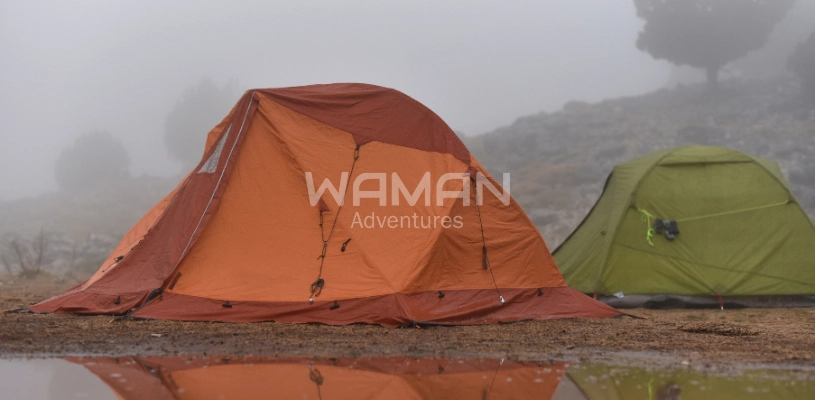
Rain increases the need for grip, waterproofing and slower pacing.
Fatigue across several hiking days
The Classic Inca Trail creates cumulative fatigue. A traveler may feel comfortable during the first hours or first day but notice a significant difference after repeated ascents, descents and consecutive hiking days.
Fatigue can affect concentration, balance and decision-making. Maintaining a pace you can sustain is safer than repeatedly trying to match the fastest person in the group.
Remote terrain and limited road access
Parts of the Inca Trail are far from normal road access. This makes prevention, communication and early reporting of health problems more important than during a city-based excursion.
If you develop a significant injury, unusual symptoms or another health concern, tell your guide before the problem becomes harder to manage in remote terrain.
Weather, trail conditions and temporary closures
Weather affects Inca Trail safety mainly through footing, visibility, temperature exposure and trail stability rather than because one particular month automatically makes the route dangerous.
| Period | Safety consideration |
| Generally drier months | Lower rainfall probability often means firmer surfaces, although cold nights, strong sun and altitude still require preparation |
| Transition periods | Conditions can change considerably, so prepare for both rain and sun |
| Wetter months | Wet stone, mud, cloud and reduced visibility can require slower movement and stronger rain protection |
| February | The regulated trail network closes for annual conservation and maintenance |

Mountain weather can change even during generally drier trekking months.
For month-by-month rainfall, temperatures and seasonal decision-making, use the best time to hike the Inca Trail guide.
Landslide and slope risk
Heavy rain can increase slope instability in mountainous terrain, making landslides, falling material and temporary trail restrictions legitimate concerns during severe weather.
That does not mean hikers should expect a landslide during a normal trek. The practical response is to respect closures, remain on the established route and follow guide instructions when conditions change.
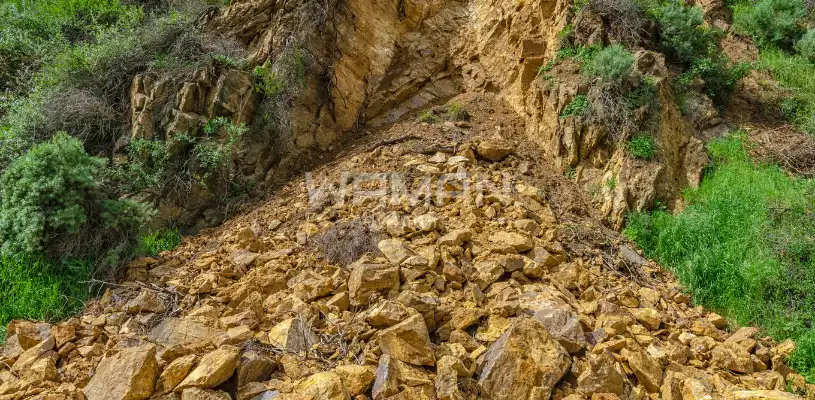
Heavy rain can affect mountain slopes and trigger temporary trail restrictions.
Important note:
The regulated Inca Trail closes during February for annual conservation and maintenance. Weather-related temporary restrictions can also occur outside the annual closure, so verify current official trail status before departure.
For official operational updates, check information from SERNANP and the relevant cultural authorities before your travel date.
Who should take extra precautions on the Inca Trail?
Age alone does not determine whether someone can complete the route safely. Hiking background, mobility, altitude response, current fitness, recovery capacity and relevant medical conditions provide more useful context.
First-time multi-day trekkers
You do not need technical mountaineering experience, but travelers who have never completed consecutive hiking days should prepare beforehand.
Training should include hills, stairs, sustained walking and controlled descents rather than relying only on gym-based strength or cardio.
Older travelers
Many older travelers complete demanding treks successfully, but recovery, joint comfort, balance, altitude tolerance and medical history vary widely between individuals.
If cardiovascular, respiratory, mobility or other medical conditions may affect sustained exercise at altitude, discuss the planned trek with an appropriate healthcare professional before traveling.

Suitability depends more on preparation and health than a single age cutoff.
Families and younger hikers
The Classic Inca Trail is not automatically unsuitable for families, but several hiking days, altitude, camping and long stone sections require realistic expectations.
Consider previous hiking experience, willingness to walk for extended periods, ability to communicate discomfort and individual altitude response rather than relying on age alone.

Families should assess hiking experience, altitude tolerance and daily walking commitment.
Travelers with existing medical conditions
The altitude and remoteness of the route make advance planning particularly important for travelers with health conditions that could affect breathing, circulation, mobility or exercise tolerance.
Carry required personal medication and make sure your guide knows about relevant medical information that could matter during an emergency.
How to reduce risk before the Inca Trail
Preparation belongs to its own dedicated guide, but several pre-departure decisions have a direct effect on safety during the trek.
Acclimatize before starting
Avoid making the Classic Inca Trail your first major physical activity immediately after arriving at altitude.
Many travelers spend time in the Cusco region before a high-altitude trek. The exact period needed varies between individuals, so use those days to assess how you feel rather than treating acclimatization as a guarantee.
Train for hills and stairs
Training reduces the chance that normal fatigue will become a balance or pacing problem later in the trek. Include sustained walking, hills, stairs and controlled descents in the weeks before departure.
For a complete conditioning plan, use the Inca Trail preparation guide.
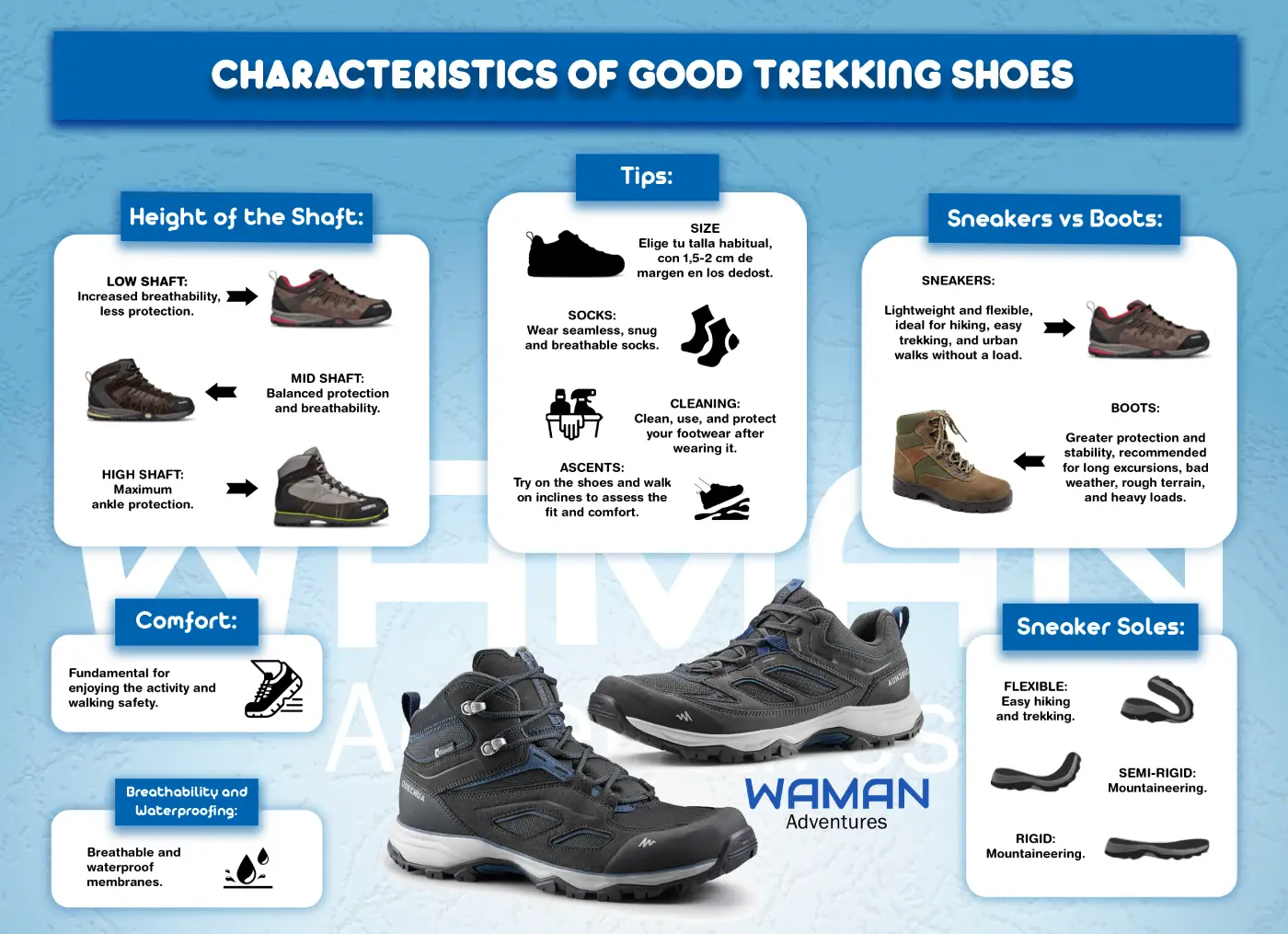
Use reliable hiking footwear
Footwear with good traction and a secure fit reduces avoidable problems on wet stone, uneven stairs and long descents.
-
- Use soles with reliable traction on wet and dry surfaces.
- Choose a fit that prevents excessive foot movement.
- Use enough cushioning for repeated stone steps.
- Test the footwear before the trek rather than wearing new boots for the first time.
Use trekking poles when they help your balance
Trekking poles can add stability and reduce some of the load on the knees during long descents, particularly for travelers who feel less confident on irregular stone surfaces.
Use equipment that complies with current trail rules and does not damage archaeological surfaces.

Trekking poles can improve balance during long, uneven descents.
Carry safety-critical gear without overpacking
The safety essentials are more important here than a complete packing catalogue:
- tested hiking footwear;
- waterproof outer layer;
- warm layer for higher elevations and camps;
- sun protection;
- water or a refillable hydration system;
- personal medication;
- headlamp;
- trekking poles when you plan to use them.
For clothing quantities, backpacks, sleeping arrangements and the complete equipment checklist, use the Inca Trail packing list.
Safety during the trek
Keep a sustainable pace
A multi-day mountain trek is not a race. Walking faster than you can sustain increases fatigue and leaves less concentration for uneven stairs and descents later in the day.
A controlled, consistent pace is usually more useful than repeated bursts of speed followed by long recovery stops.
Tell your guide about symptoms early
Do not hide headache, dizziness, nausea, unusual shortness of breath, joint pain or an injury because you are worried about slowing the group down.
Early communication gives the trekking team more options to assess the situation before a problem becomes harder to manage in remote terrain.
Stay on the established trail
Avoid shortcuts, cliff edges, barriers and closed areas. Preventable accidents can occur when hikers leave the established route, walk while distracted or move into unsafe terrain for photographs.

Stay hydrated and eat regularly
Long hiking days require regular hydration and energy intake. Dehydration and insufficient food can worsen fatigue and make altitude-related discomfort harder to interpret.
Ask your operator before departure how drinking water, meals and snacks are handled so you know what you need to carry personally.
Emergency and remote-environment safety
Emergency response and communication
The Inca Trail crosses remote mountain terrain, so emergency response is different from seeking help during a city excursion.
Your first point of communication is normally your guide and trekking team. A responsible operator should have procedures for injuries, significant illness and situations where a traveler cannot continue normally.
Tour teams should carry first-aid resources appropriate to the activity, but this does not replace personal medication or medical items you specifically require.

First-aid preparation supports risk management in remote trekking terrain.
Mobile coverage should not be treated as reliable throughout the route. Stay with the established group and follow the communication procedures used by your guide and operator.
Important note:
If a traveler cannot safely continue because of illness or injury, protecting the person’s condition takes priority over completing the itinerary exactly as planned.
Safety at campsites
Designated overnight areas form part of regulated Classic Inca Trail itineraries. The main campsite risks are usually practical rather than dramatic.
Stay warm and dry, keep your equipment organized, use a headlamp after dark, move carefully on uneven ground and prioritize enough rest for the following hiking day.

Dry clothing and careful movement after dark improve campsite safety.
The campsite sequence can vary according to regulated itinerary and allocation, so confirm your specific overnight plan with the operator rather than relying on an old universal campsite list.
Wildlife encounters
Wildlife exists throughout the protected mountain and cloud-forest environment, including insects, reptiles and other animals. It should not, however, be presented as one of the main routine dangers of hiking the Inca Trail.
Do not handle wildlife, place your hands into holes or dense vegetation without looking, or deliberately approach unfamiliar animals. Give wildlife space and follow your guide’s instructions.

Wildlife is generally less important than altitude, terrain and weather risk.
Classic vs Short Inca Trail from a safety perspective
The Classic and Short Inca Trail both use the regulated trail network, but they expose travelers to different levels of altitude, cumulative fatigue and camping commitment.
| Safety factor | Classic Inca Trail | Short Inca Trail |
| Hiking commitment | Several consecutive hiking days | One principal hiking day on the standard 2-day format |
| Maximum altitude | About 13,780 ft (4,200 m) | About 8,956 ft (2,730 m) |
| Fatigue | Accumulates across multiple trekking days | More concentrated into one principal hiking day |
| Accommodation | Multiple nights of camping | Standard 2-day format uses hotel accommodation after the hike |
| Main physical concerns | Altitude, accumulated fatigue, climbs and long stone descents | Uphill hiking, stone stairs and a substantial single hiking day |
This comparison is intentionally limited to safety. For distance, archaeological sites, accommodation, permits and the complete route decision, use the Classic vs Short Inca Trail comparison.
Choosing a regulated Inca Trail operator
The Inca Trail is a regulated tourism network rather than an unrestricted independent trekking route. Booking and trekking services must therefore follow the applicable permit and authorized-operator system.
Before booking, confirm:
- your route and travel date;
- permit availability;
- which guide and support services are included;
- how drinking water is provided;
- what first-aid and emergency procedures the operator follows;
- which equipment you need to supply personally;
- how the Machu Picchu portion of the itinerary is coordinated.
For the booking process itself, use the Inca Trail permits guide.

Choose the Inca Trail route that matches your experience
The Classic Inca Trail can be a realistic goal when you are comfortable with several hiking days, have prepared for altitude and understand the effects of steep stone terrain and changing weather. If the route matches your experience, review the 4-day Classic Inca Trail itinerary, compare it with the shorter alternative, or talk to a travel specialist before deciding.

Frequently asked questions about Is Inca Trail dangerous?
Is the Inca Trail safe for beginners?
Is Dead Woman’s Pass dangerous?
Does the Inca Trail close because it is dangerous?
How many people die on the Inca Trail each year?
Are snakes a major danger on the Inca Trail?
What should I do if I feel sick during the Inca Trail?
Can bad weather temporarily close the Inca Trail?
What happens if a hiker cannot continue?
Share:



If you liked this article and the information you found, give us 5 stars!
Table of Contents
Related blogs
Lares Trek vs Inca Trail Differences, Altitude and Difficulty
8 min of reading
Machu Picchu Travel Guide for Planning Your Visit
11 min of reading
Best Sacred Valley Hotels and Resorts in Peru
10 min of reading