Discover the perfect moment: When is the best time to hike Inca Trail?
Ultima actualización en 29 September, 2026 por Jhon Quispe
Last Updated on 29 September, 2026 by Jhon Quispe
- Best months for the Inca Trail at a glance
- Why May is one of the best months for the Inca Trail
- September is another strong month to hike the Inca Trail
- Best time to hike the Inca Trail by travel priority
- Dry season vs rainy season on the Inca Trail
- Inca Trail weather by month
- What is the Inca Trail like in January?
- Why is the Inca Trail closed in February?
- What is the Inca Trail like in March and April?
- What is the Inca Trail like from June to August?
- Is October a good month for the Inca Trail?
- Is November a good month for the Inca Trail?
- What is the Inca Trail like in December?
- How permit demand can affect the best month
- What to pack changes with the season
- Does the season change the difficulty of the Inca Trail?
- Common mistakes when choosing when to hike
-
Frequently asked questions about the best time to hike Inca Trail
- What is the best month to hike the Inca Trail?
- What is the driest time to hike the Inca Trail?
- Does it rain on the Inca Trail during the dry season?
- Can you hike the Inca Trail in February?
- Is May a good time to hike the Inca Trail?
- Is September a good time for the Inca Trail?
- Is November a good month to hike the Inca Trail?
- Is January a good month for the Inca Trail?
- When should I book the Inca Trail?
The best time to hike Inca Trail depends on what matters most to you. Drier weather, greener landscapes, colder nights, permit demand and the possibility of rain all change throughout the year, so choosing a month is more useful than simply choosing between “dry season” and “rainy season.”

Trail conditions are generally drier from late autumn through winter, although rain can still occur at any time in the Andes.
Best months for the Inca Trail at a glance
| Travel priority | Better period | What to expect |
| Best overall balance | May | Generally drier conditions with landscapes that can still retain greenery from the wetter season |
| Second strong balance | September | Generally dry conditions with the wetter transition still ahead |
| Driest conditions | June–August | Lower rainfall probability, colder nights and stronger demand |
| Greener scenery | March–April | More vegetation, but rain and wet sections remain possible |
| Fewer peak-season visitors | November–January | More rain, cloud, mud and changing trail conditions |
| Trail closed | February | Annual conservation and maintenance period |
Why May is one of the best months for the Inca Trail
May offers one of the strongest combinations of weather, scenery and trail conditions. The wetter part of the year has usually eased, while the landscape can still look greener than during the middle of the dry season.
Rain is still possible, as it is throughout the Andes, but May generally offers more stable hiking conditions than the wetter months. Nights also tend to become colder as the region moves toward the Andean winter.
May is not a low-demand month, so weather should not be the only factor in your decision. If your dates are fixed, check Inca Trail permit availability before organizing flights, hotels and other nonrefundable services.

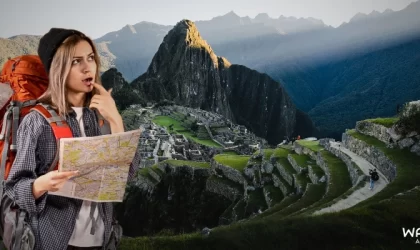
The best time to hike the Inca Trail to Machu Picchu
September is another strong month to hike the Inca Trail
September is a useful alternative for travelers who want generally dry trail conditions but prefer to travel after the core June–August period. Days can still be sunny, while temperatures gradually begin to move away from the coldest part of the Andean winter.
Rain probability starts to increase as the wetter months approach, so September should not be treated as a guaranteed dry month. It is better understood as a transition period that can provide a good balance between weather and seasonal demand.
Best time to hike the Inca Trail by travel priority
For generally drier trail conditions
June through August are usually the strongest months if lower rainfall probability is your main concern. Trails are generally firmer and long periods of clear weather are more common, but nights can be cold and demand is typically stronger.
For green landscapes
March and April can be attractive if you prefer greener slopes and vegetation after the wetter season. Rain, cloud and wet trail sections remain more likely than during the middle of the dry period.
For a balance of conditions
May and September are strong options for travelers who want to balance generally favorable hiking conditions with the characteristics of the shoulder periods around the core dry-season months.
For fewer peak-season visitors
November, December and January can experience less peak dry-season pressure, but you trade that advantage for a greater likelihood of rain, fog, muddy terrain and changing visibility.
Dry season vs rainy season on the Inca Trail
| Factor | Generally drier period | Wetter period |
| Approximate period | April–October | November–March |
| Rainfall | Generally lower, but showers remain possible | More frequent rain and cloud |
| Trail surface | Usually firmer | More likely to be wet, muddy or slippery |
| Landscape | Progressively drier through the middle of the season | Greener vegetation |
| Night conditions | Colder, especially around June–August | Generally milder but wetter |
| Demand | Usually stronger during the core dry-season months | Often lower outside holiday periods |
Important note: The Andes do not follow an absolute weather calendar. Rain, fog and cloud can occur during traditionally drier months, while wetter-season trips can also include clear periods. Treat seasonal patterns as planning guidance rather than a weather guarantee.

Rainier periods can bring cloud and mist to the final approach, while also keeping the surrounding mountains visibly greener.
Inca Trail weather by month
| Month | Trail status | General conditions | Planning note |
| January | Open, subject to conditions | Wet, cloudy and green | Prepare for rain and muddy sections |
| February | Closed | Annual conservation period | Choose another month or another route |
| March | Open | Wet-season transition | Green scenery with rain still possible |
| April | Open | Transition toward drier weather | Good greenery with improving trail conditions |
| May | Open | Generally drier | One of the best overall balances |
| June | Open | Dry and colder | Strong demand and cold nights |
| July | Open | Generally dry and cold | Popular period with cold nights |
| August | Open | Generally dry, sometimes windy | Good visibility but strong sun exposure |
| September | Open | Generally dry transition | Another strong balance month |
| October | Open | Transition toward wetter conditions | More variable weather as rain probability increases |
| November | Open | Wetter and greener | Prepare for rain and changing visibility |
| December | Open | Wet, cloudy and green | More rain and fog, especially during changing weather systems |
What is the Inca Trail like in January?
January falls within the wetter part of the year. Travelers should expect a greater chance of rain, cloud, wet stone steps and muddy sections than during the core dry-season months.
The advantage is greener vegetation and a different visual character along the trail. Waterproof outer layers, a backpack rain cover and reliable hiking footwear become particularly important.
Why is the Inca Trail closed in February?
The regulated Inca Trail network normally closes throughout February for annual conservation, maintenance and ecosystem recovery work. This is not simply a recommendation to avoid the trail because of rain: tourist access to the regulated routes is suspended during the official closure period.
For 2026, SERNANP confirmed that the Inca Trail network would remain closed through February 28 and reopen on March 1. Closure dates and operational notices should always be checked for the specific year you plan to travel.
Current official notices are published by SERNANP.
What is the Inca Trail like in March and April?
March marks the return of trekking after the February closure, but the route can still experience significant rain. Vegetation is usually green, and travelers should still plan for wet conditions.
April is a transition month. Rainfall generally begins to decrease, but showers remain possible. For travelers interested in green scenery without committing to the wettest part of the year, April can be a useful compromise.
What is the Inca Trail like from June to August?
June, July and August sit within the generally driest part of the year and are strong months for travelers who prioritize firmer trails and lower rainfall probability. These months also bring colder nights, particularly at the higher camps.
Clear weather should never be treated as guaranteed. Mountain conditions can change quickly, so waterproof protection remains useful even during the driest part of the year.
June through August generally offer firmer trail conditions, but hikers should still carry protection for sudden mountain weather.
Is October a good month for the Inca Trail?
October can be a good transition-month option, but it should not be described as rain-free. The trail is moving from the generally drier part of the year toward wetter conditions, so sunny periods can be interrupted by showers and cloud.
For travelers comfortable with less predictable weather, October can provide a middle ground between the core dry-season months and the greener rainy-season period.
Is November a good month for the Inca Trail?
November is one of the most important shoulder-season months to consider. Rain becomes more likely, trail surfaces can become wetter and vegetation begins to respond to the changing conditions.
Travelers choosing November should be comfortable hiking in variable weather and should prioritize waterproof layers and good footwear. In exchange, the experience can feel different from the drier core season, with greener landscapes and greater cloud variation.
What is the Inca Trail like in December?
December falls within the wetter part of the year. Expect a higher probability of rain, mist and cloud, along with greener mountain scenery.
Holiday travel can still affect demand, so December should not automatically be treated as an empty or low-demand month. Check permits and tour availability before fixing the rest of your itinerary.

Temperature Reference Table for the Inca Trail
How permit demand can affect the best month
Weather is only one part of choosing when to hike. The Inca Trail is regulated, and availability can affect whether your preferred month is actually possible.
Popular dates during the generally drier period can sell out well in advance. Instead of relying on one universal rule such as “book exactly six months ahead,” check availability for your specific departure date before purchasing fixed flights or nonrefundable hotels.
For the booking process, route permits and what happens when dates sell out, use the Inca Trail permits guide.
What to pack changes with the season
The basic trekking kit remains similar throughout the year because mountain weather can change quickly. The difference is which items become especially important.
| Drier months | Wetter months |
| Warm layers for colder nights | Waterproof shell or poncho |
| Sun protection | Backpack rain cover |
| Reusable water bottle | Quick-drying layers |
| Waterproof layer for unexpected rain | Footwear with reliable traction |
| Hat and sunglasses | Dry bags for electronics and documents |
For the complete gear checklist rather than a seasonal summary, see the Inca Trail packing list.
Does the season change the difficulty of the Inca Trail?
The route itself does not become shorter or lower depending on the month, but trail conditions can change how difficult it feels. Wet stone steps and muddy sections can require more careful footing during rainier periods, while colder nights and strong sun exposure can add challenges during the drier months.
The Classic Inca Trail still involves several days of hiking, significant elevation changes and high-altitude terrain regardless of season. If your main concern is physical preparation, altitude or route difficulty, use the complete Inca Trail guide.

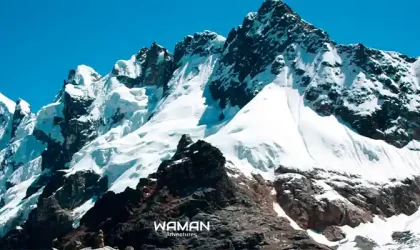
Inca Trail to Machu Picchu, high season vs low season.
Common mistakes when choosing when to hike
- Assuming dry season means zero chance of rain.
- Choosing a month only for weather without checking permit availability.
- Expecting November, December or January to be completely empty.
- Planning for February without checking the annual Inca Trail closure.
- Ignoring cold nighttime temperatures during the drier winter months.
- Using Machu Picchu weather alone to predict conditions across the entire multi-day trail.
- Booking flights and hotels before confirming that the regulated trail is available for your preferred date.
Frequently asked questions about the best time to hike Inca Trail
What is the best month to hike the Inca Trail?
May is one of the strongest overall choices because conditions are generally becoming drier while the landscape can still retain greenery from the wetter season. September is another strong option later in the generally dry period.
What is the driest time to hike the Inca Trail?
June through August generally have lower rainfall probability than the wetter months. They also bring colder nights and typically stronger demand, so weather is not the only factor to consider.
Does it rain on the Inca Trail during the dry season?
Yes. Rainfall is generally lower during the drier months, but rain, cloud and fog can occur at any time in the Andes. Waterproof protection is useful year-round.
Can you hike the Inca Trail in February?
No. The regulated Inca Trail network normally closes throughout February for annual conservation, maintenance and ecosystem recovery work. Check official notices for your specific travel year before planning.
Is May a good time to hike the Inca Trail?
Yes. May offers a useful balance of generally drier trail conditions and scenery that can still remain green after the wetter season. Permit demand can be strong, so availability should be checked early.
Is September a good time for the Inca Trail?
September is a strong option for travelers seeking generally dry conditions later in the season. Rain probability begins to increase as the wetter period approaches, so conditions are not guaranteed.
Is November a good month to hike the Inca Trail?
November can work well for travelers comfortable with variable weather. Rain becomes more likely and trails can be wetter, but landscapes become greener as the rainy period develops.
Is January a good month for the Inca Trail?
January is possible, but it falls within the wetter part of the year. Travelers should be prepared for rain, fog, muddy sections and lower visibility compared with the generally drier months.
When should I book the Inca Trail?
Book as early as practical once you know your preferred travel dates, especially for popular dry-season departures. Permit availability changes by date, so check current availability rather than relying only on a fixed number of months in advance.
Share:

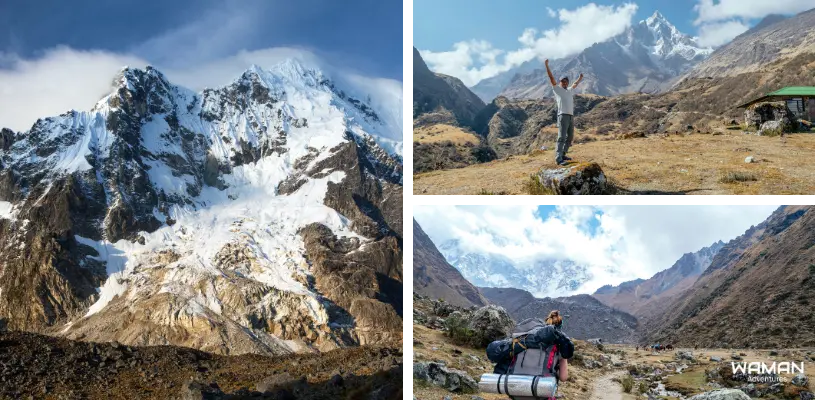

Related tours you might be interested in
Enjoy unique experiences in Cusco and Machu Picchu with the peace of mind that comes from working with a local travel agency

Choquequirao to Machu Picchu Trek 7 Days | Private Service
The most epic and challenging adventure awaits! Dare to push your limits and embark on the ultimate...

10 Days Andean Dreamscapes – Lima, Ica, Cusco & Puno with Local Flights
YOUR NEXT DESTINATION IS PERU, THE LAND OF FASCINATING STORIES AND OUTSTANDING LANDSCAPES! With our...
HUMANTAY LAKE TOUR FULL DAY – Group Service
Venture to the heights with a dream trip to the Humantay Lagoon! In the depths of Peru's imposing...

07 Day Echoes of Peru – Lima, Ica & Cusco with Flights
IMAGINE YOUR PERFECT ESCAPE PLAN IN PERU, WHERE EVERY DAY IS THE PERFECT OPPORTUNITY TO EXPLORE AND...
If you liked this article and the information you found, give us 5 stars!
Table of Contents
Related blogs
Ideal clothing guide to take to Machu Picchu
12 min of reading