Handicraft Cusco made easy: What to buy, costs, best hours, and safety.
Ultima actualización en 6 November, 2025 por Waman Adventures
Last Updated on 6 November, 2025 by Waman Adventures
- Best Markets and Centers to Find Cusco Handicrafts
- Tips to Recognize Authentic Cusco Handicrafts for Tourists
- Typical Cusco Handicrafts You Shouldn’t Forget to Buy
- Best Time and Tips to Visit Cusco Handicrafts
- Practical Tips for Buying Cusco Handicrafts
- Cusco Handicrafts With Cultural and Natural Routes
- Buy Cusco Handicrafts, This Way You’ll Support Local Artisans
-
Frequently Asked Questions
- Where to buy authentic Cusco handicrafts?
- Is it safe to bargain at markets?
- How much should I budget for handicrafts?
- Can you pay by card or only cash?
- How long to take visiting handicraft market?
- What products are best to take to U.S.?
- Are there restrictions for taking handicrafts to my country?
- Is it possible to visit artisan workshops in Cusco?
Step into the world of Cusco handicrafts, where every textile and handmade piece reveals centuries of tradition and creativity. Discover how these authentic works connect history, culture, and identity, transforming your travel experience in the Andes. This guide invites you to appreciate the skill and meaning behind each creation the essence that makes Cusco handicrafts a true expression of Peru’s living culture.
Best Markets and Centers to Find Cusco Handicrafts
If you’re planning to buy authentic Cusco handicrafts, these are some of the most recommended places you can’t miss:
f you want to find authentic Cusco handicrafts, here are some of the best places to visit for quality pieces, fair prices, and genuine cultural experiences you should not miss:
San Pedro Market
- Location: you’ll find it in Cusco’s historic center, just minutes walking from Plaza de Armas. It’s one of the most well known and visited places by tourists wanting authentic local experience.
- Description: you’re before the city’s oldest market, founded in 1925. It was designed by Gustave Eiffel, giving it historical and architectural value making it even more interesting to tour.
- They offer: fruits, artisan breads, traditional food, dairy products, and more.
- Handicrafts: ponchos, chullos, blankets, hand painted ceramics, silverwork, and typical musical instruments.
- Medicinal herbs: like coca leaves, muña, cat’s claw, arnica, among other traditional plants

Handicraft Center Cusco
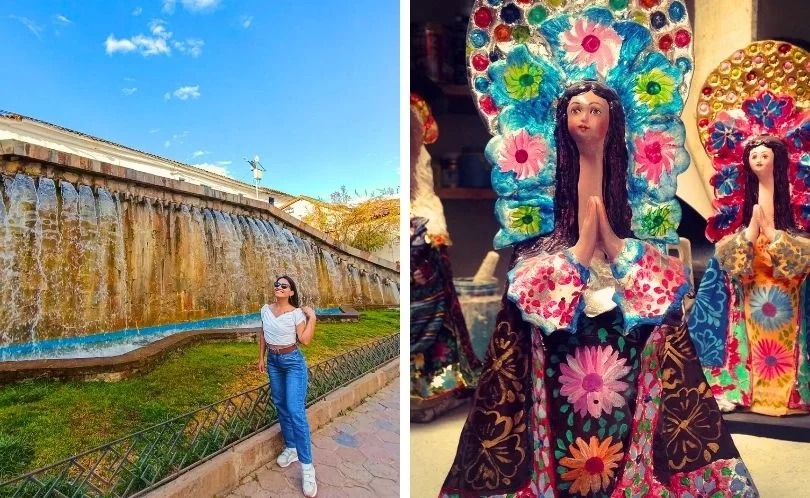
- Location: it’s located on Av. El Sol, corner with Av. Tullumayo, right in front of fountain known as “Paqcha de Pumaqchupan”.
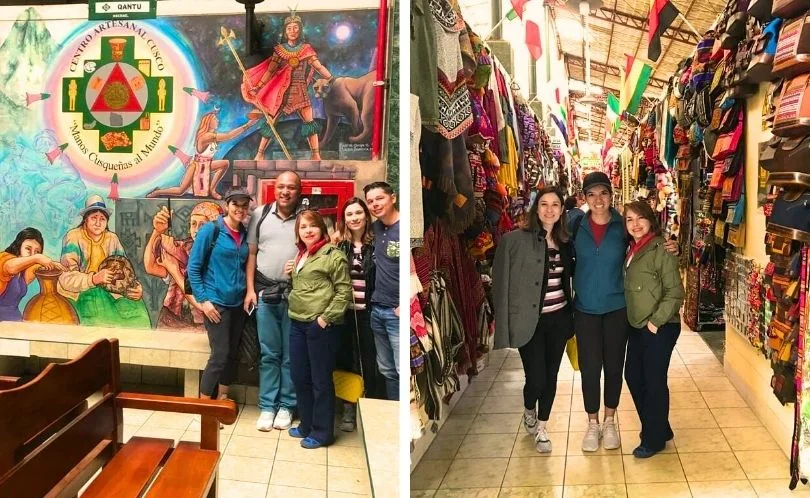
- Description: here you’ll find around 350 Cusco handicraft shops, and you can visit between 9:00 a.m. and 8:00 p.m. Place has security, ATMs, Andean music, and welcoming atmosphere to tour calmly.
- Workshops: you can talk directly with artisans attending their stalls. Additionally, center’s walls display murals and paintings reflecting Andean culture scenes.
- They offer: silverwork, paintings, alpaca and wool textiles, paintings, sculptures, and great variety of traditional pieces.
San Blas Neighborhood
- Location: it’s located atop hill, few steps from Hatun Rumiyoc Street. You’ll arrive walking through charming cobblestone streets.
- Description: this is Cusco’s artistic and bohemian neighborhood. Here you’ll tour narrow streets surrounded by art workshops, galleries, cafés with panoramic view, and traditional handicraft shops.
- Workshops: many artisan families have worked for generations in this area. You can visit Hilario Mendívil Workshop, Olave Workshop, or Mérida Gallery, recognized for their religious art, sculpture, and traditional Cusco design.
- They offer: blankets, ponchos, bags, tapestries made with natural dyes and textiles respecting ancestral techniques.
Remember that:
You should dedicate at least one or two hours to explore calmly and talk with artisans.
Tips to Recognize Authentic Cusco Handicrafts for Tourists
| Category | What You Should Look For | What to Avoid | Practical Advice |
| Materials |
|
|
|
| Dyes |
|
|
|
| Technique |
|
|
|
| Certifications |
|
|
|
| Purchase Points |
|
|
|
| Fair Price |
|
|
|
| Physical Verification |
|
|
|
Typical Cusco Handicrafts You Shouldn’t Forget to Buy
Traditional Andean Textiles
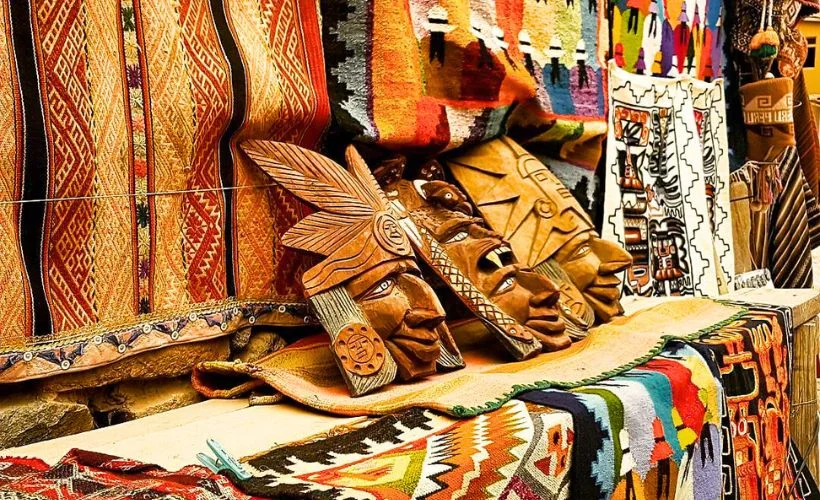
- During your visit, make sure to explore the world of Cusco handicrafts and take home some of the most iconic pieces of Andean culture. You’ll find beautifully woven ponchos, chullos, llicllas (blankets), and chumpis (belts) made on backstrap loom, an ancestral technique preserving symbolic patterns transmitted for generations.
- Chullo, characteristic Andean hat with earflaps, is both functional and decorative garment. It’s usually made with alpaca, llama, vicuña, or sheep fiber, materials recognized for their quality and warmth.
Warning:
Be careful with cheap imitations; many don’t use authentic materials like genuine alpaca.
Cusco Ceramics
- Traditional Cusco ceramics reflect fusion between pre Columbian art and contemporary creativity. Communities like Raqchi, Cuyo Grande, and Cuyo Chico continue making utilitarian and decorative pieces artisanally.
- Additionally, you’ll find work by recognized artists like Pablo Seminario and Julio Gutiérrez, who have contributed innovation to this tradition. Their creations range from dinnerware with Inca design to murals and modern sculptures, always with Andean identity.
Artisan Silver Jewelry
- Cusco goldsmithing is one of finest artistic expressions you can take as souvenir. Many artisans work with silver and bronze, creating detailed figures like little llamas, bells, teapots, necklaces, and other accessories.
- These pieces not only stand out for their beauty, but also for detail level and symbolic charge they represent in Andean worldview.

Best Time and Tips to Visit Cusco Handicrafts
Ideal Time for Your Trip
- Dry season, running from May to October, is most advisable for visiting Cusco. During these months you’ll enjoy clear skies, sunny days, and perfect conditions for walking, touring markets, workshops, and outdoor fairs.
- If you prefer to avoid crowds, but still want good weather, it’s convenient to travel in transition months: April, May, September, or October. These are times with good weather and less tourist flow.
Recommended Hours to Visit
- It’s best to go to markets between 9:00 a.m. and 2:00 p.m. During that schedule you’ll find most stalls open, with greater activity and product variety.
- Additionally, in morning you’ll have better natural lighting, allowing you to better appreciate Cusco handicrafts’ details, colors, and textures.
Payment Method
- Some tourist shops accept credit cards, but in most traditional markets and Cusco handicraft fairs, cash payment in Peruvian soles is most common.
- Therefore, it’s important to bring sufficient cash when making your purchases.
- If you’re going to pay by card, make sure your bank doesn’t charge additional fees for international transactions. Also check if your card is accepted at small establishments, as many don’t have POS system.

Practical Tips for Buying Cusco Handicrafts
Bargain With Respect
Negotiating price is common practice at handicraft center cusco markets. It’s advisable to start offering between 20% and 30% less than initial price, then adjust offer in friendly and cordial manner. Courtesy makes difference.
Always Have Soles and Cash on Hand
Try to carry cash in Peruvian soles, as many artisan stalls don’t accept cards. Additionally, using card in some places can generate fees or surcharges for international payments. Carrying cash will facilitate purchases and allow you to negotiate better.
Support Artisans Directly
Whenever you can, buy directly from producers. Many of them work in cooperatives or family workshops, where your purchase has direct impact. Excellent option is Traditional Textiles Center of Cusco (CTTC), where fair trade and preservation of ancestral techniques are promoted.

Choose Practical Transportation Methods
Most markets and artisan centers are short distance from Cusco’s Plaza de Armas, so you can easily arrive on foot. Walking is not only practical, but also allows you to enjoy colonial architecture and city’s daily life.
Cusco Handicrafts With Cultural and Natural Routes
Explore Sacsayhuamán and Different Archaeological Sites:
Just minutes from Cusco center, you can visit Sacsayhuamán fortress, an essential site for its monumental architecture and deep historical significance.
I recommend combining this visit with tour of historic center and nearby artisan workshops, where you can appreciate fusion between past and current cultural expressions.
Tour Sacred Valley
From Cusco, you can travel to Sacred Valley of Incas. In Pisac, you’ll have opportunity to explore both its artisan market and its famous agricultural ruins.
Then you can continue to Ollantaytambo, archaeological site that was ceremonial, military, and urban center, still preserved with its original Inca layout.
Visit Machu Picchu
Of course, you can’t leave out of your trip majestic Machu Picchu citadel, considered one of modern world’s seven wonders.
This excursion is unique experience highly valued by those wanting to close their cultural tour with direct connection to Inca legacy.
Buy Cusco Handicrafts, This Way You’ll Support Local Artisans
- Buy directly at workshops or local fairs.
- Support fair trade centers.
- Participate in workshops and cultural experiences.
- Visit less touristy communities.
- Share reviews and recommendations.
Buying Cusco handicrafts is way to support and take authentic souvenirs. If you don’t know how to find best markets, identify genuine products, what’s best time to visit, or have doubts about prices, here we help you with essentials so your experience is safe and satisfactory. Waman Adventures is ready to help you plan your trip, offering personalized attention and expert advice. Contact us at +51 946459491 or visit us on our website https://www.wamanadventures.com/es/. Get going now!
Frequently Asked Questions
Where to buy authentic Cusco handicrafts?
Most recommended Cusco handicraft places are:
- Handicraft Center Cusco (Av. El Sol): gathers over 300 shops with wide product variety and competitive prices.
- San Pedro Market: traditional market very popular among locals and tourists, ideal for textiles, leather, ceramics, and typical foods.
- San Blas Neighborhood: area recognized for its artistic atmosphere, where you’ll find artisan workshops selling unique and handmade pieces.
Is it safe to bargain at markets?
Yes. Bargaining is common practice at artisan markets. Most important is doing it with respect and cordially.
How much should I budget for handicrafts?
- Small souvenirs (keychains, magnets, bracelets): from $5 to $15.
- Traditional textiles (chullos, scarves, bags): between $20 and $50.
- High quality products (alpaca ponchos, silver jewelry, fine ceramics): from $70 to $150 or more.
Can you pay by card or only cash?
Although some larger stores accept cards, most market vendors prefer cash, especially in Peruvian soles. Some accept dollars, but exchange rate can be unfavorable.
How long to take visiting handicraft market?
At least one to two hours is recommended to explore calmly, compare prices, and talk with artisans. In places like San Blas neighborhood.
What products are best to take to U.S.?
Most advisable Cusco handicraft items are:
- Handmade Andean textiles, like blankets, scarves, or tapestries
- Decorative ceramics with traditional motifs
- Peruvian silver jewelry with stones like turquoise, spondylus, or chrysocolla
- These products are lightweight, durable, and usually don’t present customs problems.
Are there restrictions for taking handicrafts to my country?
- Products with untreated wood.
- Objects containing feathers, skin, or wild animal parts.
- Items made with protected species or materials without certification.
Is it possible to visit artisan workshops in Cusco?
Yes, many workshops in neighborhoods like San Blas are open to public and allow seeing up close how handicrafts are made. Some even offer interactive experiences where you can learn traditional weaving, ceramics, or silverwork techniques.