Cusco Rainy Season When It Rains and How to Plan
Ultima actualización en 16 November, 2026 por Jhon Quispe
Last Updated on 16 November, 2026 by Jhon Quispe
When is the rainy season in Cusco?
Cusco’s main rainy season runs from November through March, with January and February usually the wettest months. April is a transition month, so showers can still occur. Cusco and Machu Picchu remain visitable during this period, but outdoor plans need more flexibility and the regulated Inca Trail network closes during February for annual maintenance.
- Cusco rainy season at a glance
- Cusco rainy season weather in practice
- Cusco rainy season vs dry season
- Machu Picchu and the Inca Trail during rainy season
- How rain affects roads, trains and trekking
- What to pack for Cusco rainy season
- Rainy-day activities in Cusco
- Common mistakes when planning Cusco rainy season
- Plan a Cusco rainy-season trip with enough flexibility
-
Frequently asked questions about Cusco rainy season
- Does it rain all day in Cusco during rainy season?
- What are the rainiest months in Cusco?
- Is February a good month to visit Cusco?
- Is the Sacred Valley open during rainy season?
- Are there fewer tourists during Cusco rainy season?
- Is Cusco cheaper during rainy season?
- Does rainy season increase the risk of altitude sickness?
- Is Cusco worth visiting during rainy season?
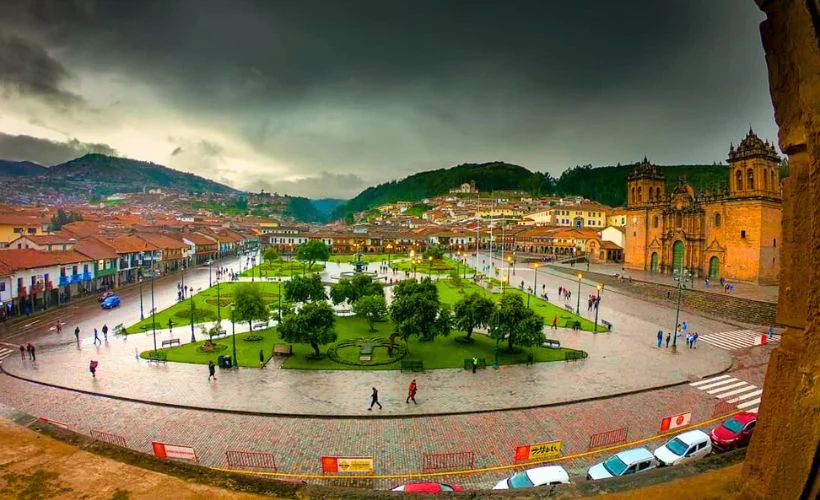
Rainy-season travel in Cusco is less about constant rain than about unpredictability. A day can shift from brighter periods to cloud and showers within hours, so the practical trade-off is greener scenery and generally lower visitor demand in exchange for wetter surfaces, variable visibility and more schedule flexibility.
Cusco rainy season at a glance
The wetter period does not begin and end on an exact calendar date. November can still include long dry periods, while April can bring occasional showers even as conditions gradually become drier.
| Planning detail | What to expect |
| Main rainy period | November–March |
| Wettest core months | January and February |
| Transition month | April, with decreasing but still possible rain |
| Typical pattern | Periods of sun, cloud and showers; afternoon rain is common but not guaranteed |
| Landscape | Greener mountains, valleys and agricultural areas |
| Visitor demand | Generally lower than the busiest June–August period outside holiday peaks |
| Machu Picchu | Normally remains open throughout the rainy season |
| Classic and Short Inca Trail | The regulated trail network closes during February for annual maintenance |
| Main planning concern | Wet surfaces, changing visibility and occasional weather-related transport or trail disruption |
If you need detailed temperatures and rainfall for a particular month rather than rainy-season planning, use the Cusco weather by month guide.
Cusco rainy season weather in practice
Rainy season does not usually mean that every day is wet from morning to night. Conditions can change quickly, with periods of sun followed by cloud, light showers or heavier rain.
Afternoon showers are common enough to influence daily planning, but they are a tendency rather than a fixed schedule. Rain can also arrive in the morning, and some days may remain cloudy for longer periods.
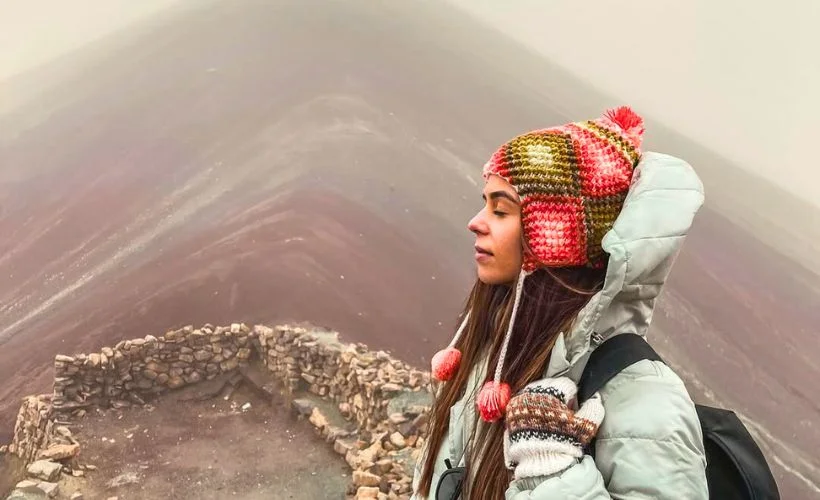
Daytime conditions can still feel mild, while mornings and evenings remain cool because Cusco sits at high elevation. Rainy weather does not remove the need for warm layers, sunscreen or sun protection.
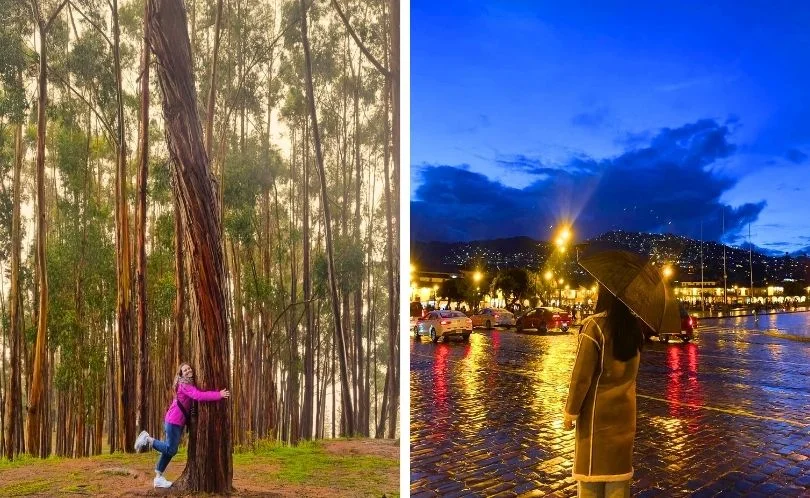
Important note:
Rainy season itself does not make altitude sickness more likely. Altitude response is primarily related to elevation, ascent rate and individual susceptibility rather than whether it is raining.
Cusco rainy season vs dry season
The wetter months are not automatically better or worse. They suit travelers who value greener scenery and can accept greater weather variability, while the drier period is generally easier for those prioritizing trekking conditions and more predictable visibility.
| Factor | Rainy season | Generally drier season |
| Main period | November–March, with April as a transition | Approximately May–October |
| Rain probability | Higher | Lower, although showers remain possible |
| Landscape | Greener vegetation and fuller rivers | Drier hillsides and less lush vegetation |
| Trail conditions | More mud and slippery surfaces possible | Generally firmer and drier |
| Visibility | Cloud and fog are more frequent | Long clear periods are more likely |
| Visitor demand | Generally lower outside holiday peaks | Generally higher, especially June–August |
| Availability and rates | Can sometimes be more favorable outside holidays | Higher demand can reduce availability and increase rates |
| Best suited to | Flexible travelers who value green landscapes | Travelers prioritizing lower rainfall probability and trekking conditions |
Machu Picchu and the Inca Trail during rainy season
Machu Picchu remains open
Machu Picchu normally remains open throughout Cusco’s rainy season, including February. The archaeological site should not be confused with the regulated Inca Trail network, which follows its own annual maintenance schedule.
Rain can still change the experience. Cloud may temporarily hide mountain views, stone surfaces become wet, and severe weather or operational issues can occasionally affect transportation.
A train-based visit therefore remains possible during the wetter months, but it is useful to keep flexibility in the itinerary instead of planning around guaranteed clear skies.

For season, visibility and visitor-demand trade-offs specifically at the archaeological site, use the best time to visit Machu Picchu guide.
The Inca Trail closes during February
The regulated Inca Trail network closes throughout February for annual conservation and maintenance. This is a scheduled closure rather than a general recommendation to avoid hiking simply because February is rainy.
Rainy-season months such as November, December, January and March are not automatically closed. Travelers should instead expect a greater chance of mud, cloud, rain and changing trail conditions.
Always verify the latest operating notice before booking. You can review the official SERNANP Inca Trail maintenance notice.
For a detailed trekking-season comparison, use the best time to hike the Inca Trail guide.
How rain affects roads, trains and trekking
Rain does not automatically stop travel around Cusco, but it can make some connections and outdoor plans less predictable.
Road travel
Paved routes normally continue operating during the wetter months, but prolonged or heavy rainfall can occasionally contribute to landslides, delays or temporary road restrictions in mountainous areas.
Remote roads and unpaved approaches are generally more sensitive to weather than the main routes connecting major tourism centers.
Train travel
Rail access to Machu Picchu continues during the rainy season, but schedules and operating formats can change. Some services may use combined bus-and-train arrangements during wetter months, while severe weather can occasionally cause delays or temporary operational changes.
If your itinerary includes an international flight or another fixed connection, avoid scheduling an unnecessarily tight return immediately after a weather-sensitive journey.
For stations, seasonal logistics and current rail planning, use the train to Machu Picchu guide.
Trekking
Mountain trails can become muddy and slippery, and low cloud can reduce visibility. In many cases the practical effect is a slower walking pace rather than an automatic route closure.
For remote or high-altitude hikes, current trail conditions and local instructions matter more than relying only on the seasonal calendar.
Keep this in mind:
During the wetter months, itinerary flexibility is more useful than trying to predict the exact hour of every shower. Leave reasonable margins around transportation connections and outdoor excursions.
What to pack for Cusco rainy season
Your packing list should reflect whether most of your trip will be spent in Cusco city or whether you are adding trekking, rural excursions or higher mountain environments.
Cusco city and cultural visits
- Light waterproof jacket: easier to carry when the day moves between sun, cloud and rain.
- Shoes with reliable grip: stone streets and sidewalks can become slippery when wet.
- Warm layer: mornings and evenings can still feel cool.
- Compact umbrella: practical for city sightseeing if you prefer it to a poncho.
- Water-resistant pouch: useful for your phone, documents and electronics.
- Sunscreen: UV exposure remains relevant at high altitude even under cloud cover.
Hikes and outdoor excursions
- Waterproof or water-resistant hiking footwear with reliable grip.
- Quick-drying pants rather than heavy fabrics that remain wet.
- Waterproof outer shell or trekking poncho.
- Backpack rain cover or internal dry bags.
- Dry spare layer for longer excursions.
- Extra protection for documents and electronics.
Insect repellent becomes more useful when your itinerary includes warmer and lower-elevation places such as Machu Picchu Pueblo or humid valleys. It is less central for ordinary sightseeing around high-altitude Cusco city.
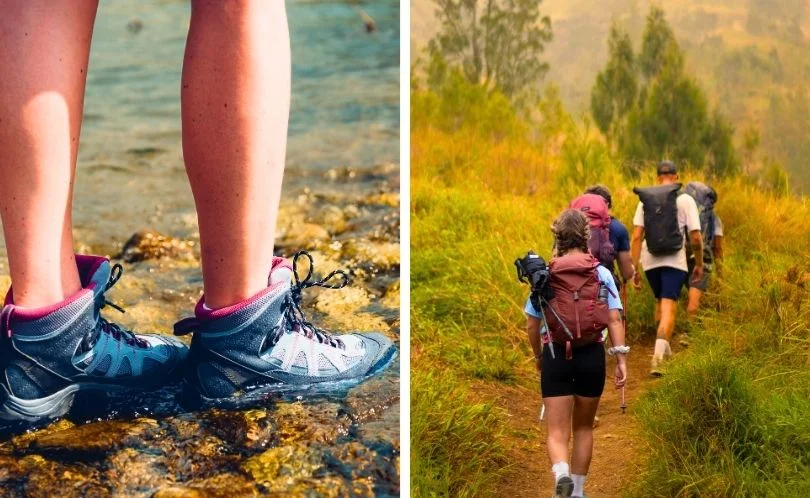
Rainy-day activities in Cusco
A useful rainy-season itinerary mixes activities that can continue in poor weather with outdoor plans that can move when visibility or trail conditions are unfavorable.
Lower weather-risk activities
- Museums and cultural centers in Cusco.
- Churches and indoor historical sites.
- San Pedro Market and other covered markets.
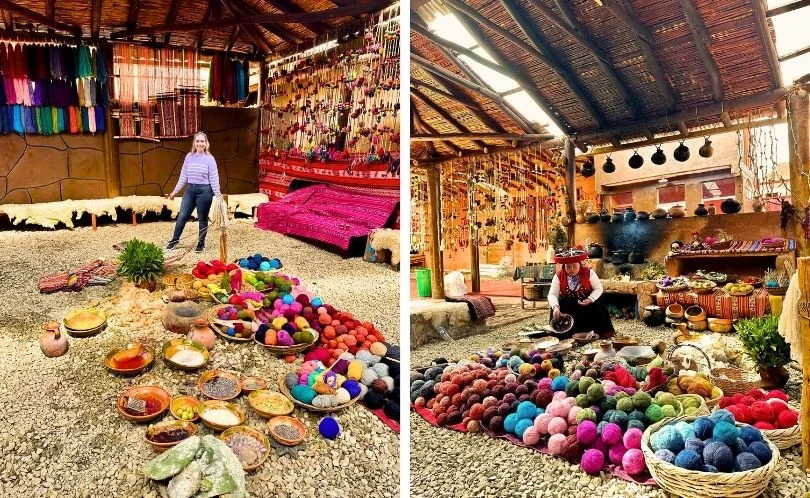
- Traditional weaving and pottery workshops.
- Cooking classes and gastronomic experiences.
Flexible outdoor activities
- Machu Picchu by train.
- Sacred Valley sightseeing.
- Archaeological sites around Cusco.
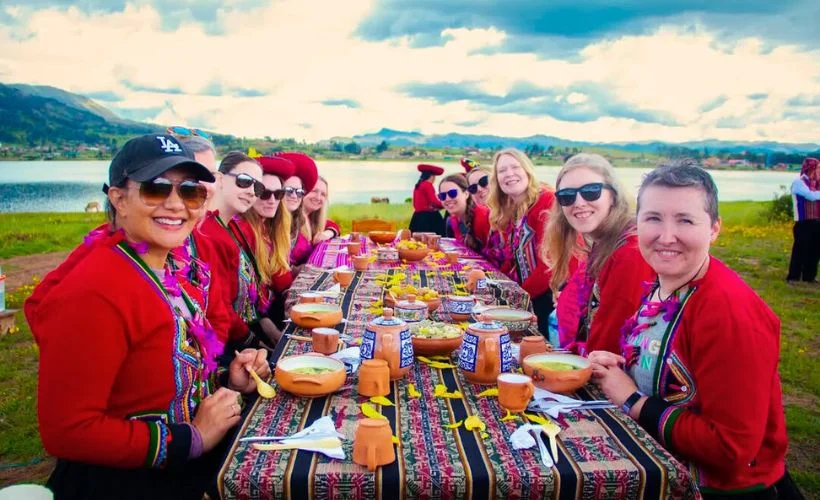
- Community-based tourism and textile experiences.
More weather-sensitive plans
- High-altitude trekking routes.
- Long hikes across exposed terrain.
- Remote excursions using unpaved mountain roads.
- Trips where a specific clear panoramic view is the main objective.
Hot springs in Lares or Machu Picchu Pueblo can fit naturally into an itinerary already passing through those destinations, but they are not simple rainy-afternoon alternatives from central Cusco because reaching them requires additional travel.
For activities beyond rainy-season planning, use the things to do in Cusco guide.
Seasonal festivals and cultural events
The rainy season also overlaps with several cultural celebrations. These events can add another dimension to a wetter-season trip, although the exact experience depends on your travel dates.
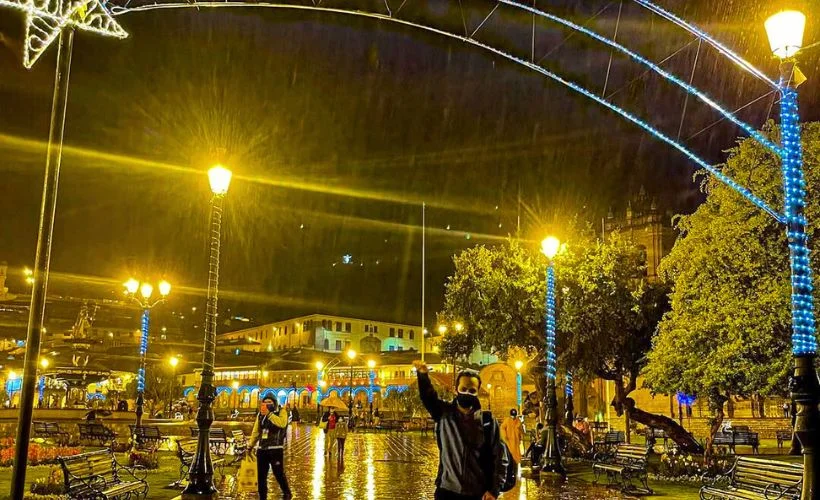
Santurantikuy and Christmas: December brings major Christmas activity to Cusco, including Santurantikuy, the traditional artisan fair held in the Main Square.
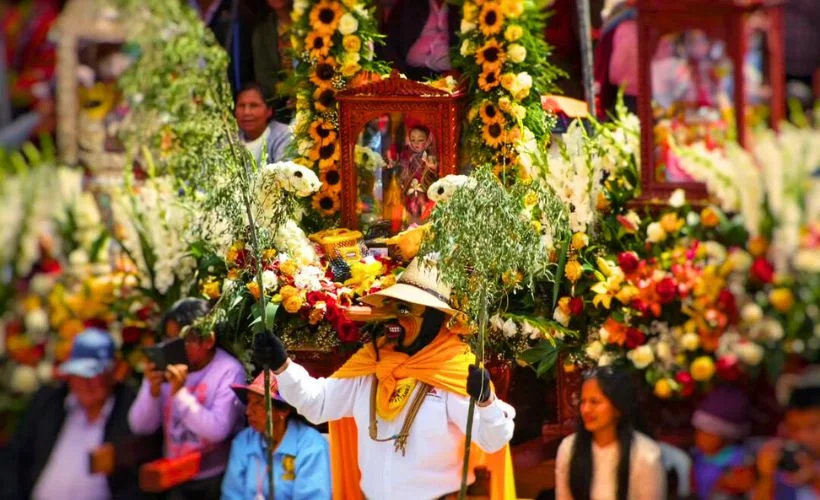
Epiphany: January 6 brings religious and community celebrations in parts of the Cusco region, including traditional processions and dances around some Sacred Valley towns.
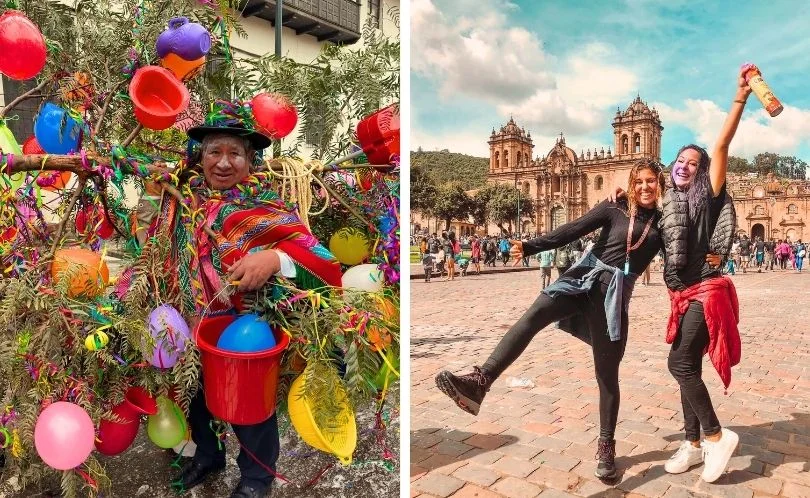
Carnival: February brings music, dancing, community celebrations and Yunsada traditions in parts of Cusco and the surrounding valleys. Customs differ between districts and communities.
Common mistakes when planning Cusco rainy season
- Assuming it rains continuously from morning to night every day.
- Planning every outdoor activity around a supposedly guaranteed sunny morning.
- Thinking Machu Picchu closes because the Inca Trail closes during February.
- Assuming the entire rainy season is closed for Inca Trail hiking rather than the scheduled February maintenance period.
- Believing rainy season itself causes a greater risk of altitude sickness.
- Planning very tight flight, train or road connections after weather-sensitive excursions.
- Assuming lower seasonal demand means attractions will always be empty or cheaper.
- Treating April as either completely rainy or completely dry instead of a transition month.
Plan a Cusco rainy-season trip with enough flexibility
Cusco remains a practical destination during the wetter months when the itinerary leaves room for changing visibility, wet trails and occasional transportation adjustments. If your dates fall between November and March and you want help balancing Machu Picchu, the Sacred Valley and weather-sensitive excursions, talk to a travel specialist.

Frequently asked questions about Cusco rainy season
Does it rain all day in Cusco during rainy season?
What are the rainiest months in Cusco?
Is February a good month to visit Cusco?
Is the Sacred Valley open during rainy season?
Are there fewer tourists during Cusco rainy season?
Is Cusco cheaper during rainy season?
Does rainy season increase the risk of altitude sickness?
Is Cusco worth visiting during rainy season?

Share:



Related tours you might be interested in
Enjoy unique experiences in Cusco and Machu Picchu with the peace of mind that comes from working with a local travel agency
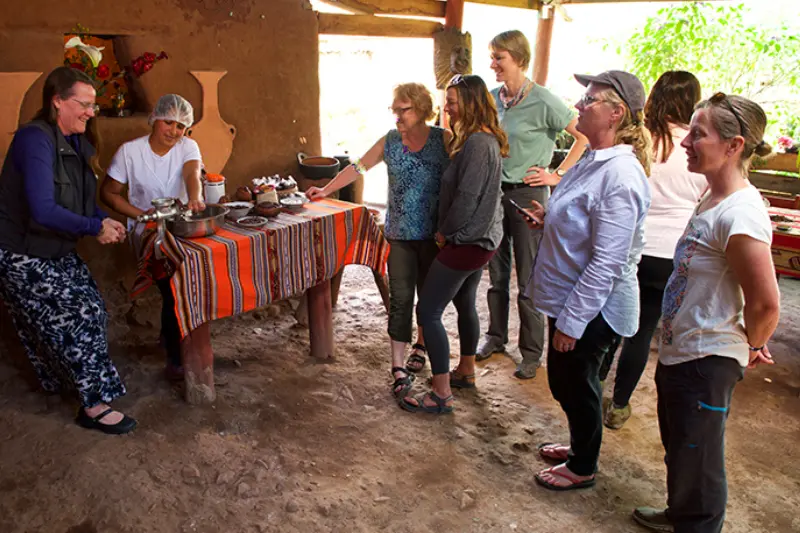
Rural and Agritourism Experience in Chichubamba
TRADITIONAL LIFE IN THE HEART OF THE SACRED VALLEY Let yourself be immersed in the mystique and...

Birdwatching Experience at Chacán Dam & Ensifera Camp
BIRD WATCHING IN CUSCO: CHACÁN & ENSIFERA CAMP Cusco is far more than history and dramatic...

Cusco Soccer Game Experience
EXPERIENCE CUSCO SOCCER LIKE A LOCAL Immerse yourself in one of Cusco’s most intense cultural...
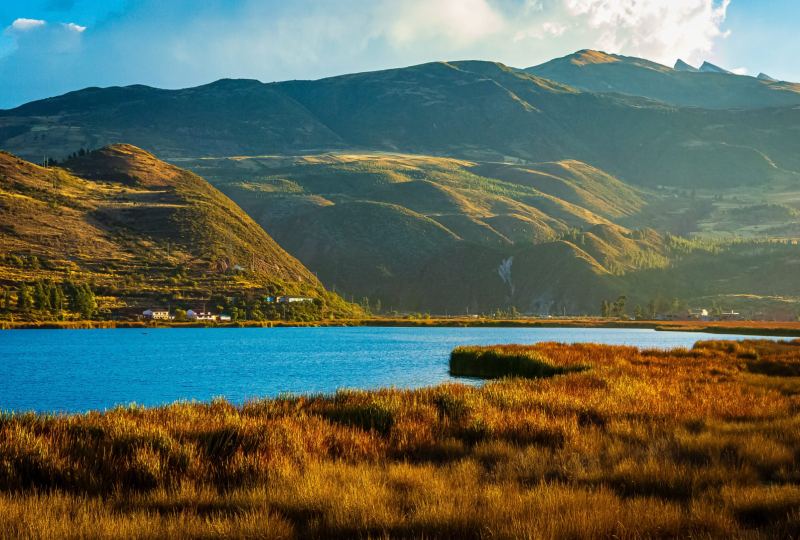
Huacarpay Birdwatching Experience
HUACARPAY: ANDEAN BIRD SANCTUARY Discover the natural richness of Huacarpay, a high-Andean wetland...
If you liked this article and the information you found, give us 5 stars!
Table of Contents
Related blogs
How to choose and compare a Peru tour package before booking
8 min of reading
Peruvian Music: Where the coast, highlands, and jungle sing together
8 min of reading