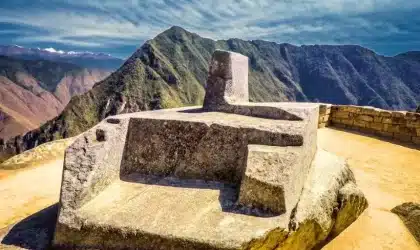
Lares Trek Difficulty Altitude and How to Prepare
Ultima actualización en 28 September, 2026 por Jhon Quispe
Last Updated on 28 September, 2026 by Jhon Quispe
How hard is the Lares Trek?
The Lares Trek is moderate to challenging rather than technically difficult. Waman’s current 4-day route covers about 19.3 mi (31 km) over three main hiking days and reaches 15,846 ft (4,830 m) at Sicllakasa Pass. Altitude is the biggest challenge for many hikers, while consecutive walking days, uneven terrain and changing weather add to the physical effort.
- Lares Trek difficulty at a glance
- How high is the Lares Trek?
- What is the hardest day of the Lares Trek?
- What makes the Lares Trek physically demanding
- How fit do you need to be for the Lares Trek?
- Acclimatization before the Lares Trek
- How weather changes the difficulty
- Does gear make the Lares Trek easier?
- Is the Lares Trek harder without a guide?
- Who may find the Lares Trek more challenging?
- Plan the Lares Trek with the right preparation
-
Frequently asked questions about Lares Trek difficulty
- Can a beginner do the Lares Trek?
- How many hours do you hike each day on the Lares Trek?
- Do I need previous multi-day trekking experience?
- Can I start the Lares Trek right after arriving in Cusco?
- Do trekking poles help on the Lares Trek?
- What footwear works best for the Lares Trek?
- Does rain make the Lares Trek more difficult?
- Can I hike the Lares Trek without a guide?
What makes Lares difficult depends on the hiker. For some travelers it is the thin air above 15,000 ft; for others it is sustained uphill walking, uneven terrain or recovering for another hiking day. Separating those factors gives you a more useful picture than a single difficulty rating.
Lares Trek difficulty at a glance
| Difficulty factor | Current planning reference | Impact on difficulty |
| Overall difficulty | Moderate to challenging for many travelers | Depends strongly on altitude tolerance and preparation |
| 4-day hiking distance | About 19.3 mi (31 km) | Moderate |
| Highest point | About 15,846 ft (4,830 m) at Sicllakasa Pass | High |
| Main hiking days | Days 1–3 | Consecutive effort adds fatigue |
| Hardest section | Climb toward Sicllakasa Pass on Day 2 | High |
| Terrain | Mountain paths, rocky sections and uneven ground | Moderate |
| Technical climbing | Not required on the standard 4-day route | Low |
| Weather exposure | Cold, sun, wind and rain are all possible | Moderate |

High altitude and uneven terrain increase the physical demand.
How high is the Lares Trek?
Waman’s current 4-day Lares Trek reaches approximately 15,846 ft (4,830 m) at Sicllakasa Pass. The exact maximum altitude can vary slightly between operators and route variants, so this figure should be understood as the planning reference for Waman’s current 4-day itinerary.
Highest point at Sicllakasa Pass
Sicllakasa is the key high point of the standard 4-day route and is normally reached on Day 2. The elevation makes this section physically demanding even though it does not involve technical climbing.

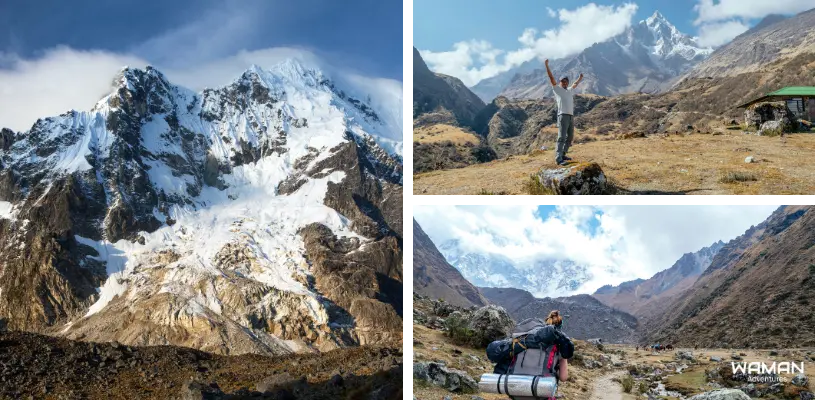
Sicllakasa Pass is the route’s main high-altitude challenge.
Why altitude matters more than mileage
A 19.3-mile (31 km) trek may not look extreme on paper, but distance does not describe the full challenge. Hiking above 13,000–15,000 ft can reduce your pace, increase perceived effort and make recovery between hiking days slower.
Important note:
Physical fitness helps with the work of hiking, but it does not prevent altitude illness. Altitude, rate of ascent and individual susceptibility are more important risk factors. Review the CDC guidance on high-altitude travel if you want a medical reference before trekking.
What is the hardest day of the Lares Trek?
Day 2 is generally the hardest trekking day on Waman’s current 4-day route because it combines a long hiking day with the climb toward Sicllakasa Pass at about 15,846 ft (4,830 m). The thin air usually makes this section feel harder than a similar climb at lower elevation.
| Day | Approx. distance | Main difficulty factor |
| Day 1 | About 6.8 mi (11 km) | First sustained hiking day and adjustment to higher elevations |
| Day 2 | About 7.5 mi (12 km) | Highest pass, prolonged ascent and altitude |
| Day 3 | About 5 mi (8 km) | Accumulated fatigue and descent toward Lares |
| Day 4 | No comparable Lares trekking stage | Machu Picchu visit after the road-and-train connection |
The hiking portion of the 4-day itinerary finishes in Lares on Day 3. Travelers then continue by road to Ollantaytambo and by train to Machu Picchu Pueblo before visiting Machu Picchu on Day 4. For the complete day-by-day route, see the Lares Trek 4-day itinerary.
What makes the Lares Trek physically demanding
The route is manageable for many active travelers, but the physical demand comes from combining high-altitude trekking with uneven terrain and several hiking days in a row.
Uneven mountain terrain
The route includes rocky paths, natural steps, dirt trails and sections that can become muddy or slippery after rain. Good footing matters more than hiking speed, especially on descents.
Consecutive hiking days
Most of the walking takes place over Days 1–3. A traveler who feels comfortable on a single day hike may still notice fatigue after several long days in succession, particularly while sleeping and recovering at altitude.

Remote mountain paths add terrain and logistical demands.
How fit do you need to be for the Lares Trek?
You do not need to be an athlete, but you should be comfortable walking uphill for several hours and repeating that effort on consecutive days. A basic hiking fitness level makes the route more manageable, particularly if you arrive acclimatized.
Do you need to train for the Lares Trek?
Training is recommended if you are not already active. The goal is not extreme fitness; it is getting your legs, lungs and joints used to long periods of walking.
- Build steady cardio with walking, cycling or similar aerobic exercise.
- Practice uphill walking, stairs or hills rather than training only on flat ground.
- Add moderate leg and core strength work for stability on uneven terrain.
- Do a few longer hikes before departure if possible.
- Practice carrying the same light daypack you expect to use on the trek.
- Include back-to-back walking days so your body gets used to consecutive effort.

Hill training prepares your legs for consecutive trekking days.
Acclimatization before the Lares Trek
Acclimatization can make a major difference in how the trek feels. Cusco itself is already at high altitude, and the Lares route climbs substantially higher. Spending time at elevation before the trek gives your body a chance to adjust before the hardest day.
Altitude illness can affect travelers regardless of fitness level. Headache, nausea, dizziness, unusual fatigue and sleep problems can be warning signs. Symptoms should not be dismissed simply because you are fit or have hiking experience.
Warning:
Tell your guide if altitude symptoms develop or worsen. Do not continue ascending simply to stay on schedule. Severe breathing difficulty at rest, confusion or problems walking normally require urgent attention and descent.
Hydration, moderate meals, avoiding heavy alcohol use and allowing time to acclimatize are practical preparation steps. Coca tea may be part of local tradition, but it should not be presented as a proven prevention or treatment for altitude illness.
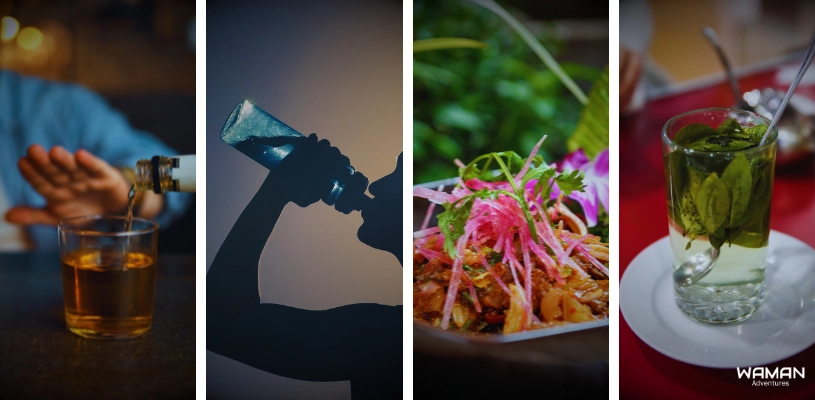
Acclimatization matters because fitness alone does not prevent altitude illness.
How weather changes the difficulty
Weather changes how the same trail feels. Waman’s current 4-day guide identifies May through September as generally drier months, while the wetter season can bring muddier ground and reduced visibility.
| Conditions | Effect on difficulty |
| Generally drier months | Firmer trail and clearer views, but colder nights and strong sun can still add stress |
| Rainier periods | Wetter ground, slippery sections, reduced visibility and more demanding footing |
| Cold mornings and nights | Can make recovery and early starts feel harder |
| Strong sun at altitude | Increases the importance of sun protection and hydration |
Does gear make the Lares Trek easier?
Gear cannot remove the altitude, but it can reduce unnecessary fatigue. Footwear, trekking poles and a light daypack have the most direct effect on how comfortable the route feels.
Footwear
Use broken-in hiking footwear with reliable grip. Uneven ground, wet sections and descents can become more tiring if your shoes do not provide enough traction or support.
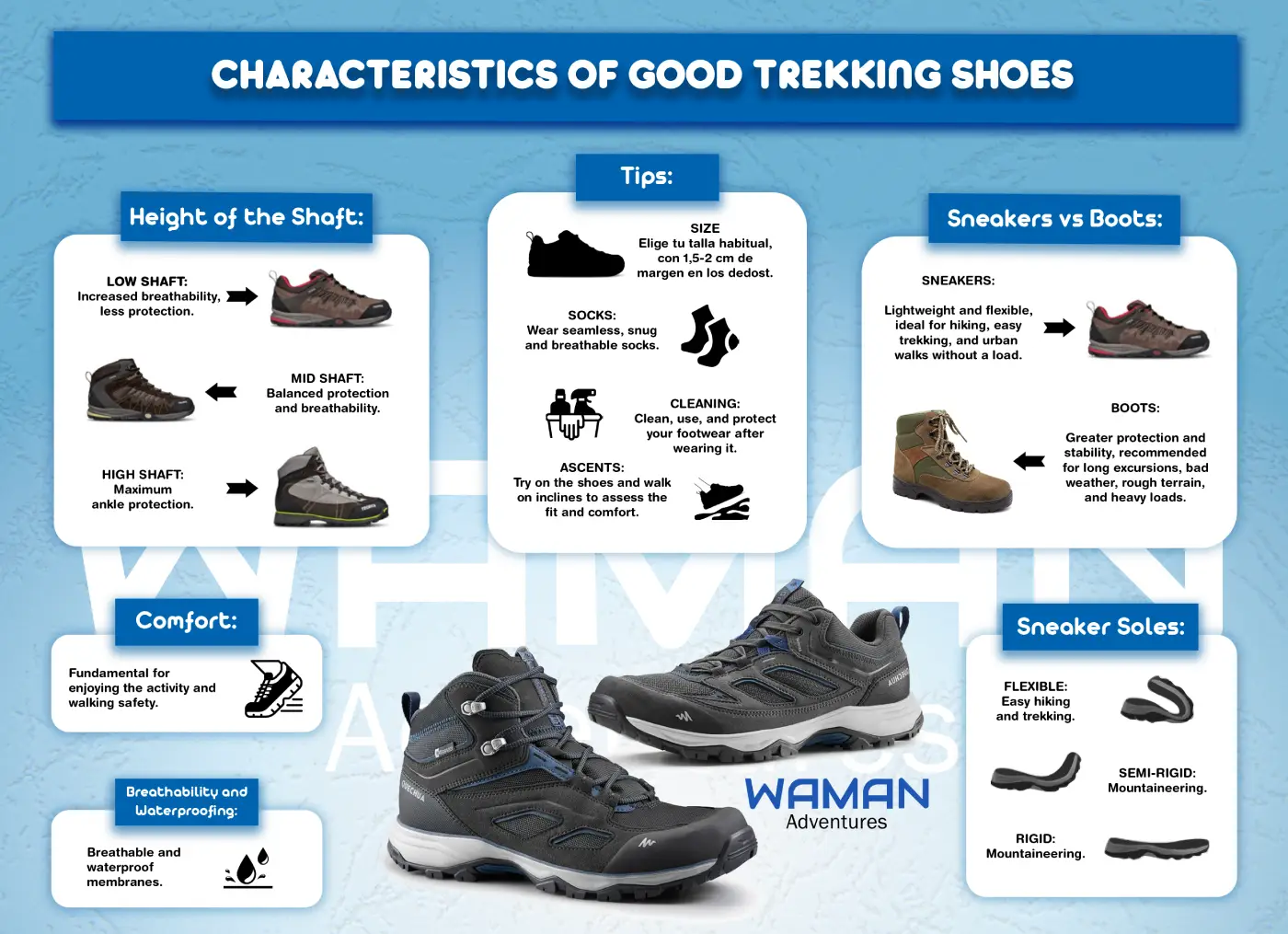
Trekking poles
Trekking poles can reduce stress on knees during descents and give additional balance on loose or irregular terrain. They are especially useful when the trail is wet or when fatigue increases later in the trek.
Daypack weight
Carry only what you need while hiking: water, snacks, rain protection, warm layers, sun protection, personal medication and other essentials. A heavier-than-necessary daypack increases effort on every climb.

Is the Lares Trek harder without a guide?
The Lares route itself does not use the same Inca Trail permit system, but hiking independently makes the logistics more demanding. Navigation, weather changes, remote sections, transport, camps, local coordination and emergency decisions all become your responsibility.
An experienced guide does not make the altitude disappear, but having route support can reduce decision-making pressure and help with pacing, logistics and monitoring how the group is responding to the conditions.
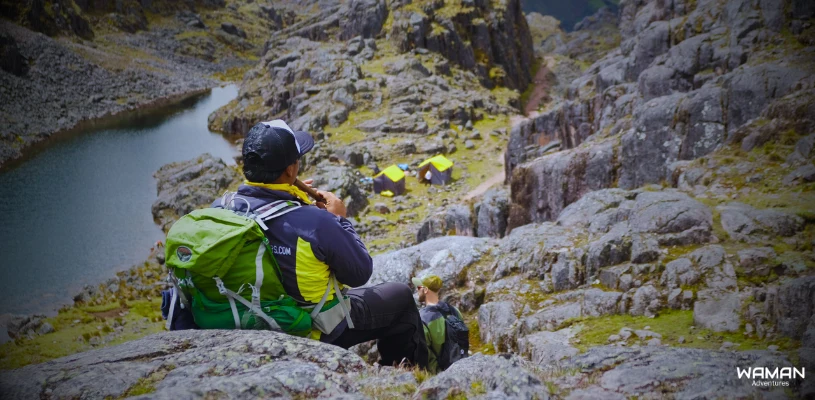
A guide can help with pacing, logistics and mountain conditions.
Who may find the Lares Trek more challenging?
Age alone does not determine whether someone can handle the trek. Hiking experience, health, acclimatization, mobility, recovery between hiking days and previous response to altitude are more useful planning factors.
- Travelers arriving in Cusco immediately before the trek may struggle more with altitude.
- People with little experience walking uphill for several hours may need a slower pace.
- Anyone with significant heart, lung or other medical conditions should discuss high-altitude travel with an appropriate healthcare professional before trekking.
- Children and older adults should be evaluated according to health, hiking experience and ability to manage long days rather than by a rigid age cutoff.
- Travelers carrying a heavy daypack usually make the route harder than necessary.
If you are deciding between this route and the Classic Inca Trail, see the Lares Trek vs Inca Trail comparison for altitude, terrain, archaeology and the overall trekking experience.
Plan the Lares Trek with the right preparation
The Lares Trek is achievable for many active travelers, but the 15,846-ft (4,830-m) pass deserves proper preparation. If the route fits your fitness and acclimatization plan, review the current Lares Trek itinerary.
Frequently asked questions about Lares Trek difficulty
Can a beginner do the Lares Trek?
A beginner with reasonable fitness can complete the route, but high altitude should not be underestimated. Acclimatization, steady pacing and some hiking preparation before the trip make the experience more manageable.
How many hours do you hike each day on the Lares Trek?
Daily hiking time varies by group pace, weather and route conditions. Travelers should be prepared for several hours of walking on each of the main hiking days rather than relying on one fixed daily time.
Do I need previous multi-day trekking experience?
No previous multi-day trek is strictly required, but experience with long uphill walks makes the route easier to judge. If you are new to trekking, train beforehand and arrive with enough time to acclimatize.
Can I start the Lares Trek right after arriving in Cusco?
Starting immediately after arrival gives you less time to adjust to altitude. Because the Lares route climbs well above Cusco, spending time at elevation before departure can make the trek more manageable.
Do trekking poles help on the Lares Trek?
Yes. Trekking poles can improve balance on uneven ground and reduce stress on the knees during descents, especially when the trail is wet or fatigue builds later in the trek.
What footwear works best for the Lares Trek?
Broken-in hiking footwear with dependable grip works best. The trail includes rocky, uneven and potentially muddy sections, so traction and comfort matter more than using a heavy mountaineering boot.
Does rain make the Lares Trek more difficult?
Rain can make the trail muddier and more slippery, reduce visibility and make footing more demanding. The underlying route does not become technically different, but the same hiking day can feel harder in wet conditions.
Can I hike the Lares Trek without a guide?
Independent trekking adds route finding, transport, camp logistics, weather decisions and emergency planning to the physical challenge. A guide does not remove the hiking effort, but route support can make the overall trek easier to manage.
Share:



Related tours you might be interested in
Enjoy unique experiences in Cusco and Machu Picchu with the peace of mind that comes from working with a local travel agency

10 Days Andean Dreamscapes – Lima, Ica, Cusco & Puno with Local Flights
YOUR NEXT DESTINATION IS PERU, THE LAND OF FASCINATING STORIES AND OUTSTANDING LANDSCAPES! With our...

07 Day Echoes of Peru – Lima, Ica & Cusco with Flights
IMAGINE YOUR PERFECT ESCAPE PLAN IN PERU, WHERE EVERY DAY IS THE PERFECT OPPORTUNITY TO EXPLORE AND...

10 Day Millenary Peru – Coast, Andes & Jungle
EXPERIENCE THE BEST OF PERU: ADVENTURE, ICONIC SIGHTS, AND UNIQUE FLAVORS AWAIT! Enjoy an...

02 DAY «EXPLORING» THE SACRED VALLEY AND MACHU PICCHU
CHINCHERO, MARAS AND MORAY WILL ENVELOP YOU IN THE MAGIC OF THE SACRED VALLEY. EACH EXPERIENCE WILL...
If you liked this article and the information you found, give us 5 stars!
Table of Contents
Related blogs