Trekking in Peru: Where adventure meets the spirit of the Andes
Ultima actualización en 12 November, 2025 por Waman Adventures
Last Updated on 12 November, 2025 by Waman Adventures
- Peru, One of the Best Countries on Earth for Trekking Adventures
- Main Regions for Trekking in Peru
- Main Trekking Routes in Cusco
- When to Go Trekking in Peru: Best Time and How Weather Affects
- What to Bring for Trekking in Peru: Essential Equipment
- Food and Lodging During Trekking
- Permits and Reservations for Your Hike
- Sustainable Trekking
- Tips for Routes You’ll Tour
- Frequently Asked Questions About Trekking in Peru
Trekking in Peru offers one of the most authentic ways to experience the country. It brings together breathtaking nature, ancient history, and a vibrant living culture in every step. From the world famous Inca Trail to hidden treasures such as Ausangate and Choquequirao, there is a route for every traveler. In this guide you will find everything you need to plan your journey including the best trails, essential gear, ideal seasons, and practical advice to enjoy your adventure.
Peru, One of the Best Countries on Earth for Trekking Adventures
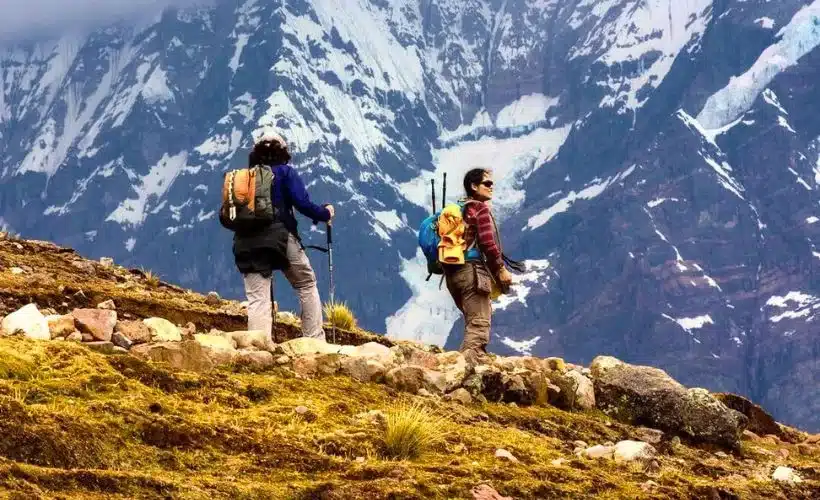
Peru stands out as one of the world’s most iconic destinations for trekking, offering an extraordinary variety of landscapes from the majestic Andes mountains to the lush Amazon rainforest. Each route reveals a different side of the country’s natural and cultural wealth, making trekking in Peru a truly unforgettable experience.
Additionally, the most legendary routes for trekking in Peru is the Inca Trail, where you can walk along original Inca stone paths surrounded by archaeological sites, cloud forests, and mountain passes. If you prefer less crowded routes, options like Lares or Choquequirao offer peaceful trails that connect you with nature and Andean traditions.
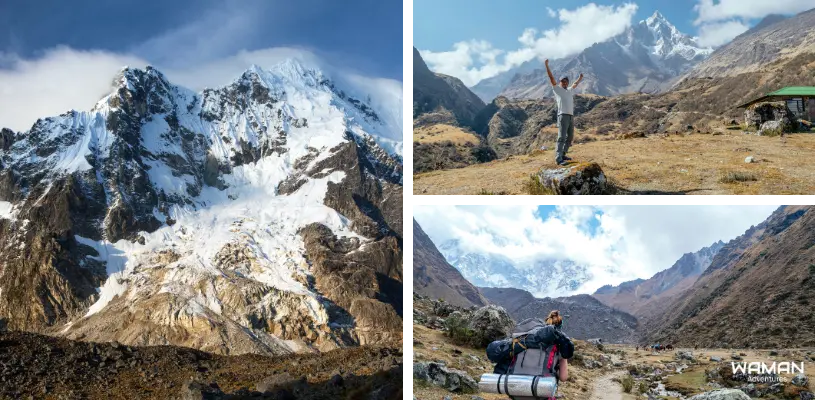
Trekking in Peru is not just about adventure; it’s also a journey into living culture. On trails like Salkantay, you’ll cross turquoise lagoons beside glaciers and pass through cloud forests that seem otherworldly. Each step brings you closer to the heart of the Andes and to the people who keep Peru’s ancient spirit alive.
Main Regions for Trekking in Peru
Cusco
It’s the epicenter of Andean trekking.
Featured routes:
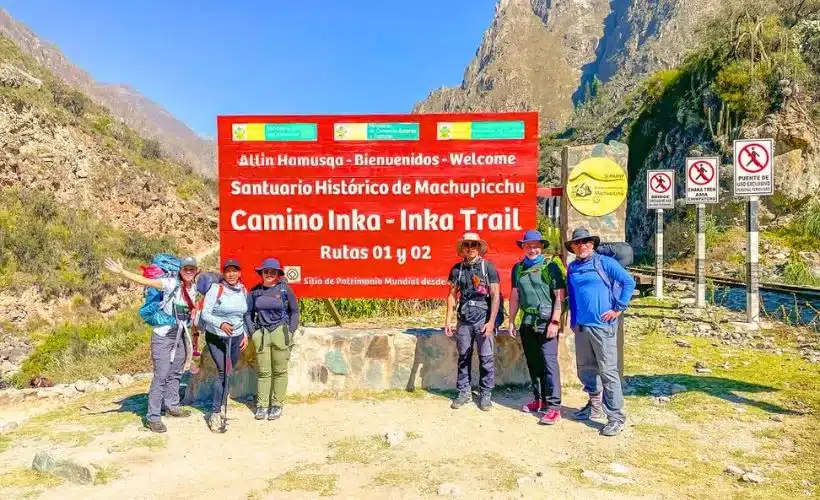
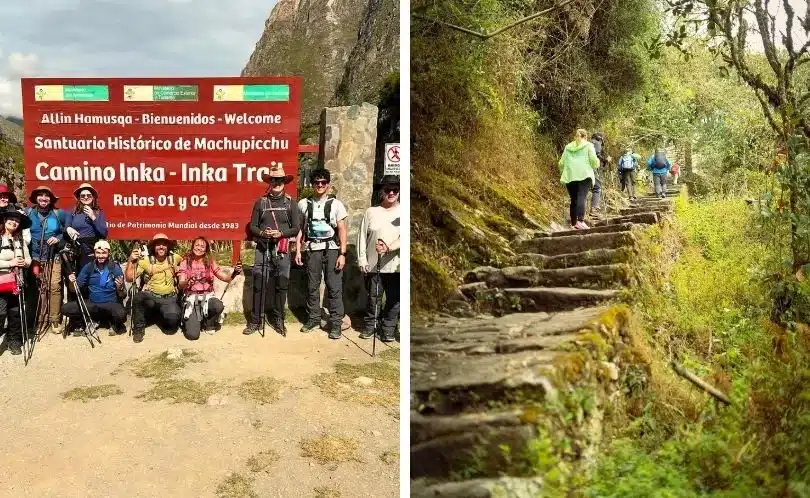
- Inca Trail to Machu Picchu (4 days): it’s the country’s most famous route.
- Salkantay Trek (5 days): it’s a scenic alternative to Inca Trail, passing through snow peaks and jungle.
- Lares Trek: it’s less touristy, with traditional communities.
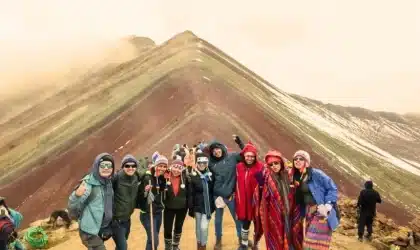
- Ausangate Trek: you’ll see high mountain landscapes and Seven Colors Mountain.
Áncash
Here is home to Cordillera Blanca.
Featured routes:
- Santa Cruz Trek (4–5 days): you’ll tour glacial lagoons, and have Alpamayo views.
- Laguna 69 (1 day): it’s a highly demanding trek with spectacular views.
- Huayhuash Circuit (10+ days): one of the world’s most beautiful circuits, requires good acclimatization.
Arequipa
It has volcanic landscapes and deep canyons.
Featured routes:
- Colca Canyon (2–3 days): it’s one of the world’s deepest canyons, Andean condor habitat.
- Misti Volcano (2 days): it has ascent to an active volcano.
- Chachani Volcano: you ascend by 4×4 most of the way, but still requires acclimatization.
Did you know…?
The original Inca Trail had more than 18,641 miles (30,000 km), connecting the entire Inca Empire from Colombia to Chile.
Main Trekking Routes in Cusco
Inca Trail to Machu Picchu
- Altitude: You go from 7,972 feet (2,430 meters) at Machu Picchu; however, the route’s highest point is Warmi Wañusqa, at 13,829 feet (4,215 meters).
- Duration: It’s a classic route lasting around 4 days and covering approximately 26 miles (42 km).
- Weather: From May to October dry weather predominates. In February, the Inca Trail closes for maintenance.
Hiking time:
- Day 1: Cusco – Piscacucho – Wayllabamba.
- Day 2: Wayllabamba – Warmi Wañusqa – Pacaymayu.
- Day 3: Pacaymayu – Chaquiqocha – Wiñaywayna.
- Day 4: Wiñaywayna – Machu Picchu.
Highlights: On the route you’ll enjoy Inca archaeological sites, high mountain passes, and unforgettable views.
Landscapes: You’ll cross cloud forests, high mountain areas, and trails surrounded by history, to finally delight in epic Machu Picchu views.
Salkantay Trek
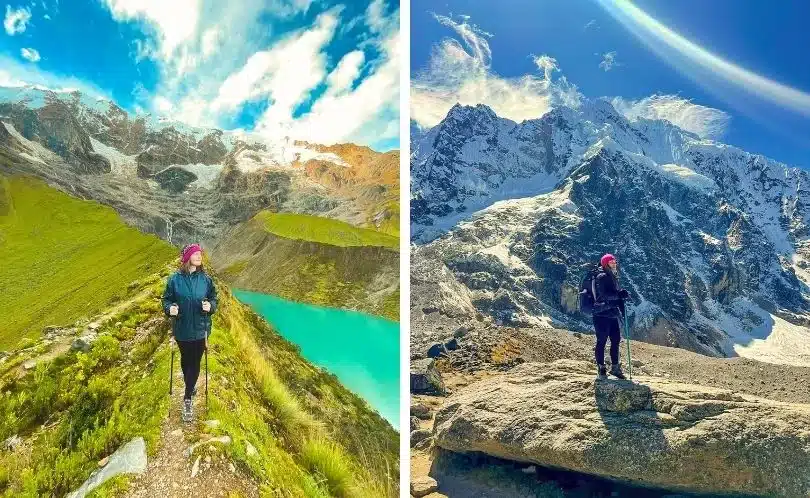
- Altitude: on the route you’ll pass through various altitudes, reaching 15,190 feet (4,630 meters) at Salkantay pass and then descending to 6,562 feet (2,000 meters).
- Duration: this route usually lasts between 4 and 5 days, with an approximate route of 37 to 50 miles (60 to 80 km).
- Weather: dry season (May to October) offers you warm days and cold nights; however, in rainy season the environment becomes greener and more lush.
Hiking times:
- Day 1: Cusco – Mollepata – Soraypampa – Humantay Lagoon – Soraypampa.
- Day 2: Soraypampa – Salkantay Pass – Chaullay.
- Day 3: Chaullay – Playa Sahuayaco – Lucmabamba.
- Day 4: Lucmabamba – Llactapata – Hidroeléctrica – Aguas Calientes.
- Day 5: Aguas Calientes – Machu Picchu – Cusco.
Highlights: you can visit Humantay Lagoon, Salkantay glacier, cloud valley, and extensive coffee plantations.
Landscapes: you’ll enjoy jungle, rivers, villages, communities, and amazing biodiversity that nature gifts you.
Lares Trek
- Altitude: You’ll start at approximately 9,186 feet (2,800 meters) altitude, reaching your highest point at 14,436 feet (4,400 meters).
- Duration: The route usually lasts between 2 and 3 days, covering around 20 miles (33 km).
- Weather: During dry season (May to October) you’ll enjoy sunny days and better views. In contrast, rainy season (November to March) presents a greener and wetter environment.
Hiking times:
- Day 1: Cusco – Pumahuanca – Puyoc.
- Day 2: Puyoc – Yanacocha – Cuncani.
- Day 3: Cuncani – Lares.
- Day 4: Aguas Calientes – Machu Picchu – Cusco.
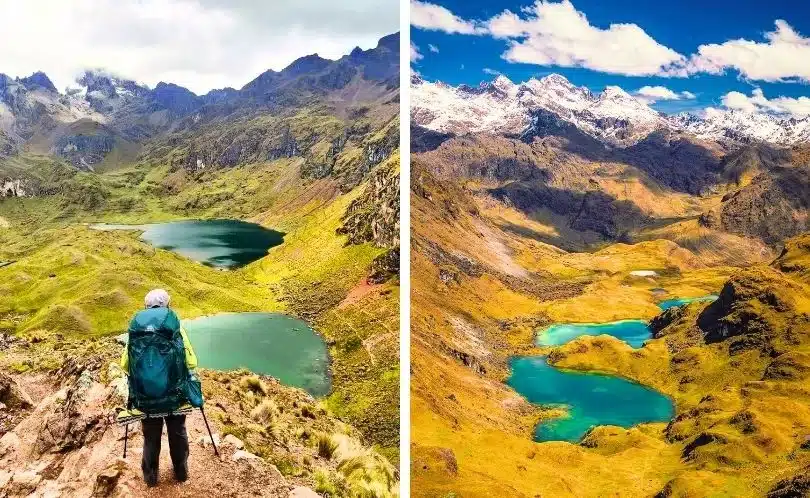
Highlights: You’ll have the opportunity to relax in hot springs, visit lagoons like Yanacocha and Auray Cocha, and interact with communities sharing their daily lifestyle with you. You’ll marvel at Andean valleys covered with wildflowers, bird watching, rural architecture, and a night sky full of stars.
Ausangate Trek
- Altitude: you’ll be walking above 13,123 feet (4,000 meters), reaching maximum point of 16,404 feet (5,000 meters) at Palomani Pass.
- Duration: it consists of 4 to 6 days, with total route of 43 miles (70 km).
- Weather: dry season (May to October) is most recommended, as it offers more stable days, although nights can be quite cold.
Hiking itinerary:
- Day 1: Cusco – Upis – Huayna Ausangate.
- Day 2: Huayna Ausangate – Yanacocha – Hatun Pucacocha.
- Day 3: Hatun Pucacocha – Palomani Pass – Sorapata.
- Day 4: Sorapata – Jampa Pass – Pacchanta.
- Day 5: Pacchanta – Cusco.
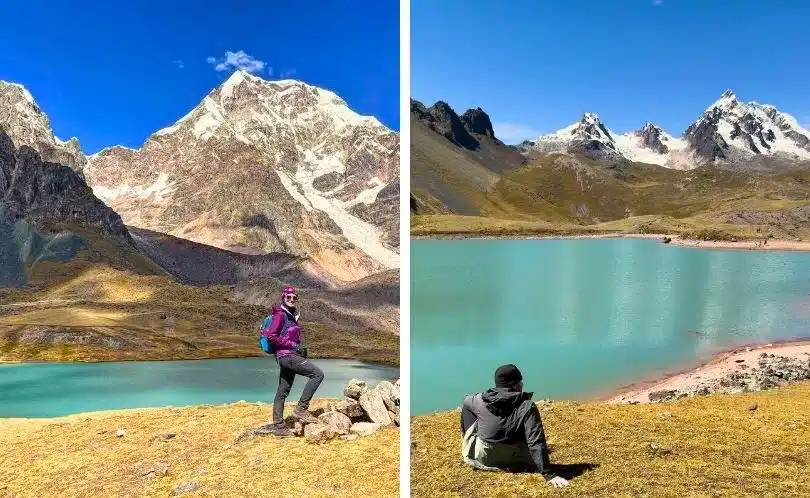
Highlights: you can enjoy places like Palomani Pass, as well as impressive glacial lagoons, among them Puca Cocha and Ausangate Cocha.
Landscapes: you’ll contemplate majestic snow peaks, wide valleys offering spectacular views, turquoise lagoons, and Andean fauna like alpacas, llamas, and vizcachas.
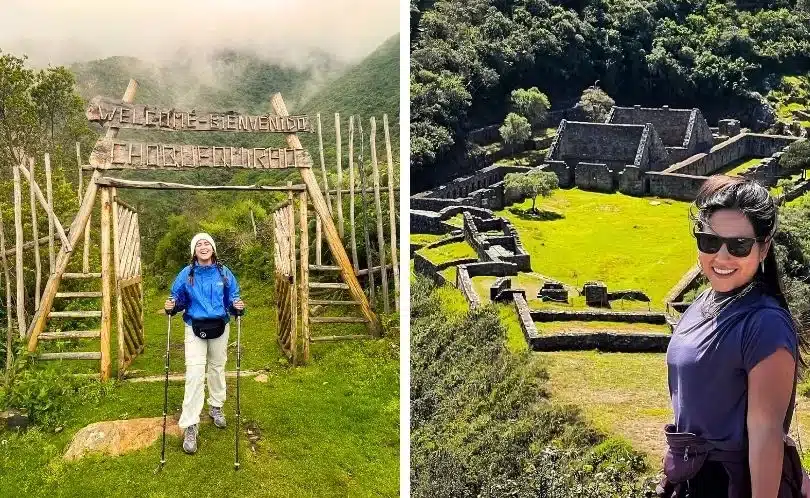
Choquequirao Trek
- Altitude: you’ll start your hike at 10,827 feet (3,300 meters) altitude and descend to 4,921 feet (1,500 meters).
- Duration: the route lasts between 4 and 9 days, with approximate length of 20 miles (32 km).
- Weather: weather is temperate and humid. The best time to do this route is April to October.
Hiking time:
- Day 1: Cusco – Capuliyoc – Chiquisca – Playa Rosalinas – Santa Rosa.
- Day 2: Santa Rosa – Marampata – Choquequirao – Marampata.
- Day 3: Marampata – Santa Rosa – Playa Rosalinas – Chiquisca.
- Day 4: Chiquisca – Capuliyoc – Cachora – Cusco.
Highlights: you’ll tour entire Apurímac Canyon and, upon reaching Choquequirao citadel, you can explore its plazas, temples, and other historic constructions.
Landscapes: you’ll enjoy forests, cloud forest, deep valleys, rivers, and viewpoints with impressive panoramic views.
When to Go Trekking in Peru: Best Time and How Weather Affects
| Region | Aspect | Dry Season | Rainy Season |
| Andean | Weather | Sunny days, cold nights, clear skies. | Frequent rains, muddy paths, limited visibility. |
| Advantages | Firm routes, better visibility, panoramic views. | Fewer tourists, green landscapes, lower prices. | |
| Challenges | High season, highly demanded routes, altitude sickness risk. | Closed routes, landslide risk. | |
| Recommendations | Book in advance (especially Inca Trail). | Bring waterproof equipment and quick drying clothing. |
What to Bring for Trekking in Peru: Essential Equipment
| Category | Key Items |
| Documents | Passport + copies, insurance, GPS/map. |
| Backpacks | That can support around 22 lbs (10 kg) and duffle for additional gear. |
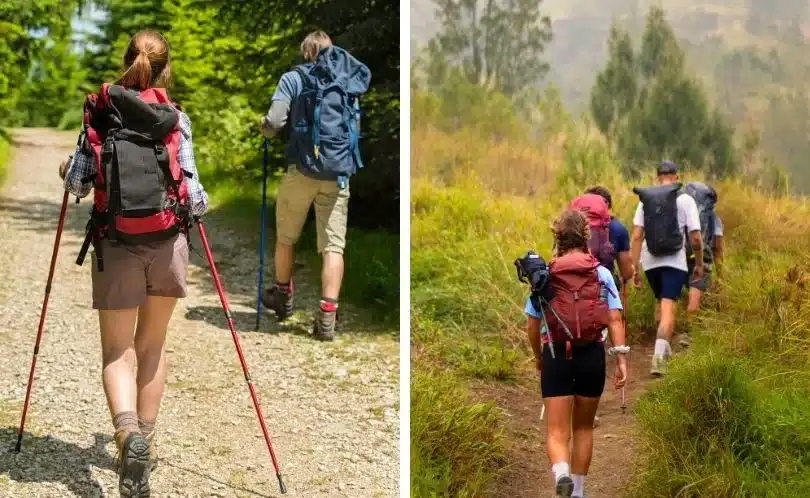
| Clothing | Breathable base, fleece, waterproof, trekking pants, extra socks. |
| Footwear | Waterproof boots, poles, headlamp. |
| Protection | Sun (SPF, glasses, cap), repellent, first aid kit, Diamox. |
| Hydration | Bottle or CamelBak, electrolytes, energy snacks. |
| Extras | Power bank, basic hygiene, dry bag, camera or notebook. |
Expert tip:
Break in your boots before the trip, don’t bring new boots to trekking, because they can give you blisters and ruin your hike.
Food and Lodging During Trekking
| Service Type | Food | Lodging |
| Traditional camping. | Regional dishes made with fresh ingredients; dietary adaptations. | Tents or shelters with basic comforts (mattress, blanket, optional shower). |
| Community Lodges | Homemade and cultural dishes prepared locally. | Rustic lodging, comfortable beds, private bathrooms, and living culture. |
| Experience | Workshops like “pachamanca” with local families. | Intimate and culturally enriching stays. |
Permits and Reservations for Your Hike
Inca Trail
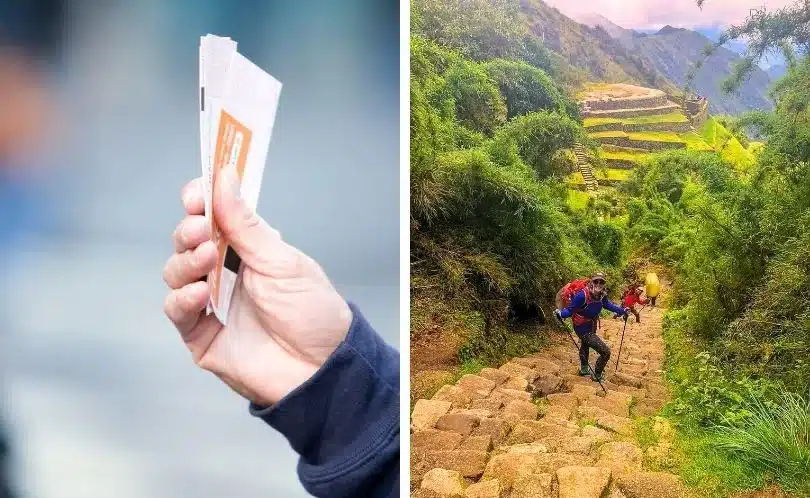
The permit is mandatory and is regulated by Peruvian government to protect the site. Remember that in this type of trekking in Peru only 500 people per day are allowed entry, including guides, porters, and hikers.
In high season, you must book 4 to 6 months in advance to secure your spot on this route to Machu Picchu.
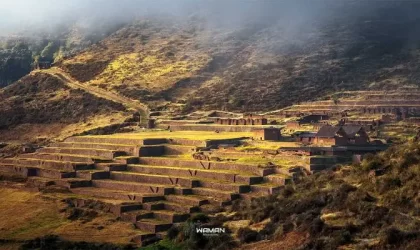
Alternative Routes Like (Salkantay, Lares, Ausangate, Choquequirao, etc).
On these routes, permits aren’t required as such, as they don’t demand official authorization. However, you must organize all logistical details in advance: transportation, maps, an English speaking guide (if you need one), and other essential aspects.
In high season (June to August), book well in advance, as flights, lodgings, and trains are usually in high demand. If you don’t, you risk not finding availability.
Sustainable Trekking
- Adopt Leave No Trace movement principles.
- Reduce plastic use and minimize waste generation on all trekking in Peru.
- Boost local economy.
- Respect historic heritage and culture.
Tips for Routes You’ll Tour
| Recommendation | Justification |
| Power bank + solar. | Guarantees continuous energy without electrical access. |
| Offline map apps. | Safe navigation in environments without signal. |
| Portable hygiene. | Maintain cleanliness and respect for spaces without infrastructure. |
| Snacks + electrolytes. | Quick and effective physical recovery. |
Venturing into trekking in Peru is immersing yourself in landscapes ranging from Andean glaciers to vibrant jungles, touring routes like Inca Trail, Salkantay, Lares, or Choquequirao. If you don’t know which path to choose or have doubts about not being well prepared, don’t worry: here we help you understand what to expect on each route, according to your level and interests. Live this unique experience with Waman Adventures, where we guide you step by step so you avoid setbacks and enjoy to the fullest. Write us at +51 946 459 491 or info@wamanadventures.com and let us plan the adventure of your life with you.
Frequently Asked Questions About Trekking in Peru
Is it safe to trek alone in Peru?
Popular trekking routes in Peru, such as the Salkantay Trail or the hike from Aguas Calientes up to Machu Picchu, are generally safe for solo hikers. These routes are well marked and there are often other hikers at all times.
However, in more remote or less traveled areas like Choquequirao, hiring a local guide is recommended. It not only provides additional safety, but also expert guidance on more challenging terrain.
Do I need to be in shape?
Yes, but it depends on trekking in Peru. Trails like Inca and Lares are used by beginners, also accessible with moderate physical condition. On the other hand Salkantay and Ausangate do require you to be in good physical condition, plus good acclimatization days before the trekking route.
What altitudes do routes reach?
These are trekking heights:
- Inca Trail: minimum 7,874 feet (2,400 m) – maximum 13,829 feet (4,215 m)
- Salkantay: minimum 9,514 feet (2,900 m) – maximum 15,092 feet (4,600 m)
- Choquequirao Trek: minimum 4,987 feet (1,520 m) – maximum 10,007 feet (3,050 m)
- Ausangate Trek: minimum 13,123 feet (4,000 m) – maximum 16,404 feet (5,000 m)
- Lares Trek: minimum 9,186 feet (2,800 m) – maximum 14,436 feet (4,400 m)
What’s the difference between Inca Trail and Salkantay?
Inca Trail is an archaeological trekking route in Peru, it’s regulated requiring permits and official guide; with this, tourist flow is controlled, likewise, the goal is to preserve the historic site.
On the other hand Salkantay doesn’t require a permit as such; however it requires much planning, as it’s a route needing much logistics, especially if you want to live a comfortable experience.
Do I need a guide?
For Inca Trail, yes: it’s a legal requirement.
On the other hand, routes like Salkantay, Lares, or Ausangate are passable without guide, although having one can facilitate logistics, preparation, and improve experience.
Vegetarian or vegan food en route?
Yes, many agencies adapt the menu if you ask in advance. Therefore when you book notify your agent in advance to help you book; on the other hand local cooks usually prepare nutritious dishes.
How much to tip guides or porters?
It’s usually suggested between $10 to $20 USD per day per person, although it can vary depending on trek duration and service quality.
What are bathrooms like?
Conditions vary: they can be portable and basic bathrooms in camps or more decent facilities in lodges or community houses. It’s always a good idea to bring your own personal hygiene kit.

Share:



Related tours you might be interested in
Enjoy unique experiences in Cusco and Machu Picchu with the peace of mind that comes from working with a local travel agency

Choquequirao to Machu Picchu Trek 7 Days | Private Service
The most epic and challenging adventure awaits! Dare to push your limits and embark on the ultimate...

02 DAY «EXPLORING» THE SACRED VALLEY AND MACHU PICCHU
CHINCHERO, MARAS AND MORAY WILL ENVELOP YOU IN THE MAGIC OF THE SACRED VALLEY. EACH EXPERIENCE WILL...

Full Day – «Exploring» Machu Picchu
MACHU PICCHU EPIC ADVENTURE TOUR FROM CUSCO This full-day option is an excellent opportunity to...

04 DAY CUSCO – SACRED VALLEY – MACHU PICCHU
DISCOVER THE MAGIC OF CUSCO, THE SERENITY OF THE SACRED VALLEY AND THE GRANDEUR OF MACHU PICCHU On...