MACHU PICCHU TRAVEL GUIDE: ROUTES, TIPS AND RECOMMENDATIONS
Ultima actualización en 5 November, 2024 por Waman Adventures
Last Updated on 5 November, 2024 by Waman Adventures
- MACHU PICCHU OVERVIEW
- BOOKING AND PURCHASING TICKETS TO MACHU PICCHU
- WEATHER AND CLIMATE IN MACHU PICCHU
- MACHU PICCHU WEATHER MONTH BY MONTH
- ESSENTIAL EQUIPMENT FOR THE JOURNEY TO MACHU PICCHU
- HEALTH AND SAFETY FOR VISITING MACHU PICCHU
- LODGING AND PLACES OF INTEREST IN CUSCO
-
ROUTES TO GET TO MACHU PICCHU
- Train to Machu Picchu
- Train schedules to Machu Picchu on Inca Rail
- Train schedules to Machu Picchu on Peru Rail
- Train Categories to Machu Picchu
- Disembarkation and Transfer
- Can you go to Machu Picchu by car?
- Route to Machu Picchu via Hydroelectric Plant
- How to get to Machu Picchu from Cusco?
- How to get to Machu Picchu from Lima?
- Machu Picchu Tours from Cusco | Tours to Machu Picchu from Cusco
- EXCURSIONS AND TREK ROUTES TO MACHU PICCHU | HIKES TO MACHU PICCHU
-
FREQUENTLY ASKED QUESTIONS│MACHU PICCHU TRAVEL GUIDE
- What is the best time of day to visit?
- Can Machu Picchu be visited without a guide?
- How long does it take to climb Machu Picchu?
- Is Machu Picchu closed?
- Where to stay in Machu Picchu?
- What luggage should I take on my train journey from Cusco to Machu Picchu?
- Where are the bathrooms in Machu Picchu?
- What to do in Machu Picchu?
- Machu Picchu Circuits
- Recommendations to make the most of the experience
- Tips for photography in Machu Picchu
- How long can I stay in Machu Picchu?
- Can I bring drones to Machu Picchu?
- Can I bring hiking poles to Machu Picchu?
- Can you bring selfie sticks to Machu Picchu?
- Can you visit Machu Picchu without a guide?
- Where can I leave my belongings?
- Can you bring tripods?
- Can you bring food and water to Machu Picchu?
- Is it necessary to enter Huayna Picchu with a guide?
- Is it safe to travel to Machu Picchu?
Machu Picchu Travel Guide│ Get ready to delve into the depths of an archaeological wonder lost in time, where stones whisper forgotten stories and ancestral mysteries await your exploration! From strategic tips to plan your journey to useful details that will enrich your experience at this wonder of the world, this meticulously crafted guide will be your faithful companion at every step of this unparalleled adventure.
For those thirsty for new experiences and restless souls eager to unveil the secrets of this architectural and engineering gem, WAMAN ADVENTURES presents you with this epic Machu Picchu Travel Guide, a journey that will immerse you in this thrilling experience. The journey awaits you, and the first step you take right now.
MACHU PICCHU OVERVIEW
What is Machu Picchu?
Machu Picchu is an extraordinary Inca archaeological complex located in the rugged Peruvian Andes at 2430 meters above sea level. Built as a royal estate in the 15th century by the Inca emperor Pachacutec, this incredible city in the heights demonstrates a deep understanding of architecture, engineering, astronomy, and sustainable use of natural resources.
It is believed that Machu Picchu served ceremonial, administrative, residential, and agricultural purposes as a royal property of great religious and strategic importance, exceptionally integrated between the mountains and the Cusco jungle.

Machu Picchu, one of the wonders of the world and a destination longed for by millions of travelers.
Where is Machu Picchu located?
Machu Picchu is situated in the Urubamba province, in the Peruvian region of Cusco, precisely at -13°9’47” south latitude and -72° 32’ 44″ west longitude. It stands majestically on a narrow rocky ridge, at an altitude of 2,430 meters (7,972 feet) above sea level. It lies amidst the deep canyons of the Cusichaca and Urubamba rivers, in the eastern part of the Peruvian Andes, within the Vilcanota River basin, in the Cusco region.
This astonishing archaeological site is part of the Machu Picchu Historical Sanctuary, an extensive natural area spanning 37,302.58 hectares. Here, nature unfolds in its fullest expression, with exceptional biodiversity and over sixty interconnected archaeological monuments linked by a complex Inca road network. The nearest major city is Cusco, the current regional capital and former Inca capital, located 132 kilometers away from this wonder.
Surrounded by a spectacular and rugged geomorphological setting, Machu Picchu is located in a unique geographical location, in perfect harmony with the imposing mountains and lush vegetation of the Amazon rainforest to the east of the Andes.
Altitude of Machu Picchu
Machu Picchu is situated at an altitude of 2,430 meters (7,972 feet), making it a destination suitable for travelers of all types, as it does not present a significant challenge. However, we recommend being mindful that it is an outdoor activity, so we advise exploring it at your own pace, enjoying each step, each scene without encountering any mishaps.
History of Machu Picchu
Machu Picchu was built and controlled by the Inca Empire during its period of greatest splendor. It was erected by order of Emperor Pachacutec in the 15th century as a royal estate, serving as a palace for rest and recreation for the Inca elite, including the royal family and their guests.
Although Hiram Bingham dubbed it the “Lost City of the Incas” when he rediscovered it in the early 20th century, Machu Picchu actually housed no more than 750 people at its peak, primarily composed of servants, artisans, and support staff for the Inca aristocracy.
Archaeological analysis reveals that the population buried at Machu Picchu was ethnically and socially diverse, reflecting the wide composition of Tawantinsuyo. Alongside the remains of the elite, more modest graves of yanaconas from various regions conquered by the Incas were found. Machu Picchu also stood out for its productive activities, such as tin-bronze metallurgy, as well as the development of textile and lithic production.
After the Spanish conquest, Machu Picchu was abandoned and remained virtually forgotten for centuries. It was not until 1911 that Hiram Bingham, an American explorer, “rediscovered” the ruins of the ancient Inca settlement, initiating its study and putting it on the world archaeological map. During the colonial and republican era, Machu Picchu was ignored and received little attention from the authorities. It wasn’t until the mid-20th century that Machu Picchu began to emerge as a significant tourist site, thanks to research and preservation efforts led by Yale University and subsequently by the Peruvian government.
Why is Machu Picchu Important?
Machu Picchu stands out not only for its unique urban design, architecture, and complex rockwork but also for its location halfway up a mountain and surrounded by mountain peaks and vast vegetation, making it an Inca masterpiece. It was an Inca city that withstood the passage of time, survived desecrations, and Spanish destruction, as it is believed that the Spanish never reached Machu Picchu.
Who Built Machu Picchu?
Machu Picchu was carefully planned and built in the early 15th century under the orders of Inca ruler Pachacutec, who expanded and profoundly reformed the vast Inca Empire.
To build it, a team of specialists in architecture, engineering, and astronomy was gathered, along with a large workforce. They faced the challenge of sculpting this astonishing city in the rugged Andean geography. Much of the effort was focused on conditioning and leveling the rugged terrain, erecting solid foundations, and developing an efficient drainage system, using the advanced engineering and construction knowledge of the Incas.
More than just an architectural feat, Machu Picchu represented the perfect union between human achievements and the natural environment, by leveraging its strategic location between the Andes mountain range and the Amazon basin to establish an important ceremonial, administrative, and astronomical observation center.
Who Discovered Machu Picchu?
Machu Picchu was scientifically discovered on July 24, 1911, by American explorer Hiram Bingham, who was impressed by its beauty and majesty during his visit. The following year, he returned with a team of professionals to conduct excavations and multidisciplinary research in the area.
Bingham was responsible for revealing the existence of the Machupicchu llaqta to humanity, so he is considered its scientific discoverer. Although some locals already knew about the ruins before Bingham, he was the first to study them rigorously, conduct archaeological excavations, and disseminate their existence to the Western world through scientific publications. Therefore, he is recognized as the “scientific” discoverer of Machu Picchu.
However, it is worth mentioning that some locals, such as Agustín Lizárraga in 1902 and the tenant Melchor Arteaga, had already visited the site, but it was Bingham who formally discovered it from a scientific perspective and brought it to international attention.
BOOKING AND PURCHASING TICKETS TO MACHU PICCHU
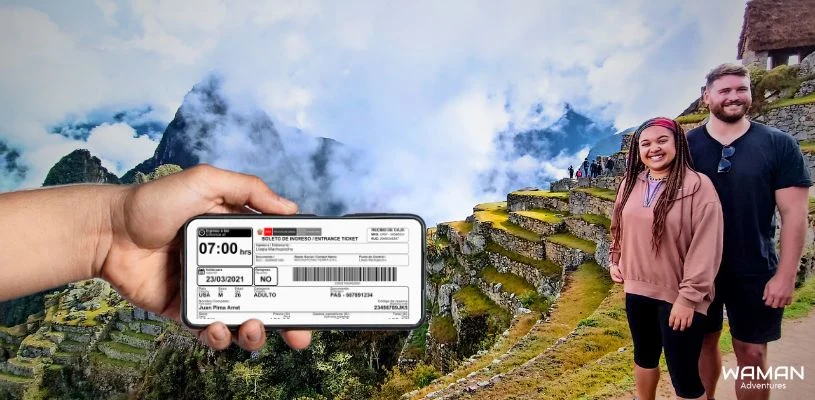
The most recommended option to ensure availability in advance is to buy tickets online.
What Documents Do I Need to Visit Machu Picchu?
It is important to have some documents in order. Make sure to carry your valid passport and, depending on your nationality, the necessary visa to enter Peru. When purchasing tickets to enter Machu Picchu, these tickets will contain your personal information, passport number, date, and time of visit, serving as your key to discover this wonder.
What countries need a visa to enter Peru?
The visa requirements for entering Peru vary depending on the visitor’s nationality. Citizens of many countries can enter Peru without a visa for tourism or business for a certain period. However, it is important to check the specific requirements based on each person’s nationality. It is recommended to consult the Peruvian embassy or consulate in the country of origin for up-to-date information on visa requirements.
How much does a tourist package to Machu Picchu cost?
The cost of a tourist package to Machu Picchu can vary widely, ranging from approximately $500 USD per person for a basic group package to $2,000 USD or more for a luxury private package. Key factors affecting the price include the type of transportation (train or Inca Trail), accommodation category, type of service (private or group), time of year, and additional services included.
Cost of tickets to Machu Picchu
The following prices are expressed in both Peruvian soles (PEN) and the estimated price in US dollars (USD):
| Type of Ticket to Machu Picchu | Foreigner | Andean Community (Peru, Colombia, Bolivia, Ecuador) | ||
|---|---|---|---|---|
| Adult | Student | Adult | Student | |
| Ticket to Machu Picchu Only | S/152 PEN (40 USD) | S/77 PEN (20 USD) | S/64 PEN (17 USD) | S/32 PEN (9 USD) |
| Ticket to Machu Picchu + Huayna Picchu | S/200 PEN (53 USD) | S/125 PEN (33 USD) | S/112 PEN (30 USD) | S/80 PEN (21 USD) |
| Ticket to Machu Picchu + Machu Picchu Mountain | S/200 PEN (53 USD) | S/125 PEN (33 USD) | S/112 PEN (30 USD) | S/80 PEN (21 USD) |
| Ticket to Machu Picchu + Huchuy Picchu | S/152 PEN (40 USD) | S/77 PEN (20 USD) | S/64 PEN (17 USD) | S/32 PEN (9 USD) |
| Ticket to Machu Picchu + Inca Bridge | S/152 PEN (40 USD) | S/77 PEN (20 USD) | S/64 PEN (17 USD) | S/32 PEN (9 USD) |
Prices and discounts at Machu Picchu
The cheapest tickets only allow entry to the Machu Picchu citadel. Those that include ascents to nearby mountains, such as Huayna Picchu or the Machu Picchu Mountain itself, have a higher cost due to the exclusivity of these activities. Additionally, there are special discounts for certain groups such as university students, minors under 18, and citizens of Andean Community countries.
Visitors can purchase these tickets in person in the city of Cusco or through online reservations, with the latter being the recommended option to ensure availability in advance.
Where to buy Machu Picchu tickets?
The main recommendation is to always make purchases through a legal and reliable agency like Waman Adventures, which provides the most up-to-date and secure information. Remember that we have a simple and fast system to secure your tickets on your preferred date.
If you are an experienced traveler and wish to embark on an adventure on your own, you will need to purchase your tickets to Machu Picchu in 2024 through:
- The Ministry of Culture platform via Joinnus (the new ticket reservation and purchase page).
- Additionally, here are the physical locations where you can purchase tickets for Machu Picchu in Cusco:
- Casa Garcilaso, located at Garcilaso street s/n, just two blocks from the Plaza de Armas of Cusco. This place is managed by the Decentralized Directorate of Culture Cusco, belonging to the Ministry of Culture.
- You can also get tickets at Maruri 324 street, Cusco, which is another point of the Decentralized Directorate of Culture Cusco under the Ministry of Culture.
Mis disculpas por la confusión. Aquí está la información corregida en inglés:
WEATHER AND CLIMATE IN MACHU PICCHU
Machu Picchu is located between the Andes Mountains and the Amazon rainforest. It has a warm and temperate climate, ensuring that during your visit to the citadel, you won’t experience extreme cold or heat, regardless of the date of your trip. The average minimum temperature is 12°C (53.6°F), while the average maximum temperature reaches 24°C (75.2°F).
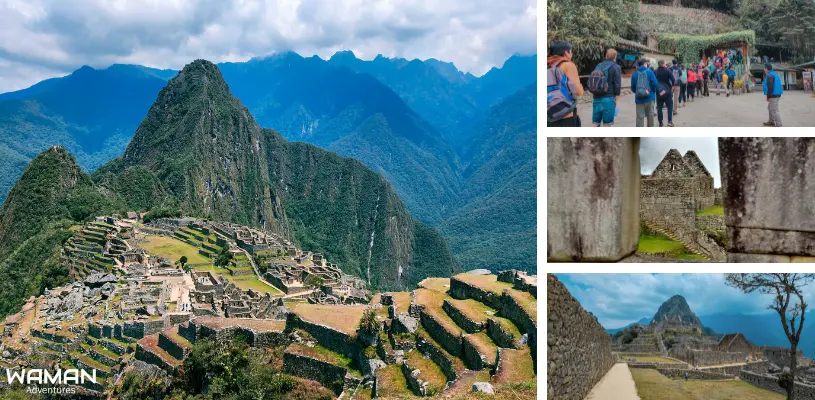
Machu Picchu, seventh wonder of the modern world
It’s also important to note that in the Andean and jungle region, there are two distinct seasons: the dry season and the Andean wet season, each with its unique characteristics, advantages, and disadvantages.
Wet Season in Machu Picchu
It starts in November and ends in late March, extending into April. During these days, there is a greater presence of rain and fog, turning a visit to Machu Picchu into a mystical experience, accompanied by the incredible vegetation that becomes a prominent feature.
According to the Machu Picchu travel guide, this season is ideal for observing nature at its finest.
Dry Season in Machu Picchu
It begins in the first weeks of April and ends in the last days of October. During this season, you’ll notice the sun accompanying you throughout your journey and exploration of the archaeological complex, making it the favorite of many travelers who seek to capture the best memories of their visit to Machu Picchu.
According to the Machu Picchu travel guide, this season is the favorite of many travelers.
So When Is the Best Time to Visit Machu Picchu?
We understand that each traveler has their own objectives and needs, so providing a precise answer can be complicated depending on individual preferences. If you’re a nature lover, prefer a temperate climate, and want to avoid crowds, the wet season is the ideal option for you. On the other hand, if you’re not fond of rain and want to capture photographs of Machu Picchu with a completely clear sky, the dry season is the most suitable time for your visit. Generally, avoiding the rainy season, the dry season tends to be chosen by visitors, typically between the months of May and October.

Remember, your comfort is paramount.
However, we’ll try to answer this question in our Machu Picchu travel guide, taking into account factors such as the number of travelers, weather, landscapes, and vegetation. We’ve found two incredible moments to visit Machu Picchu, which are between the months of May and October. During these months, you’ll find a balance between rainfall, incredible landscapes, increased vegetation, and above all, a considerable decrease in the number of travelers. This will allow you to enjoy the best that Machu Picchu has to offer.
MACHU PICCHU WEATHER MONTH BY MONTH
Machu Picchu in January:
- Pros: During this season, you can admire beautiful rainbows and lush vegetation in full bloom, including exquisite orchids. Temperatures range between 19 °C (66 °F) during the day and 10 °C (50 °F) at night.
- Cons: Machu Picchu may have poor visibility due to being one of the rainiest months of the year.
- Festivities: New Year’s Day on January 1 is also celebrated with fireworks and festivities. The Epiphany is celebrated on January 6 in Cusco, commemorating the arrival of the Three Wise Men to Bethlehem with masses, processions, and religious events.
Machu Picchu in February:
- Pros: During this season, you can admire beautiful rainbows and lush vegetation in full bloom, including exquisite orchids. Temperatures range between 19 °C (66 °F) during the day and 10 °C (50 °F) at night.
- Cons: One of the rainiest months of the year. Poor panoramic visibility of Machu Picchu on rainy days with fog.
- Festivities: In February, “Carnival” is celebrated in Cusco, one of the most colorful and cheerful festivals in the region, with music, dances, parades, and water games. Also celebrated is “Compadres and Comadres Day,” strengthening family and community ties.
Machu Picchu in March:
- Pros: Daytime temperatures reach around 22 °C (71 °F), and nighttime temperatures around 10 °C (50 °F).
- Cons: Trails may be damp, still with poor panoramic visibility of Machu Picchu on some days.
- Festivities: Depending on the liturgical calendar, Holy Week, a religious and cultural event of great importance, may be celebrated in March or April in Cusco with masses, processions, dances, and chants commemorating the Passion, Death, and Resurrection of Christ.
Machu Picchu in April:
- Pros: The rainy season has ended, there are fewer crowds, and the lush vegetation offers spectacular views. Daytime temperatures are around 24 °C (75 °F), and nighttime temperatures around 10 °C (50 °F).
- Cons: Possible increase in visitors due to Holy Week. Higher prices in hotels and services.
- Festivities: If not in March, Holy Week is celebrated in April in Cusco.
Machu Picchu in May:
- Pros: Beginning of the dry season with sunny days and stunning views. Temperatures of 25 °C (77 °F) during the day and 12 °C (54 °F) at night.
- Cons: Increased crowds, need to book in advance.
- Festivities: The Festival of the Crosses combines Catholic elements with ancestral traditions, featuring decorated crosses, processions, folk dances, and music. The pilgrimage of Qoyllur Rit’i, one of the largest in the world, begins with thousands of pilgrims walking to the Sinakara Valley to honor the Lord of Qoyllur Rit’i. Essential landscapes during the dry season.
Machu Picchu in June:
- Pros: Sunny and clear days. Temperatures of 25 °C (77 °F) during the day and 12 °C (54 °F) at night.
- Cons: Maximum crowds, long lines, and the need for sunscreen during the day.
- Festivities: On June 24, Cusco celebrates Inti Raymi or the Festival of the Sun, an ancestral event honoring the sun with representations of Inca traditions. The Qoyllur Rit’i pilgrimage culminates with colorful dances and ceremonies. June 28 is National Ceviche Day, celebrating Peru’s flagship dish.
Machu Picchu in July:
- Pros: Dry and sunny days with superb views. Temperatures of 26 °C (79 °F) during the day and 13 °C (38 °F) at night.
- Cons: Maximum visitor capacity, long lines, and the need to book far in advance.
- Festivities: The feast of the Virgin of Carmen in Paucartambo presents one of the most colorful dance celebrations in the world, just 4 hours from Cusco. July 28 is Peru’s National Holidays, commemorating Independence with parades, concerts, and festivals.
Machu Picchu in August:
- Pros: Clear and sunny days. Starry nights. Temperatures of 26 °C (79 °F) during the day and 13 °C (38 °F) at night.
- Cons: Large crowds, need to book in advance. Possible drizzle in the afternoons.
- Festivities: The Month of the Winds begins with traditional ceremonies honoring Pachamama (Mother Earth) and the Apus (sacred mountains). August 15 celebrates the Virgin of the Assumption in Cusco with parades, dances, and cultural events.
Machu Picchu in September:
- Pros: Fewer visitors. Temperatures of 24 °C (75 °F) during the day and 12 °C (54 °F) at night.
- Cons: Unpredictable rain, it is recommended to carry waterproof gear.
- Festivities: The feast of Mamacha Naty honors the Virgin Mary with masses, processions, and traditional dances such as the Siqllas.
Machu Picchu in October:
- Pros: Sunny days with fewer visitors. Temperatures of 24 °C (75 °F) during the day and 12 °C (54 °F) at night.
- Cons: Possible drizzle in the afternoon, waterproof gear is recommended.
- Festivities: The Lord of Miracles is celebrated in Cusco with colorful processions that traverse the historic center carrying an image of the Crucified Christ.
Machu Picchu in November:
- Pros: Low visitor influx, spectacular views, and warmer temperatures of 22 °C (72 °F) and 10 °C (50 °F).
- Cons: Start of the rainy season, muddy trails, and the risk of landslides.
- Festivities: All Saints’ Day on November 1 honors the deceased with visits to cemeteries and offerings at graves.
Machu Picchu in December:
- Pros: Flourishing landscapes, rainbows, and mists. Temperatures of 22 °C (72 °F) and 10 °C (50 °F).
- Cons: Rain, damp trails, and days with poor panoramic visibility of Machu Picchu.
- Festivities: Opportunity to experience Christmas in the magical setting of Cusco. The Santuranticuy Festival takes place in the Plaza de Armas of Cusco, recreating an Inca ritual of gratitude.
ESSENTIAL EQUIPMENT FOR THE JOURNEY TO MACHU PICCHU
This is a key point in our Machu Picchu travel guide to ensure you have the best adventure, as it’s crucial to have all the necessary equipment to avoid any mishaps, ensuring a complete and enjoyable experience.
Waterproof Jacket: Whether you’re traveling during the wet or dry season, you should definitely bring this garment, as rain can occur at any time. Also, keep in mind that these jackets usually don’t take up much space and are extremely lightweight.
A good and lightweight jacket will be your best companion during your adventure.
Trekking Pants: Essential if you’re visiting Machu Picchu via the Inca Trail, but also recommended if you’re traveling to Machu Picchu by train, as they provide unmatched comfort during the journey.
The ideal pants for visiting Machu Picchu due to their versatility.
(Optional) Trekking Shoes: Regardless of your travel option to Machu Picchu, you can’t go without a good pair of trekking boots, as they provide unparalleled comfort, making your experience very enjoyable.
Sports Shirts: Nowadays, there are shirts with quick-drying technology that allow you to engage in physical activity without any problems, allowing you to give your maximum effort and still stay completely cool.
The best option to keep you cool and dry.
Hat and Sun Protection Items: It’s very important to remind you that Peru has one of the highest levels of solar radiation, so you should always have a hat on hand (even if it’s cloudy) and sunscreen.
HEALTH AND SAFETY FOR VISITING MACHU PICCHU
Vaccines and Health Care before Visiting Machu Picchu
A topic that gained strength during the post-pandemic period and still scares many travelers, but don’t worry, nowadays the risks are minimal and while we recommend that you keep your vaccines up to date to avoid possible infections or isolated cases. Taking into account this information, this Machu Picchu travel guide informs you that these pandemic documents are no longer mandatory, so if you don’t have them on hand, you can access Peru and Machu Picchu normally.
On the other hand, according to the information from the Centers for Disease Control and Prevention (CDC) in the United States, travelers to Peru are recommended to keep routine vaccinations up to date, including varicella, diphtheria-tetanus-pertussis, influenza, MMR, polio, and herpes zoster. In addition, it is suggested to be vaccinated against hepatitis A and B depending on age and duration of travel. For certain areas of the jungle, vaccination against yellow fever is recommended, while it is not necessary to visit Lima, Cusco, or Machu Picchu.
Beyond vaccines, it’s important to take measures to prevent insect-borne diseases, avoid contact with animals and contaminated water, and maintain proper hygiene practices during the trip.
Preventing Altitude Sickness
We recommend taking a few days beforehand to acclimatize to the altitude. Many travelers are not used to being at over 3,000 meters above sea level (Cusco’s altitude is 3,350 meters/10,991 feet), so they often experience symptoms such as dizziness, headache, and nausea, due to altitude sickness. It’s unlikely to feel the effects of altitude sickness at Machu Picchu, as it is located at an altitude of 2,430 meters or 7,972 feet, in the eyebrow of the jungle.
To prevent and alleviate these effects, we suggest:
- Eating light and nutritious meals
- Staying well hydrated by drinking plenty of water
- Avoiding alcohol consumption
- You can drink coca or muña tea, which helps alleviate symptoms
- Follow these tips for better acclimatization
LODGING AND PLACES OF INTEREST IN CUSCO
Lodging in Cusco
In the city of Cusco and the Sacred Valley, travelers can find everything from luxurious 5-star hotels to quite comfortable and affordable hostels and guesthouses to spend the night safely.
It is recommended to choose accommodation located in the central area of Cusco, near the Plaza de Armas, to facilitate the start of tours and tourist activities. Some outstanding hotels in this central area include:
- Palacio del Inka, a Luxury Collection Hotel: Elegant 5-star hotel housed in an ancient Inca palace.
- Inkaterra, cozy boutique hotel with colonial design, located in the historic San Blas neighborhood.
- Casa Andina Premium Cusco, hotel chain with multiple high-quality properties in Cusco.
- Ayni Cusco Hotel, a modern hotel with new facilities, offering comfortable, safe, and personalized attention.
Regardless of budget, it’s important for travelers to choose well-located accommodation with good reviews that suits their preferences and needs during their stay in Cusco.
Places of Interest in Cusco
During your stay in the city of Cusco, you can take advantage of the time to explore its streets on your own or, if you wish, you can also visit its most famous archaeological complexes, museums, and temples. According to our Machu Picchu travel guide, these are:
- Sacsayhuamán: Impressive Inca archaeological complex with huge rocks, towers, and stone slides.
- San Pedro Market: Authentic local market with stalls selling fruits, food, and crafts at excellent prices.
- San Blas Neighborhood: Picturesque colonial neighborhood with cobbled streets, craft shops, and interesting restaurants.
- Temple of the Moon: Inca ruins and relaxing natural landscape, away from the hustle and bustle of the city.
- San Cristóbal Viewpoint: Offers one of the best panoramic views of the city of Cusco.
- Qoricancha: Imposing Inca temple transformed into a colonial convent, an essential part of the City Tour.
- Plaza de Armas (Main square): The quintessential tourist center in Cusco, with colonial architecture of its beautiful churches, cathedral, and Inca vestiges.
Some other places of interest are:
- Inka Museum: Museum of Inca archaeology and history.
- Museum of Pre-Columbian Art.
- Casa Concha: Machu Picchu Museum.
- Regional Historical Museum of Cusco: Garcilaso House.
ROUTES TO GET TO MACHU PICCHU
Train to Machu Picchu
If hiking isn’t your thing and you want to have a more comfortable and faster experience on your trip, you should know that the only direct transportation to Aguas Calientes is the train. According to our Machu Picchu travel guide, it’s extremely important to consider the following recommendations.
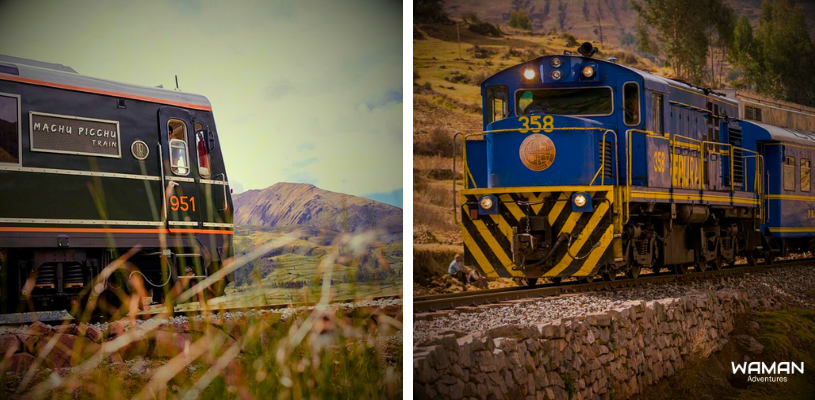
Choose your favorite company: Inca Rail vs. Peru Rail
There are different train schedules to reach Machu Picchu Pueblo (Aguas Calientes), as well as when returning to the city of Cusco. The choice of these schedules will depend on the time of entry to the archaeological complex, your travel itinerary, the train category, and the selected train company.
Train schedules to Machu Picchu on Inca Rail
It is characterized by having fewer options than the competing company; however, it offers more comfortable schedules for travelers. For those who take previous tours like Sacred Valley or Sacred Valley Vip, it allows you to have a calm and unhurried tour before taking your train.
Note: Normally, the schedules have not undergone variations, but if you want to know more in depth and updated information, we recommend clicking on the link above.
Train schedules to Machu Picchu on Peru Rail
It offers a wide variety of options for all tastes and needs, which is why they are used by agencies or direct travelers who do tours outside the usual ones. Allowing a great freedom of activities (contact directly with your sales agent).
Note: Normally, the schedules have not undergone variations, but if you want to know more in depth and updated information, we recommend clicking on the link above.
Train Categories to Machu Picchu
Peru Rail and Inca Rail offer various train services to reach Machu Picchu, with different categories and levels of comfort and luxury.
- Peru Rail’s Expedition Train: An economical option with basic amenities.
- Peru Rail’s Vistadome Train: Offers panoramic windows and a fashion show.
- Peru Rail’s Panoramic Vistadome Train: Includes an observatory car and music/dance.
- Luxury trains from Peru Rail: Such as Belmond and Hiram Bingham, with personalized service, gourmet meals, and onboard entertainment.
Inca Rail also offers several categories:
- The Voyager (economy), The Premium and Lounge Bar (with waiting room and bar), Panoramic 360 Train (panoramic views), and First Class Train (premium service).
Both companies offer a “bimodal” service that combines bus and train, and even Inca Rail has a “door to door” option with pickup and transfer to the hotel.
Disembarkation and Transfer
Once you arrive in Aguas Calientes, you will encounter all the travelers getting off the train, but don’t worry, if you have booked a service through an agency like Waman Adventures, the staff will be waiting for you with a sign with your name or the passenger’s name, which will guide you through its enigmatic streets until you reach your hotel (previously reserved). They will then show you the most important points such as:
– The train station
– The bus station to Machu Picchu
– Recommended restaurants.
Can you go to Machu Picchu by car?
Currently, it is not possible, as transportation only reaches the famous km 82/Piscacucho (start of the Inca Trail), so the only way to get there is through the train service.
Route to Machu Picchu via Hydroelectric Plant
The route via Hydroelectric Plant offers an alternative and economical option for adventurers who want to reach Hydroelectric Plant by car and then walk approximately 10 kilometers to Machu Picchu Pueblo.
From Cusco, you take a bus to Santa María, then a shared taxi to Santa Teresa, and finally another one to the hydroelectric plant. From here, you walk along a path parallel to the train tracks and the Vilcanota River to Aguas Calientes, which takes about 3 hours or more. This route is flat and offers spectacular views of the Cusco jungle. Although no prior reservations are required, precautions should be taken and the necessary items for a safe and comfortable walk should be carried. Once in Aguas Calientes, you can take a bus or walk to the entrance of Machu Picchu.
This route provides a unique experience and an alternative way to reach the Wonder of the World.
How to get to Machu Picchu from Cusco?
If you are traveling on your own and want to know how to get from Cusco to Machu Picchu, our Machu Picchu travel guide will show you.
First, you depart in transportation to Ollantaytambo, a town where the train station to Machu Picchu is located, where you board one of the wagons that will take you to “Machu Picchu Pueblo”, from where you must ascend to the Machu Picchu Archaeological Complex.
Other options are transportation and then a light walk from Hydroelectric Plant.
Another option is the multi-day trek routes along the Inca Trail, Salkantay, Inca Jungle, or Lares trek.
How to get to Machu Picchu from Lima?
The Machu Picchu travel guide informs you that there is currently no direct route from the city of Lima to Machu Picchu, so you must take a flight that will take approximately 1 hour and 30 minutes to reach Cusco. Here you can spend a few days acclimating and getting to know more about this beautiful city before embarking on your adventure to Machu Picchu through one of the aforementioned options.
Machu Picchu Tours from Cusco | Tours to Machu Picchu from Cusco
If you have contracted our services, once you arrive at Cusco airport, Waman Adventures’ staff and transportation will be waiting for you to transfer you to your hotel. During this journey, we will provide you with key information about some places of interest (currency exchange houses, restaurant areas, squares, and museums), all while answering any questions and concerns you may have before your adventure to Machu Picchu.
The Waman Adventures travel agency has a wide range of units for tourist service.
EXCURSIONS AND TREK ROUTES TO MACHU PICCHU | HIKES TO MACHU PICCHU
Visiting Machu Picchu is quite an adventure, especially if you do it through the different trekking routes that will take you to this architectural jewel. Considering that each trail is unique and offers different experiences, our Machu Picchu travel guide will detail some important information about each trekking route.
Trekking in the Dry Season
Trekking in the Wet Season
Inca Trail
It is the most famous trekking trail in Cusco, known for its direct connection to the archaeological complex, as it is the only one that takes you directly to the archaeological complex and allows you to explore more Inca sites exclusive to this route.
An experience only for the most adventurous and brave.
Salkantay Trek
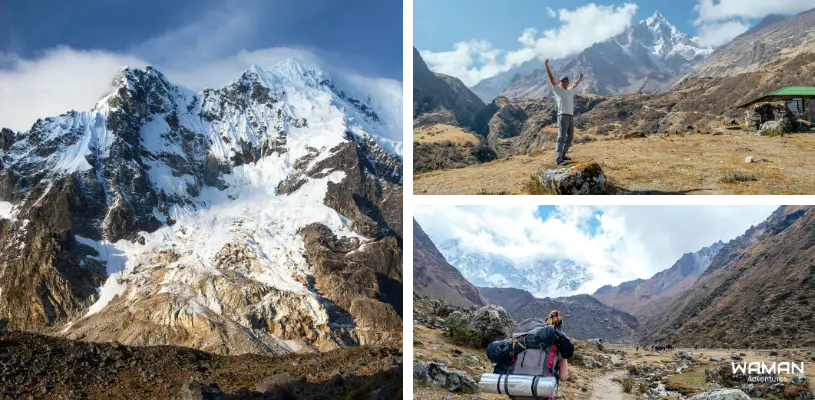
An incredible trekking route surpassed only by the Inca Trail. It is characterized by offering you a trail through more nature and different landscapes, from frozen snow-capped mountains to the warm jungle area near Machu Picchu.
An option that combines snowy landscapes with areas of the Cusco jungle.
Lares Trek
Known as the cultural route, as it stands out for offering you unique experiences with the high Andean inhabitants, where you will learn more about their lifestyle, customs, and traditions dating back to the Inca period. You can also enjoy a trail surrounded by mountains, rivers, and lagoons.
Enjoy this unique experience on the Lares Trek.
Inca Jungle Trek
The most adventurous option for hiking to Machu Picchu. This is your ideal option if you are a lover of extreme outdoor activities such as downhill biking from the highest altitude of 4,350 meters above sea level/14,271 feet, rafting, and zipline, a conglomerate of sports activities that will accompany you as you travel through a trail in the Cusco jungle and relax in the Cocalmayo hot springs.
If you are an adventurer seeking adrenaline on your trip to Machu Picchu, this is your option.
Choquequirao Trek to Machu Picchu (7 days)
In this particular case, we must highlight that this is a very special trekking route, as it allows you to visit and contrast two of the most important Inca cities today (Choquequirao and Machu Picchu). According to our Machu Picchu travel guide, it is an ideal trail for the most adventurous and brave, as you will traverse steep, long, and challenging sections that will test your physical and mental endurance to become one of the few travelers to conquer this route and discover incredible landscapes.

DURATION AND DIFFICULTY LEVEL OF THE ROUTES TO MACHU PICCHU
How long do the hikes/trekking routes to Machu Picchu last?
Just as there are different trekking routes to Machu Picchu, it is also important to know that each trail has different versions that vary in time, hours of walking per day, and difficulty.
Requirements and permits required for the hikes
If you decided to embark on the adventure of traveling one of the trekking trails to Machu Picchu, our Machu Picchu travel guide suggests considering the following:
- The Inca Trail (in any of its versions) is the only trail officially regulated by the Peruvian government, which means that you need to obtain a permit to be able to hike it, which can only be reserved by an authorized travel agency such as Waman Adventures.
- Reserve in advance, remember that the trekking trails to Machu Picchu are very popular, some even booked several months in advance, so you must take this detail into account to ensure your trip on your favorite date.If traveling with children or elderly adults, you must be aware of the physical effort of these trekking routes, so we do not recommend doing it
- with children under 12 years old or adults over 55 years old.
FREQUENTLY ASKED QUESTIONS│MACHU PICCHU TRAVEL GUIDE
What is the best time of day to visit?
If you’re into photography and want to capture the best views, our Machu Picchu travel guide suggests visiting from 11 am to 3 pm, as the landscape is completely clear during these hours and the sun illuminates every corner of the Inca citadel.

The impressive buildings of Machu Picchu.
Can Machu Picchu be visited without a guide?
In fact, yes, but it is highly discouraged. The regulations of Machu Picchu require that all entrance to the archaeological complex must be accompanied by an authorized professional guide, who fulfills a great and vital function of maintaining order during the tour, providing you with the most important information about the site and offering you a complete experience throughout your tour.

Photo of our Waman Adventures guide providing information.
How long does it take to climb Machu Picchu?
From Aguas Calientes, there is only one route, which can be accessed in two ways:
Bus to Machu Picchu: if you choose this option, the journey will take approximately 30 minutes uphill and 30 minutes downhill.
Trek to Machu Picchu: if you’re a fan of hiking, your journey will take about 1 hour and 30 minutes on average, depending strictly on your physical endurance.
Is Machu Picchu closed?
One of the big questions for many travelers; however, the answer is very simple, as the Machu Picchu Archaeological Complex is open for visits 365 days a year. However, there may be some rare complications for visiting, such as strikes or weather problems, which usually do not have serious repercussions.

The influx of tourists wishing to visit Machu Picchu is incredible.
Where to stay in Machu Picchu?
Despite Aguas Calientes being a town in the middle of the mountains, it now offers a modern and varied range of services, such as hotels, restaurants, and leisure centers. In this Machu Picchu travel guide, we’ll show you some of the most famous hotels.
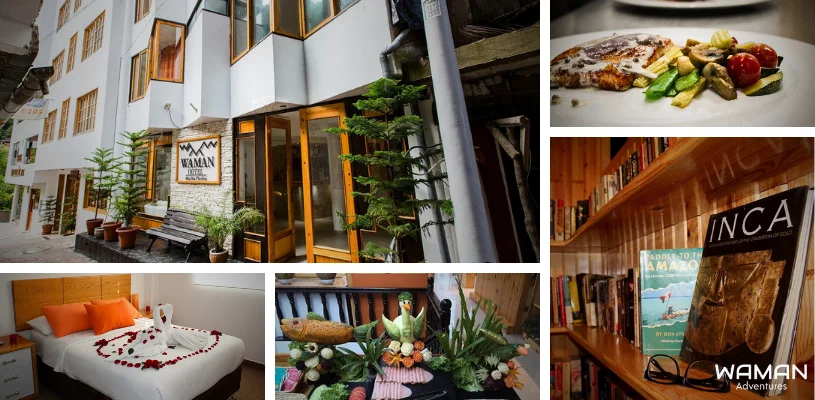
Most of the hotels have modern rooms and a restaurant with breakfast buffet.
What luggage should I take on my train journey from Cusco to Machu Picchu?
Remembering that the weight limit for luggage per person is only 8 kg, we must consider carrying only the essentials for your adventure and itinerary in exploring the Machu Picchu Archaeological Complex. This means that items such as clothing, documentation, and snacks with water should be suitable for the travel time you have.
Where are the bathrooms in Machu Picchu?
The bathrooms of the archaeological complex are located in the entrance area, and it is very important to note that there are no bathrooms within the Inca citadel. Due to this fact, our Machu Picchu travel guide suggests using the facilities before starting the tour, as once you enter Machu Picchu, you cannot leave, and if you do, you cannot return to complete your visit.
What to do in Machu Picchu?
If your travel itinerary allows it and you want to make the most of your stay in Aguas Calientes, you can choose to visit the butterfly sanctuary, the hot springs, or simply stroll through its streets and craft markets, where you will find beautiful items.
Machu Picchu Circuits
The itinerary to this citadel begins when you leave your hotel in Aguas Calientes and take the bus to the entrance of the archaeological complex, where you will meet your guide to start the tour. The duration of your tour to Machu Picchu will depend strictly on your purchased package, as there are two ways to visit this archaeological complex, through the famous Inca Trail and by train service, each with unique characteristics.
- Huayna Picchu or Huayna Picchu Route: if you only purchased this ticket, you will have an approximate 2 to 3-hour trek to the mountain, so the best time to visit Machu Picchu is during the early hours of 7 am to 9 am.
- Machu Picchu Mountain Route: the best time to visit Machu Picchu with this ticket is during the hours of 9 am to 11 am, as you will be able to see the archaeological complex in its full splendor when the sun starts to be the protagonist.
- Machu Picchu or Classic Route: this one can be enjoyed at any time; however, the best time to visit Machu Picchu with this ticket for us is during 7 am to 8 am, at most 9 am, since it is the most sold and the influx of travelers is greater.
- Huchuy Picchu Route: it is a more accessible journey for travelers of all ages, as its ascent to the mountain only takes 1 to 2 hours depending on your physical level.
Recommendations to make the most of the experience
It is a very relevant point in our Machu Picchu travel guide because our goal is for you to have the best experience during your journey in the archaeological complex, and for this, we offer you the following recommendations:
- Take the tour of the Machu Picchu archaeological complex as early as possible, as the number of visitors is lower, and witnessing the sunrise in the citadel is a unique event in life.
- Travel light, only take what is necessary, such as a light jacket, hat, sunglasses, sunscreen, water, and some snacks.
- Bring a professional camera if possible, as the landscape experience is so incredible that it deserves to be captured in the best quality.
- Take into account the advice and regulations when visiting the citadel; remember that park rangers will invite you to leave the place.
- Have a light breakfast, it is very important not to overeat, as it could cause discomfort during the tour in Machu Picchu.
- You can complement your adventure with the ascent to Huayna Picchu, Machu Picchu Mountain, or Huchuy Picchu.
- Take photos at the right time, as the circuit is linear, and you will not be able to return to the places you have already visited.
If you are opting to visit Machu Picchu through any of the trekking routes, it is very important to consider the following tips that according to the Machu Picchu travel guide will be very useful to you and will help you have a better experience.
- Check your health status with your personal doctor beforehand and follow their recommendations.
- Take practice walks (mountaineering), which will help you get to know the outdoor activities.
- Carrying out these different exercises together will help you overcome each trek challenge.

Performing these different exercises together will help you overcome each challenge of the trek
Tips for photography in Machu Picchu
Get your best camera ready! Remember that this is a once-in-a-lifetime adventure, and it is a priority of our Machu Picchu travel guide that you have the best memories of your journey and that there is nothing better than having them in physical form to show off on social networks or with your family.
- Keep your devices charged at all times, remember to check them beforehand before the Machu Picchu tour.
- Keep it on at all times during the tour, as you won’t want to miss any opportunities.
- Do not be afraid to ask someone to take a picture of you if you are traveling alone.
- During the tour, you will have time to take photos of the different places you will visit, remember to do it at the right time, as you will not be able to return to the same place.
- Be observant, remember that flora and fauna abound inside and outside the archaeological complex.
How long can I stay in Machu Picchu?
Currently, visitors have a flexible time limit for their visit; a strict limit of four hours of stay in Machu Picchu has been established. On average, most tourists do not spend more than this time exploring the archaeological site. This is part of an effort to control pedestrian traffic and preserve the Inca sanctuary.
Can I bring drones to Machu Picchu?
Drones are prohibited within Machu Picchu but are allowed in the city of Cusco, Aguas Calientes, and the Sacred Valley of the Incas.
Can I bring hiking poles to Machu Picchu?
No, it is not allowed to enter Machu Picchu with hiking poles, unless they are necessary for older people or those with disabilities, as long as they have a rubber tip.
Can you bring selfie sticks to Machu Picchu?
Selfie sticks are not allowed at Machu Picchu because they can cause inconvenience to other tourists.
Can you visit Machu Picchu without a guide?
It is mandatory to take the tour with a guide at Machu Picchu. At the entrance, guides are available to offer their services.
Where can I leave my belongings?
It is advisable to travel to Machu Picchu with only what is strictly necessary in a small backpack or suitcase; the rest of the heavy luggage can stay at the hotel where you are staying or at the facilities of the travel agency with which you contracted services. Alternatively, luggage can also be left at the entrance of Machu Picchu by paying a fee in advance; there is a designated place where tourists can leave their belongings or prohibited items at Machu Picchu.
Can you bring tripods?
Tripods are not allowed in Machu Picchu, as they can obstruct traffic and damage the site’s ground.
Can you bring food and water to Machu Picchu?
Snacks are allowed as long as the wrappers are kept, but single-use plastics are not allowed. The use of water canteens instead of plastic bottles is allowed.
Is it necessary to enter Huayna Picchu with a guide?
It is not mandatory to enter Huayna Picchu with a guide, but visitors can do so if they wish. However, the tour of the Inca City requires a guide for a complete and enjoyable experience.
Is it safe to travel to Machu Picchu?
To determine if Machu Picchu is safe, let’s consider the experience of many travelers, who, thanks to our Machu Picchu travel guide, visiting this great archaeological complex is totally safe, following all recommendations and advice.
It is also important to note that both trekking routes and the train route are constantly monitored and renovated for public use, mitigating the risks that exist as in any outdoor adventure, greatly reducing the chances of travelers encountering any mishaps.

And so we come to the end of our exciting adventure together in the definitive guide to visiting Machu Picchu! We hope our tips and recommendations have helped you plan your trip optimally and that you have been able to experience the magic of this sacred place. Now, as we bid farewell, I encourage you to carry with you the unforgettable memories of this unique experience and to share your own “Machu Picchu travel guide” with friends and family who have not yet had the pleasure of exploring this Incan treasure.
Share:



Related tours you might be interested in
Enjoy unique experiences in Cusco and Machu Picchu with the peace of mind that comes from working with a local travel agency

Choquequirao to Machu Picchu Trek 7 Days | Private Service
The most epic and challenging adventure awaits! Dare to push your limits and embark on the ultimate...

10 Days Andean Dreamscapes – Lima, Ica, Cusco & Puno with Local Flights
YOUR NEXT DESTINATION IS PERU, THE LAND OF FASCINATING STORIES AND OUTSTANDING LANDSCAPES! With our...
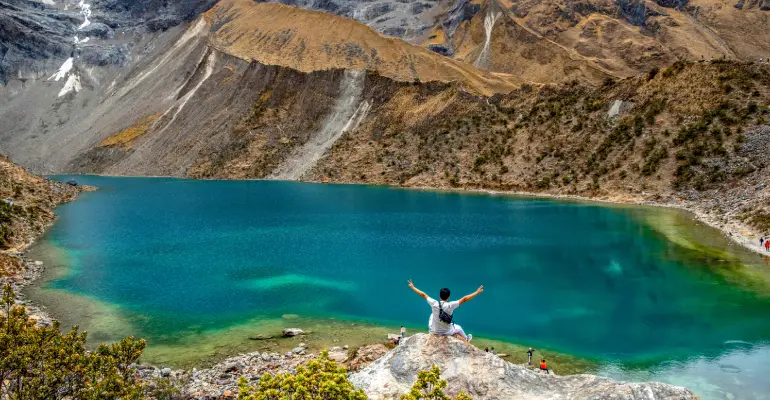
HUMANTAY LAKE TOUR FULL DAY – Group Service
Venture to the heights with a dream trip to the Humantay Lagoon! In the depths of Peru's imposing...

07 Day Echoes of Peru – Lima, Ica & Cusco with Flights
IMAGINE YOUR PERFECT ESCAPE PLAN IN PERU, WHERE EVERY DAY IS THE PERFECT OPPORTUNITY TO EXPLORE AND...
If you liked this article and the information you found, give us 5 stars!
Table of Contents
Related blogs
Machu Picchu Admission Ticket: What It Actually Covers
10 min of reading
Explore Huayna Picchu like an expert: Our guide will take you gradually
26 min of reading