Machu Picchu Mountain Hike and Route 1-A Guide
Ultima actualización en 16 November, 2026 por Jhon Quispe
Last Updated on 16 November, 2026 by Jhon Quispe
What should you know before hiking Machu Picchu Mountain?
Machu Picchu Mountain reaches approximately 10,111 ft (3,082 m) and is accessed with the Circuit 1 Route 1-A ticket. The hike usually takes about 3–4 hours round trip and is moderate to challenging because of its sustained ascent and stone steps. It offers panoramic views rather than a complete archaeological circuit.
- Machu Picchu Mountain at a glance
- Machu Picchu Mountain location and altitude
- Machu Picchu Mountain hike difficulty and duration
- Machu Picchu Mountain ticket and Route 1-A
- How to reach the Machu Picchu Mountain trail
- Views from Machu Picchu Mountain
- Best weather for hiking Machu Picchu Mountain
- Machu Picchu Mountain vs Huayna Picchu
- Safety, equipment and physical preparation
- Is Machu Picchu Mountain worth it?
- Common mistakes when choosing Route 1-A
- Plan your Machu Picchu Mountain hike with confidence
-
Frequently asked questions about Machu Picchu Mountain
- How difficult is Machu Picchu Mountain?
- How long does it take to climb Machu Picchu Mountain?
- Which ticket do you need for Machu Picchu Mountain?
- Does Route 1-A include the classic archaeological circuit?
- Can you see Machu Picchu from the summit?
- Is Machu Picchu Mountain suitable for beginners?
- Can you hike Machu Picchu Mountain during the rainy season?
The mountain rises south of the Machu Picchu archaeological site, opposite the famous Huayna Picchu peak. Its trail involves a longer uphill effort, but the reward is a much broader perspective of the sanctuary and the surrounding Andes. Choosing the correct ticket matters as much as preparing for the climb.

The mountain offers expansive views of the archaeological sanctuary.
Machu Picchu Mountain at a glance
Machu Picchu Mountain is an additional hiking experience for travelers who want to reach one of the highest viewpoints accessible through the authorized Machu Picchu visitor routes.
Unlike a standard archaeological visit, this experience requires several hours of uphill walking and a separate route-specific ticket.
| Planning detail | Machu Picchu Mountain |
| Official ticket | Circuit 1 — Route 1-A Machu Picchu Mountain |
| Summit altitude | Approximately 10,111 ft (3,082 m) |
| Typical hiking time | Approximately 3–4 hours round trip, depending on pace |
| Difficulty | Moderate to challenging |
| Trail conditions | Sustained ascent, uneven stone steps and mountain paths |
| Main attraction | Panoramic views of Machu Picchu, Huayna Picchu and the surrounding Andes |
| Technical climbing | Not normally required |
| Visitor experience | Panoramic mountain hike rather than a full archaeological circuit |
| Best suited for | Active travelers interested in hiking and landscape photography |
| Official visit duration | Subject to the current Route 1-A regulations and authorized entry schedule |
Important note:
Route 1-A is part of the Panoramic Circuit. It does not automatically include the archaeological sectors available on other Machu Picchu routes. Check the exact areas covered by your ticket before organizing your visit.
Machu Picchu Mountain location and altitude
Machu Picchu Mountain is one of the major peaks surrounding the archaeological complex. Its location south of the citadel provides a different perspective from Huayna Picchu, the steep mountain commonly seen behind Machu Picchu in classic photographs.
Location within the Historic Sanctuary
Machu Picchu Mountain rises above the southern side of the Inca citadel within the Historic Sanctuary of Machu Picchu in the Cusco region of Peru.
The mountain forms part of the dramatic Andean landscape surrounding the archaeological site.
From its elevated viewpoints, hikers can observe the citadel, Huayna Picchu, the Urubamba Valley and the surrounding mountain ridges.
This wider panorama is one of the principal differences between hiking Machu Picchu Mountain and visiting the archaeological areas closer to the citadel.
The name Machu Picchu is commonly translated from Quechua as “Old Mountain.”
Summit altitude and elevation difference
The summit of Machu Picchu Mountain reaches approximately 10,111 ft (3,082 m) above sea level.
The archaeological site itself is located at approximately 7,972 ft (2,430 m).
That represents an elevation difference of roughly 2,139 ft (652 m) between the archaeological site’s reference altitude and the summit, although the actual hiking elevation gain depends on the authorized starting point.
This difference helps explain why the ascent requires sustained effort despite not being a technical climbing route.
Travelers who have already spent time in Cusco may have experienced higher elevations, but that does not eliminate the physical demands of climbing numerous stairs.
Physical fitness and altitude response are separate considerations. Travelers should not assume that being physically active guarantees protection against altitude-related symptoms.
For a wider comparison of regional elevations, consult the Machu Picchu altitude guide.

The summit reaches approximately 10,111 ft (3,082 m) above sea level.
Machu Picchu Mountain hike difficulty and duration
The Machu Picchu Mountain hike is generally considered moderate to challenging because of its sustained uphill route, repeated stone steps and the physical effort required to reach the summit.
It does not require technical mountaineering, but the climbing distance and elevation gain make it more demanding than a short panoramic visit.
Difficulty and physical effort
The main challenge is the continuous uphill movement.
Unlike an archaeological route with relatively short walking sections, Machu Picchu Mountain involves climbing for an extended period.
Several factors influence the difficulty:
- Elevation gain: a substantial ascent toward the summit.
- Stone stairways: repeated steps that require sustained leg effort.
- Altitude: thinner air can make physical exertion feel more demanding.
- Uneven terrain: stone surfaces require attention to footing.
- Weather: rain, humidity and strong sun can affect comfort.
- Descent: returning downhill can be tiring after the long climb.
Travelers accustomed to hiking, climbing stairs and walking uphill for extended periods may find the route more manageable.
However, occasional walking on flat ground is not equivalent to several hours of mountain hiking.
Visitors should consider their current fitness, mobility and comfort with long staircases before selecting Route 1-A.
How long does the hike take?
Most hikers should allow approximately 3–4 hours for the round-trip mountain hike.
The exact duration depends on several factors:
- Individual hiking pace.
- Physical fitness and experience.
- Trail and weather conditions.
- Rest breaks during the ascent.
- Time spent at viewpoints.
- Photography stops.
Some experienced hikers may finish faster, while others will need more time.
This estimate refers to the mountain hike itself. It should not be confused with the official maximum permitted visit duration, which is established separately by the authorities.
Before booking, confirm the current Route 1-A entry schedule and time restrictions.
Stone steps, ascent and descent
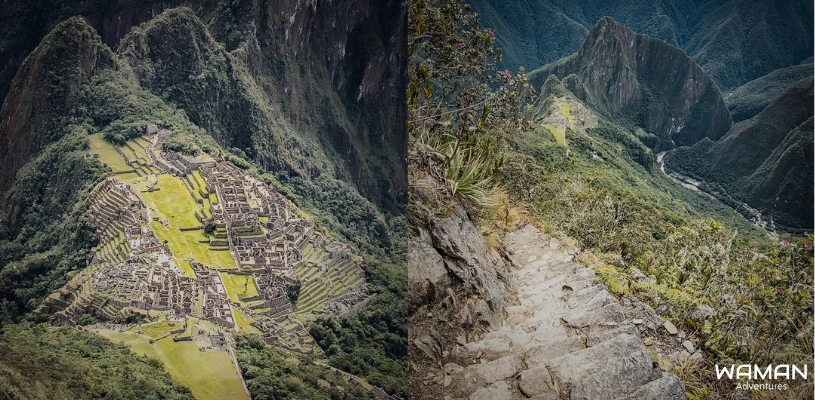
The route includes numerous stone steps and uneven mountain paths.
Much of the climb involves sustained vertical movement rather than long sections of flat walking.
As hikers ascend, the surrounding vegetation and terrain gradually reveal wider views of the sanctuary.
The descent can also be demanding. After several hours of climbing, repeated downhill steps may place additional strain on the knees and leg muscles.
Maintaining a controlled pace is particularly important when stone surfaces are wet.
The hike does not normally require ropes, harnesses or technical climbing equipment.

Long stair sections make the ascent physically demanding.
Machu Picchu Mountain ticket and Route 1-A
The most important booking requirement is choosing the correct Machu Picchu Mountain ticket.
Under the current visitor-route system, the mountain belongs to Circuit 1 — Panoramic, Route 1-A.
This classification is different from the older circuit system, which may still appear in outdated travel articles.
Official Circuit 1 Route 1-A ticket
Travelers must select the ticket specifically designated for:
Circuit 1 — Route 1-A Machu Picchu Mountain.
The ticket provides access to the authorized mountain route and its corresponding visitor areas.
It should not be confused with routes for Huayna Picchu, the classic archaeological visit or other panoramic options.
The current official booking system is available through Tu Boleto, operated by Peru’s Ministry of Culture.
For a detailed explanation of prices, ticket categories and purchasing procedures, consult the Machu Picchu entrance ticket guide.
Entry time and permitted visit duration
Machu Picchu Mountain tickets are assigned to authorized entry arrangements.
Travelers must follow the date, time and conditions established for the selected route.
The original Route 1-A documentation referenced a maximum permanence of up to seven hours. However, official visit limits and operating rules should be verified against the current route map before publication or booking.
This limit must not be confused with the approximate 3–4 hours usually required for the mountain hike.
A traveler may need additional time for authorized access and movement through the visitor route, subject to the regulations in force.
Important note:
Before paying, confirm that your reservation explicitly identifies Route 1-A Machu Picchu Mountain. Do not rely on previous circuit classifications, older screenshots or assumptions about the areas included.
Archaeological sectors not included in Route 1-A
Route 1-A belongs to the Panoramic Circuit and is primarily designed for the mountain ascent and elevated viewpoints.
It should not be treated as a ticket granting unrestricted access to Machu Picchu’s archaeological complex.
Other visitor routes provide different access to terraces, ceremonial areas, residential sectors and architectural features.
For example, certain Circuit 2 routes are organized around archaeological visits rather than mountain hiking.
If exploring the internal archaeological sectors is a major priority, compare the permitted areas before purchasing Route 1-A.
Travelers planning both experiences should verify whether separate admissions are required and whether their schedules are compatible.
For the other panoramic options, see the Circuit 1 Machu Picchu guide.
How to reach the Machu Picchu Mountain trail
The mountain hike begins within the authorized Machu Picchu visitor area, so travelers first need to reach the archaeological sanctuary.
Most visitors arrive in Aguas Calientes, also called Machu Picchu Pueblo.
From there, they generally take the shuttle bus toward the main Machu Picchu entrance before proceeding according to their Route 1-A admission instructions.
The mountain access is part of the assigned visitor route, and entry procedures must follow the authorized itinerary.
Travelers should organize their transportation around the ticket’s entrance time rather than assuming they can begin the hike whenever they arrive.
The broader journey from Cusco normally involves travel toward Ollantaytambo, a train connection to Aguas Calientes and the final transfer to Machu Picchu.
For detailed train, bus and transportation planning, consult the Machu Picchu travel guide.
Views from Machu Picchu Mountain
The panoramic views are the main attraction of Route 1-A.
From high on the mountain, hikers can see Machu Picchu within a much larger landscape of Andean peaks, steep valleys and surrounding vegetation.
The perspective differs significantly from the familiar photographs taken near the archaeological site’s upper terraces.
Machu Picchu and the Urubamba Valley
Depending on visibility, hikers may see:
- The Machu Picchu archaeological complex.
- Huayna Picchu Mountain.
- The surrounding Andean ridges.
- The Urubamba Valley.
- The winding Urubamba River below.
- The broader mountain landscape of the Historic Sanctuary.
The elevated viewpoint reveals the geographical setting of Machu Picchu.
Instead of seeing the citadel as the dominant foreground subject, hikers can observe how the archaeological complex sits within the surrounding mountains.
This distinction makes Machu Picchu Mountain particularly appealing to travelers interested in landscape photography and mountain scenery.

The elevated viewpoint reveals the sanctuary’s wider mountain setting.
Panoramic photography opportunities
Route 1-A is especially suitable for wide landscape photographs.
The higher perspective allows travelers to capture the archaeological complex alongside Huayna Picchu, the Urubamba Valley and the surrounding mountain ranges.
However, visitors primarily seeking the familiar postcard photograph of Machu Picchu should confirm which route provides their preferred viewpoint.
The highest summit does not automatically produce the same photograph as the classic observation areas near the citadel.
Cloud cover can also affect visibility, so no particular view should be considered guaranteed.
Best weather for hiking Machu Picchu Mountain
Weather matters because the main attraction of the hike is its panoramic perspective.
The generally drier months often offer a better chance of clear views and less frequent rainfall, although weather can change quickly in the mountains.
| Conditions | Effect on the hike |
| Generally drier weather | Better probability of clear panoramas and firmer stone surfaces |
| Rainfall | Stone steps may become slippery |
| Cloud and fog | Visibility can decrease or disappear temporarily |
| Strong sunlight | Sun protection and water become especially important |
| Changing mountain weather | Conditions can vary between the beginning and end of the hike |
The wet season does not automatically prevent hiking, but rain can make the route more demanding and reduce the panoramic views.
Dry-season travel does not guarantee a completely clear summit either.
Travelers should check the forecast and current operating conditions before visiting.
For a month-by-month explanation of rainfall, seasonal demand and weather patterns, consult the best time to visit Machu Picchu guide.
Machu Picchu Mountain vs Huayna Picchu
Machu Picchu Mountain and Huayna Picchu offer different hiking experiences, even though both provide elevated views of the archaeological sanctuary.
Machu Picchu Mountain is known for its longer sustained climb and wide panoramic perspective.
Huayna Picchu is generally associated with a shorter but steeper trail that includes more exposed sections.
| Comparison | Machu Picchu Mountain | Huayna Picchu |
| Official route | Circuit 1, Route 1-A | Circuit 3, Route 3-A |
| Summit altitude | Approximately 10,111 ft (3,082 m) | Approximately 8,923 ft (2,720 m) |
| Trail character | Longer sustained climb with many stone steps | Shorter but steeper and more exposed sections |
| Views | Wide elevated panorama of the sanctuary | Closer perspective above the archaeological complex |
| Best suited for | Travelers seeking a longer mountain hike and panoramic scenery | Travelers comfortable with steep and exposed trail sections |
Neither mountain is automatically better for every traveler.
The most suitable choice depends on physical condition, comfort with exposed terrain, hiking time and preferred viewpoints.
For a detailed comparison of both mountains, including tickets and trail differences, see the Huayna Picchu vs Machu Picchu Mountain guide.
Safety, equipment and physical preparation
Machu Picchu Mountain is an authorized hiking route, but mountain walking involves physical demands and environmental risks.
The most useful preparation is understanding the sustained ascent, using appropriate footwear and carrying only essential items.
Main trail safety considerations
The main practical risks include:
- Fatigue during the long uphill climb.
- Uneven stone steps.
- Slippery surfaces during wet weather.
- Strong sun exposure.
- Physical strain during the descent.
- Altitude-related discomfort.
- Individual mobility or health limitations.
Remain on the authorized path and follow the instructions of Machu Picchu personnel.
Travelers with significant cardiovascular, respiratory or mobility concerns should assess whether the sustained climb is suitable for their circumstances.
No mountain route should be described as completely risk-free.
What to bring for the hike
A large trekking backpack is unnecessary for Route 1-A.
Useful items include:
- Comfortable hiking shoes or walking footwear with reliable grip.
- Water in a container permitted by current visitor regulations.
- Lightweight rain protection.
- Sun hat and sunscreen.
- Sunglasses.
- Small backpack that complies with current site restrictions.
- Personal medication.
- Camera or phone.
- Original identification required for admission.
Travelers should check the current rules for bags, containers and other personal items before entering the archaeological sanctuary.
For additional day-trip clothing and equipment recommendations, consult the what to take to Machu Picchu guide.
Training and pacing the climb
Technical mountaineering training is not required for the normal hiking route.
However, cardiovascular endurance and comfort with sustained uphill walking can make the climb more manageable.
Useful preparation includes:
- Regular walking.
- Hill or incline walking.
- Stair climbing.
- Basic lower-body strength exercises.
- Longer walks using your intended footwear.
During the hike, maintain a pace you can sustain rather than starting too quickly.
Short breaks can help manage the effort during long stair sections.
On steeper sections, controlled steps are generally more practical than trying to maintain a fast pace.
Allow faster hikers to pass when it is safe and appropriate.
It is also important to save enough energy for the return journey.
Managing the descent
Many hikers concentrate on reaching the summit and underestimate the effort required to descend.
Repeated downhill steps can place additional strain on the knees and leg muscles, particularly after a sustained ascent.
Maintain controlled footing and avoid rushing.
Wet stone surfaces deserve additional caution.
The hike is complete only after the return descent, so your physical effort and time planning should account for both directions.
Is Machu Picchu Mountain worth it?
Machu Picchu Mountain can be a rewarding addition for travelers who enjoy hiking and want to see the sanctuary from a much higher perspective.
However, Route 1-A requires more time and physical effort than a standard panoramic visit.
The decision should depend on what you want to experience during your Machu Picchu day.
Travelers who may enjoy Route 1-A
The mountain is particularly suitable for visitors who:
- Enjoy longer mountain hikes.
- Want wide panoramic views.
- Are comfortable climbing numerous stone steps.
- Have sufficient time for several additional hours of walking.
- Prefer a sustained mountain ascent over a shorter visit.
- Are interested in landscape photography and the sanctuary’s geography.
For these travelers, the climb itself is an important part of the experience rather than simply a way to reach a viewpoint.
Travelers who may prefer another route
Another Machu Picchu ticket may be more appropriate if:
- You mainly want the classic postcard viewpoint.
- Your priority is exploring archaeological sectors.
- You have limited time available.
- Several hours of stair climbing would be uncomfortable.
- Mobility or health concerns make sustained uphill walking unsuitable.
A higher viewpoint does not automatically make Route 1-A the best ticket.
The most useful choice is the route that matches your interests, physical abilities and available time.
Common mistakes when choosing Route 1-A
Using outdated circuit information
Older articles may identify Machu Picchu Mountain under the previous Circuit 3 system.
The current designation is Circuit 1, Route 1-A.
Verify the exact ticket name before purchasing.
Assuming the ticket includes the entire archaeological complex
Route 1-A is a panoramic mountain experience.
It does not automatically include the archaeological areas accessible through other Machu Picchu routes.
Travelers wanting a more extensive archaeological visit should compare current ticket options before organizing their itinerary.
Underestimating the time required
A round-trip hike lasting approximately 3–4 hours can occupy a substantial part of the day.
The transportation, authorized entry and other activities must fit around the mountain hike rather than treating it as a brief additional stop.
Choosing the highest summit without comparing experiences
Machu Picchu Mountain is higher than Huayna Picchu, but the two routes offer different trail styles and perspectives.
A higher summit does not automatically provide the view or hiking experience every traveler prefers.
Carrying unnecessary equipment
A heavy backpack makes repeated uphill steps more tiring.
Bring permitted essentials appropriate for a day hike rather than equipment intended for a multi-day trek.
Expecting guaranteed clear views
Cloud and fog can affect mountain visibility during any season.
The hike should be selected because the trail and panoramic setting interest you, not because a particular photograph is guaranteed.
Plan your Machu Picchu Mountain hike with confidence
Machu Picchu Mountain is a rewarding choice for travelers who want a longer hike and panoramic views of the sanctuary. Before making reservations, confirm Route 1-A availability and consider how the climb fits your transportation and Machu Picchu plans. If you need help coordinating the experience, talk to a travel specialist about the best arrangement for your travel dates.

Frequently asked questions about Machu Picchu Mountain
How difficult is Machu Picchu Mountain?
How long does it take to climb Machu Picchu Mountain?
Which ticket do you need for Machu Picchu Mountain?
Does Route 1-A include the classic archaeological circuit?
Can you see Machu Picchu from the summit?
Is Machu Picchu Mountain suitable for beginners?
Can you hike Machu Picchu Mountain during the rainy season?
Share:



Related tours you might be interested in
Enjoy unique experiences in Cusco and Machu Picchu with the peace of mind that comes from working with a local travel agency
6-Day Tour Cusco, Sacred Valley, Machu Picchu and Rainbow Mountain
EXPERIENCE THE MAJESTY OF THE INCAS: SACRED VALLEY, MACHU PICCHU & RAINBOW MOUNTAIN IN ONE TRIP If...
6 Day Andean Adventures Tour│With Flights from Chile
ENJOY THE BEST OF CUSCO CITY – MUST VISIT DESTINATIONS ARE WAITING FOR YOU! Want to explore Cusco...
6 Days Andean Adventure │ With Flights from Mexico
EXPERIENCE THE BEST OF CUSCO – THE MOST BREATHTAKING DESTINATIONS AWAIT Do you want to explore...
5 Day Cusco, Sacred Valley and Machu Picchu
DISCOVER THE MAJESTY OF MACHU PICCHU AND THE BEAUTY OF THE SACRED VALLEY IN ONE EPIC JOURNEY! The...
If you liked this article and the information you found, give us 5 stars!
Table of Contents
Related blogs
Best Instagram Spots in Cusco for Photos and Scenic View
20 min of reading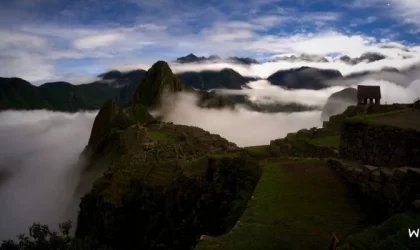
How Hard Is the Inca Jungle Trek? What Every Traveler Should Know!
12 min of reading
Vaccines for Peru: protect yourself and explore without worries
10 min of reading